Source Double Knot Weather-Resistant Gravel Bag for Slope Protection, Agriculture, and Bank Stabilization
Compare 30 listings for double knot weather-resistant gravel bag options designed for slope protection, agriculture, and bank stabilization. These woven bags feature PE material, ISO certifications, and customizable dimensions to meet diverse engineering needs.
Key considerations
Products List


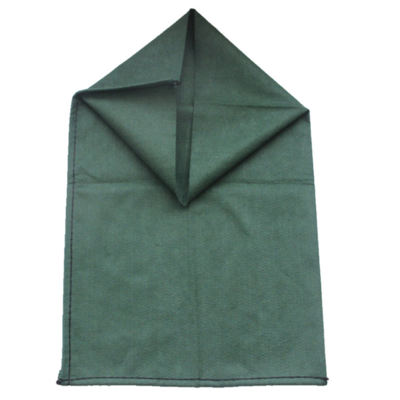
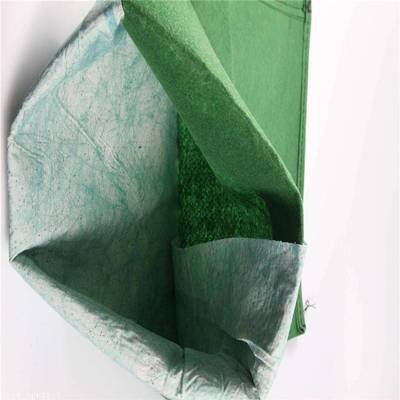
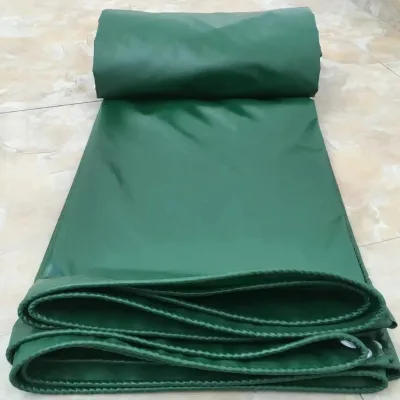
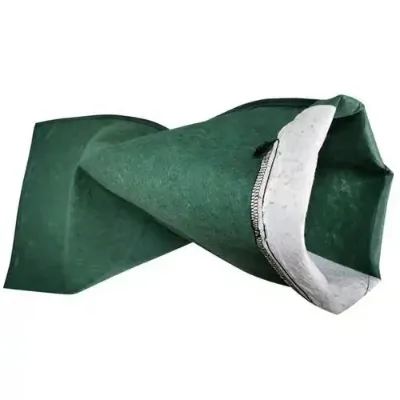
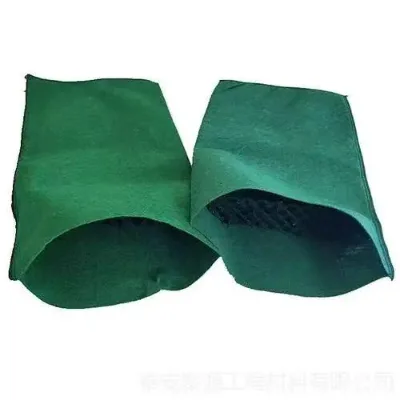
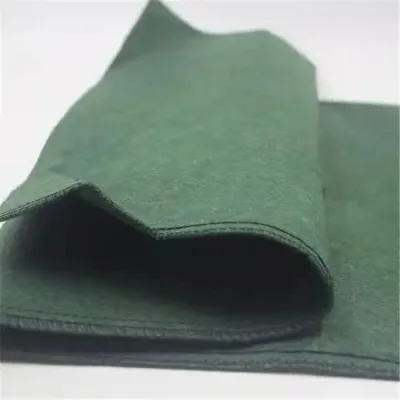


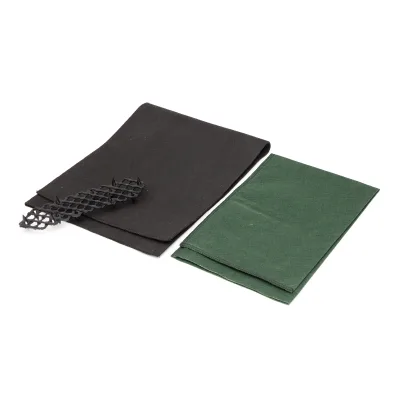
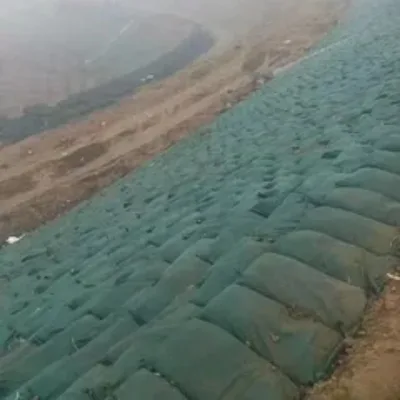

High-Toughness Geotextile Sand Bags for Flood Control UV Resistant, Durable & Reusable
$0.50 - $2.00
MOQ: 1000 Square Meters

High-Toughness-Strength Geobag with Tear Resistance for Outdoor Use
$0.50 - $2.00
MOQ: 1000 Square Meters

High-Toughness PP Geotextile Sand Bag Geobag River Bank Protection
$0.50 - $2.00
MOQ: 1000 Square Meters


High-Toughness PP Geotextile/ Geo Sand Bag/Geobag with Best Price
$0.50 - $2.00
MOQ: 1000 Square Meters


Comprehensive Sourcing Guide
Strategic Sourcing Guide for Double Knot Weather-Resistant Gravel Bags
Understanding Product Architecture and Technical Specifications
The core of a successful procurement strategy for double knot weather-resistant gravel bags begins with a precise definition of the product's physical and functional architecture. In the context of industrial and agricultural applications, these bags are not merely containers but engineered components designed for slope protection, bank reinforcement, and water filtration. The primary material composition observed in the market is Polyethylene (PE), which provides the foundational durability required for outdoor exposure. This material selection is critical because it directly influences the bag's resistance to environmental degradation, including UV radiation and chemical exposure.
The structural integrity of these bags is often defined by their knot type. The specific requirement for a "double knot" indicates a reinforced closure mechanism designed to prevent spillage under the weight of heavy gravel or soil. This feature is essential for applications involving slope greening and bank slope protection, where the stability of the bag assembly is paramount. The manufacturing process typically involves weaving, a technique that enhances the tensile strength of the fabric. This woven structure, combined with the double knot design, ensures that the bag can withstand significant mechanical stress without tearing.
Dimensions and weight are variable parameters that must be aligned with specific project requirements. Observed specifications indicate standard sizes such as 27x120 cm and 25x100 cm, though custom lengths are frequently available to meet unique site conditions. The weight of individual units typically ranges from 80 grams to 1,000 grams per square meter, with specific product models weighing between 85 and 130 grams per piece. This variability allows buyers to select bags that balance load-bearing capacity with handling efficiency. Furthermore, the product is classified as a non-woven geotextile in certain configurations, offering a fabric form structure that facilitates water permeability while retaining soil particles. This dual function is vital for applications requiring water filtration and insulation.
Compliance, Certification, and Regulatory Standards
When sourcing industrial-grade geotextile bags, verifying compliance with international standards is a non-negotiable step for risk mitigation. The supply chain for these products, particularly those originating from major manufacturing hubs in China, often includes suppliers who hold certifications such as ISO9001 and ISO14001. These certifications indicate that the manufacturer adheres to quality management systems and environmental management protocols, respectively. While the presence of a CE mark is noted in some market data, buyers must verify the specific scope and validity of such certifications for their target market, as regulatory requirements vary significantly by region.
Beyond general management certifications, technical standards define the physical performance of the gravel bags. Buyers should request documentation confirming that the product meets specific dimensional standards, such as the 27x120 cm or 40x80 cm configurations observed in the market. The load-bearing capacity is another critical compliance metric; some product listings specify a load capacity above 25 kg, which serves as a benchmark for structural integrity. However, since these figures are observed rather than universal, procurement teams must validate that the specific batch they intend to purchase meets the required load thresholds for their intended application.
Environmental resistance is a key compliance area for weather-resistant products. The product attributes highlight UV resistance as a standard feature, which is essential for longevity in outdoor environments. Buyers should verify that the UV resistance claim is backed by specific testing data or material specifications, as exposure to sunlight can degrade polyethylene over time. Additionally, the product's ability to function as a water filter and its waterproof capabilities must be confirmed through technical data sheets. The "water-resistant" and "high strength" features are often cited, but the specific degree of resistance should be quantified to ensure the bag will not fail under hydrostatic pressure or prolonged moisture exposure.
Cost Drivers and Pricing Dynamics
The pricing of double knot weather-resistant gravel bags is influenced by a complex interplay of material costs, manufacturing complexity, and order volume. The observed price range in the market spans from $0.10 to $150.00 USD, a wide spectrum that reflects the diversity of product configurations. The lower end of this range typically corresponds to smaller, standard-sized units with minimal customization, while the higher end reflects larger, custom-dimensioned bags with enhanced features or higher weight capacities.
Material costs are a primary driver, with the price of Polyethylene (PE) fluctuating based on global commodity markets. The weight of the bag, which can range from 80g to 130g per piece or up to 1000g/m², directly impacts the material expense. Heavier bags require more raw material and often involve more intensive weaving processes, leading to higher unit costs. Furthermore, the customization of the product, such as specific knot types, dimensions, or printing requirements, adds to the production complexity and cost.
Order volume plays a significant role in determining the final price. The Minimum Order Quantity (MOQ) observed in the market ranges from 2 to 30,000 units. Buyers purchasing small quantities may face higher per-unit costs due to the fixed costs of setup and production runs. Conversely, bulk orders can leverage economies of scale to reduce the unit price significantly. Packaging requirements also influence cost; options such as pallets, cartons, or woven bags for shipping must be factored into the total landed cost. Buyers should request detailed quotations that break down material, labor, and packaging costs to understand the true cost drivers and negotiate effectively based on volume tiers.
Typical Applications and Functional Performance
The versatility of double knot weather-resistant gravel bags makes them suitable for a wide array of applications, primarily in civil engineering, agriculture, and environmental protection. One of the most common uses is slope greening and bank slope protection. In these scenarios, the bags are filled with gravel or soil and stacked to create a stable, permeable barrier that prevents erosion. The non-woven geotextile structure allows water to pass through while retaining the soil, reducing hydrostatic pressure and preventing slope failure.
In agricultural settings, these bags serve as effective tools for water filtration and insulation. Their ability to retain moisture while allowing excess water to drain makes them ideal for creating raised beds or protective barriers around crops. The "construction waterproof" function is particularly valuable in infrastructure projects where water management is critical. The bags can be used to line drainage ditches, reinforce embankments, or create temporary flood barriers.
The functional performance of these bags is further enhanced by their resistance to wear, oxidation, and corrosion. These features ensure that the bags maintain their integrity even in harsh environments, such as coastal areas or industrial sites with chemical exposure. The "eco-friendly" attribute suggests that the materials used are sustainable or recyclable, which is increasingly important for projects with environmental compliance requirements. The long useful life of 5 to 7 years, as observed in product data, indicates that these bags are a durable investment for long-term infrastructure projects.
Supplier Evaluation and Quality Assurance
Selecting the right supplier is critical to ensuring the quality and reliability of double knot weather-resistant gravel bags. Buyers should prioritize suppliers who demonstrate a clear understanding of the technical specifications and can provide comprehensive documentation. Key evaluation criteria include the supplier's ability to offer customization, their adherence to quality standards, and their track record in delivering products that meet the required performance metrics.
Quality assurance processes should be a central part of the supplier evaluation. Buyers should inquire about the manufacturer's quality control procedures, including in-process inspections and final product testing. The availability of technical data sheets and free samples is a strong indicator of a supplier's confidence in their product. These resources allow buyers to verify the product's physical properties, such as elongation (which should be more than 25%), weight, and dimensional accuracy, before committing to a large order.
The supplier's after-sales support is another important consideration. Features such as online technical support and warranty periods (e.g., 5 years) indicate a commitment to customer satisfaction and product reliability. Buyers should also assess the supplier's logistics capabilities, including their packaging methods and ability to handle large shipments. The observed packing options, such as pallets or cartons, should be evaluated for their suitability in protecting the product during transit.
Long-Term Procurement and Lifecycle Management
Sourcing double knot weather-resistant gravel bags is not just a transactional activity but a strategic decision that impacts long-term project success. The useful life of these products, typically ranging from 5 to 7 years, requires buyers to consider the total cost of ownership rather than just the initial purchase price. Investing in higher-quality bags with superior UV resistance and structural integrity can reduce maintenance costs and extend the lifespan of the infrastructure.
Procurement teams should also plan for the end-of-life management of these products. While the materials are described as eco-friendly, buyers should verify the recyclability of the Polyethylene components and ensure that the disposal or recycling methods align with local environmental regulations. The customization options available, such as specific colors or dimensions, should be selected with future maintenance and replacement in mind to ensure compatibility with existing systems.
Finally, buyers should establish a long-term relationship with their suppliers to ensure consistent quality and supply chain stability. Regular communication and performance reviews can help identify potential issues early and facilitate continuous improvement. By focusing on these long-term considerations, buyers can secure a reliable supply of high-performance gravel bags that meet their technical and operational needs for years to come.
Comparative Analysis of Product Attributes
To assist buyers in making informed decisions, the following table summarizes the key attributes observed in the market for double knot weather-resistant gravel bags. This comparison highlights the variability in specifications and helps identify the features most relevant to specific project requirements.
| Attribute Category | Observed Specification | Relevance to Procurement |
|---|---|---|
| Material | PE (Polyethylene) | Determines chemical resistance and durability. |
| Knot Type | Double | Critical for load retention and spill prevention. |
| Processing | Weaving | Affects tensile strength and permeability. |
| Weight Range | 80g - 130g/PC; 80-1000g/m² | Influences handling and load capacity. |
| Dimensions | 25x100cm, 27x120cm, Custom | Must match site-specific design requirements. |
| UV Resistance | Yes | Essential for outdoor longevity. |
| Certification | ISO9001, ISO14001, CE | Indicates quality management and compliance. |
| Warranty | 5 Years | Reflects manufacturer confidence in product life. |
| Application | Slope Protection, Agriculture, Water Filter | Defines the functional use case. |
| Packing | Pallet, Carton, Woven Bag | Impacts logistics and shipping costs. |
This comparative overview underscores the importance of aligning product specifications with project needs. By carefully evaluating these attributes, buyers can select the most suitable gravel bags for their specific applications, ensuring optimal performance and value.
FAQs
What material is used for double knot weather-resistant gravel bags?
The primary material is Polyethylene (PE), which ensures durability and weather resistance. Some configurations also utilize non-woven geotextile fabric to provide water filtration and insulation capabilities for agricultural and construction applications.
How long is the useful life of these gravel bags?
The useful life typically ranges from 5 to 7 years depending on environmental exposure. This longevity is supported by features like UV resistance and oxidation protection, making them suitable for long-term slope greening and bank protection projects.
Which certifications do manufacturers of these bags hold?
Manufacturers often hold ISO9001 and ISO14001 certifications for quality and environmental management. Some listings also indicate CE certification, though buyers should verify the specific scope and validity for their target market before purchasing.
Can the dimensions of the bags be customized for specific projects?
Yes, customization is available for length and standard sizes like 27x120 cm or 40x80 cm. Buyers can request specific dimensions to match site conditions, with options for custom products and varied packing methods like pallets or cartons.
What is the typical weight range for a single unit?
Individual units typically weigh between 85 and 130 grams per piece. The weight can also be expressed as 80 to 1000 grams per square meter, allowing selection based on required load-bearing capacity and handling efficiency.
How does the double knot design enhance bag performance?
The double knot provides a reinforced closure mechanism to prevent spillage under heavy loads. Combined with a woven or non-woven structure, this design ensures structural integrity for applications like slope protection and water filtration.
What after-sales support is available for these products?
Suppliers often provide online technical support and offer free samples before purchase. Buyers can also request technical data sheets to verify product specifications and ensure the bags meet specific engineering requirements for their projects.