Source Double Layer Casino Drink Holder for Home, Card Room, and Events
Find and compare 30 Double Layer Casino Drink Holder options from verified suppliers. These units feature plastic or metal construction, waterproof designs, and custom packaging for poker tables, home entertainment, and card rooms.
Key considerations
Products List


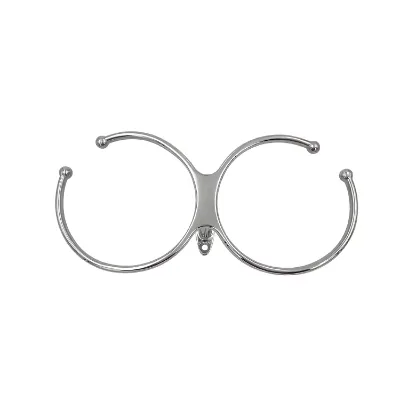


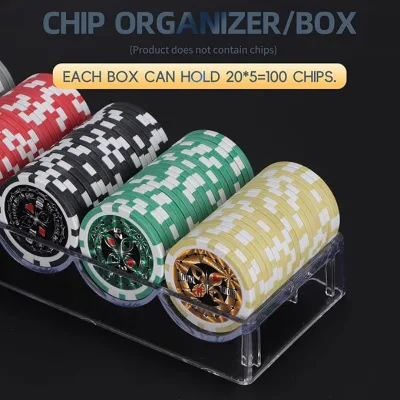
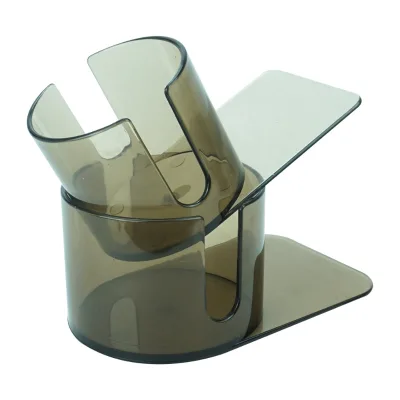
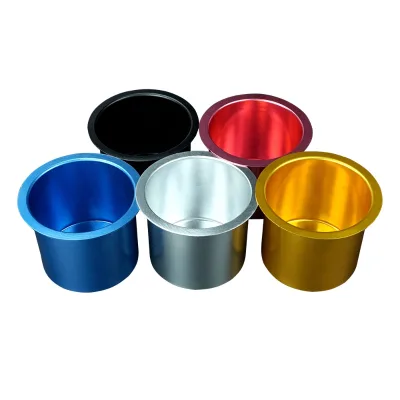
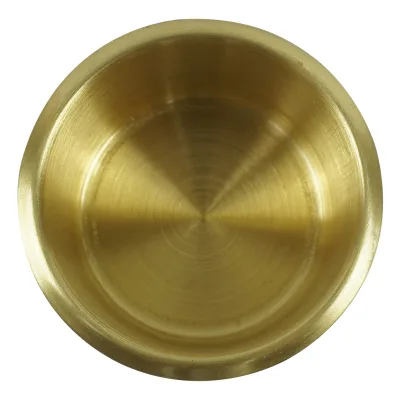
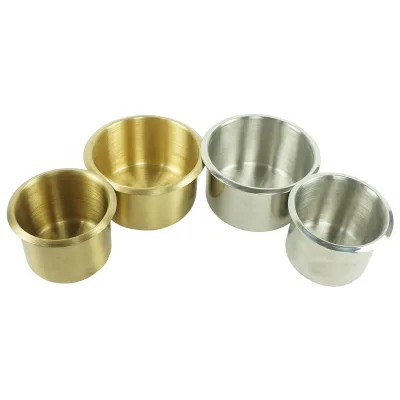

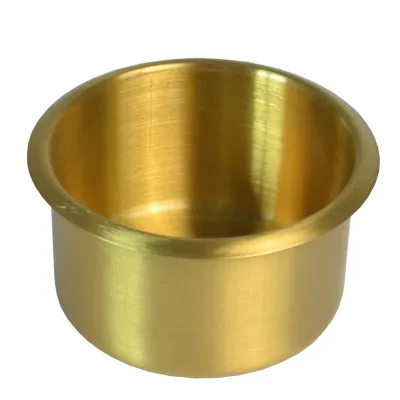


Professional Poker Table with Cup Holders and Chip Trays Durable Casino Style
$799.00 - $1398.00
MOQ: 1 Pieces


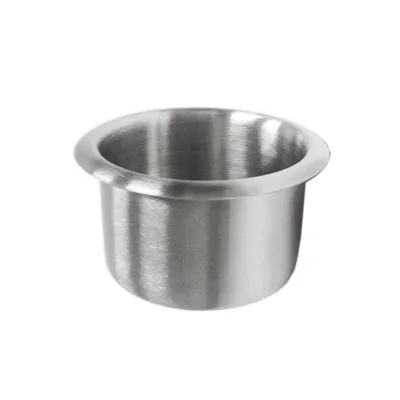
Comprehensive Sourcing Guide
Double Layer Casino Drink Holder Sourcing Guide
Sourcing beverage holders for casino environments requires a nuanced understanding of both functional durability and aesthetic integration. These accessories are not merely utilitarian items but critical components of the gaming floor experience, designed to withstand high-frequency use while maintaining a premium appearance. Buyers must recognize that the market for these products is diverse, ranging from simple plastic inserts to complex stainless steel fixtures, each serving different operational needs. The decision to source double-layer units often stems from a need to maximize table space efficiency, allowing players to keep multiple beverages within reach without cluttering the felt or disrupting gameplay. This guide provides a structured approach to evaluating suppliers, verifying technical specifications, and ensuring that the selected drink holders meet the rigorous demands of professional gaming venues.
The procurement process for casino accessories involves more than just selecting a product based on price. It requires a comprehensive evaluation of material integrity, customization capabilities, and supplier reliability. In the context of double-layer drink holders, buyers must assess how well the product integrates with existing table designs and whether it can endure the physical stresses of a busy casino floor. This includes resistance to spills, impact from dropped items, and the constant friction of glass and bottle bases. By focusing on evidence-based verification and clear commercial terms, procurement teams can mitigate risks associated with quality inconsistencies and supply chain disruptions. The following sections detail the specific considerations necessary to make informed sourcing decisions that align with both operational efficiency and brand standards.
Product Scope and Observed Listing Signals
The observed market data indicates a broad spectrum of products categorized under gaming accessories, with specific models like YM-DH03 and YM-DH04 pointing towards dedicated drink holder solutions. These items are primarily constructed from plastic or stainless steel, materials chosen for their balance of cost, weight, and durability. The presence of models with specific dimensions, such as 24.215.510.2cm for plastic variants and 18813026mm for others, suggests that buyers must carefully match the holder’s footprint to the table’s cutout or mounting specifications. The material distinction is critical; plastic options may offer lighter weight and lower initial cost, while stainless steel variants provide superior longevity and a more premium aesthetic suitable for high-roller areas. Buyers should verify the exact material composition for each SKU, as mixing materials within a single order can lead to inconsistencies in appearance and performance.
Customization is a significant feature observed in the current listings, with many suppliers offering tailored solutions for branding and functional adjustments. This includes options for custom logos, color matching, and specific dimensional adjustments to fit unique table designs. The availability of customization allows casinos to maintain a cohesive visual identity across their gaming floors, ensuring that accessories do not detract from the overall ambiance. However, buyers must be aware that customization often impacts production lead times and minimum order quantities (MOQs). While some standard items may have low MOQs, customized versions typically require higher volume commitments to justify the setup costs for tooling and design adjustments. Understanding these trade-offs is essential for planning inventory levels and managing cash flow effectively.
Technical Specifications to Verify
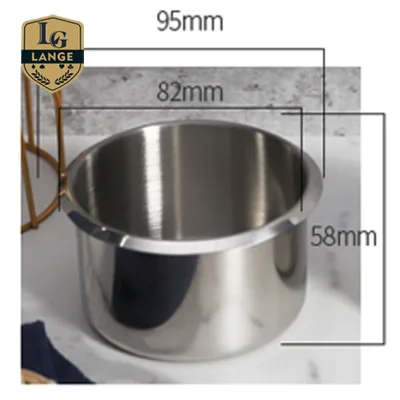
When evaluating double-layer drink holders, precise dimensional accuracy is paramount to ensure seamless integration with casino tables. Buyers must verify the internal and external dimensions of the holder to guarantee a snug fit that prevents wobbling or shifting during play. The observed specifications for models like YM-CT16 and YM-PS01 highlight the importance of checking length, width, and height parameters, as even minor deviations can result in installation failures or aesthetic mismatches. Additionally, the weight of the unit, such as the 530g observed for certain models, influences stability and ease of cleaning. Heavier units may offer better stability but could complicate maintenance routines, while lighter units might be more prone to displacement. Procurement teams should request detailed technical drawings or physical samples to validate these dimensions before committing to large orders.
Material properties and surface finishes are equally critical factors that influence the longevity and maintenance of drink holders. Stainless steel options, such as those indicated by model YM-AH01, often feature corrosion-resistant coatings that are essential in environments where spills are frequent. Buyers should inquire about the specific grade of stainless steel and the type of finish applied, as these factors determine resistance to scratches, stains, and chemical cleaners. For plastic models, the type of polymer used affects clarity, flexibility, and resistance to cracking under temperature fluctuations. It is also important to verify the packaging standards, such as carton box or individual box packaging, to ensure that products arrive without damage. Proper packaging not only protects the product during transit but also simplifies inventory management and storage at the casino facility.
Compliance and Safety Documentation
Safety compliance is a non-negotiable aspect of sourcing casino accessories, particularly those that come into direct contact with beverages and are used in high-traffic areas. Buyers must ensure that all materials used in the construction of drink holders are food-safe and free from harmful chemicals such as BPA or phthalates. This is especially relevant for plastic components, which may be exposed to heat from hot beverages or acidic drinks. Suppliers should provide material safety data sheets (MSDS) or certificates of compliance to verify that their products meet international food-contact standards. Additionally, the structural integrity of the holder must be assessed to prevent sharp edges or unstable components that could pose a risk to players or staff. Verifying these safety credentials helps mitigate liability risks and ensures a safe environment for all users.
Environmental and regulatory compliance also plays a role in the sourcing decision, particularly for casinos operating in regions with strict waste management and sustainability regulations. Buyers should inquire about the recyclability of the materials used and whether the supplier adheres to any environmental management systems. While specific certifications were not explicitly listed in the observed data, it is prudent to ask suppliers about their adherence to ISO 14001 or similar standards. Furthermore, the packaging materials should be evaluated for their environmental impact, with a preference for recyclable or biodegradable options where possible. By prioritizing suppliers who demonstrate a commitment to sustainability, casinos can align their procurement practices with broader corporate social responsibility goals and appeal to environmentally conscious patrons.
Cost Drivers and Commercial Terms
The cost of double-layer drink holders is influenced by several key factors, including material selection, customization requirements, and order volume. Stainless steel units typically command a higher price point due to the cost of raw materials and the complexity of manufacturing processes, such as welding and polishing. Plastic alternatives are generally more cost-effective but may require more frequent replacement due to wear and tear. Customization adds another layer of cost, as it involves design work, tooling, and potentially longer production runs. Buyers should request detailed quotations that break down these costs to understand the true value proposition of each option. It is also important to consider the total cost of ownership, which includes maintenance, replacement, and disposal costs over the product’s lifecycle.
Commercial terms, including minimum order quantities (MOQs) and production lead times, significantly impact procurement planning. The observed MOQs range from 1 to 5000 units, offering flexibility for both small-scale replacements and large-scale outfitting projects. However, buyers must be aware that lower MOQs may come with higher per-unit costs, while larger orders can leverage economies of scale. Production lead times, such as the observed "Within 7 Workdays" for some items, are crucial for managing inventory levels and avoiding stockouts. Buyers should negotiate clear delivery schedules and penalties for delays to ensure that their operational needs are met. Additionally, payment terms and warranty policies should be carefully reviewed to protect against defects and ensure long-term supplier reliability.
Supplier Qualification and Quality Control
Supplier qualification is a critical step in ensuring the reliability and consistency of the sourced drink holders. Buyers should conduct thorough due diligence on potential suppliers, verifying their business licenses, manufacturing capabilities, and quality management systems. This includes assessing their production facilities for cleanliness, organization, and adherence to safety standards. Suppliers with a proven track record in the gaming industry are preferable, as they are likely to have a deeper understanding of the specific requirements and challenges associated with casino accessories. Requesting references from existing clients can provide valuable insights into the supplier’s performance, responsiveness, and ability to meet deadlines. Building a relationship with a qualified supplier helps establish a foundation for long-term collaboration and mutual growth.
Quality control measures must be rigorously enforced to ensure that every unit meets the specified standards. Buyers should implement a comprehensive inspection plan that includes pre-production samples, in-process checks, and final random inspections. This plan should define clear acceptance criteria for dimensions, material quality, surface finish, and packaging integrity. For customized orders, it is essential to verify that the branding and design elements are accurately reproduced. Suppliers should be required to provide inspection reports and photos of the production process to maintain transparency. Additionally, establishing a clear process for handling defects and returns is crucial for maintaining quality standards and protecting the buyer’s interests. Regular audits and performance reviews can help identify areas for improvement and ensure continuous quality enhancement.
Long-Term Procurement Checks
Long-term procurement success depends on establishing a robust framework for ongoing supplier evaluation and product performance monitoring. Buyers should regularly review supplier performance metrics, including on-time delivery rates, defect rates, and responsiveness to issues. This data-driven approach allows for objective assessments of supplier reliability and helps identify potential risks before they impact operations. Regular communication with suppliers is also essential to stay informed about any changes in product design, material availability, or regulatory requirements. By maintaining an open dialogue, buyers can collaborate with suppliers to address challenges and explore opportunities for innovation and cost savings. This proactive approach fosters a partnership-based relationship that benefits both parties in the long run.
Product lifecycle management is another critical aspect of long-term procurement, involving the monitoring of product performance and the planning for future replacements. Buyers should track the durability and condition of installed drink holders to determine optimal replacement cycles and budget for future purchases. Feedback from casino staff and players can provide valuable insights into the practical performance of the products, highlighting any issues that may not have been apparent during initial testing. This feedback loop should be integrated into the procurement process to inform future purchasing decisions and drive continuous improvement. By staying attuned to market trends and technological advancements, buyers can ensure that their casino accessories remain functional, safe, and aesthetically pleasing, enhancing the overall guest experience.
FAQs
What materials are used for double layer casino drink holders?
These holders are typically made from plastic or stainless steel. Some models feature metal construction for durability, while others use plastic for lightweight handling. The specific material depends on the product model selected for your needs.
Can these drink holders be customized for branding?
Yes, customization is available for many models in this category. Buyers can request specific designs or logos, though some items like the YHcup are non-customized. Check the specific product model to confirm customization options before ordering.
What is the typical lead time for production?
Production lead time is generally within 7 workdays for available items. This timeframe applies to standard manufacturing processes for products like the YM-PS01 model. Expedited options may vary based on order volume and specific supplier capabilities.
Which specifications are standard for these drink holders?
Standard specifications vary by model, with dimensions ranging from 51mm to 270mm in length. Some models have specific weights like 530g or 845g. Packaging is often provided in carton boxes or individual boxes depending on the item type.
How many units are required for a minimum order?
Minimum order quantities range from 2 sets to 5000 units depending on the supplier. Specific models like YM-PA01 may require 2 sets as a baseline. Buyers should verify the exact MOQ for their chosen product model before finalizing the purchase.
Where are these products manufactured?
These products originate from Mainland China, with specific manufacturing hubs in Guangzhou. The origin is consistently listed as China for the available models. Buyers can expect supply chains to be based in these established manufacturing regions.
Are these drink holders suitable for home use?
Yes, they are designed for use in homes, chess-and-card rooms, and casinos. The application scope includes entertainment settings requiring durable drink storage. They are suitable for adult use and can accommodate various beverage types in social environments.