Source Double Row Spherical Forklift Bearings for Heavy Machinery
Find and compare Double Row Spherical Forklift Bearings from 30 verified listings. Evaluate specifications such as bearing steel construction, high precision ratings, and large bearing capacity for engineering hydraulic cylinders and water conservancy machinery applications.
Key considerations
Products List


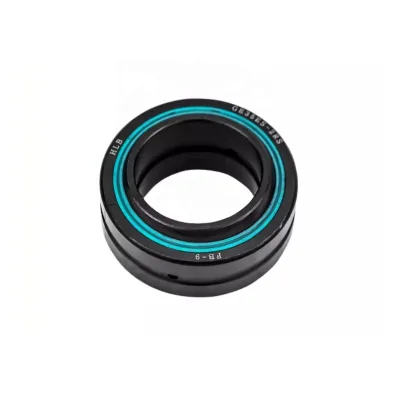
High Quality 40X115X30 Bearing Forklift Bearing 40*115*30mm Bearing Forklift
$0.08 - $0.21
MOQ: 1000 Pieces


Comprehensive Sourcing Guide
Double Row Spherical Forklift Bearings Sourcing Guide
Procuring Double Row Spherical Forklift Bearings requires a nuanced understanding of both the mechanical demands of heavy-duty material handling equipment and the specific listing signals available in the global B2B marketplace. These components are critical for maintaining stability and load-bearing capacity in forklifts, particularly in applications involving engineering hydraulic cylinders and water conservancy machinery. Buyers must navigate a market where product attributes often overlap, with listings frequently describing items as "forklift bearings" while simultaneously citing technical specifications for spherical roller bearings or rod ends. The core challenge lies in distinguishing between generic industrial components and those specifically engineered for the high-vibration, high-load environments typical of forklift operations.
This guide provides a structured approach to sourcing these bearings by analyzing observed market data, technical verification steps, and commercial terms. By focusing on evidence-based procurement strategies, buyers can mitigate the risk of selecting incompatible parts that fail under operational stress. The following sections detail how to interpret product listings, verify technical specifications, ensure compliance, and establish long-term supplier relationships. The goal is to equip procurement professionals with the knowledge to make informed decisions that balance cost, quality, and reliability, ensuring that the selected bearings meet the rigorous demands of forklift maintenance and repair cycles.
Product Scope and Observed Listing Signals
The current market for Double Row Spherical Forklift Bearings presents a diverse array of product listings, often characterized by overlapping terminology and varied specifications. Observed data indicates a wide price range, from as low as $0.08 to nearly $10,000, reflecting the spectrum from small, generic components to large, specialized industrial units. Minimum Order Quantities (MOQs) also vary significantly, ranging from single units to batches of 1,000, which suggests that suppliers cater to both individual repair needs and large-scale fleet maintenance contracts. Buyers should be cautious of listings that use broad terms like "forklift bearing" without specifying the exact bearing type, as this can lead to mismatches between the ordered part and the equipment's requirements.
Specific product attributes observed in the market provide valuable clues for identification. For instance, some listings explicitly mention "double row" configurations and "spherical" or "aligning" characteristics, which are essential for accommodating misalignment in heavy machinery. Other listings highlight "high precision" and "large bearing capacity," indicating suitability for demanding applications. Additionally, the presence of "customization" options suggests that suppliers may offer tailored solutions for specific forklift models or operational conditions. Buyers should prioritize listings that provide clear, detailed specifications over those with vague descriptions, as this transparency often correlates with higher product quality and better supplier reliability.
Technical Specifications to Verify
Verifying technical specifications is paramount when sourcing Double Row Spherical Forklift Bearings, as even minor deviations can lead to premature failure and operational downtime. Key dimensions such as outer diameter, inner diameter, and width must be cross-referenced with the forklift's maintenance manual or existing bearing measurements. Observed listings often provide specific model numbers, such as "22205" or "159180," which serve as critical identifiers for compatibility. Buyers should also pay attention to the "outer dimension" classifications, such as "small (28-55mm)" or "small and medium-sized (60-115mm)," to ensure the selected bearing fits the designated space within the forklift's assembly.
Material composition and construction details are equally important for ensuring durability and performance. Bearings made from "bearing steel" are standard for their strength and resistance to wear, but buyers should verify the specific grade and heat treatment processes used. The presence of "copper and iron retainers" can influence the bearing's speed capabilities and lubrication requirements, so these details should be confirmed against the forklift's operational parameters. Additionally, the "rolling element" type, whether single or double row, must match the load requirements of the application. Double row configurations are generally preferred for forklifts due to their ability to handle combined radial and axial loads, making this a critical verification point.
Compliance and Safety Documentation
While specific certification requirements may vary by region and application, ensuring that suppliers adhere to recognized quality management standards is essential for risk mitigation. Observed listings often mention "ISO 9001" certification, which indicates that the supplier has implemented a quality management system capable of consistently providing products that meet customer and regulatory requirements. Buyers should request valid certification documents to verify the supplier's commitment to quality control and continuous improvement. Although some listings may reference other certifications like "CE," buyers should treat these as background information and focus on verifying the most relevant standards for their specific market and application.
Safety and performance documentation, such as machinery test reports and outgoing inspection videos, provide additional layers of assurance. While some listings indicate that "machinery test reports" are not available, others offer "video outgoing inspections," which can help buyers visually verify the condition and packaging of the bearings before shipment. Buyers should prioritize suppliers who provide comprehensive documentation, including material certificates and performance test data, to ensure that the bearings meet the necessary safety and performance criteria. This documentation is particularly important for high-load applications where bearing failure could result in significant safety hazards.
Cost Drivers and Commercial Terms
Understanding the factors that influence the cost of Double Row Spherical Forklift Bearings is crucial for effective budgeting and negotiation. Price variations are driven by several factors, including material quality, manufacturing complexity, and order volume. Listings with lower prices may correspond to smaller, less complex bearings or those produced with cost-effective materials, while higher prices often reflect larger, high-precision bearings with specialized features. Buyers should consider the total cost of ownership, including maintenance and replacement costs, rather than focusing solely on the initial purchase price. Investing in higher-quality bearings can lead to longer service life and reduced downtime, ultimately resulting in lower overall costs.
Commercial terms, such as MOQs, packaging, and shipping options, also play a significant role in the procurement process. Suppliers may offer different packaging options, including "standard export packages," "single boxes," or "cartons/wooden boxes/pallets," depending on the order size and shipping requirements. Buyers should negotiate terms that align with their inventory management strategies and logistical capabilities. Additionally, warranty periods, such as the "3 months" warranty observed in some listings, provide a safety net against defects but should be clearly defined in the purchase agreement. Buyers should ensure that warranty terms are comprehensive and that the supplier has a clear process for handling claims.
Supplier Qualification and Quality Control
Evaluating supplier qualification and quality control processes is essential for ensuring the reliability and consistency of Double Row Spherical Forklift Bearings. Buyers should assess suppliers based on their production capabilities, quality management systems, and track record in the industry. Suppliers with "professional level" quality grades and "high quality" product attributes are generally more reliable, but buyers should verify these claims through site audits or third-party inspections. Additionally, suppliers that offer "customization" services demonstrate flexibility and a commitment to meeting specific customer requirements, which can be a valuable asset for specialized forklift applications.
Quality control measures, such as incoming material inspections, in-process checks, and final product testing, are critical for maintaining product consistency. Buyers should inquire about the supplier's quality control protocols and request evidence of their implementation, such as inspection reports or certification documents. Suppliers that provide "video outgoing inspections" or other forms of pre-shipment verification demonstrate a commitment to transparency and quality assurance. Buyers should also consider the supplier's ability to handle returns and replacements, as this can impact the overall procurement experience and risk management strategy.
Long-Term Procurement Checks
Establishing long-term procurement checks is vital for maintaining a stable and reliable supply of Double Row Spherical Forklift Bearings. Regular performance monitoring, including tracking bearing failure rates and maintenance intervals, can help identify potential issues with specific suppliers or product batches. Buyers should maintain detailed records of bearing performance and share this feedback with suppliers to drive continuous improvement. Additionally, periodic supplier audits and performance reviews can help ensure that suppliers continue to meet quality and delivery expectations over time.
Building strong relationships with suppliers through consistent communication and collaboration can lead to better pricing, priority service, and access to new product developments. Buyers should engage in regular discussions with suppliers about market trends, technological advancements, and changing requirements to stay ahead of potential disruptions. Furthermore, diversifying the supplier base can mitigate risks associated with single-source dependencies, ensuring that alternative options are available if primary suppliers encounter issues. By implementing these long-term procurement checks, buyers can optimize their sourcing strategy and ensure the reliable operation of their forklift fleets.
FAQs
What are the key characteristics of Double Row Spherical Forklift Bearings?
These bearings feature high precision and large bearing capacity, making them suitable for demanding forklift applications. They are constructed from bearing steel with copper and iron retainers to ensure durability. The design allows for self-aligning capabilities, which helps accommodate misalignment in engineering hydraulic cylinders and water conservancy machinery.
Can these bearings be customized for specific machinery requirements?
Yes, customization is available for these Double Row Spherical Forklift Bearings. Buyers can request specific modifications to meet unique operational needs. The products are offered in standard export packaging or single boxes, plastic barrels, cartons, and trays, ensuring flexible delivery options for various industrial procurement scenarios.
What specifications are available for the 22205 model?
The 22205 model is a small-sized bearing with an outer dimension ranging from 28 to 55mm. It is manufactured from bearing steel and features a double-row spherical design. This specification ensures robust performance in heavy-duty environments, providing reliable support for forklift components and other industrial machinery applications.
Which applications are these bearings designed for?
These bearings are primarily designed for engineering hydraulic cylinders and water conservancy machinery. They are also widely used in forklifts due to their high precision and large bearing capacity. The spherical design allows for alignment adjustments, ensuring smooth operation and extended service life in challenging mechanical environments.
What is the origin and quality grade of these bearings?
These bearings originate from China, specifically from regions like Liaocheng, Shandong, and Zhejiang. They are classified as professional level quality grade, ensuring high reliability. The products are new condition, with a warranty of three months, and are manufactured to meet ISO 9001 standards for quality management.