Find Double Screw Pump for Sewerage, Food, and Chemical
Source 30 Double Screw Pump options from verified Chinese manufacturers. Buyers can compare models like XS13 and CLWX102-36, noting variations in suction methods, materials, and certifications such as CE and ISO for industrial applications.
Key considerations
Products List


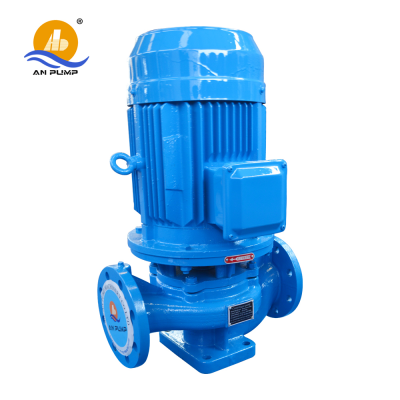


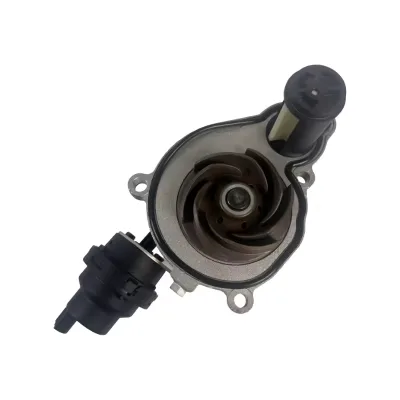
Comprehensive Sourcing Guide
Double Screw Pump Sourcing Guide
Sourcing double screw pumps requires a nuanced understanding of their unique hydrodynamic advantages, particularly their ability to handle viscous, shear-sensitive, and abrasive fluids with minimal pulsation. Unlike single-screw or gear pumps, double screw configurations offer a self-priming capability and a smooth, non-pulsating flow, making them ideal for demanding industrial applications such as sewerage treatment, food processing, and chemical handling. Buyers must recognize that these pumps are not a monolithic category; they vary significantly in shaft orientation, suction methods, and material construction, which directly impacts their suitability for specific process environments.
The procurement landscape for these pumps is characterized by a wide range of customization options and material standards, primarily originating from manufacturing hubs in China, including Zhejiang and Shanghai. Suppliers often provide models ranging from standard industrial designs to specialized variants tailored for oil transfer or corrosive chemical environments. Understanding the specific operational parameters of your application is critical before engaging with suppliers, as the choice between horizontal and vertical shaft positions, or single versus double suction methods, will dictate the pump’s efficiency, maintenance requirements, and overall lifecycle cost.
Product Scope and Observed Listing Signals
The market for double screw pumps presents a diverse array of product listings, with observed price points ranging from $1 to $100,000 USD and minimum order quantities (MOQs) typically starting at just one unit. This broad spectrum indicates that buyers can source both small-scale, specialized units and large, heavy-duty industrial systems without being locked into high-volume commitments. The availability of customization is a key signal in this market, allowing buyers to tailor pump specifications to their exact process needs, whether that involves adjusting flow rates, pressure capabilities, or material compatibility.
Listing signals also reveal a variety of packaging and shipping standards, from export boxes to marine wooden cases, reflecting the varying sizes and weights of the equipment. Buyers should note that while some listings emphasize standard export packaging, others specify heavy-duty wooden cases, which is crucial for protecting precision-engineered components during international transit. The presence of multiple model numbers, such as XS13, XS11, and CLWXB series, suggests that suppliers offer modular or series-based product lines, enabling buyers to select a base model that can be adapted with specific materials or configurations to meet their technical requirements.
Technical Specifications to Verify
When evaluating double screw pumps, the first technical distinction to verify is the screw suction method, as listings may indicate either single or double suction configurations. Double suction designs typically offer balanced axial forces and higher flow capacities, making them suitable for high-volume applications, while single suction models may be preferred for specific pressure requirements or space-constrained installations. Buyers must confirm the exact suction method for their intended application, as this choice directly affects the pump’s hydraulic performance, efficiency, and the load placed on the bearings and shaft.
Another critical specification is the pump shaft position, which can be either horizontal or vertical, depending on the installation footprint and piping layout. Horizontal shaft pumps are common in standard industrial settings, while vertical configurations may be necessary for sump applications or where floor space is limited. Additionally, the material of construction is a vital consideration, with options ranging from carbon steel and ductile iron to various grades of stainless steel. Buyers should verify the specific alloy or steel type to ensure compatibility with the fluid being pumped, especially in corrosive or hygienic environments like food processing or chemical handling.
Compliance and Safety Documentation
Compliance with international standards is a non-negotiable aspect of sourcing double screw pumps, particularly for applications in regulated industries such as food and chemical processing. Buyers should verify that the supplier holds relevant certifications, such as CE, ISO, and potentially API or DNV, which indicate adherence to specific design, manufacturing, and quality management standards. The presence of these certifications suggests that the pump has been tested and validated against recognized safety and performance benchmarks, reducing the risk of operational failures or regulatory non-compliance in the end-user’s facility.
Safety features and design standards also play a crucial role in the selection process, with some pumps featuring heating jackets or safety valves to manage temperature and pressure extremes. Buyers must ensure that the pump’s design standard, whether it be DIN, ISO, or API, aligns with their local regulatory requirements and internal safety protocols. It is essential to request documentation that confirms the pump’s compliance with these standards, including material test reports and design calculations, to verify that the equipment can safely handle the intended operating conditions without risk of leakage or mechanical failure.
Cost Drivers and Commercial Terms
The cost of a Double Screw Pump is influenced by several factors, including the material of construction, the complexity of the design, and the level of customization required. Pumps made from high-grade stainless steel or specialized alloys for corrosive applications will naturally command a higher price than those made from carbon steel. Additionally, features such as heating jackets, specific safety valves, or custom packing configurations can add to the overall cost, so buyers should clearly define their non-negotiable requirements to avoid paying for unnecessary features.
Commercial terms, including warranty and spare parts availability, are also significant cost drivers that should be evaluated during the procurement process. A standard one-year warranty is common, but buyers should clarify the scope of coverage and the process for claiming warranty services. Furthermore, the availability and cost of spare parts, such as rotors, stators, and link shafts, should be considered, as these components will require periodic replacement. Buyers should negotiate for favorable terms on spare parts packages to ensure long-term operational continuity and minimize downtime costs.
Supplier Qualification and Quality Control
Supplier qualification is a critical step in the sourcing process, requiring buyers to assess the manufacturer’s production capabilities, quality control systems, and track record. Buyers should verify the supplier’s adherence to quality management standards, such as ISO 9001, and inquire about their internal testing procedures for finished pumps. This includes checking for leak tests, performance curve validations, and material certifications to ensure that each unit meets the specified technical requirements before shipment.
Quality control should also extend to the packaging and shipping process, as improper handling can damage sensitive pump components. Buyers should review the supplier’s packaging standards, ensuring that pumps are packed in suitable wooden cases or export boxes that protect against moisture, shock, and vibration during transit. Requesting photos or videos of the packing process can provide additional assurance that the supplier takes care in preparing the equipment for international shipping, reducing the risk of damage upon arrival.
Long-Term Procurement Checks
Long-term procurement success depends on establishing a reliable supply chain for spare parts and technical support. Buyers should confirm the availability of critical spare parts, such as rotors, stators, and rotary shafts, and ensure that the supplier can provide these components promptly when needed. This is particularly important for pumps used in continuous process applications, where downtime can result in significant production losses. Establishing a framework for regular maintenance and part replacement can help extend the lifespan of the pump and maintain its performance over time.
Finally, buyers should consider the supplier’s ability to provide ongoing technical support and customization services. As process requirements evolve, the ability to modify or upgrade existing pumps can be valuable. Buyers should assess the supplier’s engineering capabilities and their willingness to collaborate on custom solutions, ensuring that they can meet future needs without having to source from a different provider. Building a strong relationship with a qualified supplier can lead to better pricing, priority service, and improved product quality over the long term.
FAQs
What certifications do double screw pumps have?
Double screw pumps typically carry CE and ISO certifications. Some models also include API, Dnv, UL, and Iqnet certificates depending on the manufacturer and specific application requirements for industrial safety.
Which materials are used for double screw pumps?
Manufacturers use various materials including carbon steel, ductile iron, and stainless steel. Some units are constructed from various steel types to ensure durability against corrosion and wear in chemical or food applications.
Can double screw pumps be customized for specific needs?
Yes, customization is available for these pumps to meet unique operational requirements. Buyers can request specific configurations for suction methods, shaft positions, or packing types like plywood or marine wooden cases.
What is the warranty period for double screw pumps?
The standard warranty period for these pumps is one year. This coverage typically applies to manufacturing defects and ensures reliability for applications in sewerage treatment, food processing, and chemical industries.
How are double screw pumps packed for export?
Pumps are packed in plywood cases, export boxes, or standard export wooden cases. Marine wooden cases are also used for heavy-duty shipping to ensure protection during international transport from China.
What are the common applications for double screw pumps?
These pumps are widely used in sewerage treatment, food processing, and chemical industries. Their design supports handling various fluids with high wear resistance and corrosion protection for demanding industrial environments.