Source Double Toothed Roller Crusher for Mining Stone Rock
Compare 30 Double Toothed Roller Crusher models from Zhengzhou suppliers. These machines feature AC motors, high efficiency, and capacities up to 40 tons per hour for crushing coal, limestone, and rock; compare the available evidence and request quotations based on your requirements.
Key considerations
Products List


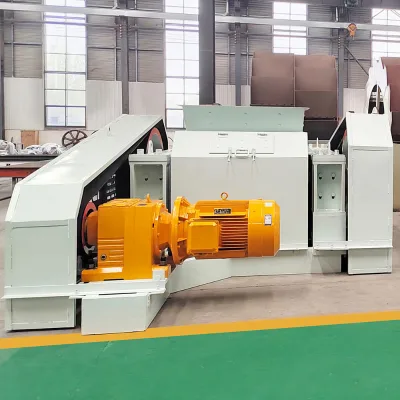


Double Toothed Roller Coal Sizing/Sizer Crusher for Raw Coal Crushing
$30000.00 - $50000.00
MOQ: 1 Pieces


Durable Double Roll Crusher Toothed Roller Crusher for Construction Waste
$37000.00 - $37500.00
MOQ: 1 Pieces

Customizable Double Toothed Roll Crusher for Coal/ Sand Mining Stone Crushing
$37000.00 - $37500.00
MOQ: 1 Pieces


Heavy Duty Double Toothed Roller Crusher for Coke, Coal and Limestone
$37000.00 - $37500.00
MOQ: 1 Pieces


Ore Grinding Application and Roller Crusher Toothed Double Roller Crusher 2pg400*250
$5800.00 - $22600.00
MOQ: 1 Pieces

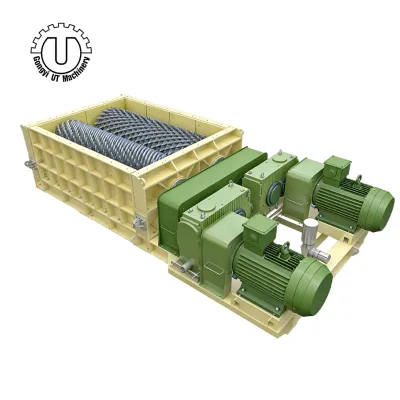

High Quality Toothed Roller / Gear Roller for Crusher and Conveyor System
$99.00 - $9999.00
MOQ: 1 Pieces
Comprehensive Sourcing Guide
Double Toothed Roller Crusher Sourcing Guide
Procuring a Double Toothed Roller Crusher requires a strategic approach to balancing throughput capacity with particle size reduction efficiency. These machines are specifically engineered for medium-hardness materials, leveraging the shearing and crushing action of interlocking toothed rollers to achieve precise sizing. Buyers must prioritize equipment that aligns with their specific feed material characteristics, such as coal or limestone, to ensure optimal operational performance. The selection process involves evaluating the mechanical design, motor configuration, and structural integrity to prevent premature wear and maintain consistent output quality.
Understanding the market landscape is essential for securing competitive pricing and reliable supply chains. Listings often highlight high-efficiency models with low energy consumption, which are critical for minimizing long-term operational costs. Sourcing guides emphasize the importance of verifying technical specifications against actual production needs, including inlet and outlet dimensions, to avoid bottlenecks in the crushing circuit. By focusing on verified supplier capabilities and transparent commercial terms, buyers can mitigate risks associated with equipment failure and ensure a smooth integration into their existing mining or processing operations.
Product Scope and Observed Listing Signals
The observed product range includes various models designed for crushing stone, rock, and other medium-hard materials, with specific applications in mining environments. Listings indicate a capacity range of 15-40 tons per hour, suggesting these units are suitable for small to medium-scale operations. The product names often reference carbon crushing equipment or double teeth coarse crusher series, highlighting their specialized function in reducing material size efficiently. Buyers should note that while some listings mention specific models like PG or 2PLF series, the exact configuration may vary based on the supplier’s current inventory and customization options.
Market signals reveal a strong emphasis on high productivity and low energy consumption as key selling points. Suppliers frequently advertise advanced technology and high efficiency, which are critical for maintaining profitability in competitive industries. The observed price range is broad, reflecting differences in motor power, roller dimensions, and material construction. It is important for buyers to recognize that these figures are indicative and subject to negotiation, as many suppliers offer competitive pricing structures. Understanding these signals helps buyers set realistic expectations regarding performance metrics and total cost of ownership.
Technical Specifications to Verify
Verifying technical specifications is crucial to ensure the crusher meets your operational requirements. Key parameters to confirm include the inlet and outlet sizes, which directly impact the feed material compatibility and final product granularity. For instance, some models feature an inlet size of 150×750mm and an outlet size ranging from 18-48mm, allowing for controlled particle size distribution. Buyers must also verify the motor power and type, as AC motors with varying kilowatt ratings, such as 11-75kw or higher, determine the machine’s crushing force and throughput capacity.
Dimensional and weight specifications are equally important for logistical planning and installation. The equipment weight, often around 500kg for smaller units, affects foundation requirements and transportation costs. Additionally, the model number and dimension details should be cross-referenced with the supplier’s technical drawings to ensure accuracy. Buyers should inquire about the specific roller configuration and tooth design, as these elements influence the crushing mechanism’s efficiency and wear resistance. Confirming these details prevents mismatches between expected and actual performance, ensuring the equipment integrates seamlessly into your processing line.
Compliance and Safety Documentation
Ensuring compliance with safety and operational standards is a fundamental aspect of sourcing industrial crushing equipment. Buyers should request documentation that verifies the machine’s adherence to relevant electrical and mechanical safety regulations. Although specific certification names may vary by region, suppliers often indicate that their products meet export standards, which typically encompass rigorous safety protocols. It is essential to confirm that the electrical components, including the motor and control systems, are certified for safe operation in industrial environments, particularly in potentially hazardous areas like mines.
Documentation should also include detailed operation and maintenance manuals that outline safety procedures and emergency protocols. These manuals are vital for training staff and ensuring safe handling of the equipment during installation and daily use. Buyers must verify that the supplier provides comprehensive guidelines for routine inspections and maintenance tasks to prevent accidents and extend the machine’s lifespan. Additionally, confirming the availability of safety guards and interlock systems is crucial to protect operators from moving parts. Proper documentation not only ensures regulatory compliance but also enhances workplace safety and operational reliability.
Cost Drivers and Commercial Terms
Several factors influence the total cost of acquiring a Double Toothed Roller Crusher, with motor power and material construction being primary drivers. Higher motor power ratings, such as 160kw or 280kw, typically command higher prices due to increased energy consumption and robust construction requirements. The choice of materials, such as high-quality steel for rollers and frames, also impacts cost, as these materials offer greater durability and resistance to wear. Buyers should evaluate the trade-off between initial investment and long-term maintenance costs to determine the most cost-effective option for their specific application.
Commercial terms, including pricing flexibility and delivery timelines, play a significant role in the procurement process. Many suppliers offer competitive and negotiable prices, allowing buyers to secure better deals through direct discussion. Delivery times, often around 30 working days, should be factored into project planning to avoid delays. Additionally, buyers should inquire about packaging standards, such as export-standard packaging, to ensure safe transportation and minimize the risk of damage during transit. Understanding these commercial dynamics helps buyers negotiate favorable terms and manage their budget effectively.
Supplier Qualification and Quality Control
Evaluating supplier qualifications is essential to ensure the reliability and quality of the purchased equipment. Buyers should prioritize suppliers who offer comprehensive after-sales support, including a 24-hour service hotline and lifetime operation time guarantees. These services indicate a commitment to customer satisfaction and long-term partnership. Additionally, suppliers who welcome factory visits demonstrate transparency and confidence in their manufacturing processes, allowing buyers to inspect production facilities and quality control measures firsthand.
Quality control practices, such as video outgoing inspections, provide buyers with visual confirmation of the machine’s condition before shipment. This step helps identify any potential defects or issues early in the process, reducing the risk of receiving substandard equipment. Buyers should also verify the availability of spare parts, as timely access to components like motors and bearings is crucial for minimizing downtime. Suppliers who offer anytime spare parts supply demonstrate a robust support network, ensuring that maintenance needs are met promptly. These factors collectively contribute to a reliable procurement experience and sustained operational efficiency.
Long-Term Procurement Checks
Establishing long-term procurement checks is vital for maintaining the performance and longevity of the crushing equipment. Buyers should implement regular maintenance schedules based on the supplier’s recommendations to prevent premature wear and tear. This includes routine inspections of critical components such as rollers, bearings, and motors, which are identified as core parts of the machine. By adhering to a structured maintenance plan, buyers can extend the equipment’s lifespan and ensure consistent crushing efficiency over time.
Continuous monitoring of operational metrics, such as throughput and energy consumption, helps identify deviations from expected performance. Buyers should compare actual performance data against initial specifications to detect any declines in efficiency or increases in energy usage. Regular communication with the supplier for technical support and updates on best practices is also essential. By staying informed about maintenance techniques and operational improvements, buyers can optimize their crushing operations and maximize the return on their investment in double toothed roller crushers.
FAQs
What is the capacity range for the Double Toothed Roller Crusher?
The capacity ranges from 15 to 40 tons per hour. This equipment is designed for efficient crushing of stone, rock, and coal. The specific output depends on the selected model, such as the 2PG series. Buyers should verify the exact tonnage against their production requirements before ordering to ensure optimal performance.
Can the Double Toothed Roller Crusher be customized for specific needs?
Yes, customization is available for this machinery. Buyers can request specific colors and model dimensions to fit their site. The product origin is Zhengzhou, China, and the brand is Baichy. Customization options allow for tailored solutions, ensuring the equipment meets particular operational standards and spatial constraints at the mining or quarry site.
What is the warranty period for the Double Toothed Roller Crusher?
The warranty period is one year. This covers core components like the motor and bearing. The supplier provides a 24-hour service hotline for support. Additionally, spare parts are supplied anytime to ensure long-term operation. This warranty structure helps minimize downtime and supports the high productivity claims of the equipment.
How much does the Double Toothed Roller Crusher cost?
The price is competitive and open to discussion. The observed price range is between 99 and 500,000 USD. The minimum order quantity is one unit. Buyers should contact suppliers directly to negotiate pricing based on the specific model, such as the 2PG series, and the required power specifications, which range from 11 to 280 kW.
What is the lead time for delivery of the Double Toothed Roller Crusher?
The delivery time is typically 30 working days. This timeframe applies to the manufacturing and preparation of the unit. The product is packed in export standard packaging to ensure safe transit. Buyers should plan their procurement schedule accordingly, considering this lead time alongside any customization requirements or specific model selections from the available range.
Which models are available for the Double Toothed Roller Crusher?
Available models include the 2PG series, such as 2PG-400X350 and 2PG-1000x1000. Other variants include the 2PLF100/200 and KL-2PGS2000. The inlet size varies, with some models featuring 150x750mm or 150x250mm openings. Buyers should select the model that matches their required outlet size, which ranges from 18 to 48mm, for their specific material.