Source Double Twist Candy Packaging Machine for Tea, Snack, Chocolate
Find and compare 30 Double Twist Candy Packaging Machine models from Chinese manufacturers. Evaluate options for tea, snack, and chocolate applications, noting varying speeds, materials, and CE certification standards to select the right automatic forming, filling, and sealing solution.
Key considerations
Products List


Candy Packing Machine & Automatic Cutting and Double Twist Packing Machine
$26000.00 - $28000.00
MOQ: 1 Set


Milk Candy Paper Film Double Twist Wrapping Machine / Toffee Candy Double Twist Packer
$9300.00 - $11500.00
MOQ: 1 Pieces

Double Twisit Toffee Candy Wrapper Machine / Candy Wrapping Machine
$9300.00 - $11500.00
MOQ: 1 Pieces
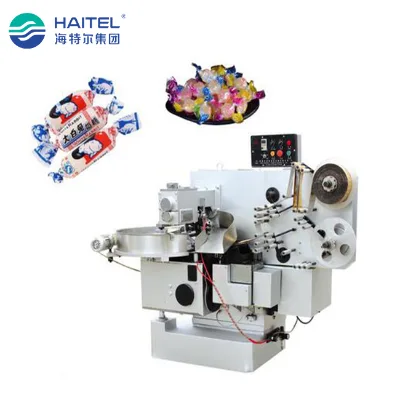
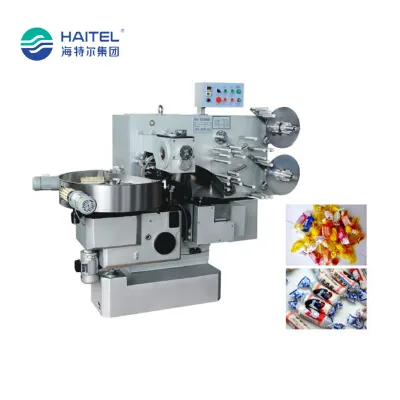
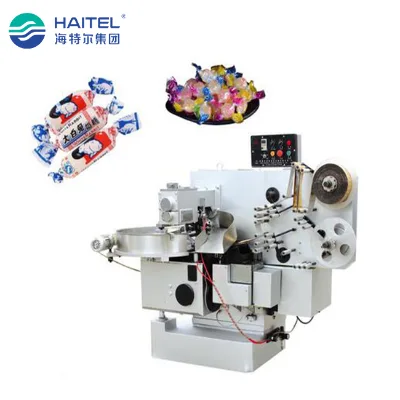

High-Efficiency Double Twist Candy Packaging Machine for Sale
$8000.00 - $11000.00
MOQ: 1 Pieces
Xingjunyao Intelligent Packaging Technology (Taizhou) Co., Ltd

Automatic Candy Double Twist Packing Machine Chocolate Double Twist Wrapping Machine
$8000.00 - $15000.00
MOQ: 1 Sets


Comprehensive Sourcing Guide
Double Twist Candy Packaging Machine Sourcing Guide
Selecting the right Double Twist Candy Packaging Machine requires a careful balance of mechanical precision, material compatibility, and operational efficiency. This guide synthesizes observed market data and technical specifications to help procurement teams navigate the complexities of sourcing these specialized packaging systems. By focusing on verified attributes such as forming functions, sealing types, and material grades, buyers can make informed decisions that align with their production capacity and quality standards.
The following sections provide a structured approach to evaluating suppliers and machines. We examine product scope, technical verification points, compliance requirements, cost structures, supplier qualifications, and long-term maintenance considerations. Each section is designed to offer actionable insights, ensuring that your procurement strategy is grounded in factual evidence and industry best practices rather than speculative claims.
Product Scope and Observed Listing Signals
The market for double twist candy packaging machines reveals a diverse range of models, each tailored to specific production needs and product dimensions. Observed listings indicate a significant variation in pricing, ranging from approximately $100 to $69,000 USD, which reflects differences in automation levels, build quality, and brand reputation. The minimum order quantity (MOQ) is consistently observed at one unit, suggesting that these machines are typically sold as individual capital equipment rather than bulk commodities. This structure allows small to medium-sized enterprises to enter the market without committing to large-scale inventory purchases.
Key product attributes observed in the market include the use of composite materials and film for packaging, with a strong emphasis on automatic grade operations. The forming function is primarily categorized as "Bag Moulding," which is essential for creating the individual wrappers for candies and chocolates. Additionally, the sealing type is predominantly "Double Twist," a method that ensures a secure and aesthetically pleasing finish for confectionery products. These machines are often driven by electric motors and are designed to handle applications such as snacks, tea, candy, and chocolate, indicating their versatility across different food categories.
Technical Specifications to Verify
When evaluating technical specifications, it is crucial to verify the machine's capacity and dimensional compatibility with your product. Observed models such as the SGM-S820 and SGM-650 offer packing speeds ranging from 20 to 350 bags per minute, depending on the specific configuration and product type. Buyers must ensure that the machine's speed aligns with their production targets, as higher speeds may require more robust maintenance and skilled operation. Additionally, the product dimensions, including length, width, and thickness, must fall within the machine's operational limits to prevent jams or misalignment during the packaging process.
Material compatibility is another critical technical aspect to verify. The wrapping materials supported by these machines include cellophane, PVC, polypropylene, and waxed paper, each with distinct properties regarding clarity, barrier protection, and cost. For instance, some models specify power consumption for different materials, such as 2 kW for cellophane, PVC, and polypropylene, which impacts operational energy costs. Furthermore, the net weight of the machine, observed at around 900 kg for certain models, indicates the need for adequate floor space and structural support in the production facility. Buyers should also check the product model numbers, such as MG-800, RNJ-6, SNB-300, and BBJ-II, to understand the specific capabilities and features of each variant.
Compliance and Safety Documentation
Compliance with international standards is a non-negotiable aspect of sourcing packaging machinery, particularly for food-grade applications. The CE mark is a common certification observed in the market, indicating that the machine meets European health, safety, and environmental protection standards. Buyers should request valid CE certificates and verify that the documentation is up-to-date and corresponds to the specific model being purchased. Additionally, ISO certifications, such as ISO 9001, may be referenced by suppliers, suggesting adherence to quality management principles. However, buyers should treat these as background indicators rather than guaranteed assurances, and request direct proof of certification from the manufacturer.
Safety features and operational protocols are equally important to verify. The machines are designed with automatic grade operations, which implies the presence of safety interlocks and emergency stop mechanisms. Buyers should inquire about the specific safety standards incorporated into the design, such as guardrails, light curtains, or pressure-sensitive mats, to ensure operator protection. Furthermore, the warranty period, often observed as one year, should be clearly defined in the contract, covering both parts and labor. It is advisable to clarify the scope of the warranty, including exclusions for wear-and-tear components like seals and cutters, to avoid unexpected maintenance costs.
Cost Drivers and Commercial Terms
The cost of a Double Twist Candy Packaging Machine is influenced by several factors, including the level of automation, material handling capabilities, and brand reputation. The wide price range observed in the market, from $100 to $69,000 USD, highlights the importance of aligning budget with functional requirements. Basic models with lower packing speeds and simpler mechanisms may be more affordable, while high-speed, fully automated systems with advanced features will command a premium. Buyers should conduct a total cost of ownership analysis, considering not only the initial purchase price but also installation, training, and ongoing maintenance expenses.
Commercial terms, such as payment methods, shipping arrangements, and lead times, should be negotiated carefully. The observed packing method for these machines is typically a wooden case, which provides robust protection during transit but adds to the shipping weight and volume. Buyers should clarify whether the quoted price includes packaging, loading, and freight costs, or if these are separate line items. Additionally, the origin of the machine, often China or specific regions like Rugao City in Jiangsu Province, may impact shipping logistics and import duties. It is essential to establish clear delivery schedules and penalty clauses for delays to mitigate supply chain risks.
Supplier Qualification and Quality Control
Supplier qualification is a critical step in ensuring the reliability and performance of the purchased machinery. Buyers should verify the supplier's manufacturing capabilities, including their production facilities, quality control processes, and after-sales service network. The observed origin of many machines in China suggests a mature supply chain, but buyers should conduct due diligence to assess the supplier's reputation and financial stability. Requesting references from existing customers, particularly those in similar industries, can provide valuable insights into the supplier's reliability and product performance.
Quality control measures should be implemented throughout the procurement process, from initial sampling to final delivery. Buyers should request detailed technical drawings, material specifications, and test reports to verify that the machine meets the agreed-upon standards. Additionally, on-site inspections or third-party verification services can be employed to assess the machine's build quality and functionality before shipment. It is also advisable to establish a clear communication channel with the supplier for technical support and troubleshooting, ensuring that any issues are resolved promptly to minimize production downtime.
Long-Term Procurement Checks
Long-term procurement success depends on the machine's durability, ease of maintenance, and availability of spare parts. Buyers should inquire about the expected lifespan of key components, such as the forming rollers, sealing jaws, and drive motors, and assess the cost and lead time for replacing these parts. The observed warranty period of one year is a baseline, but buyers should consider extended warranty options or service contracts to protect their investment over the machine's operational life. Additionally, the availability of local service technicians or training programs can significantly reduce downtime and improve operational efficiency.
Continuous improvement and technological upgrades are also important considerations for long-term procurement. The packaging industry is evolving rapidly, with new materials and automation technologies emerging regularly. Buyers should evaluate the supplier's commitment to innovation and their ability to provide upgrades or retrofits for existing machines. Furthermore, staying informed about industry trends and regulatory changes can help buyers anticipate future needs and make proactive adjustments to their procurement strategy. By focusing on these long-term factors, buyers can ensure that their investment in double twist candy packaging machines remains valuable and competitive over time.
FAQs
What forming function does the Double Twist Candy Packaging Machine perform?
The machine performs forming, filling, and sealing functions to process candy products. It utilizes bag moulding techniques to create the final package structure efficiently. This capability ensures the product is properly shaped and sealed in one continuous operation.
Which sealing type is used for the Double Twist Candy Packaging Machine?
This equipment uses a double twist sealing type to secure the packaging material. The sealing process ensures a tight closure for snacks and candies. This method is standard for maintaining product freshness during transport and storage.
Can the Double Twist Candy Packaging Machine handle custom packaging requirements?
Yes, customization is available for this machine to meet specific buyer needs. Users can adjust settings for different product dimensions and packaging materials. This flexibility allows the machine to adapt to various production lines and product types.
What is the packing speed range for the Double Twist Candy Packaging Machine?
The packing speed ranges from 20 to 300 bags per minute depending on the model. Some configurations can reach up to 350 pieces per minute for specific applications. This speed ensures high throughput for industrial candy and snack production facilities.
What certifications does the Double Twist Candy Packaging Machine hold?
The machine holds CE certification and ISOCE certification for safety and quality standards. These certifications indicate compliance with international manufacturing and operational requirements. Buyers can rely on these standards for safe and efficient machine operation.
Which materials are compatible with the Double Twist Candy Packaging Machine?
The machine is compatible with composite materials, film, cellophane, PVC, polypropylene, and waxed paper. It can process solid materials wrapped in these various packaging types. This versatility supports the packaging of diverse products like candy, chocolate, and tea.
What is the warranty period for the Double Twist Candy Packaging Machine?
The machine comes with a standard one-year warranty for coverage of defects. This warranty applies to the main components and operational functions of the unit. Buyers receive support for the first year after the purchase date.