Source Double Wall Glass Coffee Tumbler for Office, Home, and Travel
Find 30 Double Wall Glass Coffee Tumbler options from China. Compare features like screen printing, decal decoration, and various capacities ranging from 80ml to 650ml. These customized, eco-friendly glass cups are suitable for office, home, and travel use; compare the available evidence and request quotations based on your requirements.
Key considerations
Products List


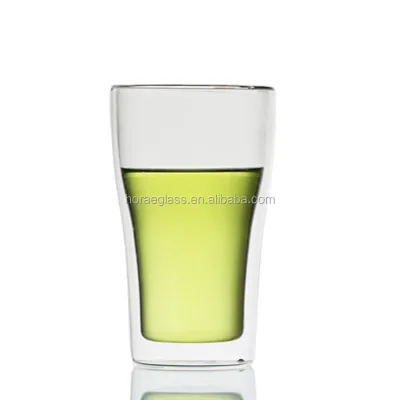


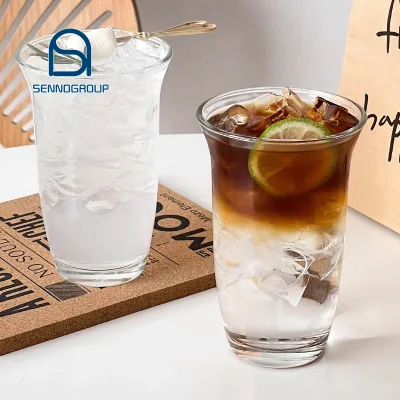

16 Oz Double Wall Stainless Steel Coffee Tumbler with Stainless Steel Straw
$2.55 - $2.65
MOQ: 3000 Pieces

Comprehensive Sourcing Guide
Double Wall Glass Coffee Tumbler Sourcing Guide
Sourcing double wall glass coffee tumblers requires a strategic balance between aesthetic appeal and functional durability, as these items serve as both premium beverage vessels and branded marketing tools. Buyers must navigate a market where customization options are abundant, ranging from screen printing to decal decoration, allowing for distinct brand identity integration. The observed product landscape indicates a strong emphasis on eco-friendly materials and creative, irregular shapes that differentiate the product in competitive retail environments. Understanding these visual and functional attributes is the first step in defining precise procurement specifications that align with target market expectations.
The procurement process is further complicated by the variety of packaging and logistical requirements inherent to fragile glass products. Suppliers offer diverse packing solutions, from simple carton packaging to more robust bubble, white box, and EPE combinations, which directly impact shipping costs and damage rates. Buyers need to evaluate not just the unit price but the total landed cost, considering how different packing methods affect palletization and container utilization. This guide provides a structured approach to evaluating suppliers, verifying technical specifications, and ensuring compliance, helping buyers mitigate risks associated with importing delicate glassware from international markets.
Product Scope and Observed Listing Signals
The current market for double wall glass coffee tumblers features a wide array of models, such as SH230323, IDAC220420-2, and IDEA-2211, each catering to different capacity and design needs. Listings frequently highlight unicolor designs with creative styles, often incorporating handles or irregular shapes to enhance user experience. The observed price range of 0.1 to 10 USD suggests a broad spectrum of quality tiers, from basic promotional items to higher-end artisanal pieces. Buyers should carefully review product attributes like "Fancy: Printed" or "Colored" to ensure the visual presentation matches their brand guidelines, as these details significantly influence consumer perception and retail shelf appeal.
Capacity and material specifications vary considerably across listings, with standard volumes ranging from 80 ml to 650 ml, and specific models offering 10 oz or 250 ml options. The primary material is consistently identified as glass, with some listings specifying clear glass or mouth-blown handmade processes that add value through craftsmanship. Buyers must verify if the product is disposable or non-disposable, as this affects sustainability claims and target audience alignment. Additionally, the availability of free samples and OEM services indicates a supplier base willing to accommodate custom orders, but buyers must distinguish between standard stock items and fully customized production runs to avoid misunderstandings regarding lead times and minimum order quantities.
Technical Specifications to Verify
Technical verification begins with confirming the structural integrity of the double wall design, which is critical for thermal insulation and heat resistance. Buyers should request detailed specifications regarding glass thickness, with observed standards including 8mm, 10mm, 12mm, and 14mm options, to ensure the product meets durability requirements for daily use. It is essential to verify if the glass is suitable for microwave, dishwasher, oven, and freezer applications, as these safety features are key selling points for modern consumers. Confirming the exact capacity, whether in milliliters or ounces, prevents discrepancies between marketing materials and the physical product, ensuring accurate inventory management and customer satisfaction.
Decoration techniques and customization capabilities are another vital area for technical verification. Listings indicate the use of screen printing and decal decoration, with options for logos and custom colors such as blue, green, pink, amber, yellow, and black. Buyers must assess the adhesion quality and durability of these decorations, especially if the product is dishwasher safe, as poor decoration can lead to rapid wear and negative reviews. Additionally, verifying the presence of accessories like handles and the specific type of glass used, whether clear or colored, ensures that the final product aligns with the intended use case, whether for hot coffee, cold juice, or cocktails.
Compliance and Safety Documentation
Compliance with international safety standards is non-negotiable for glassware imported into regulated markets. Buyers must verify that suppliers hold relevant certifications, such as LFGB, CE, EU, and CIQ, which attest to the material's safety and compliance with food contact regulations. These certifications are particularly important for products intended for commercial use or export to Europe and other strict regulatory zones. Buyers should request copies of these certificates and cross-reference them with the specific product models to ensure that the documentation covers the exact items being purchased, avoiding potential customs delays or legal liabilities associated with non-compliant goods.
Beyond certifications, buyers should inquire about the testing protocols used to validate the product's safety and performance. This includes verifying that the glass can withstand thermal shock and mechanical stress without breaking, which is crucial for double wall designs. Documentation should also cover the safety of any decorative inks or materials used in the printing process, ensuring they are non-toxic and food-safe. By maintaining a rigorous documentation checklist, buyers can protect their brand reputation and ensure that their products meet the highest safety standards, providing peace of mind to end-users and retailers alike.
Cost Drivers and Commercial Terms
Cost drivers for double wall glass coffee tumblers include material quality, decoration complexity, and packaging requirements. The observed MOQ range of 2 to 3000 units allows for flexibility, but buyers should note that lower MOQs may come with higher unit prices. Customization options, such as screen printing or logo application, add to the production cost and may require additional setup fees. Buyers must also consider the impact of packaging choices on total cost, as robust packing methods like bubble wrap and EPE increase material and labor costs but reduce the risk of damage during transit. Understanding these variables helps in negotiating better terms and forecasting accurate budget requirements.
Commercial terms and payment methods are critical components of the procurement agreement. Listings indicate that suppliers often accept T/T payments and provide free samples, which can be a valuable tool for quality assessment. Buyers should clarify the sample policy, including shipping costs and whether sample fees are deductible from bulk orders. Additionally, understanding the lead times and production schedules is essential for inventory planning, especially for seasonal products. Buyers must also consider the H.S Code, such as 7010902000, to determine applicable tariffs and duties, which can significantly impact the final landed cost and profitability of the imported goods.
Supplier Qualification and Quality Control
Supplier qualification involves assessing the manufacturer's production capabilities, quality control processes, and track record. Buyers should verify if the supplier specializes in glassware and has experience with double wall designs, as this expertise impacts product consistency and defect rates. Inquiring about their quality control procedures, including pre-production samples and final inspections, helps ensure that the products meet specified standards. Buyers should also check if the supplier offers OEM services and has a history of successful collaborations with international clients, which indicates reliability and adaptability to diverse market requirements.
Quality control extends to the inspection of finished goods before shipment. Buyers should establish clear acceptance criteria for defects, such as cracks, bubbles, or decoration misalignments, and request a detailed inspection report. It is advisable to conduct third-party inspections for large orders to verify product quality and packaging integrity. Additionally, buyers should assess the supplier's responsiveness and communication skills, as these factors are crucial for resolving issues promptly. By maintaining a rigorous supplier qualification process, buyers can minimize risks and ensure a steady supply of high-quality double wall glass coffee tumblers.
Long-Term Procurement Checks
Long-term procurement success depends on continuous monitoring of supplier performance and market trends. Buyers should regularly review supplier metrics, such as on-time delivery rates, defect rates, and responsiveness to issues, to identify potential problems early. Establishing a feedback loop with end-users and retailers can provide valuable insights into product performance and customer satisfaction, guiding future purchasing decisions. Buyers should also stay informed about changes in regulations and standards, ensuring that their products remain compliant and competitive in the global market.
Sustainability and innovation are increasingly important factors in long-term procurement strategies. Buyers should explore opportunities for eco-friendly materials and processes, as these align with growing consumer demand for sustainable products. Additionally, staying updated on design trends and new decoration techniques can help buyers differentiate their products and maintain a competitive edge. By fostering strong relationships with suppliers and continuously evaluating procurement strategies, buyers can build a resilient supply chain that supports long-term business growth and profitability in the dynamic glassware market.
FAQs
What certifications do the glass coffee tumblers have?
The glass coffee tumblers hold LFGB certification, with some models also meeting CE, EU, and CIQ standards. These certifications ensure the products are safe for food contact and comply with international safety regulations for glassware used in offices and homes.
Can I get custom designs for these double wall cups?
Yes, customization is available for these double wall glass cups. Buyers can request specific screen printing or decal decoration techniques to add logos or creative designs. The products support OEM services to meet unique branding requirements for corporate gifts or retail.
What is the capacity range for these glass office cups?
The capacity ranges from 80 ml up to 650 ml depending on the specific model selected. Some standard options include 10 oz sizes, while others offer 250 ml, 350 ml, or 450 ml volumes. This variety allows buyers to choose the perfect size for different beverages.
How are these glass tumblers packaged for shipping?
Packaging options include bubble wrap, white boxes, EPE foam, and cartons to ensure safety during transit. Some models use paper cartons or pallet packaging for bulk orders. The packing method is designed to protect the fragile glass material from damage while in transit.
Are these glass cups safe for microwave and dishwasher use?
Yes, these glass cups are safe for use in microwaves, dishwashers, ovens, and freezers. The durable glass construction allows for repeated heating and cooling cycles without breaking. This makes them practical for daily office use and convenient for cleaning after every meal.
What is the minimum order quantity for these glass products?
The minimum order quantity varies significantly, ranging from 2 sets up to 3000 sets depending on the supplier and specific model. Buyers should check the specific product listing for exact MOQ requirements. Flexible options exist for both small trial orders and large bulk purchases.
Which glass types are available for these coffee tumblers?
Available glass types include clear glass and colored options in blue, green, pink, amber, yellow, and black. Some products feature irregular shapes with creative styles. The variety in glass type and color allows buyers to select products that match specific aesthetic or branding needs.