Source Double Wall Borosilicate Whiskey Glass for Coffee, Tea, and Espresso
Find and compare 30 Double Wall Borosilicate Whiskey Glass options from Chinese manufacturers. Evaluate features like temperature resistance, capacity, and customization to select the best drinkware for your business needs.
Key considerations
Products List
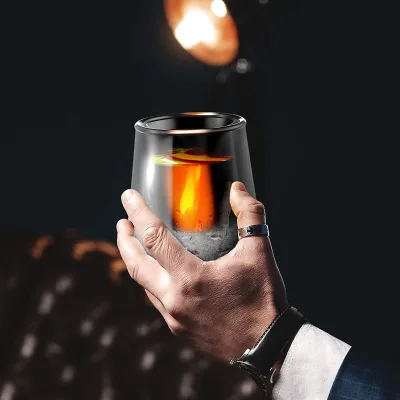
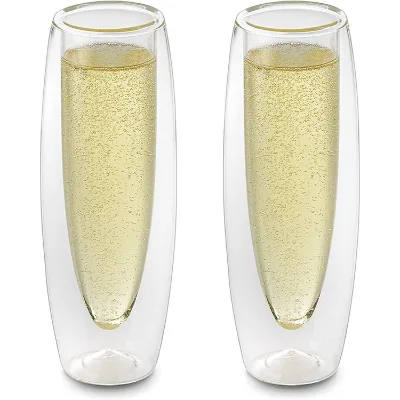


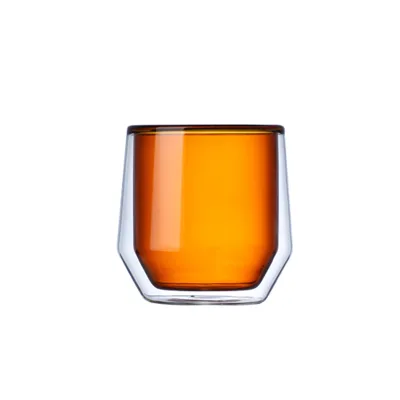


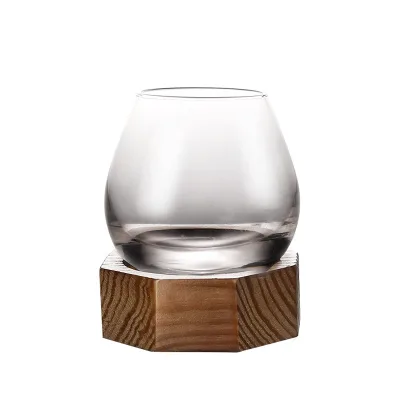

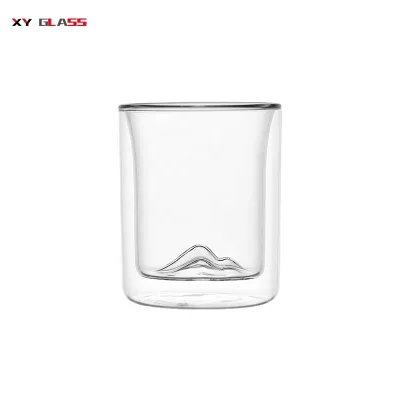


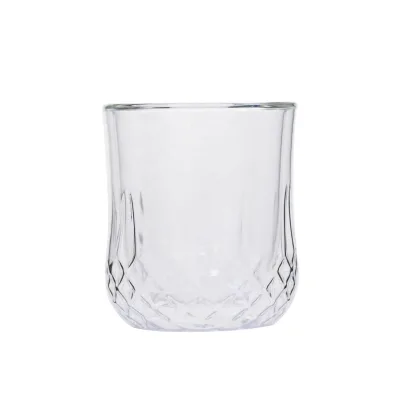
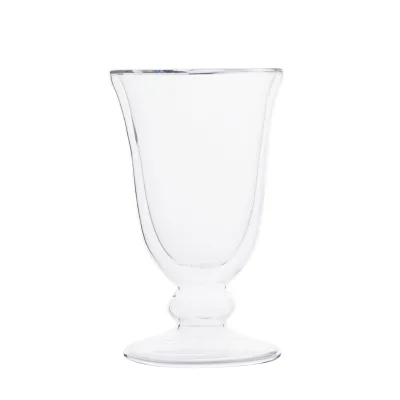
Comprehensive Sourcing Guide
Double Wall Borosilicate Whiskey Glass Sourcing Guide
Sourcing Double Wall Borosilicate Whiskey Glass requires a strategic approach that balances thermal performance with aesthetic consistency, as these items serve both functional and decorative roles in hospitality and retail environments. The core value proposition of this category lies in the material's ability to withstand extreme temperature differentials, typically ranging from -20 ℃ to 150 ℃, which prevents thermal shock during the pouring of hot liquids or the addition of ice. Buyers must prioritize suppliers who can demonstrate consistent manufacturing control over the double-wall structure, ensuring that the air gap remains uniform to provide effective insulation without compromising the structural integrity of the glass.
Procurement decisions should be grounded in verified product attributes rather than marketing claims, focusing on specific material grades such as Lead Free High Borosilicate Glass or standard Borosilicate glass to ensure safety and durability. The market offers a diverse range of styles, from Luxury and Contemporary designs to Simple and Rectangular shapes, each catering to different brand identities and end-user preferences. A successful sourcing strategy involves mapping these stylistic variations against the specific operational needs of the target market, whether for high-volume espresso service, casual camping use, or premium whiskey tasting events.
Product Scope and Observed Listing Signals
The current market landscape for double wall whiskey glasses reveals a wide spectrum of product configurations, with observed listing prices ranging from 0.15 to 5 USD and minimum order quantities (MOQ) varying significantly from 50 to 10,000 pieces. This variance indicates a segmented market where buyers can access entry-level single items or bulk commercial sets, often with customization options available for branding and sizing. The product names and descriptions frequently highlight specific applications such as "Espresso," "Coffee & Tea Sets," and "Whiskey Glasses," suggesting that the same base technology is adapted for multiple beverage categories depending on the intended use case.
Buyers should carefully analyze the listed capacity ranges, which span from small 80ml portions to larger 650ml vessels, to ensure alignment with their specific menu or retail requirements. While some listings specify exact dimensions like a diameter of 7.5 cm and height of 24.5 cm, others offer custom sizing, requiring a clear definition of the final product specifications before engaging with a supplier. The presence of various model numbers, such as MTDW-71, HM-GC416, and HM-GC129, alongside different packaging standards like 1PCS Per Box or 48PCS Per Carton, underscores the need for precise specification matching to avoid receiving mismatched inventory.
Technical Specifications to Verify
Verifying the thermal resistance capabilities of the glass is the primary technical requirement, as the material must reliably handle the observed temperature difference range of -20 ℃ to 150 ℃ without cracking or deforming. Buyers should request detailed material certificates confirming the use of Lead Free High Borosilicate Glass, which offers superior heat resistance compared to standard soda-lime glass, ensuring the product remains safe for high-temperature applications like hot coffee or tea. The double-wall construction must be inspected for uniformity, as any irregularities in the air gap can lead to uneven insulation or structural weakness, particularly when the glass is subjected to rapid temperature changes.
Dimensional accuracy and weight consistency are critical for logistics and user experience, with observed single package sizes ranging from 20x20x30 cm to custom dimensions and weights dependent on the specific product size. The shape of the glass, whether rectangular or cylindrical, and the color, typically clear or transparent, must be strictly defined in the purchase order to maintain brand consistency across the product line. Additionally, the volume capacity, often listed between 300-500ml for standard tumblers, should be verified against the actual liquid volume to ensure it meets the expected serving size for the intended application, such as espresso or whiskey.
Compliance and Safety Documentation
Ensuring that the glassware meets food safety standards is non-negotiable, with certifications like LFGB serving as a key indicator of compliance for products intended for direct food and beverage contact. Buyers must verify that the supplier can provide valid test reports confirming the absence of harmful substances, particularly lead and cadmium, which are critical concerns for glassware used in high-temperature or acidic beverage applications. The "Food Grade" attribute observed in the product listings should be backed by official documentation from recognized testing bodies to validate that the material composition is safe for repeated use and cleaning cycles.
Beyond material safety, the packaging and shipping standards must be evaluated to prevent damage during transit, as the fragile nature of double-wall glass requires robust protection. The observed packing standards, such as 1PCS Per Box with 48PCS Per Carton, should be assessed for their ability to withstand ocean freight conditions, ensuring that the product arrives in sellable condition. Buyers should also confirm that the supplier adheres to relevant international standards for glassware, even if specific standard numbers like ISO 7086 are not explicitly cited in the initial listing, to guarantee a baseline of quality and safety.
Cost Drivers and Commercial Terms
The final cost of Double Wall Borosilicate Whiskey Glass is influenced by several factors, including the complexity of the mold, the thickness of the glass, and the level of customization required for branding or specific dimensions. While observed prices range from 0.15 to 5 USD, the actual unit cost will fluctuate based on the order volume, with MOQs starting as low as 50 pieces for some suppliers and reaching up to 10,000 pieces for others. Buyers should negotiate based on the total landed cost, considering that higher volume orders may reduce the per-unit price but increase the initial capital outlay and storage requirements.
Commercial terms regarding lead times and payment structures are equally important, as the production of custom glassware can involve significant manufacturing lead times depending on the supplier's capacity and location. The place of origin, often listed as Jiangsu, China or generally China, can impact shipping costs and delivery schedules, requiring buyers to factor in logistics expenses when calculating the total cost of goods. It is essential to clarify whether the quoted price includes packaging materials and whether the supplier offers flexible payment terms that align with the buyer's cash flow and risk management strategies.
Supplier Qualification and Quality Control
Selecting a qualified supplier involves a thorough vetting process that goes beyond the initial product listing, focusing on the manufacturer's ability to maintain consistent quality across large production runs. Buyers should verify the supplier's track record in producing "First Grade" quality glassware, ensuring that they have the necessary infrastructure to handle the precision required for double-wall construction. The presence of specific model numbers and standardized packaging suggests a mature production process, but direct communication with the supplier is necessary to confirm their capacity to meet specific quality benchmarks and delivery schedules.
Quality control protocols must be established to ensure that every batch of glassware meets the defined specifications for size, weight, and thermal resistance. Buyers should request samples for rigorous testing, including thermal shock tests and dimensional checks, before committing to a large order. The supplier's willingness to provide detailed product data, such as single gross weight and specific package dimensions, is a strong indicator of their transparency and reliability, which are essential for building a long-term procurement relationship.
Long-Term Procurement Checks
Establishing a long-term procurement strategy for Double Wall Borosilicate Whiskey Glass requires regular audits of supplier performance and product consistency to maintain brand integrity. Buyers should implement a system for tracking defect rates and customer feedback, using this data to hold suppliers accountable for any deviations from the agreed-upon specifications. Continuous monitoring of the supply chain is necessary to anticipate potential disruptions, such as raw material shortages or changes in shipping regulations, which could impact the availability and cost of the glassware.
As market trends evolve, the procurement team must remain agile, ready to adapt product specifications to meet changing consumer preferences for style, capacity, and functionality. The ability to customize products, as indicated by the "Customization: Available" attribute, offers a competitive advantage, but it requires a robust communication channel with the supplier to ensure that design changes are executed accurately. By maintaining a proactive approach to supplier management and quality assurance, buyers can secure a reliable supply of high-quality Double Wall Borosilicate Whiskey Glass that meets the demands of their customers over the long term.
FAQs
What material is used for the double wall whiskey glass?
The product is made from high borosilicate glass, ensuring durability and safety. Some listings specify lead-free high borosilicate glass, while others simply state borosilicate glass. This material provides excellent thermal shock resistance for hot and cold beverages.
Can the glass withstand high temperature differences?
Yes, the glass can withstand temperature differences ranging from -20 degrees Celsius to 150 degrees Celsius. This high temperature resistance makes it suitable for serving hot coffee, tea, or whiskey without cracking under thermal stress.
What is the minimum order quantity for these glasses?
The minimum order quantity varies by supplier, with observed values starting at 50 pieces or 500 pieces. Buyers should check specific listings as some vendors require 50 units while others may set the threshold at 500 units for wholesale orders.
Which certifications are available for these glass products?
Some products listed carry LFGB certification, indicating compliance with food safety standards. This certification ensures the glass is safe for direct contact with food and beverages, meeting rigorous European safety requirements for kitchenware and drinkware.
How can I customize the size of the whiskey glass?
Customization is available for the size of the glass, allowing buyers to specify dimensions like 7.5 by 24.5 cm. The product page indicates that size can be customized, offering flexibility for different branding or functional requirements.
What is the typical capacity range for these double wall glasses?
The capacity ranges from 80ml to 650ml, with specific models offering volumes between 300ml and 500ml. This wide range allows selection for various serving needs, from small tasting portions to larger standard drink servings.
Where are these borosilicate glass products manufactured?
The products originate from Jiangsu, China, or generally from China as a manufacturing hub. This location is a known center for glassware production, ensuring access to established supply chains and manufacturing capabilities for bulk orders.