Source Dry Mortar Production Line for tile adhesive, wall putty, and self leveling
Compare 30 Dry Mortar Production Line options from verified Chinese manufacturers. These systems support applications in construction, mineral operations, and chemical industries with customizable voltage and twin shaft mixer configurations.
Key considerations
Products List
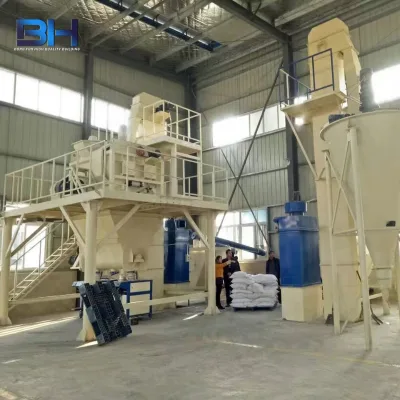


Good Quality Containerized Ordinary Dry Mixed Mortar Production Line
$565000.00 - $1560000.00
MOQ: 1 Pieces


10-30t/H Dry Mix Mortar Production Line Equipment Manufacturing Plant
$95000.00 - $180000.00
MOQ: 1 Sets


Dry Mortar Production Line for Cementing Materials Mortar Production
$36000.00 - $38000.00
MOQ: 1 Pieces

China Manufacturer Automatic Dry Mortar Production Line with Custom Capacity
$36000.00 - $38000.00
MOQ: 1 Pieces

Durable Safe Efficient Standardized Production Dry Mortar Production Line
$36000.00 - $38000.00
MOQ: 1 Pieces


Dry Mortar Production Line for High-Quality Construction Materials
$36000.00 - $38000.00
MOQ: 1 Pieces

Hot Sale Dry Mortar Production Line for Efficient Construction Projects
$36000.00 - $38000.00
MOQ: 1 Pieces

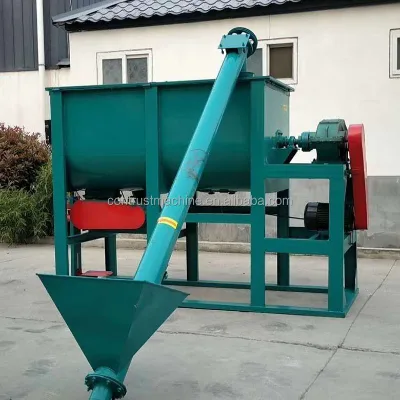
Comprehensive Sourcing Guide
Strategic Sourcing Guide for Dry Mortar Production Lines
Procuring a Dry Mortar Production Line represents a significant capital investment for manufacturers in the building materials, construction, and chemical industries. The complexity of these systems requires a meticulous approach to sourcing, balancing technical specifications with operational reliability and compliance standards. Buyers must navigate a market where equipment varies from semiautomatic to fully automatic configurations, each serving different production volumes and product quality requirements. This guide outlines the critical factors for evaluating suppliers and selecting the right production line, ensuring that procurement decisions are grounded in verified data and industry best practices rather than unverified marketing claims.
Technical Specifications and Configuration Analysis
The foundation of a successful procurement decision lies in a deep understanding of the technical architecture of the Dry Mortar Production Line. The core component of these systems is often the mixer, which dictates the homogeneity and quality of the final blend. Available configurations frequently include twin shaft mixers, which are designed for high-efficiency mixing of dry powders. The structural layout of the machinery is another critical variable; buyers must determine whether a horizontal or vertical layout best suits their facility's footprint and material flow requirements.
Production capacity is a primary driver of equipment selection. In the current market, observed production capacities for high-end lines range from 10 to 15 tons per hour. This capacity range is suitable for medium to large-scale operations producing a variety of mortar types. The power requirements for these systems are substantial, with observed specifications ranging from 70 kW to 240 kW depending on the model and complexity. For instance, specific models may be rated at 70 kW for standard operations, while more robust lines capable of handling diverse mineral operations may require up to 240 kW.
The automation level is equally significant. While some systems are classified as semiautomatic, advanced lines offer fully automatic operation with CNC control types. This distinction impacts the labor requirements and the consistency of the output. The production cycle time is another metric to consider; efficient lines can achieve a production circle of 2 to 3 minutes, ensuring rapid throughput. The weight of the machinery is also a logistical factor, with heavy-duty units weighing up to 15,000 kg, necessitating robust foundation planning and specialized transport arrangements.
Compliance, Certification, and Safety Standards
Verifying compliance with international standards is non-negotiable for any procurement of industrial machinery. Buyers should prioritize suppliers who can provide documentation for recognized certifications such as ISO and CE. These certifications indicate that the manufacturing process and the final product meet specific safety, health, and environmental protection requirements. The presence of CE marking is particularly crucial for equipment intended for the European market or for buyers requiring adherence to European safety directives.
When evaluating a supplier, the buyer must request proof of these certifications rather than accepting them as a mere listing on a product page. The certification status should cover the entire production line, including the core components like PLCs, bearings, and motors. It is also important to verify that the supplier's manufacturing facilities adhere to quality management systems, often indicated by ISO 9001 standards, though this should be confirmed through direct audit or certified documentation.
Voltage compatibility is a specific technical compliance issue that varies by region. Equipment specifications often list voltage as "Customized," with options for 220V, 380V, or 415V. Procurement teams must ensure that the selected machine's electrical specifications match the local power grid infrastructure to avoid costly retrofits or operational failures. Additionally, the supplier should provide video outgoing-inspection reports, which serve as a visual verification of the machine's condition and assembly quality before shipment.
Cost Drivers and Pricing Variables
The pricing of dry mortar production lines is influenced by a complex array of factors, resulting in a wide observed range from approximately $1,822.50 to $1,560,000. This variance is not arbitrary but reflects differences in capacity, automation level, component quality, and customization requirements. Buyers should be wary of prices that seem disproportionately low, as they may indicate compromises in material quality or a lack of essential components.
Key cost drivers include the power rating of the motor, the complexity of the PLC control system, and the inclusion of specialized features like custom voltage configurations. The weight of the machinery, which can reach 15,000 kg, also impacts shipping and installation costs. Furthermore, the "Customized" nature of many lines means that specific requests for unique layouts, packing standards, or production models will add to the base price.
The minimum order quantity (MOQ) for these industrial systems is typically 1 unit, allowing for single-item purchases. However, the total cost of ownership extends beyond the initial purchase price. Buyers must factor in the cost of standard export packing or container shipping, as well as the potential need for on-site installation services. The warranty period, often observed as 1 year, is a critical component of the financial risk assessment. A longer warranty or more comprehensive coverage may justify a higher initial investment.
Typical Applications and End-Product Versatility
Dry mortar production lines are versatile systems designed to serve multiple sectors, including the building material industry, mineral operations, and the chemical industry. The primary application is the production of dry mortar, but the specific end products vary based on the formulation and mixing parameters. A single line can often produce a wide array of specialized mortars, including tile adhesive mortar, wall putty mortar, and skim coat mortar.
Beyond standard construction mortars, these lines are capable of manufacturing advanced functional products. Observed end-product capabilities include anti-crack mortar, waterproof mortar, self-leveling compounds, and tile grout mortar. This versatility allows manufacturers to adapt to changing market demands without investing in entirely new production facilities. The ability to switch between different product types, such as moving from wall putty to self-leveling mortar, depends on the flexibility of the mixing system and the control software.
The application scope is broad, covering residential and commercial construction projects. The machinery is designed to handle the rigorous demands of producing high-quality building materials that meet strict industry standards. Whether the end user is a large-scale construction firm or a specialized chemical manufacturer, the production line must deliver consistent quality and high output rates. The specific model number, such as BH 10-15 T/H or AJP-20, often correlates with the intended application scale and the specific types of mortar being produced.
Supplier Evaluation and Origin Verification
Selecting the right supplier requires a thorough vetting process that goes beyond the product listing. The place of origin is a significant indicator of the supply chain's reliability. Many dry mortar production lines originate from Henan, China, or Zhengzhou, China, regions known for their concentration of heavy machinery manufacturing. Some components or specific models may also originate from Changzhou, Jiangsu. Buyers should verify the specific production location to understand the logistical implications and the supplier's proximity to raw material sources.
The brand name, such as "BH," serves as a point of reference, but buyers should not rely solely on brand recognition. Instead, they should evaluate the supplier's track record, production capacity, and ability to provide after-sales support. The "Professional Manufacture" advantage claimed by suppliers should be substantiated by their history of delivering similar projects. The availability of customization is a key differentiator; suppliers who offer tailored solutions for voltage, layout, and packing are better equipped to meet specific buyer needs.
When evaluating suppliers, buyers should look for evidence of their export capabilities. The "Export Markets: Global" attribute suggests a level of experience in international trade, but specific references to past shipments to the buyer's region would be more valuable. The structure of the supply chain, including the sourcing of core components like PLCs and motors, should be transparent. A supplier that can provide detailed information about their component suppliers demonstrates a higher level of quality control and supply chain stability.
Quality Control and Long-Term Procurement Considerations
Quality control is paramount in the procurement of dry mortar production lines. The warranty period, typically 1 year, is a baseline expectation, but buyers should negotiate for extended coverage or comprehensive service agreements. The inclusion of video outgoing-inspection is a positive indicator of a supplier's confidence in their quality control processes. However, buyers should also consider arranging third-party inspections or on-site visits to verify the machine's construction and assembly.
Long-term procurement considerations include the availability of spare parts and the technical support provided by the supplier. The core components, such as bearings and motors, are subject to wear and tear and must be easily replaceable. The supplier should maintain a stock of critical spare parts or have a reliable logistics network for rapid delivery. The "Automatic Grade" of the machine, whether semiautomatic or automatic, also influences the long-term maintenance requirements. Fully automatic systems with CNC control may require specialized technical training for operators and maintenance staff.
The packaging standard, often described as "Standard Export Packing" or "Container" packing, is crucial for ensuring the machine arrives in pristine condition. Buyers should verify that the packing meets the requirements for long-distance shipping and handling. The theory of operation, such as the "Granule Grinder" or "Crushing" level, should align with the specific processing needs of the buyer. Finally, the layout of the production line, whether horizontal or vertical, should be optimized for the buyer's facility to ensure efficient material flow and minimal downtime.
Conclusion
Sourcing a Dry Mortar Production Line is a multifaceted process that demands careful attention to technical specifications, compliance, cost, and supplier reliability. By focusing on verified data such as production capacity, power ratings, and certification status, buyers can make informed decisions that align with their operational goals. The wide range of applications, from tile adhesive to self-leveling mortar, underscores the versatility of these systems, but also highlights the need for precise customization. Ultimately, a successful procurement strategy involves a thorough evaluation of the supplier's capabilities, a clear understanding of the total cost of ownership, and a commitment to long-term quality and support.
FAQs
What is the production capacity of this dry mortar line?
The production capacity ranges from 10 to 15 tons per hour. This specification suits medium to large-scale operations requiring consistent output for building material industries.
Which certifications does the equipment hold?
The machinery holds ISO and CE certifications. These standards verify compliance with international safety and quality requirements for industrial manufacturing processes.
Can the voltage be customized for different regions?
Yes, the voltage is customized to 220V, 380V, or 415V. Buyers must ensure the selected electrical specification matches their local power grid infrastructure.
What is the warranty period for the machine?
The standard warranty period is 1 year. This coverage applies to the core components and manufacturing quality of the Dry Mortar Production Line.
Where is the production line manufactured?
The place of origin is Henan, China, with some components from Zhengzhou or Changzhou. Buyers should verify specific production locations for logistical planning.
What types of mortar can this line produce?
It produces tile adhesive, wall putty, anti-crack, and waterproof mortars. The system supports diverse end products including self-leveling and tile grout compounds.