Source Dry Pet Food for Dogs, Cats, and Puppies
Find 30 listings for Dry Pet Food suitable for dogs, cats, and puppies. Buyers can compare customization options, shapes, and packaging sizes from suppliers in China.
Key considerations
Products List


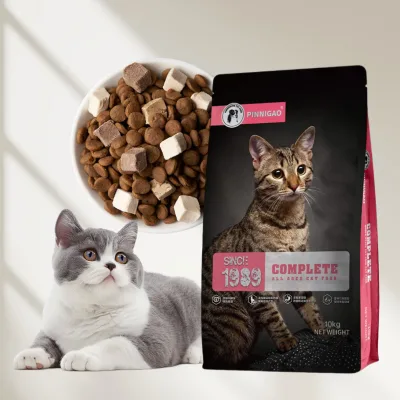
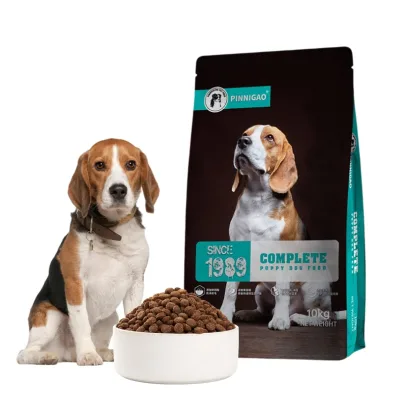
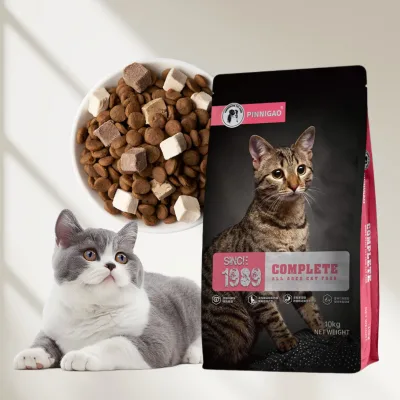
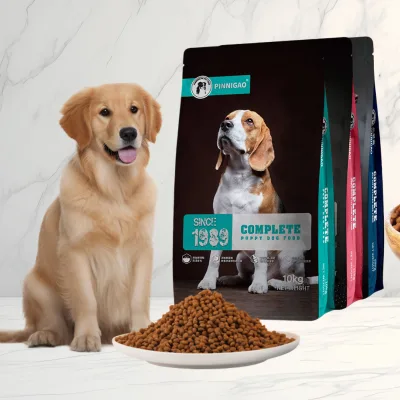
Different Flavor Pet Dry Food Premium Low Grain Content Gluten Free Dry Dog Food
$0.98 - $1.15
MOQ: 500 kilograms


Comprehensive Sourcing Guide
Dry Pet Food Sourcing Guide
Sourcing Dry Pet Food requires a disciplined approach to balancing nutritional integrity, manufacturing consistency, and commercial viability. The global market for dry pet nutrition is vast, ranging from basic staple foods to specialized functional diets, and buyers must navigate a complex landscape of ingredient sourcing, processing technologies, and regulatory compliance. This guide provides evidence-based procurement strategies for sourcing Dry Pet Food, focusing on the critical decision points that impact product quality, supply chain stability, and brand reputation. By understanding the technical specifications, compliance requirements, and cost drivers inherent in this category, procurement professionals can mitigate risk and secure reliable supply partners that align with their brand’s positioning and customer expectations.
The following sections outline the essential steps for evaluating suppliers, verifying product attributes, and establishing robust commercial terms. Each section is designed to address a specific aspect of the sourcing process, from initial product scope definition to long-term quality assurance. Buyers are encouraged to use this guide as a framework for due diligence, ensuring that every decision is backed by verifiable data and industry best practices. The goal is to empower procurement teams to make informed choices that drive value, ensure safety, and foster sustainable supplier relationships in the competitive pet food industry.
Product Scope and Observed Listing Signals
The observed market for Dry Pet Food exhibits a wide range of product types, including staple foods, snacks, and specialized health-focused formulations. Listings indicate that products are suitable for both dogs and cats, with specific applications targeting puppies, adult pets, and all life stages. This diversity suggests that suppliers often offer flexible portfolios, allowing buyers to source multiple product lines from a single partner. However, the presence of varied applications also highlights the need for precise specification alignment, as formulations for puppies differ significantly from those for adult maintenance or sensitive stomach support. Buyers must clearly define their target demographic and life stage requirements to avoid mismatches between supplier capabilities and brand needs.
Appearance and physical form are key differentiators in the Dry Pet Food segment, with products typically presented in a dry state and shaped into pellets, triangles, hearts, or small circles. These shapes are not merely aesthetic; they can influence palatability, digestion, and consumer perception. Additionally, flavor profiles such as chicken are common, but buyers should verify the actual ingredient composition, as some listings may highlight specific flavors while relying on broader protein sources like seafood or vegetable blends. The availability of customization options, including packaging and formulation, allows brands to tailor products to their unique value propositions, but this flexibility often comes with higher minimum order quantities and longer lead times.
Technical Specifications to Verify
Technical verification begins with a thorough review of the product’s nutritional profile and ingredient composition. Buyers should request detailed breakdowns of main nutrients, such as protein content, and verify the source of key ingredients like chicken meat, chicken meal, potatoes, and vitamins. The presence of features such as "grain-free" or "high protein" claims must be substantiated by laboratory analysis, as these attributes directly impact the product’s market positioning and suitability for specific pet health needs. Additionally, the shelf life of Dry Pet Food is a critical technical parameter, with typical durations ranging around 18 months, but buyers must confirm storage conditions and packaging integrity to ensure this timeline is maintained throughout the supply chain.
Packaging specifications play a vital role in preserving product quality and facilitating logistics. Common packaging formats include bags, cartons, and customizable options with weights ranging from small consumer packs to bulk industrial sizes like 20kg bags. Buyers should assess the material quality of the packaging to ensure it provides adequate barrier protection against moisture, oxygen, and contaminants, which can degrade the food’s nutritional value and safety. Furthermore, the physical dimensions and weight of the packaging units should be evaluated for compatibility with existing distribution channels, warehousing infrastructure, and retail display requirements. Customizable packaging options offer branding opportunities but require careful coordination to avoid production delays or quality inconsistencies.
Compliance and Safety Documentation
Compliance with international and regional standards is non-negotiable in the pet food industry, where safety and transparency are paramount. Buyers must verify that suppliers adhere to recognized quality management systems and food safety standards, such as ISO, CE, or FDA certifications, depending on the target market. These certifications indicate that the supplier has implemented rigorous controls over their manufacturing processes, from raw material sourcing to final product release. However, certification alone is not sufficient; buyers should request recent audit reports and traceability records to ensure that the supplier’s compliance efforts are current and comprehensive.
Ingredient sourcing and labeling accuracy are also critical compliance areas. Buyers should ensure that suppliers provide clear documentation of ingredient origins, including any allergens or potential contaminants, and that labeling complies with local regulatory requirements. This includes accurate declaration of nutritional content, feeding instructions, and expiration dates. Additionally, buyers should inquire about the supplier’s quality control protocols, including testing for pathogens, heavy metals, and mycotoxins, to ensure that the product meets safety standards. Transparent communication regarding any deviations or recalls is essential for maintaining trust and mitigating legal risks.
Cost Drivers and Commercial Terms
The cost of Dry Pet Food is influenced by several factors, including raw material prices, manufacturing complexity, packaging requirements, and order volume. Buyers should expect a wide range of prices, reflecting the diversity of product formulations and quality levels. Minimum order quantities (MOQs) can vary significantly, from small trial orders to large bulk purchases, and buyers should negotiate terms that align with their inventory management strategies and cash flow constraints. Understanding the cost structure helps buyers identify potential areas for savings, such as optimizing packaging sizes or consolidating orders, without compromising on quality or safety.
Commercial terms also include payment conditions, delivery schedules, and after-sales support. Buyers should seek clarity on lead times, especially for customized products, and establish clear expectations for delivery reliability. Additionally, buyers should inquire about the supplier’s policies on samples, returns, and quality disputes, as these terms can impact the overall cost of procurement. Flexible payment terms, such as letters of credit or installment payments, may be available for larger orders, providing financial flexibility and risk mitigation. Clear communication of these terms upfront helps prevent misunderstandings and ensures a smooth procurement process.
Supplier Qualification and Quality Control
Supplier qualification is a critical step in ensuring the reliability and consistency of Dry Pet Food supplies. Buyers should conduct thorough due diligence, including site visits, facility audits, and reviews of the supplier’s production capabilities and quality control systems. This process helps verify that the supplier has the necessary infrastructure, expertise, and commitment to quality to meet the buyer’s requirements. Additionally, buyers should assess the supplier’s ability to scale production and adapt to changing market demands, as this flexibility is essential for long-term partnership success.
Quality control measures should be integrated into the procurement process, with regular inspections and testing of incoming goods. Buyers should establish clear quality standards and acceptance criteria, and work with suppliers to implement corrective actions for any deviations. Continuous improvement initiatives, such as regular performance reviews and feedback loops, help maintain high standards and drive operational excellence. By prioritizing supplier qualification and quality control, buyers can build a resilient supply chain that delivers consistent, high-quality products to their customers.
Long-Term Procurement Checks
Long-term procurement success depends on ongoing monitoring and evaluation of supplier performance. Buyers should establish key performance indicators (KPIs) to track metrics such as delivery reliability, product quality, and responsiveness to issues. Regular performance reviews help identify areas for improvement and foster a collaborative relationship with suppliers. Additionally, buyers should stay informed about industry trends, regulatory changes, and emerging technologies that may impact the Dry Pet Food market, allowing them to adapt their sourcing strategies proactively.
Sustainability and ethical sourcing are increasingly important considerations for long-term procurement. Buyers should evaluate suppliers’ commitments to environmental responsibility, animal welfare, and social governance, as these factors can impact brand reputation and consumer loyalty. By integrating sustainability into their sourcing strategies, buyers can contribute to a more responsible and resilient pet food industry. Continuous engagement with suppliers, combined with a focus on quality, compliance, and sustainability, ensures that procurement efforts deliver lasting value and support the long-term success of the buyer’s brand.
FAQs
What types of Dry Pet Food are available for dogs and cats?
The product range includes dry pet staple food and snacks suitable for both dogs and cats. Options cover all life stages from puppies to adults, with flavors like chicken and shapes such as triangles or hearts.
Can I request custom packaging for Dry Pet Food orders?
Yes, customization is available for packaging requirements. Buyers can choose from bag, carton, or customizable packaging options, with specific package sizes like 2.5kg, 5kg, 15kg, or 20kg bags available for selection.
What certifications do the Dry Pet Food manufacturers hold?
Manufacturers hold CE, ISO, and FDA certifications for their production facilities. These standards ensure that the Dry Pet Food meets international safety and quality requirements for export and domestic distribution channels.
How long is the shelf life of the Dry Pet Food products?
The shelf life for these Dry Pet Food items is 18 months. This duration applies to the various product types including staple food and snacks, ensuring freshness and nutritional value during storage.
Which ingredients are used in the high protein Dry Pet Food?
Ingredients include chicken meat, chicken meal, protein, seafood, vitamins, and vegetables. Some formulas are grain-free and designed for sensitive stomachs, featuring high protein content to support health and growth.
What is the minimum order quantity for Dry Pet Food samples?
Free samples are available for potential buyers to evaluate product quality. The general minimum order quantity ranges from 1 to 100,000 units depending on the specific customization and packaging requirements selected by the buyer.
Where are the Dry Pet Food factories located?
Factories are located in China, specifically in Shandong and Hebei provinces. These locations serve as the primary origins for the Dry Pet Food products, facilitating efficient logistics and supply chain management for international orders.