Source Dry Powder Bacteria Enrichment Broth for Lab, Industry, Research
Find 30 listings for Dry Powder Bacteria Enrichment Broth suitable for laboratory, industrial, and scientific research applications. Compare specifications, packaging options, and pricing from verified Chinese manufacturers offering customizable solutions.
Key considerations
Products List
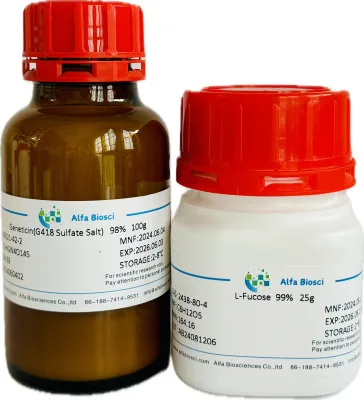
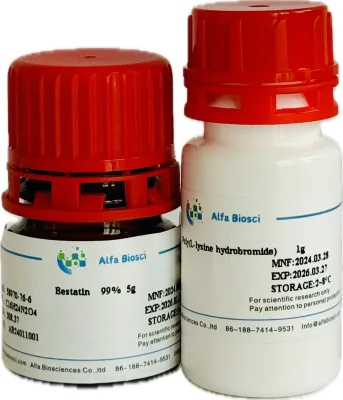


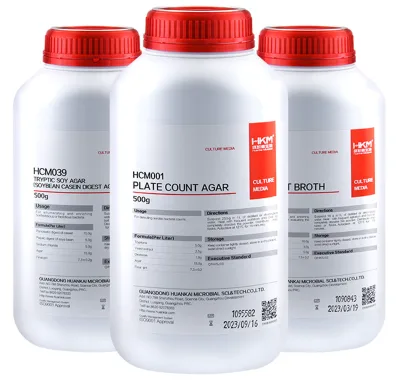
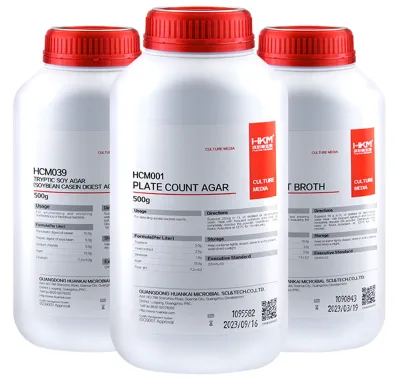


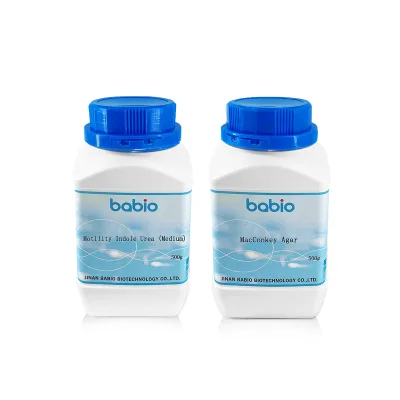
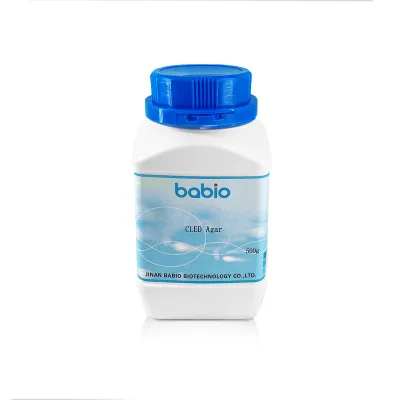
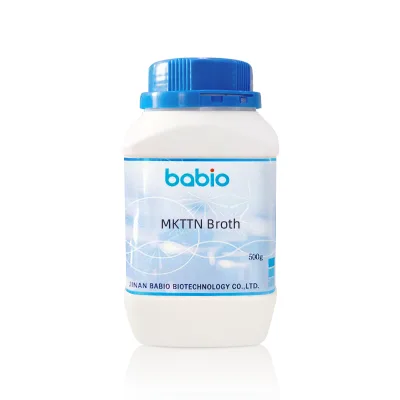
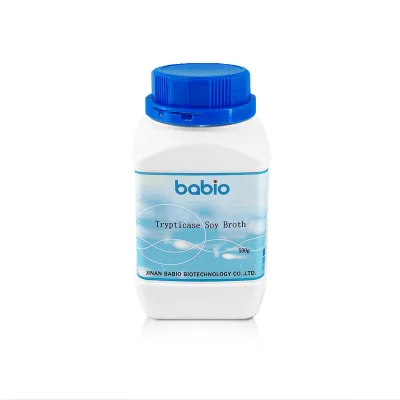
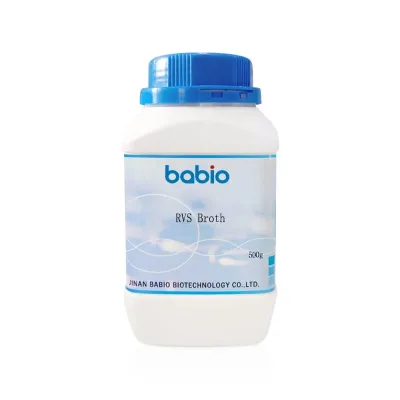
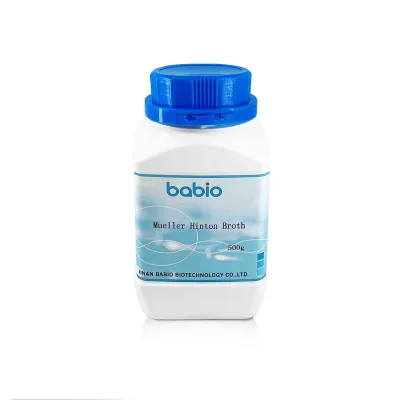
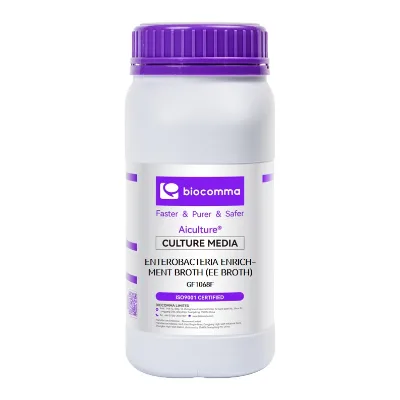
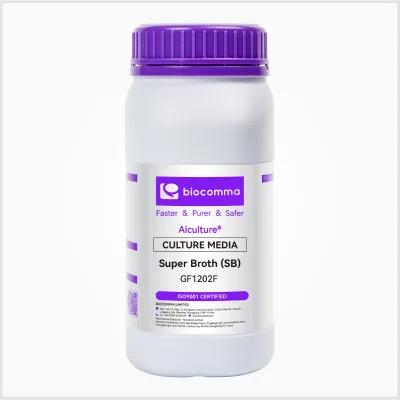

Comprehensive Sourcing Guide
Strategic Sourcing Guide for Dry Powder Bacteria Enrichment Broth
Procuring Dry Powder Bacteria Enrichment Broth requires a disciplined approach that balances technical specifications with supply chain reliability. In the B2B laboratory reagent market, the distinction between a generic chemical and a specialized biological medium is critical. Buyers must navigate a landscape where product attributes vary significantly between suppliers, even when the core keyword remains identical. This guide outlines the essential factors for sourcing these materials, focusing on verified product data, compliance frameworks, and operational logistics. The objective is to ensure that the selected enrichment broth meets rigorous microbiological standards while maintaining cost efficiency and supply continuity.
Technical Specifications and Product Attributes
The foundation of a successful procurement strategy lies in a precise understanding of technical specifications. Dry Powder Bacteria Enrichment Broth is not a monolithic product; it exists in various formulations designed for specific microbial cultures. Based on observed market data, the physical form of these reagents is consistently described as powder or granule. This physical state is crucial for stability and shelf life, as the dry form prevents premature microbial growth and degradation that can occur in liquid media.
Buyers must verify the specific classification of the product. In the current market, these items are often categorized under "General Reagents" or "Biochemical Reagents," with specific applications ranging from "Biological Purpose" to "Microbiological" and "Tissue Medium Purpose." The source material is typically identified as "Dry Powder," which implies a specific manufacturing process involving dehydration. When evaluating a supplier, the buyer should confirm the "Specific Usage" details. For instance, some products are tailored for "Food, Clinical, Environmental Samples," while others are optimized for "Analytical Reagents" or "Diagnostic Reagents."
The model number and standard designation are also vital identifiers. Market observations indicate model numbers such as "BBWS-CM-012" or "Babio-Media-01," alongside generic designations like "Pure" or "Anaerobic Meat Liver Broth." These identifiers often correlate with the intended bacterial strain or the specific enrichment mechanism. Furthermore, the "Content" is frequently listed as "Standard," suggesting a baseline formulation, though "Customization" and "OEM/ODM" support are often available for specialized needs. Buyers should explicitly request the formulation details to ensure the broth matches the target organism's nutritional requirements.
Packaging, Storage, and Shelf Life Considerations
The integrity of dry powder reagents is heavily dependent on packaging and storage conditions. The observed market data reveals a wide range of packaging options, from small bottles (250g, 500g) to bulk industrial containers (1kg, 5kg, 10kg, 25kg). The packaging material itself varies, with "PP" (polypropylene) bottles and "Carton" boxes being common. For larger quantities, "Box" packaging is frequently noted. The choice of packaging directly impacts the product's longevity and ease of handling in a laboratory or industrial setting.
Storage requirements are a critical compliance factor. Observed data indicates storage temperatures ranging from 5-25℃ to 2-30℃. This variance suggests that different formulations have distinct stability profiles. A buyer must not assume a universal storage temperature; instead, they must verify the specific storage instructions for the chosen product. Failure to adhere to these temperature ranges can compromise the viability of the enrichment broth.
Shelf life is another key metric. The data shows a range of expiration periods, with "24 Months" and "3 Years" being the most common observations. The "Expiration Date" is a definitive factor in inventory management. Procurement strategies should align with these timelines to prevent waste. For organizations with high turnover, shorter shelf-life products may be acceptable if the supply chain is robust. Conversely, for long-term stockpiling, products with a 3-year shelf life are preferable. Buyers should always verify the "Sample" availability to test the product's performance before committing to a large order, ensuring the expiration date aligns with the projected usage rate.
Compliance, Certification, and Origin Verification
In the global reagent market, the origin of the product plays a significant role in quality assurance and regulatory compliance. The majority of observed listings indicate a "Place of Origin" in China, with specific hubs in Hunan and Jinan. While this does not inherently imply a quality deficit, it necessitates rigorous verification of the supplier's manufacturing capabilities. The presence of a "Factory/Manufacturer" status is a positive indicator, suggesting direct production rather than mere distribution.
Buyers must scrutinize the "Classification" and "Property" tags to ensure alignment with international standards. Products are often labeled as "Fine Chemicals" or "Special Reagent," which may require specific documentation for import. The "Standard" designation, such as "250g" or "500g/bottle," often refers to the packaging standard rather than a chemical purity standard. However, the "prod_standard" field in some listings hints at internal quality benchmarks. Buyers should request evidence of compliance with relevant international standards (e.g., ISO, USP, EP) rather than relying solely on the supplier's internal labels.
Certification status is not explicitly detailed in the provided data, which means buyers cannot assume any specific accreditation. It is imperative to request certificates of analysis (CoA) and quality management system certifications. The "Customization Support" and "OEM/ODM" availability suggest that suppliers are willing to adapt their processes, but this flexibility must be backed by documented quality control protocols. Without explicit certification data, the burden of verification falls entirely on the buyer to ensure the product meets the regulatory requirements of their specific industry, whether it be food safety, clinical diagnostics, or environmental monitoring.
Cost Drivers and Procurement Economics
Understanding the cost structure of Dry Powder Bacteria Enrichment Broth is essential for budgeting and negotiation. The observed price range in the market is extensive, spanning from $0.05 to $145 USD. This wide disparity is likely driven by factors such as packaging size, purity level, and the complexity of the formulation. A unit price of $0.05 might correspond to a bulk industrial grade or a very small sample, whereas $145 could represent a specialized, high-purity formulation in a smaller package.
The Minimum Order Quantity (MOQ) is another significant cost driver. Data indicates an MOQ range of 1 to 250 units, with a specific observation of an MOQ of 5. For small laboratories or research projects, a low MOQ is crucial to minimize upfront capital expenditure. However, for large-scale industrial applications, negotiating a lower unit price through higher volume orders is standard practice. Buyers should analyze the total cost of ownership, including shipping and handling, which can vary based on the weight and volume of the packaging (0-100Kg range observed).
Lead times also impact the overall cost of procurement. An observed delivery time of 8 days suggests a relatively efficient supply chain, but this can fluctuate based on the supplier's location and current demand. Buyers should factor in potential delays, especially when sourcing from international locations like China. The "Delivery Time" of 8 days should be treated as a baseline, and contracts should include clauses for potential delays to mitigate risk.
Supplier Evaluation and Quality Assurance
Evaluating suppliers requires a multi-dimensional approach that goes beyond price and delivery speed. The "Factory/Manufacturer" attribute is a strong signal of supply chain control, but it must be validated. Buyers should assess the supplier's ability to provide "Samples" for pre-purchase testing. The "Sample Type" suitability for "Food, Clinical, Environmental Samples" is a key indicator of the product's versatility and the supplier's experience in diverse sectors.
Quality assurance processes should be a primary focus during supplier selection. The "Specific Usage" tags, such as "For Microbiological" or "For Tissue Medium Purpose," imply a level of specialization. A supplier claiming to serve multiple sectors (Industry, Health, Environmental Protection, Scientific Research) must demonstrate robust quality control across these domains. Buyers should request detailed quality control reports, including test results for sterility, pH, and nutrient content.
The "Customization" and "Customization Support" options are also indicators of a supplier's technical capability. If a buyer requires a specific formulation or packaging size, the supplier's ability to deliver on these requests without compromising quality is a critical evaluation metric. The "OEM/Avaiable" status suggests that the supplier can brand the product, which is useful for companies with their own private label requirements. However, this flexibility must be balanced with strict adherence to the original product specifications to ensure consistency.
Long-Term Procurement and Application Strategy
Sourcing Dry Powder Bacteria Enrichment Broth is not a one-time transaction but a long-term strategic partnership. The "Application" scope, which includes "Industry, Scientific Research, Agriculture, Health," indicates that these products are foundational to many critical processes. A reliable supply chain is essential to prevent disruptions in research or production.
Buyers should develop a long-term procurement strategy that includes regular quality audits and performance reviews. The "Shelf life" of 24 to 36 months allows for strategic stockpiling, but inventory management must be dynamic to prevent expiration. Regular re-evaluation of the supplier's performance against the "Delivery Time" and "MOQ" benchmarks is necessary to ensure continued reliability.
Furthermore, the evolving nature of microbiological research means that product specifications may need to adapt. The availability of "Customization" and "OEM" support positions suppliers to meet future needs. Buyers should maintain open communication with suppliers to stay informed about new formulations or improvements in the product line. By treating the procurement process as a continuous improvement cycle, organizations can ensure that their Dry Powder Bacteria Enrichment Broth remains a reliable and high-quality resource for their specific applications.
Summary of Key Sourcing Parameters
To facilitate quick decision-making, the following table summarizes the critical parameters observed in the market for Dry Powder Bacteria Enrichment Broth. This overview serves as a checklist for buyers during the supplier evaluation process.
| Parameter | Observed Range/Values | Verification Requirement |
|---|---|---|
| Physical Form | Powder, Granule | Confirm visual inspection and solubility |
| Storage Temp | 2-30℃, 5-25℃ | Verify specific product label requirements |
| Shelf Life | 24 Months, 3 Years | Check expiration date on batch |
| Packaging | 250g-25kg, PP, Carton, Box | Assess suitability for storage conditions |
| Origin | China (Hunan, Jinan) | Verify factory certification and location |
| MOQ | 1-250, Specific: 5 | Negotiate based on volume needs |
| Delivery Time | 8 Days (Baseline) | Confirm current lead time and logistics |
| Classification | General/Biochemical Reagents | Ensure alignment with regulatory needs |
| Customization | Available, OEM/ODM | Define specific requirements early |
By adhering to these guidelines and rigorously verifying the provided data points, buyers can secure a reliable supply of Dry Powder Bacteria Enrichment Broth that meets the highest standards of quality and performance. The focus must remain on evidence-based decision-making, ensuring that every procurement action is supported by verified product attributes and supplier capabilities.
FAQs
What is the shelf life of Dry Powder Bacteria Enrichment Broth?
The shelf life typically ranges from 24 months to 3 years depending on the specific formulation. Buyers should verify the expiration date on the product label to ensure the reagent remains viable for their intended laboratory or industrial application.
How should Dry Powder Bacteria Enrichment Broth be stored?
Storage temperatures generally fall between 2°C and 30°C, though some products require 5°C to 25°C. Maintaining these specific temperature ranges is critical to prevent degradation and ensure the stability of the dry powder before reconstitution.
Which packaging sizes are available for Dry Powder Bacteria Enrichment Broth?
Packaging options include 250g, 500g, 1kg, 5kg, 10kg, and 25kg units in bottles or boxes. The choice of packaging material, such as PP or carton, depends on the supplier and the specific quantity required for the order.
Can I customize the specifications of Dry Powder Bacteria Enrichment Broth?
Yes, customization support including OEM and ODM services is available for many suppliers. Buyers can request specific formulations or packaging sizes, but they must confirm the supplier's capacity to meet these specialized requirements without compromising quality.
What is the typical delivery time for Dry Powder Bacteria Enrichment Broth?
The standard delivery time is approximately 8 days from the supplier's location in China. This timeline may vary based on the specific factory, order volume, and current logistics conditions, so buyers should confirm lead times before placing an order.
What are the minimum order quantities for Dry Powder Bacteria Enrichment Broth?
Minimum order quantities range from 1 unit to 250 units, with some suppliers setting a specific MOQ of 5. Smaller laboratories may find the lower MOQ options suitable, while larger industrial buyers should negotiate based on bulk volume requirements.