Source Dry Powder Blood Agar for Meat, Jelly, and Ice Cream
Find 30 listings for Dry Powder Blood Agar suitable for meat, jelly, and ice cream applications. Compare specifications, certifications, and prices from verified Chinese suppliers offering OEM support and fast dispatch.
Key considerations
Products List
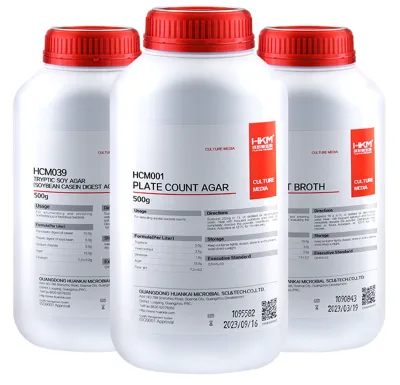
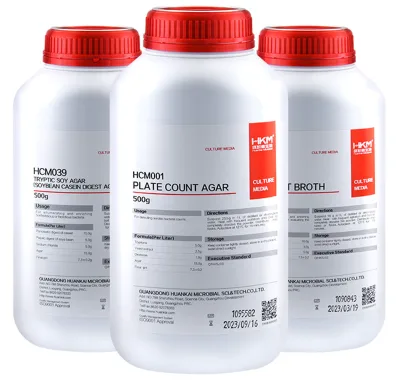


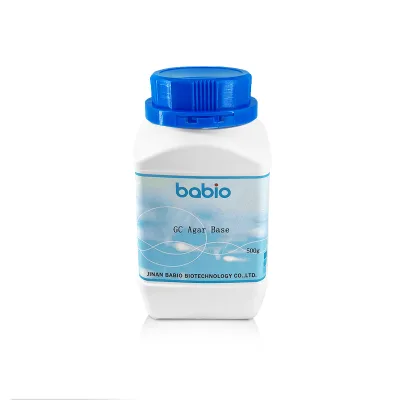
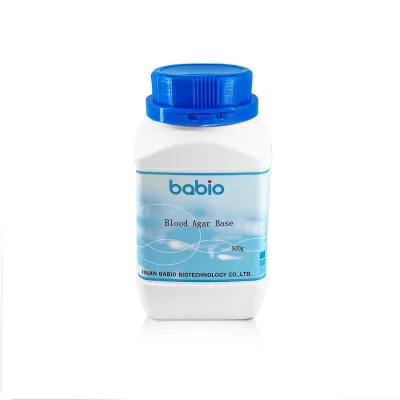
Chinese Source Factory Blood Agar Base 500g with Retail Price for Sale
$10.25 - $30.75
MOQ: 10 Minimum
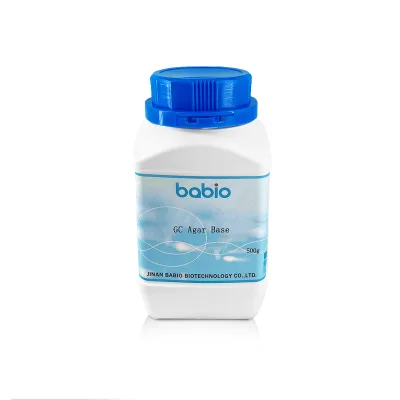
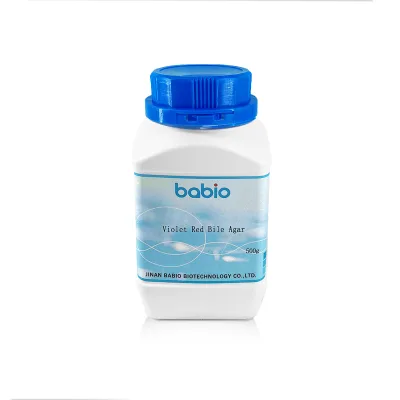
Violet Red Bile Agar for Microbiological Culture Customizable OEM Lab Supplies
$10.00 - $30.00
MOQ: 10 Minimum
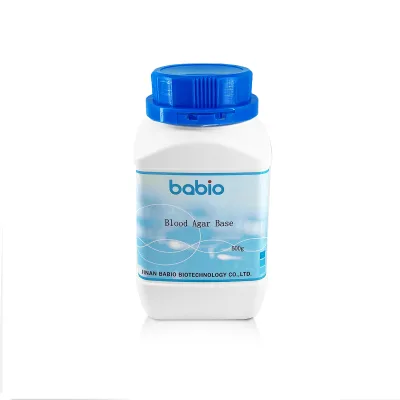
CE and ISO Certified Blood Agar Medium 250g / 500g with Low Plant Direct-Sale Price
$10.17 - $30.51
MOQ: 10 Minimum
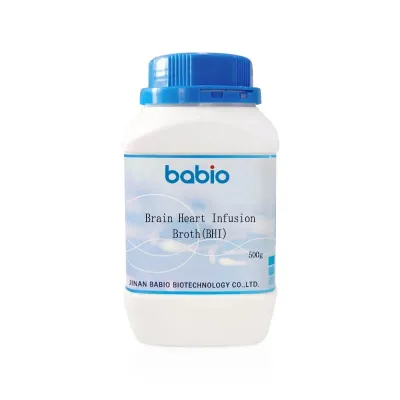
OEM/ODM Available 250g/500g BHI Agar Medium with Good Manufacturer Price
$10.17 - $30.51
MOQ: 10 Minimum


Comprehensive Sourcing Guide
Strategic Sourcing Guide for Dry Powder Blood Agar
The procurement of Dry Powder Blood Agar represents a critical decision point for laboratories, research institutions, and food production facilities requiring high-fidelity culture media or gelling agents. While the core keyword "Dry Powder Blood Agar" often implies a specific microbiological formulation, the broader market for agar-based dry powders encompasses a diverse range of biochemical reagents and food-grade thickeners. Sourcing professionals must navigate a complex landscape where product attributes vary significantly based on intended application, ranging from diagnostic reagents for biological purposes to industrial thickeners for food processing. This guide provides a structured approach to evaluating suppliers, verifying technical specifications, and ensuring compliance without relying on unverified market claims.
Technical Specifications and Product Classification
The foundation of a successful procurement strategy lies in a precise understanding of the product's technical specifications. In the current market, dry agar powders are frequently categorized by their physical behavior, purity, and intended use. Observations from available product data indicate that these materials are often supplied as a dry powder with a specific mesh size to ensure consistent dissolution and gelling properties. For instance, some commercial offerings specify a standard of "90% pass 80mesh," a critical parameter for laboratories requiring uniform texture in culture plates or food products.
Buyers must distinguish between different grades of agar. The supply chain includes products classified as "Biochemical Reagents" intended for analytical, diagnostic, and teaching purposes, as well as those designated for food applications such as meat, jelly, ice cream, and baked goods. The "Main Active Ingredient" is consistently identified as Agar, but the source material and processing methods can influence the final product's performance. For example, specific product lines may be labeled with "Kind" classifications like "700+/900+", which typically refers to the gel strength or viscosity index, though these exact numerical values must be verified against the specific supplier's data sheet rather than assumed as universal standards.
Furthermore, the physical appearance of the powder is a key identifier. While some descriptions note a "light yellow" hue, others specify "White" as the standard appearance. This variation can indicate differences in the raw material source or the degree of purification. When sourcing, procurement teams should request physical samples to confirm that the color and texture match the requirements of their specific assay or production line. The "Assay Method" is another vital technical detail; reliable suppliers often utilize advanced techniques such as UV or HPLC (High-Performance Liquid Chromatography) to verify purity and active content, ensuring that the "Content" meets the "Standard" defined by the buyer.
Compliance, Certification, and Regulatory Standards
In the procurement of biochemical reagents and food-grade additives, compliance is non-negotiable. The global supply chain for agar products is heavily regulated, particularly when the material is destined for medical diagnostics, pharmaceutical research, or human consumption. Buyers must rigorously verify that suppliers hold recognized certifications that validate their quality management systems and safety protocols.
Evidence from the market indicates that reputable manufacturers often possess a combination of certifications including HACCP (Hazard Analysis and Critical Control Points), FDA (Food and Drug Administration) registration, ISO (International Organization for Standardization) accreditation, and BRC (British Retail Consortium) standards. The presence of these certifications is not merely a marketing claim but a prerequisite for ensuring that the product meets international safety and quality benchmarks. For instance, a supplier claiming to provide "Biochemical Reagents" for "Biological Purpose" should ideally demonstrate compliance with ISO standards for laboratory reagents and potentially FDA regulations if the product is intended for food-related applications.
However, buyers must exercise caution and not assume that every listed product satisfies all certification requirements. The presence of a certification logo on a product listing does not guarantee that the specific batch being ordered is covered. Procurement teams should request valid, up-to-date certificates of analysis (CoA) and certification documents directly from the supplier before placing an order. Additionally, the "Classification" of the product, whether listed as "Other," "Biochemical Reagents," or "Thickeners & Stabilizers," must align with the regulatory framework of the destination country. For example, products intended for "Scientific Research" or "Environmental Protection" may have different regulatory pathways compared to those used in "Meat" or "Jelly" production.
Cost Drivers and Pricing Structures
Understanding the cost structure of dry powder agar is essential for budgeting and supplier negotiation. The price of these materials is influenced by several factors, including the grade of the agar, the purity level, the packaging format, and the volume of the order. Market observations suggest a wide price range, with unit costs varying significantly based on the specific product attributes and the supplier's location.
One of the primary cost drivers is the packaging material and method. Products are available in various formats, such as plastic bottles wrapped in plastic film, bags, or cartons. The "Packaging Details" often specify capacities like 500g/bottle or 10kg/bag, and the associated "Carton size" can impact shipping costs. For instance, a product packed in 20kg cartons may offer different economies of scale compared to smaller 500g units. Buyers should calculate the total landed cost, which includes the unit price, packaging fees, and logistics expenses, rather than focusing solely on the per-kilogram price.
The Minimum Order Quantity (MOQ) is another critical financial consideration. Data indicates that MOQs can range from small quantities suitable for laboratory testing to large industrial orders. Some suppliers may set an MOQ of 50kg, while others might offer flexible terms starting from 1kg. High-volume buyers can often negotiate better unit prices, but they must balance this against storage costs and shelf life constraints. The "Supply Ability" of the manufacturer, often cited as 10,000 kilograms per month, provides insight into the supplier's capacity to handle large orders without compromising delivery timelines.
Typical Applications and Usage Scenarios
The versatility of dry powder agar allows it to serve a wide array of applications across different industries. Identifying the correct application is the first step in selecting the appropriate product grade. In the scientific and medical sectors, the product is primarily used as a "Biochemical Reagent" for "Analytical Reagents," "Diagnostic Reagents," and "Teaching Reagents." Its specific usage in "Microbiological" contexts is paramount, where it serves as a solidifying agent for culture media to support the growth of microorganisms.
Beyond the laboratory, agar powder is a staple in the food industry. It is widely utilized as a thickener and stabilizer in the production of "Meat," "Jelly," "Ice Cream," "Flour Products," and "Baked Goods." The "Application" field often lists "Drinks" and "Food" generally, indicating its role in texture modification and stability enhancement. For industrial applications, the product may be used in "Agriculture," "Industry," "Health," and "Environmental Protection" sectors. The "Storage Method" is also application-dependent; while some products require "Normal" storage, others specify keeping the material in a "Cool Dry Area" to maintain its gelling properties and prevent moisture absorption.
Buyers must ensure that the product's "Classification" matches their specific needs. A reagent intended for "Biological Purpose" may not be suitable for food processing if it lacks the necessary food-grade certifications. Conversely, a food-grade thickener might not meet the purity standards required for sensitive diagnostic assays. Therefore, the "Specific Usage" and "Main Active Ingredient" must be cross-referenced with the intended application to avoid costly mismatches.
Supplier Evaluation and Operational Capabilities
Evaluating potential suppliers requires a holistic view of their operational capabilities, geographical location, and logistical reliability. The "Place of Origin" is a significant factor, with many suppliers located in regions known for manufacturing biochemical reagents, such as Guangdong, China. The "Port of Dispatch," often listed as Guangzhou or Shenzhen, indicates the logistical hubs from which products are shipped, which can influence transit times and freight costs.
When assessing a supplier, buyers should examine their "Customization" capabilities. Many manufacturers offer "OEM" (Original Equipment Manufacturer) services and "Customized support," allowing for tailored packaging, labeling, or even specific formulation adjustments. This flexibility is particularly valuable for large-scale buyers who require branded products or specific packaging sizes to fit their internal logistics. The "Warranty" period, which can extend up to 3 years for certain equipment or bulk supply contracts, also serves as an indicator of the supplier's confidence in their product quality.
However, buyers must be wary of inflated claims. While some listings mention a "Warranty" of 3 years, this may apply to specific equipment or bulk supply agreements rather than the consumable powder itself. It is crucial to verify the terms of any warranty or guarantee in writing. Additionally, the "Selling Units" should be clear; some suppliers sell in "Single item" units, while others operate on bulk tonnage. Understanding these unit structures helps in planning inventory and managing cash flow effectively.
Quality Control and Long-Term Procurement Strategy
Implementing a robust quality control (QC) protocol is essential for maintaining the integrity of operations that rely on dry powder agar. The "Shelf Life" of the product, often stated as greater than 12 months, is a key metric for inventory management. Buyers must ensure that their procurement cycles align with this shelf life to prevent waste. The "Storage" requirements, such as keeping the product in a "Cool Dry Area," must be strictly followed to preserve the material's properties over time.
For long-term procurement, establishing a relationship with a reliable supplier is more beneficial than engaging in one-off transactions. Buyers should prioritize suppliers who provide transparent "Assay Method" data and consistent "Product Standard" adherence. Regular testing of incoming batches using methods like UV or HPLC can verify that the "Content" and "Kind" specifications remain consistent. Furthermore, maintaining a clear record of "Certification" documents and "Classification" details ensures that the supply chain remains compliant with evolving regulatory standards.
In conclusion, sourcing Dry Powder Blood Agar requires a meticulous approach that balances technical specifications, regulatory compliance, cost efficiency, and supplier reliability. By focusing on verified facts and avoiding unconfirmed claims, buyers can secure a supply chain that supports their scientific, industrial, or food production needs with confidence and precision. The complexity of the market demands a disciplined evaluation process, ensuring that every purchase meets the rigorous standards required for high-stakes applications.
FAQs
What certifications do Dry Powder Blood Agar suppliers typically hold?
Reputable suppliers often hold HACCP, FDA, ISO, and BRC certifications. These credentials validate quality management systems and safety protocols for both biochemical reagents and food-grade applications.
How is the product typically packaged for shipment?
Products are commonly packed in plastic bottles wrapped in film or bags within cartons. Standard capacities include 500g per bottle or 10kg per bag, with specific carton dimensions provided for logistics planning.
Which physical appearance characteristics should buyers expect?
The powder generally appears white or light yellow depending on the specific grade. Buyers should request samples to confirm the color matches their assay or production line requirements before bulk ordering.
Can suppliers offer customized packaging or labeling support?
Yes, many manufacturers provide OEM services and customized support for packaging and labeling. This flexibility allows buyers to tailor products to their specific branding or logistical needs.
What is the typical shelf life for dry agar powder?
The shelf life is typically greater than 12 months when stored correctly. Products must be kept in a cool, dry area to maintain their gelling properties and prevent moisture absorption.
How does the mesh size affect the product quality?
A standard of 90% passing through an 80-mesh screen ensures consistent dissolution. This specification is critical for laboratories requiring uniform texture in culture plates or food products.
What is the minimum order quantity for bulk purchases?
Minimum order quantities can range from 50kg to 5000 units depending on the supplier. Some vendors offer flexible terms starting from 1kg for laboratory testing, while others require larger industrial volumes.