Source Dungeons and Dragons D&D Dice Set for RPGs
Find 30 options for a Dungeons and Dragons D&D Dice Set suitable for tabletop gaming. Compare acrylic and resin styles, custom colors, and educational toy applications to find the right fit for your needs; compare the available evidence and request quotations based on your requirements.
Key considerations
Products List


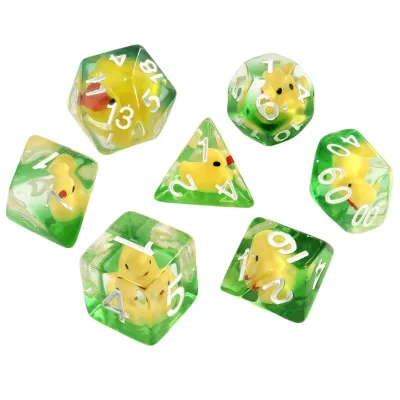
Wholesale Customized Game Dice Set 7PCS for Dungeon and Dragon Table Game
$0.60 - $0.80
MOQ: 10000 Pieces







Comprehensive Sourcing Guide
Dungeons and Dragons D&D Dice Set Sourcing Guide
Sourcing high-quality dice sets for tabletop gaming requires a nuanced understanding of material properties, manufacturing precision, and regulatory compliance. Buyers must navigate a market where aesthetic appeal often competes with functional durability, particularly when dealing with transparent or mixed-color acrylic and resin products. The core keyword "Dungeons and Dragons D&D Dice Set" signals a demand for specialized polyhedral shapes, typically including hexahedrons and octahedrons, which are essential for role-playing game mechanics. Procurement teams should prioritize suppliers who offer customization options, as branded or themed dice are common in this sector.
The procurement landscape for these items is characterized by a wide variance in product models, ranging from standard educational toys to complex custom gemstone designs. Observed listings indicate a significant spread in minimum order quantities, suggesting that buyers can scale orders from small batches for testing to large volumes for retail distribution. It is critical to distinguish between generic educational toys and specialized gaming accessories, as the latter often require stricter tolerances for weight distribution and face readability. Understanding these distinctions helps in selecting the right supplier tier and negotiating terms that align with inventory turnover goals.
Product Scope and Observed Listing Signals
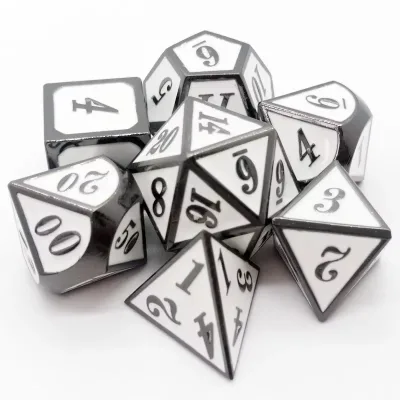
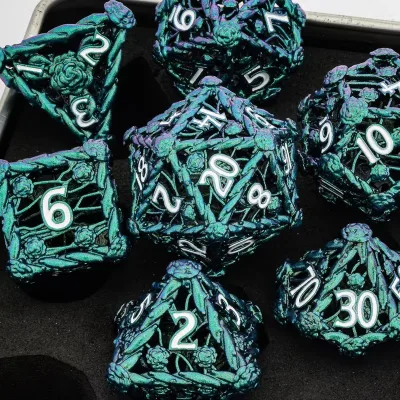
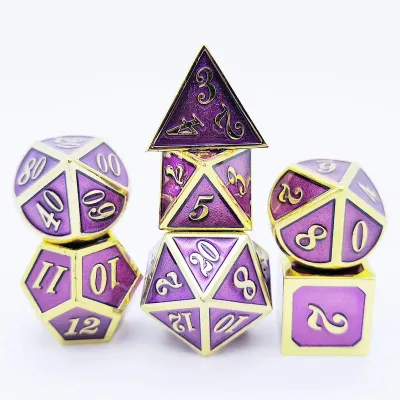
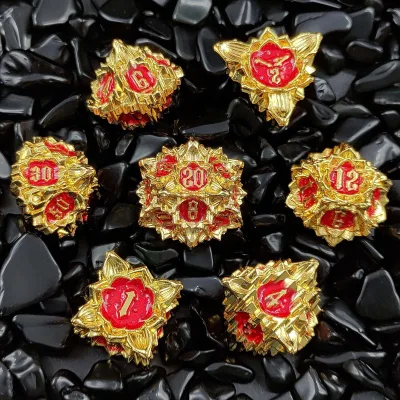
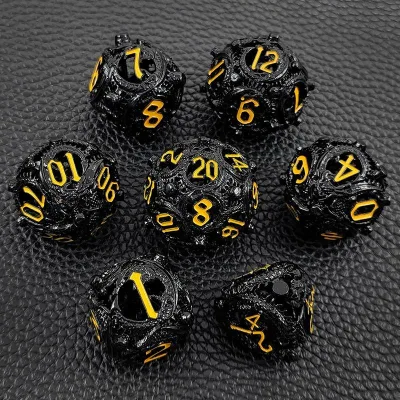
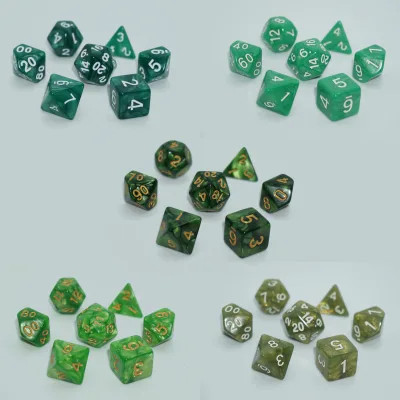
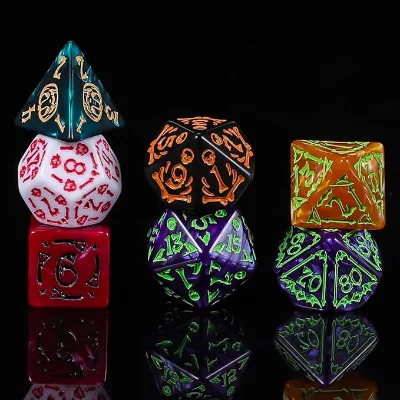
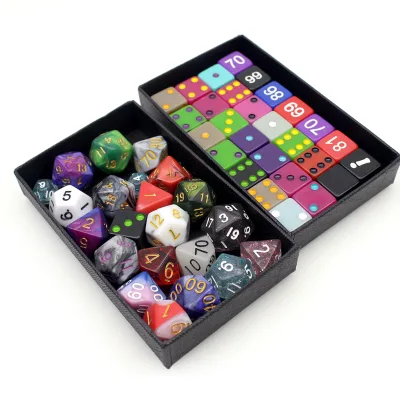
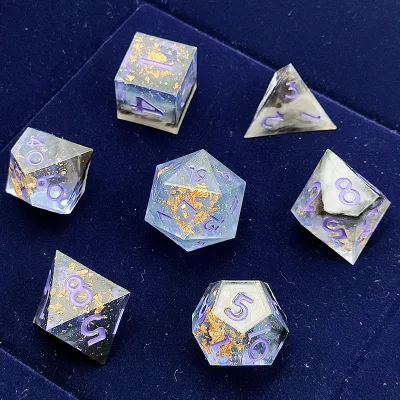
The observed product scope encompasses a diverse array of dice styles, including 16mm D6 DOT dice, acrylic materials with mixed colors, and resin materials featuring marble patterns. These variations cater to different market segments, from casual gamers seeking affordable options to collectors looking for premium, visually striking pieces. The presence of expansion packs and educational genres indicates that some products are designed for broader applications, such as classroom settings or family game nights, while others are strictly for hobbyist use. Buyers should carefully review product descriptions to ensure the specific shape and material match their target audience's expectations.
Listing signals reveal that customization is a widely available attribute, allowing buyers to tailor colors, packaging, and even branding to their specific needs. The observed price range of 0.03 to 28 USD highlights the extreme variability in quality and volume, necessitating a thorough evaluation of unit costs against expected margins. Additionally, the availability of single or mixed color options provides flexibility in inventory management, enabling buyers to offer variety without overstocking specific SKUs. It is advisable to request samples of different styles to assess the tactile feel and visual clarity before committing to large orders.
Technical Specifications to Verify
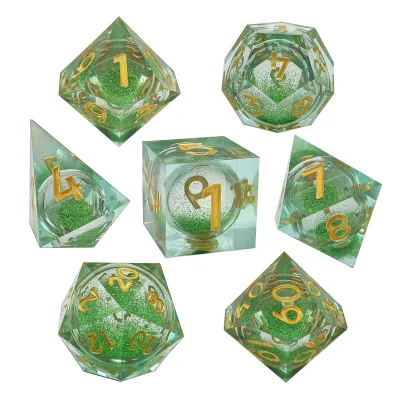
Technical verification begins with confirming the precise dimensions and shapes of the dice, such as hexahedrons and octahedrons, which are critical for gameplay integrity. Buyers should verify that the standard sizes, typically ranging from 10-30mm, align with ergonomic preferences and table space constraints. The material composition, whether acrylic, poly resin, or plastic, must be confirmed for durability and weight characteristics. Transparent or marble-finish dice require additional scrutiny to ensure that the internal inclusions do not interfere with number readability or balance.
Packaging specifications are equally important, as they impact both product protection and shelf appeal. Options such as plastic bags, setup boxes, or customized outer cartons should be evaluated based on shipping efficiency and retail presentation requirements. Buyers must also verify the lead times, which can extend up to 30 days for customized orders, to ensure alignment with launch schedules. Confirming the production model numbers, such as 544, 694, or 718, helps in tracking specific batches and maintaining consistency across reorders.
Compliance and Safety Documentation
Compliance with international safety standards is non-negotiable for toys and gaming accessories, particularly those marketed to younger audiences or used in educational settings. Buyers must ensure that suppliers provide valid certifications, such as CE, EN71, and ASTM F963-96A, which attest to the product's safety regarding chemical composition, mechanical hazards, and flammability. These certifications are essential for importing goods into regulated markets and avoiding customs delays or product recalls. It is crucial to verify that the certifications are current and cover the specific materials used in the dice, such as acrylic or resin.
Documentation should also include detailed test reports that validate the safety claims, particularly for products containing mixed colors or marble effects that may involve additional dyes or resins. Buyers should request certificates of conformity for each batch to ensure ongoing compliance, as manufacturing processes can vary over time. Additionally, verifying the product origin, typically made in China, helps in assessing the supply chain's reliability and the supplier's familiarity with export regulations. Proper documentation not only mitigates legal risks but also enhances brand trust among consumers who prioritize safety.
Cost Drivers and Commercial Terms
Cost drivers for dice sets include material selection, customization complexity, and order volume. Acrylic and resin materials generally command higher prices than standard plastic due to their aesthetic appeal and manufacturing intricacies. Customization options, such as specific colors, packaging designs, or branding, add to the unit cost but can significantly enhance market differentiation. Buyers should analyze the total landed cost, including shipping and duties, rather than focusing solely on the unit price, to make informed procurement decisions.
Commercial terms, including minimum order quantities and payment conditions, vary widely across suppliers. Observed MOQs range from 2 to 30,000 units, offering flexibility for both small businesses and large retailers. Buyers should negotiate terms that align with their cash flow and inventory management strategies, such as staggered shipments or flexible payment schedules. It is also important to clarify responsibilities for shipping and insurance, especially for large orders, to avoid unexpected costs. Understanding these commercial dynamics helps in building a sustainable and profitable sourcing relationship.
Supplier Qualification and Quality Control
Supplier qualification involves assessing the manufacturer's production capabilities, quality control processes, and track record in the gaming accessory market. Buyers should verify the supplier's ability to maintain consistent quality across batches, particularly for customized orders where variations in color or finish are common. Requesting references or case studies from previous clients can provide insights into the supplier's reliability and responsiveness. Additionally, evaluating the supplier's infrastructure, such as injection molding or resin casting facilities, helps in understanding their capacity to meet volume demands.
Quality control measures should include pre-shipment inspections to verify product dimensions, weight distribution, and visual defects. Buyers should establish clear acceptance criteria for defects, such as chipped edges or misaligned numbers, and communicate these expectations to the supplier. Implementing a robust quality assurance protocol, including random sampling and testing, helps in identifying issues early and preventing costly returns. Building a strong relationship with the supplier through regular communication and feedback loops can further enhance product quality and service levels.
Long-Term Procurement Checks
Long-term procurement checks focus on maintaining supplier performance and adapting to market changes. Buyers should conduct periodic reviews of supplier metrics, such as on-time delivery rates, defect rates, and responsiveness to issues. These reviews help in identifying potential risks and opportunities for improvement, ensuring that the supply chain remains resilient and efficient. Additionally, staying informed about industry trends, such as new materials or design innovations, allows buyers to proactively update their product offerings and stay competitive.
It is also essential to monitor regulatory changes and market dynamics that may impact sourcing strategies. Buyers should maintain open lines of communication with suppliers to discuss future needs, potential product updates, and any challenges in the supply chain. Developing a diversified supplier base can mitigate risks associated with single-source dependencies, ensuring continuity of supply even in adverse conditions. By implementing these long-term checks, buyers can build a sustainable and agile procurement function that supports business growth and customer satisfaction.
FAQs
What certifications do the dice sets have?
The dice sets carry CE, En71, and ASTM F963-96A certifications to ensure safety compliance for international markets. These standards verify that the acrylic and resin materials meet rigorous toy safety requirements for children and adults alike.
Can I customize the dice set packaging?
Yes, customization is available for the packaging options including plastic bags, setup boxes, or fully customized outer cartons. Buyers can select specific packing styles to match their branding needs while maintaining product integrity during shipping.
What is the typical lead time for orders?
The standard lead time for production is approximately 30 days from order confirmation. This duration allows for quality control checks and ensures that customized orders are manufactured accurately according to the specified design requirements.
Which materials are used for the dice?
The dice are primarily made from acrylic or poly resin materials, offering options like single color, mixed color, or marble finishes. These durable materials ensure the dice are suitable for repeated use in various gaming environments.
What is the minimum order quantity required?
The minimum order quantity ranges from 2 to 30,000 units depending on the specific product model and customization level. Buyers can negotiate flexible MOQs to suit their inventory needs while accessing bulk pricing advantages.
Are these dice suitable for educational purposes?
Yes, the dice sets are classified as educational toys with an intermediate difficulty level suitable for all ages. They support teaching modes with instructions and are designed to enhance learning through interactive gameplay in various settings.