Source Durable Liquid Automotive Paint for cars, trucks, and motorcycles
Find Durable Liquid Automotive Paint options from 30 verified suppliers. Buyers can compare specifications, certifications, and pricing for steel and iron substrates to select the right finish coat for automotive applications.
Key considerations
Products List


$1.60 - $3.50
MOQ: 20 Liter


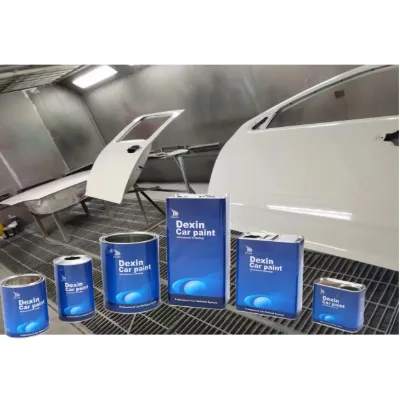


CE Approved Auto Paint for Automobiles
$20000.00 - $25000.00
MOQ: 1 Pieces
Guangzhou Infitech Mechanical and Electrical Equipment Co., Ltd.
Comprehensive Sourcing Guide
Strategic Sourcing Guide for Durable Liquid Automotive Paint
Procuring Durable Liquid Automotive Paint requires a rigorous approach that balances technical performance with supply chain reliability. The market offers a wide array of options, from high-solid formulations to conversion-type mechanisms, each designed for specific substrates and application methods. Buyers must navigate a complex landscape of raw materials, including acrylic and polyurethane systems, to ensure the selected product meets the longevity and aesthetic requirements of automotive applications. This guide outlines the critical factors for evaluating suppliers and products, ensuring that procurement decisions are grounded in verified data rather than marketing assertions.
Technical Specifications and Formulation Analysis
The foundation of a successful automotive paint procurement lies in understanding the specific technical attributes of the product. The core keyword "Durable Liquid Automotive Paint" encompasses a variety of formulations, primarily distinguished by their main raw materials and formation mechanisms. In the current market, high-confidence observations indicate that products are available with Acrylic and Polyurethane as the primary raw materials. Acrylic-based paints often offer excellent color retention and UV resistance, while polyurethane systems are frequently chosen for their superior hardness and chemical resistance.
The physical state of the product is a critical selection criterion. The observed data confirms that Liquid is the standard appearance for these automotive supplies, facilitating easy application. However, buyers must also consider the High Solid variant, which is designed to reduce volatile organic compound (VOC) emissions while maintaining film thickness. The Film Forming Matter is a consistent component across these products, serving as the binder that holds the pigment and additives together to create a cohesive protective layer.
Application methodology significantly influences the final finish. The supply chain supports multiple Method options, including Brush and Spray. The choice between these methods depends on the scale of production and the specific geometry of the vehicle parts being coated. For instance, spray application is often preferred for large surface areas to ensure uniform coverage, while brush application might be utilized for touch-ups or specific detailing. Furthermore, the Formation Mechanism is predominantly Conversion Type, indicating that the paint undergoes a chemical reaction during curing to achieve its final durable state. This is distinct from simple drying processes and is essential for the long-term adhesion and hardness required in automotive environments.
Compliance, Certification, and Regulatory Standards
Navigating the regulatory landscape is paramount for international procurement. Automotive paints are subject to strict environmental and safety standards. Verified product attributes indicate that suppliers often provide ISO certifications, specifically ISOCCC and RoHS, which are critical for ensuring the product does not contain restricted hazardous substances. Additionally, some listings reference ISO 9001:2008, ISO TS16949, and ISO 14001, suggesting a commitment to quality management, automotive-specific quality control, and environmental management systems.
It is vital for buyers to verify the specific standard numbers provided in the product documentation. While some sources mention GB/T 13492-92, this is a Chinese national standard for automotive paint, and its applicability depends on the target market's regulatory requirements. Buyers should not assume that a single certification covers all global markets. The presence of a CE mark is noted in background data but should be treated with caution and verified against the specific product batch, as it is not a high-confidence fact for every listed item.
When evaluating compliance, procurement teams must request the Certificate of Analysis (CoA) for each batch. This document should confirm the absence of heavy metals and other restricted substances. The Standard field in product listings often includes specific volume requirements, such as 1L, 3.75L, 4L, or 20L containers, which can impact logistics and storage compliance. Ensuring that the packaging and labeling meet the destination country's regulations is a non-negotiable step in the sourcing process.
Cost Drivers and Economic Considerations
The pricing structure for Durable Liquid Automotive Paint is influenced by several variables, including raw material costs, packaging, and order volume. The observed price range in the market is extensive, spanning from $0.33 to $700,000 USD. This vast disparity highlights the difference between small-scale retail units and bulk industrial procurement. The lower end of the spectrum likely represents small sample kits or single-liter cans, while the upper end reflects large-scale industrial orders or specialized custom formulations.
MOQ (Minimum Order Quantity) is a significant cost driver. The observed MOQ range is 1 to 29,740 units. A low MOQ of 1 allows for prototyping and small-batch testing, which is essential for verifying quality before committing to large orders. However, higher MOQs, such as 12 units or bulk orders, often result in a lower unit cost. Buyers must balance the need for inventory flexibility with the economies of scale offered by larger orders.
Packaging also impacts the final cost. Products are available in Carton, Metal Can, and Tin Packing formats. The Metal Can and Tin Packing options are generally more robust, protecting the liquid paint from leakage and degradation during transit, but they may carry a higher unit price compared to standard cartons. The specific dimensions of the packaging, such as 340mm220mm270mm, must be considered for logistics planning, as they affect container utilization and shipping costs. Buyers should request detailed cost breakdowns that separate the product price from packaging and shipping fees to accurately assess the total cost of ownership.
Typical Applications and Substrate Compatibility
Understanding the intended application is crucial for selecting the right automotive paint. The primary Purpose of these products is Automotive Paint Supplies, designed to enhance the durability and appearance of vehicle surfaces. The Substrate compatibility is a key technical specification; the data confirms that these paints are formulated for Steel and Iron substrates. This makes them suitable for a wide range of automotive components, from chassis parts to body panels.
The Level of the paint is another critical factor. Products are categorized as Finish Coat or Level_Basecoat, indicating their role in the multi-layer painting process. A Finish Coat provides the final color and gloss, while a Basecoat serves as the foundation for the clear coat. Some products are also described as Antiseptic Paint, suggesting additional protective properties against corrosion or biological growth, which is beneficial for vehicles operating in harsh environments.
The Color options vary significantly. While some products are available in specific shades like White, others offer a broader palette including Gray, Red, and Blue. The ability to customize colors is a valuable feature, as indicated by the Customization: Available attribute. This allows manufacturers to match specific brand colors or customer requirements. The Appearance of the paint, whether High Solid or standard Liquid, also influences the final visual outcome and the number of coats required to achieve the desired opacity and gloss.
Supplier Evaluation and Operational Capabilities
Evaluating potential suppliers requires a deep dive into their operational capabilities and geographic location. The primary prod_origin for these products is Guangdong, China, with specific mentions of Guangzhou as a manufacturing hub. This region is known for its robust chemical and automotive supply chains, offering a wide variety of options. However, buyers must verify the specific factory location to ensure it aligns with their logistics strategy and risk management policies.
The Condition of the product is listed as New, which is a standard expectation for fresh inventory. Buyers should also inquire about the Shelf Time, which is observed to be up to 5 Years for certain formulations. This long shelf life is a significant advantage for inventory management, reducing the risk of product degradation during storage. Additionally, the Available Time at 20 degrees Celsius is noted as 4 hours, indicating the pot life of the mixed paint. This is a critical parameter for production planning, as it dictates the maximum time available for application before the paint begins to cure.
The Paint Mist Treatment method, specifically Wet-type, and the Heating Mode, such as Infrared Ray, are relevant for buyers interested in the application process and environmental controls. These features suggest that the supplier may offer integrated solutions or have expertise in the curing and finishing stages. Buyers should request case studies or references from other automotive clients to validate the supplier's ability to deliver consistent quality at scale.
Quality Control and Long-Term Procurement Strategy
Implementing a robust quality control (QC) strategy is essential for maintaining the integrity of the automotive paint supply chain. Key quality parameters include Viscosity, which is observed in the range of 16-22s, and Flashing Time, typically 10-15 minutes. These metrics must be verified during the sampling phase to ensure they match the production requirements. Deviations in viscosity can lead to application issues, such as running or sagging, while incorrect flashing times can affect the curing process and final film properties.
The Model No. and prod_model fields, such as Mq-A09, Mq-A02, Roch Series, and RC-S Series, serve as unique identifiers for different product lines. Buyers should maintain a detailed database of these models to ensure consistency in future orders. The Standard field often includes specific volume configurations, such as 1Le*12tins or 4Le*4tins, which must be strictly adhered to for accurate inventory tracking.
For long-term procurement, buyers should establish a partnership with suppliers who offer Customized solutions. The availability of customization allows for adjustments in color, viscosity, and packaging to meet evolving market demands. Regular audits of the supplier's ISO compliance and quality management systems are necessary to ensure ongoing adherence to standards. Additionally, buyers should monitor the Lead Time and MOQ flexibility to adapt to changes in production schedules. By focusing on these strategic elements, buyers can secure a reliable supply of Durable Liquid Automotive Paint that meets the highest standards of quality and performance.
Summary of Key Product Attributes
To facilitate quick reference during the sourcing process, the following table summarizes the key attributes observed in the market for Durable Liquid Automotive Paint.
| Attribute Category | Specific Observations |
|---|---|
| Main Raw Material | Acrylic, Polyurethane |
| Appearance | Liquid, High Solid |
| Substrate | Steel, Iron |
| Application Method | Brush, Spray |
| Certifications | ISOCCC, RoHS, ISO 9001:2008, ISO TS16949, ISO 14001 |
| Standard Sizes | 1L, 3.75L, 4L, 20L, 1L12tins, 4L4tins |
| Shelf Life | Up to 5 Years |
| Viscosity Range | 16-22s |
| Origin | Guangdong, China (including Guangzhou) |
| Customization | Available (Color, Model, Packing) |
This structured approach ensures that buyers can make informed decisions based on verified data, minimizing risks and maximizing the value of their procurement investments in the automotive paint sector.
FAQs
What raw materials are used for Durable Liquid Automotive Paint?
The primary raw materials observed are acrylic and polyurethane. These materials form the film-forming matter that ensures durability. Acrylic offers color retention while polyurethane provides superior hardness for steel and iron substrates.
Which certifications do these automotive paints typically hold?
High-confidence certifications include ISOCCC, RoHS, ISO 9001:2008, and ISO TS16949. Some products also meet ISO 14001 standards. Buyers should verify specific batch certificates to ensure compliance with hazardous substance restrictions.
How can I customize the color and specification of the paint?
Customization is available for color, model, and packaging specifications. Products come in various models like Mq-A09 and Roch Series with options for white, gray, red, or blue. Buyers can request specific packing sizes such as 1L or 4L containers.
What is the minimum order quantity for these automotive supplies?
The minimum order quantity ranges from 1 unit to 29,740 units depending on the supplier. A low MOQ of 1 allows for prototyping, while bulk orders often start at 12 units. Pricing varies significantly based on the selected volume.
Where are these durable liquid paints manufactured?
The products originate from Guangdong, China, with specific manufacturing hubs in Guangzhou. This region supports a robust supply chain for automotive paint supplies. Buyers should verify the exact factory location for logistics planning.
What application methods are supported for this paint?
The paint supports both brush and spray application methods. The formation mechanism is conversion type, ensuring a durable finish. The liquid appearance facilitates easy application on steel and iron substrates for automotive purposes.
How long does the paint remain usable after mixing?
The available time is 4 hours at 20 degrees Celsius after mixing. The flashing time typically ranges from 10 to 15 minutes. The shelf time for unopened products can be up to 5 years.