Source Durable Knife Sharpener for Scissors for Home, Kitchen, and Workshop
Find a Durable Knife Sharpener for Scissors among 30 available options. Compare specifications such as CE and ISO certifications, power requirements, and customization features to select the right industrial or manual tool for your business needs; compare the available evidence and request quotations based on your requirements.
Key considerations
Products List


Kitchen Supplies Multi-Purpose Knife Sharpener
$1.70 - $2.13
MOQ: 150 Pieces
Jinhua Hengyang Cross-Border Trade Limited Liability Company


Multifunctional Machine USB Plug Electric Scissors Universal Knife Sharpener
$0.88 - $0.93
MOQ: 220 Pieces

USB Rechargeable Professional Electric Knife Sharpener Sharpening Machine
$5.25 - $5.29
MOQ: 40 Pieces
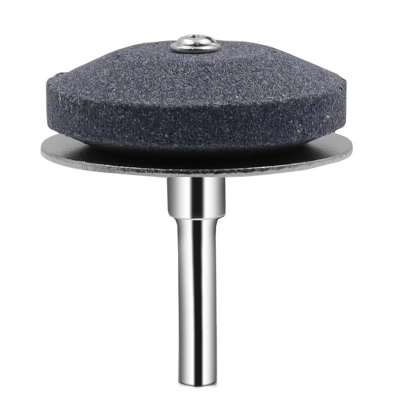
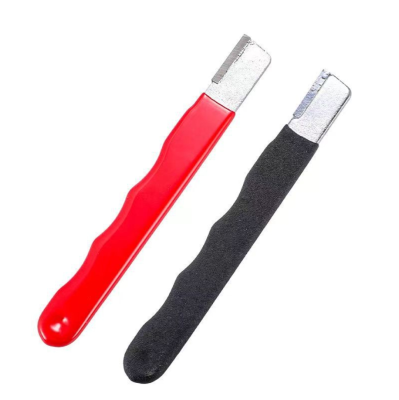


Professional Knife Sharpener for Precision Cutting and Edge Maintenance
$500.00 - $660.00
MOQ: 1 pieces

Multi-Functional Sharpener with Professional Knife Grinding Tool for Industry
$500.00 - $660.00
MOQ: 1 pieces


Comprehensive Sourcing Guide
Durable Knife Sharpener for Scissors Sourcing Guide
The market for durable knife sharpeners for scissors presents a complex landscape where industrial machinery and consumer tools often overlap in supplier listings. Buyers must distinguish between heavy-duty grinding machines designed for continuous industrial use and smaller units intended for workshop or retail environments. The observed product data reveals a wide variance in specifications, ranging from compact units with dimensions around 5.8x7.5x2.5 cm to massive industrial systems measuring 6200x1350x1550 mm. This disparity indicates that a single search term may yield results for entirely different classes of equipment, requiring careful filtering based on the intended application scale.
Procurement decisions should prioritize the specific operational requirements of the facility, as the listed power and weight specifications vary significantly across available models. Some units are rated at 9.5 Kw with a weight of 3800 Kg, while others reach 12 Kw and 5100 Kg, suggesting distinct capabilities in material removal rates and stability. Buyers must verify whether the observed "Automatic" or "Manual" power modes align with their production volume needs. Understanding these physical and operational differences is essential before engaging with suppliers to ensure the selected machinery matches the actual throughput and space constraints of the buyer's facility.
Product Scope and Observed Listing Signals
The product scope for durable knife sharpeners includes a diverse array of configurations, from specialized grinding machines to general-purpose shredding and crushing units. Listings indicate that customization is widely available, allowing buyers to tailor machine colors and logos to specific brand requirements. The observed data shows that packing methods vary from simple plastic films to robust carton boxes and color boxes, reflecting different shipping and handling needs. This variability suggests that the term "knife sharpener" may encompass a broader category of metalworking machinery, including models designed for processing plastic films like PE, HDPE, and PP, which may be relevant for specific industrial recycling or preparation workflows.
Buyers should scrutinize the listed product models and standard dimensions to confirm the exact nature of the equipment being offered. The data includes specific model numbers such as BMD-L4200 and BMD-L6200, alongside others like ks001 and HV-KN-004, each associated with unique standard dimensions and material compositions. Some units are constructed from ABS plastic, while others utilize stainless steel, a critical distinction for hygiene and durability in food or medical processing environments. The presence of "Computerized" features in some certifications further complicates the scope, indicating that advanced automation may be available for high-volume operations requiring precise control over the sharpening or grinding process.
Technical Specifications to Verify
Technical verification must begin with the machine's power consumption and physical footprint, as these factors directly impact facility infrastructure and energy costs. The observed listings show power ratings ranging from 9.5 Kw to 12 Kw, with corresponding weights of 3800 Kg and 5100 Kg. Buyers must confirm that their electrical grid can support the specific voltage requirements, such as the 3-phase 220~440V 50 or 60Hz systems noted in the data. Additionally, the physical dimensions, which can extend up to 8400x1500x1700 mm for larger models, must be validated against the available floor space and ceiling height to prevent installation failures or logistical bottlenecks.
The core components and mechanical design are equally critical for ensuring long-term operational reliability and safety. The warranty for core components is listed as one year, a standard benchmark that buyers should verify against the specific wear parts of the machine, such as the solid knife roller or crusher and shredder screws. The material composition, whether ABS or stainless steel, dictates the machine's resistance to corrosion and its suitability for specific environments. Buyers should also investigate the "Applicable Industries" listed, such as grinding machines, to ensure the equipment is engineered for the specific type of scissors or blades they intend to process, rather than generic metalworking tasks.
Compliance and Safety Documentation
Compliance verification is paramount when sourcing industrial machinery, as the safety and regulatory standing of the equipment vary by manufacturer and region. The observed data includes certifications such as CE, ISO, and FDA, which indicate adherence to specific international safety and quality standards. However, buyers must not assume that every listed product holds all these certifications; instead, they should request specific documentation for the exact model number being purchased. The presence of ISO9001 certification alongside computerized features suggests a higher level of quality management, but this must be confirmed through valid certificates issued to the specific supplier.
Safety documentation should also address the operational risks associated with high-power machinery and automated components. The "Automatic" nature of some units implies the need for comprehensive safety interlocks and emergency stop protocols, which must be clearly detailed in the user manual and safety data sheets. Buyers should verify that the machine's design complies with local occupational safety regulations, particularly regarding noise levels, vibration, and electrical safety. The "Machine Color" being customizable does not affect safety, but the underlying engineering standards for the electrical grid and mechanical guards must be rigorously checked to ensure they meet the specific safety requirements of the buyer's jurisdiction.
Cost Drivers and Commercial Terms
Cost drivers for durable knife sharpeners are heavily influenced by the machine's power rating, material composition, and level of automation. The observed price range spans from 0.16 to 20,000 USD, reflecting the vast difference between small handheld tools and large industrial grinding systems. Buyers must correlate the listed price with the specific technical specifications, such as the 12 Kw power rating or the 5100 Kg weight, to understand the value proposition. The inclusion of customization options, such as logo printing and color selection, often adds to the base cost and should be factored into the total budget before negotiation.
Commercial terms, including Minimum Order Quantity (MOQ) and lead times, vary significantly across the market and require careful negotiation. The observed MOQ range of 1 to 1000 units suggests flexibility for small buyers but may impose constraints on larger procurement projects. Buyers should clarify whether the listed price includes packaging, such as the observed plastic film or carton options, and whether shipping costs are separate. The "Production" attribute indicating OEM capabilities implies that buyers can order custom configurations, but this may extend lead times and require a higher MOQ. Understanding these terms is essential for accurate total cost of ownership calculations and supply chain planning.
Supplier Qualification and Quality Control
Supplier qualification requires a thorough assessment of the manufacturer's location, production capabilities, and quality assurance processes. The data indicates origins in China, specifically in regions like Zhejiang and Ningbo, which are known hubs for manufacturing machinery. Buyers should verify the supplier's ability to deliver on the "Customization" and "OEM" promises, ensuring they have the necessary infrastructure to produce machines with specific materials like stainless steel or ABS. The "Machine Color" being customizable is a positive indicator of flexibility, but it must be backed by a robust quality control system to ensure consistency across batches.
Quality control measures should focus on the durability of core components and the accuracy of the machine's specifications. The one-year warranty on core components is a baseline expectation, but buyers should inquire about the availability of spare parts and the supplier's track record for after-sales support. The "Popular" attribute listed as "Good" suggests market acceptance, but this should be validated through independent references or site visits. Buyers must ensure that the supplier can provide test results or performance data that confirm the machine meets the stated power, weight, and dimension specifications, particularly for high-volume industrial applications where reliability is critical.
Long-Term Procurement Checks
Long-term procurement success depends on establishing a sustainable relationship with suppliers who can support the machine throughout its lifecycle. Buyers should prioritize suppliers who offer comprehensive training and technical support, especially for automated or computerized units that require specialized operation. The "Warranty of Core Components" is a starting point, but buyers should negotiate extended service agreements to cover potential downtime and maintenance needs. The ability to source replacement parts, such as the solid knife roller or crusher screws, is essential for maintaining operational continuity and minimizing production losses.
Future-proofing the procurement strategy involves monitoring the supplier's ability to adapt to changing market demands and technological advancements. The observed data shows a trend toward customization and automation, suggesting that suppliers must remain agile to meet evolving buyer needs. Buyers should establish clear communication channels for feedback and continuous improvement, ensuring that the machine can be upgraded or modified as production requirements change. Regular performance reviews and maintenance schedules should be implemented to extend the machine's lifespan and ensure it continues to meet the high standards of durability and efficiency required for long-term industrial use.
FAQs
Can Durable Knife Sharpener for Scissors be customized for specific branding needs?
Yes, customization is available for Durable Knife Sharpener for Scissors to meet specific branding requirements. Buyers can request custom logos and tailored machine colors according to their needs. This flexibility allows businesses to align the equipment with their corporate identity. OEM production is supported, ensuring that the final product reflects the buyer's unique design preferences and operational standards effectively.
What certifications are typically required for Durable Knife Sharpener for Scissors?
Durable Knife Sharpener for Scissors often requires CE and ISO certifications to ensure safety and quality compliance. Some models may also hold FDA or ISO9001 standards depending on the application. These certifications verify that the machinery meets international regulatory requirements. Buyers should verify specific certification documents with suppliers to ensure the equipment is suitable for their target market and industry regulations.
How does the power consumption of Durable Knife Sharpener for Scissors vary?
Power consumption for Durable Knife Sharpener for Scissors varies based on the model and capacity. Some units operate at 9.5 Kw, while others may require 12 Kw. The electric grid support typically includes 3p 220~440V at 50 or 60Hz. Buyers should select a model that matches their facility's electrical infrastructure to ensure efficient operation and avoid power compatibility issues during installation.
What is the typical packaging method for Durable Knife Sharpener for Scissors?
Packaging for Durable Knife Sharpener for Scissors typically includes carton, plastic film, or color box options. The choice depends on the product size and shipping requirements. Larger industrial units may use wrap film for protection, while smaller devices might come in color boxes. Proper packaging ensures the equipment arrives safely, preventing damage during transit and handling by logistics providers.
Which specifications should be checked for Durable Knife Sharpener for Scissors?
Key specifications to check include machine size, weight, and core component warranty. Dimensions can range from compact models to large industrial units weighing up to 5100 Kg. The warranty for core components is typically one year. Buyers should review the exact model number and standard dimensions to ensure the equipment fits their workspace and meets their production capacity requirements.
Can Durable Knife Sharpener for Scissors handle different plastic types?
Yes, Durable Knife Sharpener for Scissors can process various plastic types such as PE, HDPE, LDPE, LLDPE, PP, and BOPP film. The machine often features a solid knife roller and crusher-shredder screw mechanism. This versatility allows the equipment to handle diverse material inputs efficiently. Buyers should confirm the specific plastic compatibility with the supplier to ensure optimal performance for their recycling or processing needs.