Source Durable Plastic Wardrobe Hanger for Home, Shop, and Storage
Find and compare 30 listings for Durable Plastic Wardrobe Hanger options suitable for home, clothes shop, and storage needs. Buyers can evaluate customization, material composition, and delivery times from suppliers in China.
Key considerations
Products List


Plastic Hanger with Detachable Clips for Versatile Clothing Hanging Needs
$0.10 - $0.90
MOQ: 10 Pieces

Detachable Plastic Hanger for Easy Storage When Not in Use and Space Saving
$0.10 - $0.90
MOQ: 10 Pieces


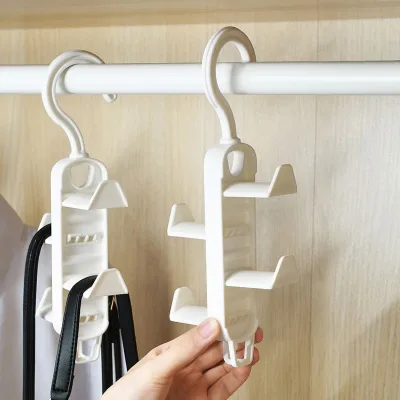


Multi-Functional Plastic Clothes Hangers Anti-Slip Hotel Plastic Hangers
$0.18 - $0.19
MOQ: 1000 Pieces


Standard Quality Black Plastic Closet Pant Hangers with 2-Adjustable Anti-Rust Clips
$0.15 - $0.50
MOQ: 1000 Pieces


Comprehensive Sourcing Guide
Strategic Sourcing Guide for Durable Plastic Wardrobe Hangers
Procuring durable plastic wardrobe hangers requires a nuanced understanding of material science, manufacturing capabilities, and supply chain logistics. The market offers a wide array of options, ranging from basic single-use units to heavy-duty, customizable solutions designed for retail and residential storage. For buyers in the B2B sector, the primary objective is to secure products that balance structural integrity with cost-efficiency while adhering to specific customization requirements. This guide outlines the critical factors for sourcing these items, focusing on the technical attributes, material composition, and operational standards observed in the current market.
Technical Specifications and Material Composition
The foundation of a durable hanger lies in its material selection and manufacturing process. Current market data indicates that the predominant material for these products is plastic, specifically utilizing injection molding as the primary workmanship technique. This method ensures high precision and consistency in the final product, which is essential for maintaining the structural integrity required to support various types of garments. The injection molding process allows for the creation of complex geometries, such as contoured shoulders and reinforced necks, which are critical for preventing garment slippage and deformation.
When evaluating the material composition, buyers must note that the fabric type or material source often involves less than 40% new materials. This suggests a significant reliance on recycled or reclaimed plastic content, which can be a strategic advantage for companies aiming to meet sustainability goals. However, the presence of recycled content necessitates rigorous quality control to ensure that the mechanical properties, such as tensile strength and impact resistance, are not compromised. The thickness of the hanger is a key specification, with observed values ranging from 0.4cm to 1cm. Thicker profiles generally correlate with higher load-bearing capacity, making them suitable for heavy winter coats or suits, while thinner profiles may be optimized for lightweight tops or undergarments.
Dimensional tolerances are another critical technical parameter. The market standard for dimensional tolerance is observed to be less than 5mm inclusive. This tolerance level ensures that the hangers fit standard wardrobe rails and closet systems without causing friction or jamming. Buyers should verify that the supplier's production lines can consistently maintain this tolerance across large batches. Additionally, the product model numbers vary, with specific identifiers like 2608231401 and sy001 appearing in the supply chain, indicating distinct design iterations or customization levels.
Customization and Design Flexibility
One of the most significant advantages of sourcing plastic hangers is the extensive customization available. The attribute "Customization" is marked as available, allowing buyers to tailor products to their specific brand identity or functional needs. This flexibility extends to the standard dimensions, with options for customizable sizes and standards. For instance, specific product standards have been observed at 4222cm and 4523*1.2cm, but the ability to customize these dimensions is a key selling point for buyers with unique storage requirements.
The style of the hanger also plays a vital role in its application. The market features both "Adjustable" and "Multifunctional" styles. Adjustable hangers are particularly useful for accommodating different garment sizes, while multifunctional designs often incorporate features like hooks, rails, or folding mechanisms. The functional design attributes observed include "Flexible" and "Foldable" characteristics, which are ideal for space-saving storage solutions. These designs are particularly relevant for applications in behind-doors, on walls, or within wardrobes where space is at a premium.
Furthermore, the packaging options offer another layer of customization. Buyers can choose from various packing methods, including wooden boxes, cartons, boxes, and OPP bags. The choice of packaging often depends on the end-use scenario; for example, wooden boxes may be preferred for premium retail presentation, while OPP bags might be more suitable for bulk distribution or cost-sensitive projects. The ability to accept customization in packing and product standards allows suppliers to align their offerings with the buyer's logistical and branding strategies.
Compliance, Certification, and Environmental Considerations
While the primary focus is on durability and function, environmental compliance is increasingly important in the procurement of plastic goods. The observed product attributes include "Eco-Friendly Material" as a key feature, aligning with the use of less than 40% new materials. This suggests that many suppliers are integrating recycled content into their production processes. However, buyers should be cautious not to assume universal certification status. While FSC (Forest Stewardship Council) is mentioned in background knowledge, it is not explicitly confirmed for all plastic hanger products in the provided data. Therefore, buyers must request specific certification documentation from suppliers to verify claims regarding eco-friendly materials or sustainable sourcing.
In terms of standards, the market exhibits a mix of customizable and fixed standards. Some products adhere to specific dimensional standards like 42*22cm, while others are fully customizable. This variability means that buyers cannot rely on a single universal standard for all plastic hangers. Instead, they must define their own quality benchmarks based on the intended application. For instance, hangers intended for heavy-duty use in clothing shops may require stricter adherence to load-bearing tests compared to those for home use.
Cost Drivers and Pricing Dynamics
The pricing of durable plastic wardrobe hangers is influenced by several factors, including material costs, customization levels, and order volume. The observed price range in the market is quite broad, spanning from $0.06 to $10 per unit. This wide variance reflects the differences in product complexity, material quality, and packaging requirements. Basic, single-phase hangers with standard dimensions and minimal customization will likely fall at the lower end of this spectrum. In contrast, multifunctional, adjustable, or custom-branded hangers with premium packaging will command higher prices.
The Minimum Order Quantity (MOQ) is another significant cost driver. The observed MOQ range is from 1 to 5000 units. Suppliers with lower MOQs may charge a premium per unit to cover setup and production costs, while those with higher MOQs can offer more competitive pricing due to economies of scale. Buyers should carefully evaluate their inventory needs against these MOQ thresholds to optimize their procurement costs. Additionally, the delivery time, observed to be between 7 to 15 days, can impact the overall cost structure, particularly for urgent orders that may require expedited shipping.
Typical Applications and Usage Scenarios
The versatility of plastic wardrobe hangers makes them suitable for a wide range of applications. The observed usage occasions include "Home" and "Clothes Shop," indicating that these products serve both residential and commercial markets. In a retail setting, hangers are often used to display tops, trousers, and underwear, requiring a multifunctional design that can handle various garment types. The application attributes specifically list "Tops," "Trousers," and "Underwear," confirming their suitability for diverse clothing categories.
For home use, the hangers are designed for neatening and storage in spaces such as bathrooms, living rooms, and wardrobes. The installation type is often "Hook Type" or "Other," allowing for flexible mounting behind doors or on walls. This adaptability makes them ideal for maximizing storage space in smaller living areas. The product type is categorized as "Hooks & Rails" or "Wet and Dry Clothes Rack," suggesting that some models are designed to handle both dry and damp clothing, which is a valuable feature for bathrooms or laundry areas.
Supplier Evaluation and Quality Control
Selecting the right supplier is critical for ensuring the quality and reliability of the sourced hangers. Buyers should prioritize suppliers who demonstrate transparency in their production processes and material sourcing. The origin of the products is noted as "Shandong" and "China," regions known for their manufacturing capabilities. However, buyers should verify the specific factory location and production capacity to ensure the supplier can meet their volume requirements.
Quality control should focus on the workmanship, specifically the injection molding process. Buyers should request samples to inspect the finish, dimensional accuracy, and structural integrity. The single gross weight of the products, observed at 0.750kg and 0.130kg depending on the model, can serve as a proxy for material density and quality. Lighter products may indicate thinner walls or less material, which could affect durability. Additionally, buyers should verify the dimensional tolerance claims, ensuring that the products consistently meet the <5mm inclusive standard.
Long-Term Procurement Considerations
For long-term procurement, buyers should consider the scalability and flexibility of their supplier relationships. The ability to customize products and packaging allows for adaptation to changing market trends and customer preferences. Suppliers who offer OEM/ODM services can provide significant value by helping buyers develop unique product lines that differentiate them from competitors. The delivery time of 7-15 days is a standard benchmark, but buyers should negotiate lead times that align with their inventory planning to avoid stockouts.
Sustainability is another long-term consideration. As environmental regulations tighten, the use of eco-friendly materials and recycled content will become increasingly important. Buyers should work with suppliers who can provide documentation on the source and composition of their materials to ensure compliance with future regulations. By focusing on these strategic factors, buyers can build a resilient supply chain that supports their business goals while maintaining high standards of quality and sustainability.
Comparative Analysis of Product Attributes
To assist buyers in making informed decisions, the following table summarizes key product attributes observed in the market:
| Attribute Category | Observed Values | Relevance to Buyer |
|---|---|---|
| Material | Plastic, Less Than 40% New Materials | Indicates potential for recycled content; verify mechanical properties. |
| Workmanship | Injection Molding | Ensures precision and structural consistency. |
| Thickness | 0.4cm to 1cm | Correlates with load-bearing capacity and durability. |
| Dimensional Tolerance | <5mm (Inclusive) | Critical for fit on standard rails and closet systems. |
| Customization | Available (Size, Standard, Packing) | Allows for brand alignment and specific functional needs. |
| Packaging | Wooden Box, Carton, Box, OPP | Impacts presentation and logistics costs. |
| Origin | Shandong, China | Indicates manufacturing hub; verify specific factory details. |
| Delivery Time | 7-15 Days | Standard lead time; negotiate for urgent needs. |
| Application | Tops, Trousers, Underwear, Home, Shop | Confirms versatility for various garment types and settings. |
By carefully analyzing these attributes and aligning them with specific procurement needs, buyers can navigate the complex landscape of durable plastic wardrobe hangers effectively. The key is to balance the desire for customization and sustainability with the practical requirements of cost, quality, and supply chain reliability.
FAQs
What material is used for durable plastic wardrobe hangers?
The primary material used is plastic, often containing less than 40% new materials. This composition allows for injection molding workmanship which ensures structural consistency and durability for various garment types.
Can I customize the size and packaging of these hangers?
Yes, customization is available for both product dimensions and packaging methods. Buyers can select from options like wooden boxes, cartons, or OPP bags, and request specific standard sizes such as 42 by 22 centimeters.
What is the typical delivery time for these plastic hangers?
The standard delivery time ranges from 7 to 15 days for most orders. This lead time applies to various product models and customization levels, ensuring timely supply for both home and retail usage occasions.
Which dimensions are standard for these wardrobe hangers?
Standard dimensions observed include 42 by 22 centimeters and 45 by 23 by 1.2 centimeters. Customizable sizes are also available, with dimensional tolerances maintained at less than 5 millimeters inclusive for precise fitting.
How does the MOQ affect the pricing of these hangers?
The minimum order quantity ranges from 1 to 5000 units, directly influencing the unit price. Lower MOQs may result in higher per-unit costs, while larger orders often benefit from economies of scale within the 0.06 to 10 USD price range.
Are these hangers suitable for both home and shop use?
Yes, they are designed for multiple usage occasions including home storage and clothes shops. Their multifunctional and adjustable styles make them ideal for displaying tops, trousers, and underwear in various settings like wardrobes or behind doors.