Source Automatic Truck Head Lamp for Mining, Construction, and Transport
Find and compare 30 listings for Automatic Truck Head Lamp from verified suppliers. Explore options with LED technology, various voltage ratings, and certifications like CCC and DOT for heavy-duty applications.
Key considerations
Products List


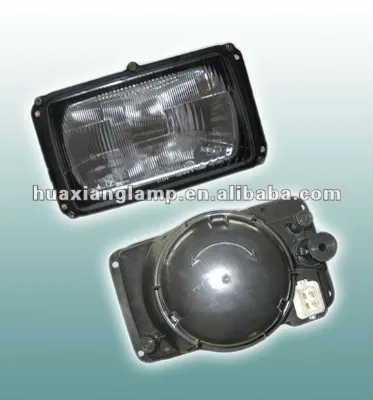
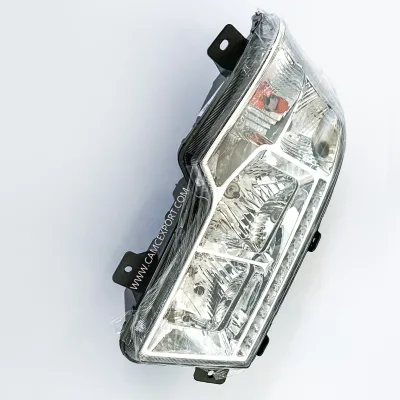
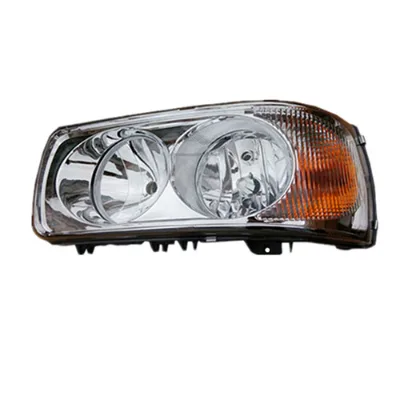
Factory Direct High Quality Truck Head Light Dz9100726030 Left Head Lamp F2000
$5.00 - $100.00
MOQ: 500 Pieces




Comprehensive Sourcing Guide
Strategic Sourcing Guide for Automatic Truck Head Lamps
The global procurement landscape for heavy-duty vehicle components demands rigorous due diligence, particularly when sourcing automatic truck head lamps. These systems are critical for operational safety, ensuring optimal visibility in varying environmental conditions while reducing driver fatigue. For buyers operating in the commercial transport sector, understanding the intersection of technical specifications, regulatory compliance, and supply chain reliability is essential. This guide synthesizes available market data to provide a structured approach for evaluating suppliers and selecting components that meet the demanding requirements of modern logistics fleets.
Technical Architecture and Performance Specifications
When evaluating automatic truck head lamps, the primary focus must be on the underlying technology that drives the automatic functionality. In the current market, LED technology has become the dominant standard due to its superior energy efficiency, longevity, and brightness compared to traditional halogen units. Buyers should verify that the product utilizes LED materials, which offer a color temperature typically around 6500K, providing a crisp white light that mimics daylight. This specific color temperature is crucial for reducing eye strain during night operations.
The electrical architecture of these lamps is another critical specification. Heavy-duty trucks often operate on dual voltage systems. While some commercial vehicles utilize 12V systems, larger heavy-duty trucks frequently require 24V systems to handle higher power loads. Procurement teams must confirm the voltage compatibility of the headlamp unit with the specific truck model to prevent electrical failures. Furthermore, the wattage and lumens output are key performance indicators. A typical high-performance unit may operate at 70W, delivering approximately 6000 lumens. This high luminous flux ensures that the road ahead is illuminated sufficiently for high-speed travel.
The physical design of the bulb and housing also dictates compatibility. The bulb shape code is a fundamental identifier; for instance, H8 or H5W bases are common in various truck applications. The automatic feature itself often relies on sensors that adjust the beam angle or intensity based on ambient light or vehicle speed. Buyers should look for units designed with specific functions such as dipped headlights, high beams, and front position lamps. The housing must be robust, often featuring a shock-resistant design to withstand the vibrations inherent in heavy transport. Additionally, the resistance to water is non-negotiable, as these components are exposed to the elements. A waterproof rating ensures that moisture ingress does not compromise the electrical connections or cause short circuits.
Regulatory Compliance and Certification Standards
Navigating the regulatory landscape is perhaps the most complex aspect of sourcing truck head lamps. Different markets enforce distinct standards that dictate which products can be legally sold and installed. In the European market, compliance with Euro emission standards for the vehicle itself is a prerequisite, but the lighting components must also meet specific safety regulations. The presence of certifications such as CCC (China Compulsory Certification) and DOT (Department of Transportation) is a strong indicator of compliance with major regulatory frameworks.
Buyers must verify that the supplier provides documentation confirming the product meets the required standards. The market data indicates that products may carry certifications like SGS, BV, and WMI, which are third-party verification bodies. However, the specific certification required depends on the destination market. For example, a truck intended for the European market may require specific E-mark certifications, while North American trucks require DOT approval. The absence of these certifications can lead to customs delays or legal liabilities.
Furthermore, the product standard itself must be clearly defined. While some suppliers list "Standard" as a generic category, buyers should seek specific references to international safety standards. The material composition, such as the use of plastics for the housing or specific LED arrays, must also align with fire safety and durability regulations. It is imperative to request a certificate of conformity for each batch of goods to ensure that the products delivered match the certified samples.
Cost Drivers and Pricing Dynamics
The pricing of automatic truck head lamps is influenced by a complex array of factors, ranging from raw material costs to logistical expenses. The observed price range in the market is extremely broad, spanning from $0.10 to $38,000. This variance is not indicative of a single product type but rather reflects the difference between individual components, such as a single bulb, and complete assembly units or specialized heavy-duty systems. A single LED headlight unit typically falls on the lower end of this spectrum, while a full set of automatic lighting systems for a fleet of heavy trucks can reach the higher figures.
Several specific cost drivers must be considered. First, the technology level significantly impacts price. Units with advanced automatic sensors, higher wattage, and superior lumens output command a premium. Second, the certification status adds cost; products with multiple certifications like CCC and DOT require more rigorous testing and quality control processes, which are reflected in the final price. Third, the packaging and delivery method influence the cost. Products shipped with specialized packaging, such as "Nud Wax Before Delivery" or "Carton+Pallet," incur higher logistics costs compared to standard paper box packaging.
The Minimum Order Quantity (MOQ) also plays a role in the unit price. Suppliers often offer tiered pricing structures where the cost per unit decreases as the order volume increases. The observed MOQ range varies from 1 to 3000 units, with some suppliers setting a baseline of 100 units for specific high-value items. Buyers should negotiate based on their total volume requirements to optimize the cost per unit. Additionally, the origin of the product, such as Shandong Province, China, can affect pricing due to local manufacturing costs and export incentives.
Typical Applications and Compatibility
Automatic truck head lamps are designed for a wide range of heavy-duty applications, primarily in the commercial transport sector. The primary application is in dump trucks and other heavy vehicles that operate in diverse environments. The load capacity of the vehicles these lamps are installed on is a critical factor; for instance, trucks with a load capacity of 31-40 tons require lighting systems that can withstand significant vibration and stress. The drive wheel configuration, such as 6×4 or 6×6, also influences the mounting requirements and power distribution for the lighting system.
Compatibility with specific truck brands is another vital consideration. The market data highlights suitability for brands like Volvo, indicating that these components are engineered to fit specific chassis and electrical architectures. However, buyers must verify the exact car model and truck model compatibility before purchase. The product model numbers, such as 1760597 or 1732510, serve as unique identifiers that help in matching the correct part to the vehicle.
The usage scenario also dictates the required features. For trucks operating in European markets, the lighting must meet specific visibility standards for night driving. The "American Type" designation suggests a different set of regulatory and design requirements compared to European or Asian standards. Buyers should ensure that the selected headlamp matches the regional type required for their fleet. Additionally, the function of the headlamp, including the ability to switch between dipped and high beams, must be seamless to ensure safety during overtaking or driving in low-visibility conditions.
Supplier Evaluation and Quality Assurance
Selecting the right supplier is paramount to ensuring the reliability and safety of the procurement. Buyers should prioritize suppliers who demonstrate transparency in their manufacturing processes and quality control measures. The origin of the product, such as Shandong Province, China, is a known manufacturing hub, but the specific factory's reputation and capabilities must be verified. Suppliers should provide clear information about their production standards, including the use of materials like LED and plastics that meet industry norms.
Quality assurance protocols are essential. Buyers should request evidence of the supplier's adherence to standards such as SGS, CCC, BV, and WMI. These certifications indicate that the supplier has undergone third-party audits and testing. Furthermore, the product's resistance to shock and water should be verified through test reports. The "Shock-Resistant" and "Waterproof" attributes listed in the product data are critical; buyers should ask for specific test results that validate these claims under real-world conditions.
The delivery time is another factor in supplier evaluation. A typical lead time for these components is around 20 days, but this can vary based on order volume and customization requirements. Buyers should confirm the delivery timeline in the contract to avoid delays in their fleet operations. Additionally, the packaging method, whether it is a paper box, carton, or palletized shipment, should be agreed upon to prevent damage during transit. The "Nud Wax Before Delivery" specification suggests a specific preservation method that may be necessary for long-distance shipping.
Long-Term Procurement and Maintenance Considerations
Sourcing automatic truck head lamps is not just a one-time transaction but a long-term commitment to fleet safety and efficiency. Buyers should consider the lifecycle of the product, including its expected lifespan and maintenance requirements. LED units typically offer a longer lifespan than traditional bulbs, reducing the frequency of replacements and lowering total cost of ownership. However, the automatic sensors and electronic components may require periodic checks to ensure they remain functional.
Spare parts availability is another critical consideration. Buyers should ensure that the supplier can provide replacement parts, such as bulbs or control modules, in the event of a failure. The product model numbers and compatibility details should be clearly documented to facilitate easy reordering. Additionally, the warranty terms provided by the supplier should be reviewed to understand the coverage for defects or premature failures.
Finally, buyers should stay informed about emerging trends in truck lighting technology. As regulations evolve and new safety standards are introduced, the demand for more advanced automatic systems may increase. Building a relationship with a supplier who can adapt to these changes and provide updated models will be beneficial for long-term procurement strategies. By focusing on technical specifications, compliance, and supplier reliability, buyers can secure high-quality automatic truck head lamps that enhance the safety and efficiency of their fleet operations.
FAQs
What certifications do automatic truck head lamps have?
Products carry CCC and DOT certifications for regulatory compliance. Additional third-party verifications like SGS, BV, and WMI are also available to ensure quality standards are met for international shipping.
Can these lamps operate on 24V electrical systems?
Yes, specific models are designed for 24V voltage systems suitable for heavy-duty trucks. Other variants support 12V systems, so buyers must verify compatibility with their specific vehicle electrical architecture before purchase.
How is the packaging handled for long-distance delivery?
Packaging options include paper boxes, cartons with pallets, or specialized Nud Wax protection before delivery. The method depends on the supplier and order requirements to prevent damage during transit.
What is the typical lead time for these components?
The standard delivery time is around 20 days for most orders. This timeline may vary based on order volume, customization needs, and current production schedules at the manufacturing facility.
Which truck brands are compatible with these head lamps?
These components are suitable for Volvo truck brands and other heavy-duty models. Buyers should check specific model numbers like 1760597 to ensure exact fitment with their vehicle chassis.
What is the minimum order quantity for these parts?
The minimum order quantity starts at 100 units for specific high-value items. General ranges observed in the market vary from 1 to 3000 units depending on the supplier and product type.
Are these lamps waterproof and shock resistant?
Yes, the units are designed to be waterproof and shock-resistant to withstand harsh environments. These features ensure durability against moisture ingress and vibrations inherent in heavy transport operations.