Source Far Infrared Reptile Heat Lamp for Terrariums, Clutches, and Growth
Compare 30 Far Infrared Reptile Heat Lamp options from verified Chinese manufacturers. Buyers can evaluate wattage, voltage, and material differences to find durable heating solutions for reptiles.
Key considerations
Products List




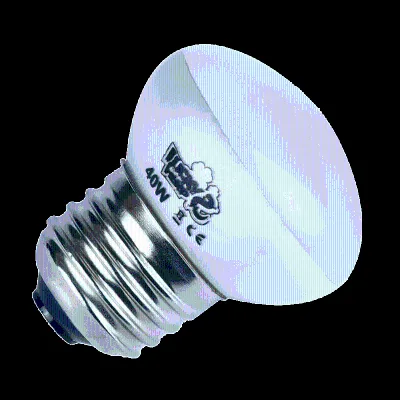
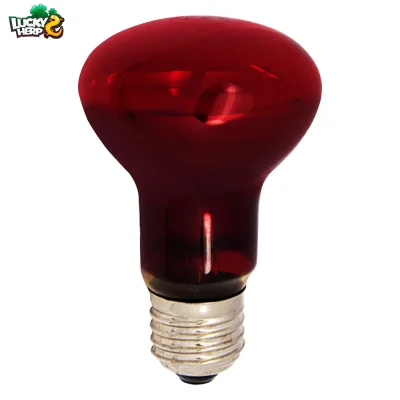


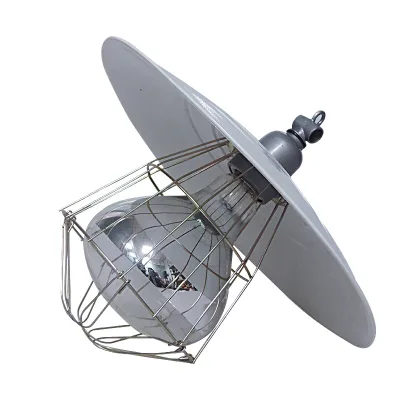
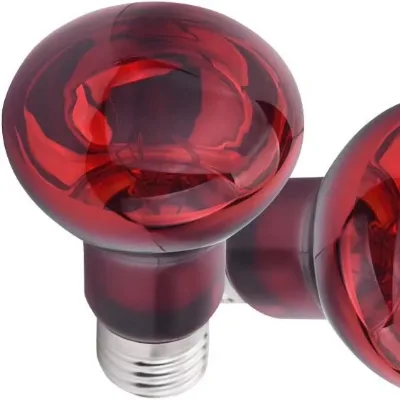

Comprehensive Sourcing Guide
Strategic Sourcing Guide for Far Infrared Reptile Heat Lamps
Understanding Product Variants and Technical Specifications
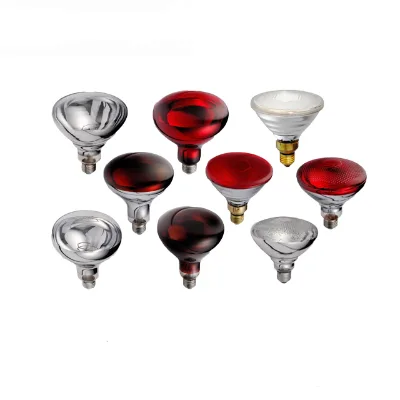
When sourcing far infrared reptile heat lamps, buyers must first navigate a complex landscape of technical specifications that vary significantly across different product listings. The core keyword implies a specific type of heating technology, yet the actual market offerings often blend traditional incandescent heating with ceramic or glass-based infrared emitters. Based on observed product data, the market presents distinct variations in wattage, voltage, and material composition that directly impact procurement decisions.
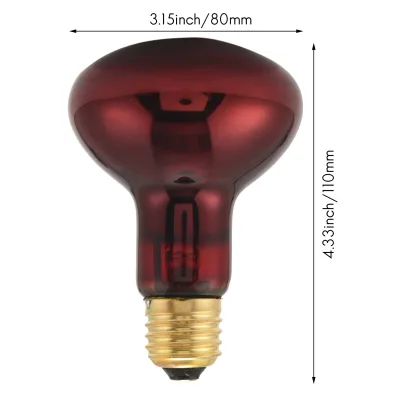
A primary observation in the current supply base is the diversity in wattage ratings. Products are frequently listed with specific wattage options such as 20W, 40W, 60W, 80W, and 100W, while other listings offer a range of 25W, 50W, 75W, and up to 100W. Some suppliers provide customizable wattage options, allowing for tailored solutions, whereas others adhere to fixed models like the ND-07 or ND-13 series. The physical size of the lamp often correlates with these wattage ratings, with models ranging from compact 20W units to larger 100W fixtures.
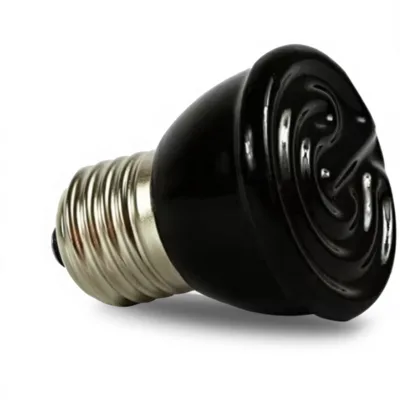
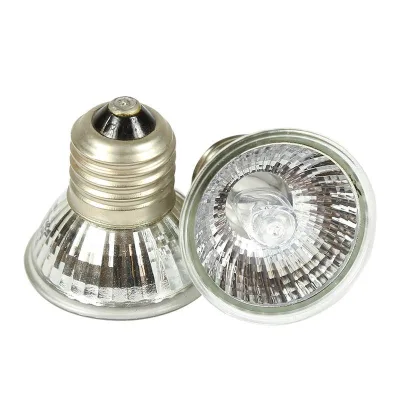
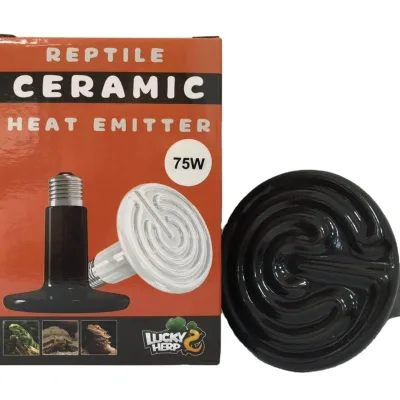
Material composition is another critical differentiator. The supply chain features lamps constructed from glass, ceramic, and aluminium alloys. For instance, some units are explicitly described as having a ceramic body, which is often associated with far infrared emission properties, while others utilize a glass construction with an aluminium alloy housing. The lamp holder standard is consistently observed as E27, a universal screw base that facilitates compatibility with standard fixtures, though buyers should verify this for specific bulk orders. Voltage requirements are equally variable, with products supporting both 110V and 220V configurations, sometimes listed as dual-voltage or specific to a single region.
The functional attributes of these lamps extend beyond simple heating. Many listings highlight features such as "UVA+UVB" emission, although the term "far infrared" in the search query suggests a focus on thermal radiation rather than ultraviolet spectrum. Some products are marketed specifically for "night reptile heating," implying a non-visible light output, while others are described as "blue-purple" in appearance, which may indicate specific spectral properties or simply the color of the glass housing. The heating medium is typically air, and the maximum operating temperature for certain spiral heating element models is noted to reach 250 degrees Celsius under normal conditions.
| Specification Category | Observed Variations in Supply | Procurement Consideration |
|---|---|---|
| Wattage Options | 20W, 40W, 60W, 80W, 100W; 25W, 50W, 75W; Customized | Verify if the specific wattage matches the enclosure size and animal requirements. |
| Material | Glass, Ceramic, Aluminium Alloy | Ceramic often implies better infrared retention; check for durability claims. |
| Voltage | 110V, 220V, Dual Voltage | Ensure compatibility with local grid infrastructure to prevent equipment failure. |
| Lamp Holder | E27 (Standard) | Confirm fixture compatibility, especially for custom or industrial setups. |
| Model Numbers | ND-07, ND-13, Custom | Use model numbers to track specific production runs and consistency. |
Compliance and Certification Verification Protocols
In the realm of electrical heating products for pets, compliance and certification are paramount to ensuring safety and market access. While the observed data mentions CE certification for certain reptile heat lamps, buyers must treat this as a specific observation rather than a universal guarantee for all products in the category. The presence of a CE mark indicates conformity with health, safety, and environmental protection standards for products sold within the European Economic Area, but it does not automatically validate performance for other regions.
Buyers should not assume that all listed products possess valid certifications. The supply chain includes items where certification status is not explicitly detailed in the primary product attributes. Therefore, a rigorous verification process is required before placing any order. This involves requesting valid test reports from recognized third-party laboratories that specifically cover the electrical safety and thermal performance of the lamp. For markets outside Europe, buyers must identify the specific local standards required, such as UL for North America or CCC for China, and ensure the supplier can provide documentation proving compliance.
The "Advantage" attributes listed in product descriptions, such as "Waterproof" and "explosion-proof," require independent verification. These are functional claims that should be backed by specific IP (Ingress Protection) ratings or explosion-proof certification documents. Without such documentation, these claims remain unverified assertions. Similarly, while some products are labeled as "Eco-Friendly," this is a qualitative descriptor that lacks a standardized definition in this context. Buyers should inquire about the specific environmental standards met, such as RoHS compliance regarding hazardous substances, rather than relying on the generic term.
Standardization is another area where clarity is essential. Some listings reference "50/75/100W" as a product standard, which is technically a wattage specification rather than a safety or quality standard. Buyers must distinguish between performance specifications and regulatory standards. The origin of the products is predominantly China, with specific mentions of Shenzhen as a manufacturing hub. While this provides insight into the supply chain geography, it does not dictate the quality or compliance level. The procurement strategy must include a step where the supplier is asked to confirm the specific regulatory standards applicable to the destination market for each batch of goods.
Cost Drivers and Economic Factors in Procurement
The economic landscape for sourcing far infrared reptile heat lamps is influenced by several dynamic factors, primarily centered around volume, customization, and material costs. The observed price range in the market spans from $0.60 to $25.00 USD, a wide disparity that reflects differences in wattage, material quality, and packaging. Lower-priced items typically correspond to basic glass or ceramic models with standard wattages, while higher-priced units may feature advanced materials, specific certifications, or custom engineering.
Minimum Order Quantity (MOQ) is a significant driver of unit cost. The data reveals a broad MOQ range, from as low as 1 piece to as high as 4,800 pieces. However, specific product listings often set their own thresholds, such as 30, 100, or 200 pieces. Purchasing at the lower end of the MOQ spectrum usually results in a higher per-unit cost due to the fixed overheads of production and logistics. Conversely, bulk orders that approach the upper limits of the MOQ range can significantly reduce the unit price, making them attractive for large-scale distributors or institutional buyers.
Customization is a major cost variable. The supply base explicitly offers "Customization" as an available attribute, with some products listing "Customized" for wattage, size, and standards. Custom orders typically incur higher costs due to the need for specialized tooling, adjusted production lines, and potentially longer lead times. Buyers seeking custom specifications must weigh the benefits of tailored performance against the increased unit price and potential MOQ requirements.
Packaging also impacts the final cost. Products are described with packaging options ranging from simple "Color Box" to "Color Box+Carton" or "Standard Export Package." The choice of packaging affects shipping efficiency and protection during transit. Export-grade packaging, while more expensive, reduces the risk of damage and may be necessary for international shipping, whereas domestic or local sales might suffice with simpler packaging.
| Cost Factor | Impact on Pricing | Strategic Mitigation |
|---|---|---|
| MOQ Levels | Higher MOQs generally lower unit price | Consolidate orders with other buyers or negotiate tiered pricing. |
| Customization | Increases unit cost and setup fees | Limit customization to essential features; use standard models where possible. |
| Material Type | Ceramic/Alloy may cost more than basic glass | Compare total cost of ownership, including lifespan and efficiency. |
| Packaging | Export packaging adds cost but reduces damage risk | Optimize packaging to balance cost and protection needs. |
Typical Applications and Functional Use Cases
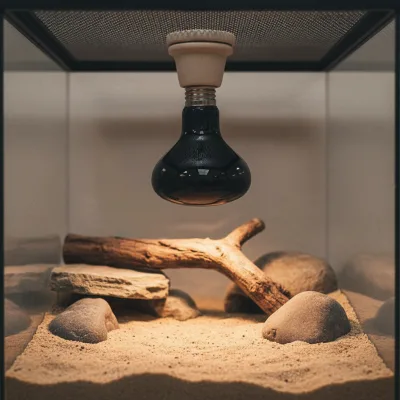
The functional applications of far infrared reptile heat lamps are diverse, catering to various needs within the pet care and reptile husbandry sectors. The primary use case is explicitly identified as "Reptile Heating," with specific mentions of promoting reptile growth and providing night heating. These lamps are designed to mimic natural sunlight, providing the necessary thermal gradient that reptiles require for thermoregulation, digestion, and overall health.
The "All Seasons" attribute suggests that these products are versatile enough for use in both indoor and outdoor enclosures, or in climates with varying temperatures. This versatility is crucial for buyers supplying pet stores or breeders who operate in different geographical locations. The "Modern, Fashion" style description indicates that some products are designed not just for function but also for aesthetic integration into home or commercial terrarium setups.
Specific applications include the use of UVA and UVB emitting lamps, which are essential for the synthesis of Vitamin D3 in reptiles, aiding in calcium absorption and preventing metabolic bone disease. While the search term focuses on "far infrared," the market offerings often combine thermal heating with UV emission. Buyers must carefully review the product specifications to ensure the lamp provides the correct balance of heat and light for the specific species being kept. For example, nocturnal species may require lamps that emit heat without visible light, whereas diurnal species need a full spectrum of light and heat.
The "Spiral Heating Element" and "Plate" shape attributes point to different heating mechanisms. Spiral elements are often used for rapid heat-up times and efficient energy distribution, while plate shapes might offer a broader, more even heat spread. The choice of heating medium, typically air, means these lamps are convection heaters, which is standard for reptile enclosures. However, buyers should verify if the lamp is suitable for specific enclosure types, such as glass tanks or mesh cages, as the material of the enclosure can affect heat retention and safety.
Supplier Evaluation and Quality Assurance Strategies
Evaluating suppliers for far infrared reptile heat lamps requires a multi-faceted approach that goes beyond price and basic product descriptions. The observed data indicates that suppliers are located primarily in China, with Shenzhen being a notable hub. While this provides a geographic concentration of supply, it necessitates a thorough vetting process to ensure quality and reliability.
Buyers should prioritize suppliers who demonstrate transparency in their manufacturing processes and quality control measures. The presence of specific model numbers like ND-07 and ND-13 suggests that established manufacturers have defined product lines, which can be a positive indicator of stability and consistency. However, the existence of "Customized" options also implies that some suppliers may be trading companies or smaller workshops capable of rapid adaptation. Buyers must distinguish between these two types of suppliers based on their specific needs for volume, consistency, and customization.
Quality assurance should focus on the verification of material claims. Since the market offers both ceramic and glass options, buyers should request samples to test for durability and heat distribution. The "Waterproof" and "explosion-proof" claims require physical testing or third-party validation. A robust quality control plan should include pre-shipment inspections that verify electrical safety, thermal performance, and structural integrity.
Communication and responsiveness are also critical indicators of supplier reliability. The ability to provide detailed technical documentation, including certification reports and material safety data sheets, is a strong signal of a professional supplier. Buyers should assess the supplier's willingness to engage in a dialogue about specific requirements, such as voltage compatibility or packaging standards.
Long-Term Procurement and Supply Chain Considerations
Sourcing far infrared reptile heat lamps is not merely a transactional activity but a strategic decision that impacts long-term business operations. The variability in MOQ, ranging from single units to thousands, allows for flexibility in inventory management but requires careful planning to avoid stockouts or overstocking. Buyers should consider the lead times associated with different order sizes and customization levels. While specific lead times are not provided in the data, the complexity of custom orders typically implies longer production cycles.
Sustainability and product lifecycle are emerging considerations in the procurement of heating elements. The "Eco-Friendly" attribute, while qualitative, suggests a market trend towards energy-efficient and environmentally responsible products. Buyers should investigate the energy efficiency of the lamps, as higher efficiency can lead to lower operating costs for end-users and reduced environmental impact.
The potential for product obsolescence is another factor. With the rapid evolution of reptile care technology, suppliers may introduce new models with improved features. Buyers should maintain relationships with suppliers who are committed to continuous improvement and innovation. This ensures access to the latest products and technologies, keeping the buyer's offerings competitive in the market.
Finally, the global nature of the supply chain means that buyers must be prepared for potential disruptions. Diversifying the supplier base and maintaining a buffer stock of critical components can mitigate risks associated with geopolitical tensions, shipping delays, or production issues. By adopting a proactive and evidence-based approach to procurement, buyers can secure a reliable supply of high-quality far infrared reptile heat lamps that meet the diverse needs of the reptile care market.
FAQs
What materials are used for far infrared reptile heat lamps?
These lamps are constructed from glass, ceramic, or aluminium alloy. Some models combine aluminium alloy with glass housing to ensure durability and efficient heat retention for reptile enclosures.
Which wattage options are available for reptile heating lamps?
Available wattages include 20W, 25W, 40W, 50W, 60W, 75W, 80W, and 100W. Some suppliers also offer customized wattage options to meet specific heating requirements for different reptile species.
Can these lamps operate on different voltage standards?
Yes, the lamps support both 110V and 220V voltage standards. Buyers should verify the specific voltage configuration required for their region to ensure safe and compatible operation with local electrical grids.
What is the minimum order quantity for these heat lamps?
Minimum order quantities vary significantly, ranging from 30 to 4800 pieces depending on the supplier. Specific listings often set thresholds at 30, 100, or 200 pieces for standard models.
Which certifications are verified for these reptile heating products?
Some products carry CE certification, indicating conformity with European safety standards. Buyers must request specific test reports to verify compliance for other markets, as certification is not universal across all listings.
How are these lamps typically packaged for export?
Packaging options include color boxes, color boxes with cartons, or standard export packages. The choice of packaging affects shipping protection and cost, with export-grade options reducing damage risks during transit.
What is the maximum operating temperature for these heating elements?
Certain spiral heating element models can reach a maximum temperature of 250 degrees Celsius under normal conditions. This high heat output is designed to provide effective thermal gradients for reptile habitats.