Source Dyeable Remy Itip Hair Extensions for Salons, Stylists, and Retailers
Compare 27 listings of Dyeable Remy Itip Hair Extensions from verified suppliers. Buyers can evaluate options based on hair type, length, bonding style, and customization availability to find suitable wholesale solutions; compare the available evidence and request quotations based on your requirements.
Key considerations
Products List


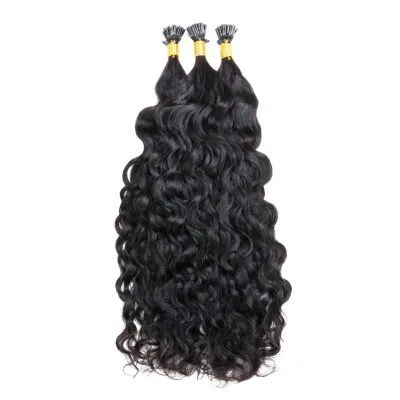


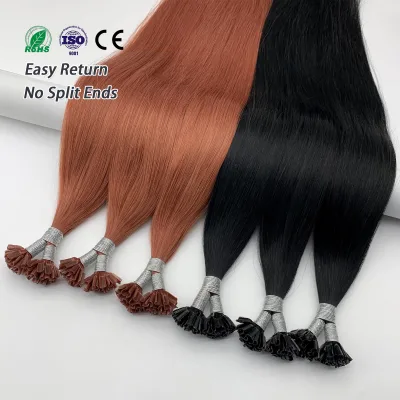
Comprehensive Sourcing Guide
Dyeable Remy Itip Hair Extensions Sourcing Guide
Procuring dyeable remy I-tip hair extensions requires a disciplined approach to verifying hair integrity and bonding compatibility. Buyers must prioritize suppliers who explicitly confirm the cuticle alignment and single-donor consistency that defines true remy hair. This structural integrity ensures that the extensions remain smooth and resistant to tangling, which is critical for maintaining a natural appearance over time. Without verified remy status, the hair may tangle rapidly, leading to customer dissatisfaction and high return rates.
The dyeable attribute adds a layer of complexity to the sourcing process, as it indicates the hair has not been heavily processed or coated with synthetic sealants. Buyers should confirm whether the hair is unprocessed or lightly processed to ensure it can accept color without becoming brittle. Understanding the specific dyeability limits, such as whether the hair can only be lightened or also darkened, is essential for setting realistic customer expectations and avoiding product damage during customization.
Product Scope and Observed Listing Signals
Market listings for these extensions often highlight specific bonding styles, such as I-tip, U-tip, or V-tip, which dictate the application method. Buyers should observe that product models vary significantly, with identifiers like SHEIN2754 or IT-20189 appearing across different supplier catalogs. These model numbers often correspond to specific hair origins, such as Chinese or European hair, which directly influence texture, diameter, and price points. Verifying the exact model against the desired hair type is crucial to avoid receiving mismatched textures.
Listing signals also reveal packaging and weight standards, which are vital for inventory management. Products are frequently packed in PVC bags or boxes, with standards like 50g per 50 pieces or 1g per strand. Buyers must note that minimum order quantities can range from single units to bulk kilograms, depending on the supplier’s flexibility. Observing these signals helps in estimating shipping costs and storage requirements, ensuring that the procurement plan aligns with available warehouse space and budget constraints.
Technical Specifications to Verify
Verifying the hair length and diameter is a primary technical step, as these dimensions affect the final volume and look of the extensions. Listings often specify lengths ranging from 12 to 28 inches, with common options like 16 or 18 inches. Buyers should confirm the ratio of hair strands, such as double-drawn or single-drawn, as this impacts the thickness at the tips. A higher ratio of long strands ensures a fuller appearance, while lower ratios may result in thin ends that look unnatural.
The bonding tip material and glue type are equally critical for secure attachment. Suppliers may offer Italian beads tips or other adhesive methods, which must be compatible with the client’s existing hair or extension system. Buyers should verify the tip strength and flexibility to prevent slippage or breakage during daily wear. Additionally, confirming the hair guarantee, such as no tangle or no shedding claims, provides a baseline for quality expectations, though independent testing is always recommended.
Compliance and Safety Documentation
Safety documentation is essential when dealing with hair products that may be dyed or treated by end-users. Buyers should request material safety data sheets or ingredient lists if the hair has been pre-treated with any chemicals. This ensures that the hair does not contain harmful residues that could cause scalp irritation or allergic reactions. Understanding the chemical history of the hair is particularly important for dyeable products, as residual processing agents can react unpredictably with new dyes.
Regulatory compliance varies by destination market, so buyers must verify that the supplier adheres to local import regulations for human hair products. This includes checking for proper labeling requirements and any restrictions on the origin of the hair. Suppliers from regions like Anhui, China, should provide clear documentation of the hair’s journey from source to finished product. Ensuring that the supplier can provide traceability records helps mitigate risks associated with unethical sourcing practices and ensures legal compliance.
Cost Drivers and Commercial Terms
Several factors influence the final cost of dyeable remy I-tip hair extensions, including hair origin, length, and processing level. European hair typically commands a higher price than Chinese or Brazilian hair due to its finer texture and natural color range. Buyers should also consider the cost of customization, such as dyeing or cutting to specific lengths, which may incur additional fees. Understanding these cost drivers allows for more accurate budgeting and pricing strategies for resale.
Commercial terms, including minimum order quantities and delivery times, significantly impact cash flow and inventory planning. Suppliers may offer flexible MOQs, starting from one kilogram per color and length, which is beneficial for small businesses. However, lead times can vary, with some suppliers offering seven-day sample delivery and thirty-day order fulfillment. Buyers should negotiate clear terms for shipping methods, such as FedEx or DHL, to ensure timely delivery and avoid unexpected logistics costs.
Supplier Qualification and Quality Control
Qualifying a supplier involves assessing their production capabilities and quality control processes. Buyers should request samples to physically inspect the hair for cuticle alignment, shine, and texture consistency. It is crucial to verify that the supplier uses genuine remy hair and does not mix in non-remy strands. Asking for references or case studies from other buyers can provide insight into the supplier’s reliability and consistency in meeting quality standards.
Quality control measures should include pre-shipment inspections to ensure that the products match the agreed specifications. Buyers should confirm that the supplier performs checks for tangles, shedding, and tip integrity before packaging. Establishing a clear communication channel for addressing defects or discrepancies is essential for maintaining a good business relationship. Regular audits or third-party inspections may be necessary for large orders to ensure ongoing compliance with quality expectations.
Long-Term Procurement Checks
Long-term success in sourcing dyeable remy I-tip hair extensions depends on continuous monitoring of supplier performance and market trends. Buyers should regularly review customer feedback to identify any recurring issues with tangling, shedding, or color retention. This feedback loop helps in making informed decisions about whether to continue with a supplier or explore alternative options. Staying updated on new hair technologies and bonding methods can also provide a competitive edge in the market.
Building a diversified supplier base reduces the risk of supply chain disruptions and ensures access to a variety of hair types and styles. Buyers should maintain open lines of communication with multiple suppliers to compare pricing, quality, and service levels. Regularly updating product specifications and requirements based on market demand helps in staying relevant and meeting customer expectations. A proactive approach to supplier management ensures a steady supply of high-quality hair extensions for long-term business growth.
FAQs
What does dyeable mean for remy I-tip hair extensions?
Dyeable means the extensions can be colored after purchase, though some products note lighter colors only when re-dyeing. Because the hair is Remy grade with cuticles aligned, it absorbs color more evenly than non-Remy hair. Bleaching or lifting repeatedly can still weaken the strands, so professional coloring and strand testing before a full application are recommended.
Can I dye or bleach I-tip extensions without damaging them?
Yes, these extensions are listed as dyeable since they are 100% human hair, but results depend on the original color and processing method. Products marked suitable for lighter colors only should not be darkened with bleach tones. Use professional-grade dye, avoid applying chemicals to the bonded tips, and always test a few strands before coloring the full set.
How long do Remy I-tip hair extensions typically last?
With proper care, the listed hair life is 2-3 years, which assumes gentle washing, low-heat styling, and correct storage. The hair is sold with a no tangling and no shedding guarantee and described as unprocessed. Longevity also depends on how often the bonds are moved up and whether chemical treatments are applied after purchase.
What tip styles and lengths are available for these extensions?
Pre-bonded styles include I-Tip and U-Tip, with nail-type bonding, and some listings also reference V-Tip, Flat-Tip, and Y-Tip options. Lengths range from 12 inch to 28 inch, with specific listings at 16 inch and 18 inch. Tips use Italian beads glue, and the standard weight is 1 gram per strand or 50g per 50 pieces.
How is the hair packaged and shipped after ordering?
Packaging options include PVC bags, boxes, and paper card with PVC bag, depending on the product listing. Shipping is available through FedEx, DHL, UPS, USPS, Aramex, and TNT, with shipping time of about one week for many orders. Sample lead time is around 7 days, while bulk orders take approximately 30 days for delivery.
What is the minimum order quantity for these extensions?
MOQ ranges from 1 piece to 100 pieces across listings, and some suppliers specify 1kg per color per length. Customization is available on the listed products, including weight per strand and color options. If you are testing a new product, start with the lowest MOQ listing, then move to bulk quantities once quality is confirmed.
Can I customize color, weight, and packaging for bulk orders?
Yes, customization is listed as available, and the standard of 50g per 50 pieces is described as customizable. You can typically adjust color, strand weight such as 1 gram per strand, lengths from 12 to 28 inches, and packaging between PVC bags and boxes. Confirm customization details with the supplier before placing a bulk order.
Which hair origins are used in these I-tip extensions?
Listed human hair types include Chinese, European, and Brazilian hair, with Remy grade and 100% human hair quality stated. One listing notes Anhui, China as the human hair origin, and China is listed as the production origin. Origin affects texture and color behavior, so choose the hair type that matches your client's natural hair.