Source Rechargeable Bedside Table Lamp with Phone Bracket for Hotels, Dorms, and Offices
Find and compare 30 models of Rechargeable Bedside Table Lamp with Phone Bracket options featuring LED lighting, USB charging, and modern designs. Evaluate specifications like battery capacity, switch types, and materials to select the best fit for your procurement needs.
Key considerations
Products List


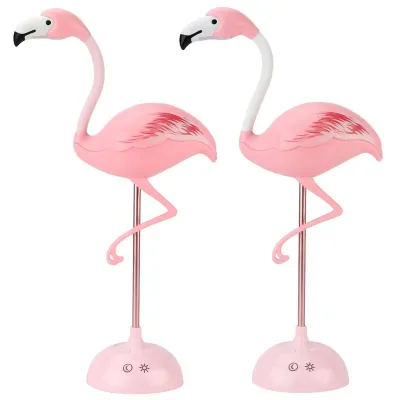


Bedside Table Lamp with USB Port Wireless Charging Hotel Nightstandlamps
$23.00 - $30.00
MOQ: 100 Pieces


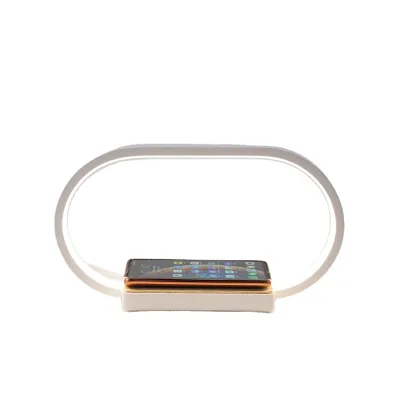

Bedroom Bedside Desk Lamp with Dual USB Charger Wireless Charging Table Lamp
$18.00 - $35.00
MOQ: 1 Pieces

Touch Control Cute Crystal Table Lamp with 2 USB Charging Ports Bedside Light
$24.00 - $45.00
MOQ: 1 Pieces


Comprehensive Sourcing Guide
Rechargeable Bedside Table Lamp with Phone Bracket Sourcing Guide
Sourcing a rechargeable bedside table lamp with a phone bracket requires balancing multifunctional utility with reliable power management and ergonomic design. These devices serve as hybrid solutions for modern bedrooms, combining ambient or task lighting with convenient mobile device charging and viewing capabilities. Buyers must recognize that the integration of a phone bracket introduces mechanical complexity that can affect durability, while the rechargeable battery system demands rigorous verification of safety and longevity. The procurement strategy should focus on identifying suppliers who prioritize structural integrity in the bracket mechanism and transparent battery specifications, ensuring the product meets both functional and safety expectations for end-users.
The market for these lamps is characterized by a wide variance in build quality, material composition, and feature sets, ranging from basic plastic housings to more premium aluminum-accented designs. Procurement teams need to navigate this diversity by establishing clear technical requirements before engaging with suppliers. Key differentiators include the type of LED light source, the capacity and chemistry of the rechargeable battery, and the specific mounting mechanism for the phone bracket. By defining these parameters early, buyers can filter out incompatible offerings and focus on suppliers who demonstrate consistent manufacturing capabilities and adherence to international safety standards.
Product Scope and Observed Listing Signals
The observed product landscape includes a variety of designs, with materials ranging from ABS plastic to combinations of ABS and aluminum tubes, indicating a spectrum from cost-effective to mid-tier premium options. Listings frequently highlight features such as USB input compatibility, anti-blue-ray functions, and multiple working modes, which are critical selling points for consumers seeking versatile bedside solutions. The presence of specific model numbers like BPL35102, BPL34839, and BPL34830 suggests that suppliers offer distinct variants, each with unique dimensions and weight profiles, allowing buyers to select products that align with specific packaging and shipping constraints.
Dimensions and weights vary significantly across the observed listings, with sizes ranging from compact 175x175x12mm bases to larger 181x111x38mm units, reflecting different internal component arrangements. Some products are explicitly designed with a pink color option and a modern style, targeting specific demographic preferences, while others emphasize functional attributes like a 2W LED light source with white or warm white options. The inclusion of a phone bracket is a consistent feature, but the specific implementation, whether it is a fixed clip or an adjustable arm, should be verified through product samples to ensure it accommodates various phone sizes and cases without compromising the lamp’s stability.
Technical Specifications to Verify
Battery performance is a critical technical parameter that must be rigorously verified, as observed listings mention rechargeable batteries with capacities such as 3.7V 800mAh, but do not always disclose cycle life or degradation rates. Buyers should request detailed battery datasheets that specify the number of charge cycles, the type of rechargeable cell used, and the expected runtime under different lighting modes. Additionally, the input specifications, such as QC3.0 9V support, indicate advanced charging capabilities, but the actual charging speed and compatibility with standard USB chargers should be confirmed to ensure user convenience and reduce potential compatibility issues in the field.
The mechanical design of the phone bracket and the overall structural integrity of the lamp body require close inspection, particularly for products made from ABS+PP or ABS+Aluminum Tube combinations. The switch type, whether push-button, press switch, or pull-switch, affects user experience and durability, so tactile feedback and long-term reliability should be assessed. Furthermore, the light source specifications, including the 2W LED output and color temperature options, should be validated to ensure consistent illumination and minimal flicker, which is essential for bedside use where eye strain is a concern.
Compliance and Safety Documentation
Certification requirements are paramount for rechargeable electronic devices, with observed listings indicating compliance with standards such as RoHS, CE, FCC, EMC, and CCC. Buyers must verify that these certifications are current and issued by recognized testing laboratories, as counterfeit or expired certificates are a common risk in the electronics supply chain. The presence of REACH and FDA mentions in some listings suggests a broader compliance scope, but buyers should clarify which specific directives apply to their target markets, particularly regarding battery safety and electromagnetic interference.
Safety documentation should also include detailed risk assessments for the rechargeable battery system, including overcharge protection, short-circuit prevention, and thermal management features. Buyers should request test reports that demonstrate compliance with international battery safety standards, such as UN38.3 for transportation and IEC 62133 for performance and safety. Additionally, the material composition, particularly the use of ABS and silica, should be verified against restricted substance lists to ensure that the product meets environmental and health regulations in all intended sales regions.
Cost Drivers and Commercial Terms
Pricing for these lamps is influenced by several factors, including the complexity of the phone bracket mechanism, the quality of the LED components, and the battery capacity and type. Observed price ranges vary, reflecting differences in material costs and manufacturing processes, with more complex designs and higher-quality components commanding premium prices. Buyers should analyze the cost structure to understand the value proposition of each supplier, focusing on the total cost of ownership rather than just the unit price, which includes shipping, tariffs, and potential warranty costs.
Minimum Order Quantities (MOQs) and payment terms are significant commercial considerations, with observed MOQs ranging from small batches to larger volumes, allowing for flexibility in initial orders. Buyers should negotiate terms that align with their inventory management strategy, considering the lead times and production capacity of the supplier. Additionally, the packaging specifications, such as carton box or individual box packaging, impact shipping efficiency and product protection, so buyers should optimize packaging designs to minimize damage during transit and reduce logistics costs.
Supplier Qualification and Quality Control
Supplier qualification should involve a thorough assessment of their manufacturing capabilities, quality management systems, and track record in producing similar electronic devices. Buyers should verify the supplier’s ability to maintain consistent quality across production batches, particularly for critical components like the battery and LED light source. Factory audits, either on-site or virtual, can provide insights into the production processes, quality control checkpoints, and overall operational efficiency, helping to identify potential risks before committing to large orders.
Quality control protocols should include incoming material inspections, in-process quality checks, and final product testing to ensure that each unit meets the specified technical and safety requirements. Buyers should establish clear acceptance criteria for defects, such as bracket stability, light output consistency, and battery performance, and require suppliers to provide detailed inspection reports for each shipment. Implementing a robust quality assurance plan, including random sampling and third-party inspections, can help mitigate the risk of receiving substandard products and ensure customer satisfaction.
Long-Term Procurement Checks
Long-term procurement success depends on establishing strong relationships with suppliers who are committed to continuous improvement and innovation. Buyers should engage in regular performance reviews to assess supplier reliability, product quality, and responsiveness to issues, using this data to drive negotiations and improve collaboration. Additionally, staying informed about industry trends and technological advancements can help buyers identify opportunities for product upgrades and cost savings, ensuring that their offerings remain competitive in the market.
Sustainability and regulatory changes are also critical factors to monitor, as evolving environmental regulations and consumer preferences for eco-friendly products may impact sourcing decisions. Buyers should work with suppliers to develop strategies for reducing environmental impact, such as using recyclable materials and optimizing energy efficiency, while ensuring compliance with all relevant regulations. By proactively addressing these long-term challenges, buyers can build a resilient and sustainable supply chain that supports their business goals and meets the evolving needs of their customers.
FAQs
What certifications do these lamps have?
These lamps hold RoHS, CE, CCC, EMC, FCC, FDA, and REACH certifications. This ensures compliance with international safety and environmental standards for global distribution and retail sale.
Can the product be customized?
Yes, customization is available for these units. Buyers can request private molds and OEM branding options to tailor the product to specific market requirements or corporate identity needs.
What is the battery capacity?
The battery capacity is 3.7V 800mAh. This rechargeable battery supports the LED light source and ensures portable operation without the need for constant external power connections.
How many working modes are there?
There are three working modes available. These modes allow users to adjust the lighting intensity or color temperature, typically including white and warm white options for different ambient needs.
What is the net weight?
The net weight is 170g. This lightweight design makes the lamp easy to handle and position on bedside tables or desks without occupying excessive space or requiring heavy mounting.
What material is the lamp body made of?
The lamp body is made of ABS and Silica materials. This combination provides durability and a modern aesthetic, suitable for contemporary home decor and functional bedside lighting applications.