Source Dye Sublimation ID Card Printer for Schools, Events, and Corporate ID
Explore 30 verified listings for a Dye Sublimation ID Card Printer designed for schools, events, and corporate identification needs. Buyers can compare specifications like print speed, card capacity, and interface options to find the right equipment for their operations.
Key considerations
Products List


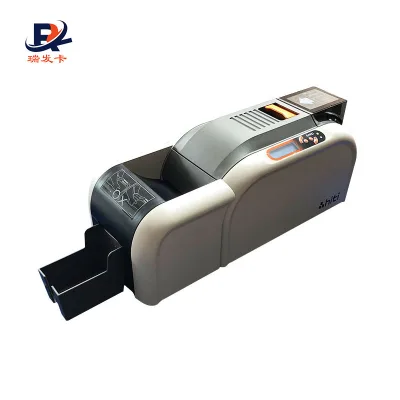

Seaory S26 Single Side Dye Sublimation Driver License ID Card Printer
$1250.00 - $2250.00
MOQ: 1 Pieces


Direct Dye Sublimation PVC Card Printing S26 Plastic ID Card Printer
$1830.00 - $2950.00
MOQ: 1 Pieces


Seaory S28 300/600 Dpi Dual-Side Dye-Sublimation Color Printing ID Card Printer
$1580.00 - $2588.00
MOQ: 1 Pieces

600 Dpi High Speed Automatic Color Printing ID Card Printer for Bank
$1580.00 - $2588.00
MOQ: 1 Pieces
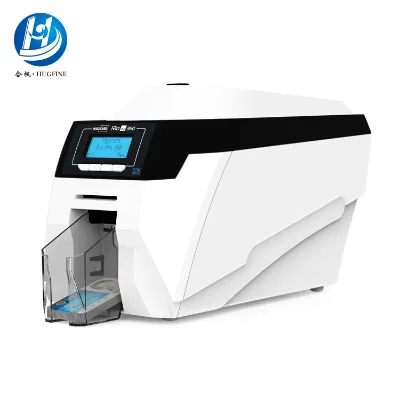
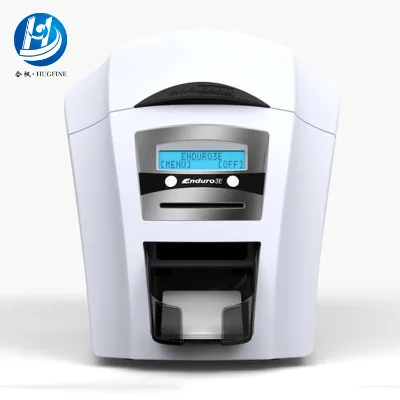

Original Zc300 PVC ID Card Printer Single Side Dye Sublimation Thermal
$806.00 - $810.00
MOQ: 2 Pieces

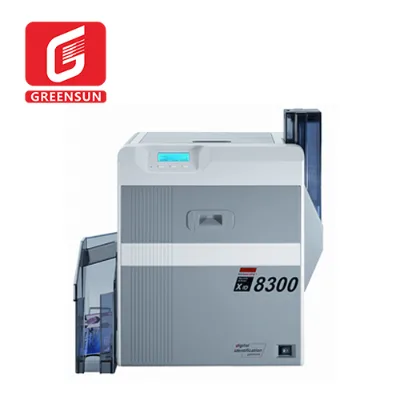
Multi-Size ID Card Printer Dye Sublimation Retransfer for Event Pass
$1980.00 - $1988.00
MOQ: 1 Pieces


High-Performance Dye Sublimation Printer for Custom Heat Transfers
$19365.00 - $20000.00
MOQ: 1 Pieces




Comprehensive Sourcing Guide
Strategic Sourcing Guide for Dye Sublimation ID Card Printers
Understanding Core Technical Specifications
When evaluating dye sublimation ID card printers for B2B procurement, the primary focus must be on the precise mechanical and chemical specifications that define print quality and operational efficiency. The core technology relies on the transfer of dye from a ribbon onto a card substrate using heat, a process known as dye sublimation. Buyers must verify the specific printing method listed in product data, as some units utilize Direct-to-Card technology while others employ Retransfer Printing. Direct-to-Card methods are often favored for their speed and lower cost, whereas Retransfer Printing is typically selected for applications requiring over-edge printing or durability on non-standard card materials.
A critical specification to verify is the accepted card size. The industry standard for identification cards is the CR80 format, measuring 53.98mm by 85.6mm. Procurement documents should explicitly confirm compatibility with this dimension, as deviations can lead to jamming or misalignment. Furthermore, the physical thickness of the card is a vital constraint. The operational range for most reliable units falls between 0.25mm and 1.00mm (10-40 mil). Selecting a printer that supports this specific thickness range ensures compatibility with the diverse range of PVC, composite PVC, ABS, PET, and PC materials commonly used in corporate and government sectors.
The print resolution is another non-negotiable technical metric. High-fidelity identification requires a resolution of 600dpi by 600dpi to ensure that text, barcodes, and photos are legible and scannable. Buyers should also scrutinize the memory capacity of the device, as this dictates the complexity of designs that can be processed on-board. Observed configurations in the market include 64MB, 128MB, and 256MB options, with higher memory generally supporting more complex graphics and faster processing of large data sets. The display interface is equally important; modern units feature LCM displays ranging from basic multi-language screens to 3.5-inch color touch-screens, which significantly impact the ease of operator interaction and troubleshooting.
Operational Performance and Connectivity
The operational speed of a card printer is a direct driver of throughput and overall productivity. Procurement teams must distinguish between monochrome, full-color, and dual-sided printing speeds, as these metrics vary significantly based on the printing method. For single-sided operations, monochrome printing speeds can range from 3 to 5 seconds per card, while full-color prints may require approximately 18 seconds per card. When dual-sided printing is required, the time investment increases substantially. Dual-sided monochrome operations typically take 33 to 36 seconds per card, whereas full-color dual-sided printing can extend to 42 seconds per card. These figures are essential for calculating the total time required to produce large batches of identification cards.
Connectivity and interface options determine how seamlessly the printer integrates into an existing IT infrastructure. Standard configurations almost universally include USB 2.0 interfaces for direct connection to a workstation. However, for enterprise environments requiring centralized management, Ethernet support is a standard requirement. Some advanced models offer optional network functions, including WiFi, which allows for wireless deployment in flexible office layouts. The operating system compatibility is another critical factor. Buyers must ensure the printer drivers support the specific OS versions in use, which typically include Windows XP, Vista, 7, 8, and 10, as well as Mac OS X 10.6 or above.
The physical capacity of the input and output hoppers dictates the volume of cards that can be processed before operator intervention is required. Input hopper capacities are commonly observed at 100 cards, while output hopper capacities often range from 50 to 200 cards, depending on the specific model and card thickness. For high-volume environments, a model with a 200-card hopper capacity is preferable to minimize downtime. Additionally, the supply paper mode should be verified; options that support both automatic and manual integration provide greater flexibility when handling different ribbon types or card stocks.
Compliance, Certification, and Safety Standards
In the B2B sector, compliance with international safety and environmental standards is a prerequisite for procurement. Buyers must verify that the equipment holds valid certifications such as CCC (China Compulsory Certification), FCC (Federal Communications Commission), CE (Conformité Européenne), RoHS (Restriction of Hazardous Substances), and Bis. These certifications indicate that the device meets specific electrical safety, electromagnetic compatibility, and environmental restrictions. The absence of these certifications can lead to regulatory hurdles, particularly for organizations operating in the European Union or North America.
The physical standards of the machine, including its dimensions and weight, are also relevant for facility planning. Typical machine sizes are approximately 198mm by 204mm by 354mm, with weights ranging around 3.9kg to 12kg depending on the model and build quality. These specifications are crucial for determining the required desk space and load-bearing capacity of the workstation. Furthermore, the electrical requirements must be confirmed. Most units operate on 220V electrical equipment standards, but buyers should always verify the voltage compatibility with their local power grid to prevent equipment damage.
Cost Drivers and Procurement Economics
The total cost of ownership (TCO) for a dye sublimation card printer extends beyond the initial purchase price. The observed price range in the market is vast, spanning from $1 to over $68,000, reflecting the difference between entry-level desktop units and high-end industrial systems. This variance is driven by factors such as print speed, dual-sided capabilities, network connectivity, and build quality. Buyers should not assume that a lower price point equates to a lower quality product, but they must also be wary of prices that seem abnormally low, as they may indicate counterfeit components or lack of essential certifications.
The Minimum Order Quantity (MOQ) is another economic factor to consider. While some suppliers offer single-item purchasing with an MOQ of 1, others may require bulk orders up to 10 units. This flexibility is important for small organizations testing the technology versus large enterprises deploying systems across multiple sites. The packaging standard is also a cost consideration; standard export wooden boxes are used for heavy-duty or high-value units to ensure safe transit, while standard export paper boxes are common for lighter accessories like ribbons.
Typical Applications and Use Cases
Dye sublimation ID card printers are versatile tools used across various sectors, including corporate security, education, healthcare, and government administration. The ability to print high-resolution color graphics makes these printers ideal for issuing employee badges, student IDs, and visitor passes. The specific card material compatibility is a key determinant for application suitability. For instance, PVC and composite PVC cards are standard for general use, while ABS, PET, and PC materials are often required for high-security applications or outdoor durability.
The feature of "Compatible" customization allows organizations to integrate the printer with existing database systems for on-demand card issuance. This is particularly valuable for dynamic environments where cardholder information changes frequently. The option for automatic two-sided printing is essential for applications requiring both a photo and detailed text or barcode on the reverse side of the card. Furthermore, the support for over-edge printing ensures that the design extends to the very edge of the card, a requirement for professional-looking identification documents.
Supplier Evaluation and Quality Control
Evaluating suppliers requires a rigorous approach to verifying the authenticity of product claims. Buyers should prioritize suppliers who provide clear documentation regarding the product origin, such as Wuhan, Hubei, or other verified manufacturing hubs in China. The condition of the product must be confirmed as "New," and the warranty terms should be clearly defined. Quality control processes should include a verification of the printing method, ensuring that the unit actually utilizes dye sublimation or retransfer printing as advertised, rather than thermal transfer or other less durable methods.
Inspection of the physical attributes is also necessary. The weight, dimensions, and material composition of the printer should match the provided specifications. For example, a unit listed with a weight of 12kg should not be significantly lighter, which could indicate missing internal components. The memory capacity and display type should be tested during the acceptance phase to ensure they function as described. Additionally, the supplier's ability to provide the correct consumables, such as ribbons and cleaning kits, is a critical part of the evaluation. The supply paper mode and ribbon compatibility must be verified to ensure a seamless supply chain for ongoing operations.
Long-Term Procurement Considerations
Sourcing a card printer is a long-term investment that requires consideration of maintenance, consumable availability, and scalability. The printing method, whether direct-to-card or retransfer, impacts the longevity of the print and the frequency of maintenance required. Retransfer printers, while generally more expensive, often offer better durability and are better suited for cards with irregular shapes or raised surfaces. Buyers should also consider the availability of spare parts and the lead time for restocking consumables.
The customization options available, such as multi-language support on the display and the ability to print on various card materials, add significant value over the life of the product. As organizational needs evolve, the printer should be capable of adapting to new card types or security features. The optional network function allows for future expansion, enabling the printer to be shared across a network without the need for additional hardware. Finally, the standard export packaging ensures that the product arrives in optimal condition, reducing the risk of damage during transit and ensuring a smooth start to operations. By carefully evaluating these factors, organizations can secure a reliable and efficient card printing solution that meets their current and future identification needs.
FAQs
What printing methods are available for these card printers?
The available printing methods include Dye Sublimation Direct-to-Card and Dye Sublimation Retransfer Printing. Direct-to-Card is used for standard speed, while Retransfer supports over-edge printing on various materials like PVC, ABS, and PET.
Which card sizes and thicknesses are supported by the device?
The device accepts the standard CR80 size measuring 53.98 by 85.6mm. It operates reliably with card thicknesses ranging from 0.25mm to 1.00mm, covering common PVC and composite materials used in corporate identification.
Can the printer perform automatic two-sided printing?
Yes, the unit supports automatic two-sided printing for efficient batch processing. Dual-sided monochrome printing takes 33 to 36 seconds per card, while full-color dual-sided output requires approximately 42 seconds per card.
What are the input and output hopper capacities?
Input hopper capacities vary from 100 to 200 cards depending on the specific model selected. Output hopper capacities typically hold 50 cards for standard units, though larger models can accommodate up to 200 cards to reduce operator intervention.
Which certifications does the equipment hold for safety compliance?
The equipment holds CCC, FCC, CE, RoHS, and Bis certifications to ensure international safety and environmental compliance. These documents verify the device meets electrical safety standards and restricts hazardous substances for global deployment.
How does the memory capacity affect print performance?
Memory capacities range from 64MB to 256MB to handle complex graphics and data sets. Higher memory allows for faster processing of large designs and supports the LCM display for multi-language interaction during operation.
What operating systems are compatible with the printer drivers?
The printer drivers support Windows XP, Vista, 7, 8, and 10 as well as Mac OS X 10.6 or above. This broad compatibility ensures seamless integration into existing corporate IT infrastructures without requiring specific legacy hardware.