Source e-mark anti-insect sliding window for Home, Hotel, and Office
Find and compare e-mark anti-insect sliding window options from verified manufacturers. This collection includes 30 listings featuring aluminum alloy frames, fiberglass mesh, and customizable sizes for residential and commercial applications.
Key considerations
Products List

$98.00 - $138.00
MOQ: 1 Square Meters

$98.00 - $138.00
MOQ: 1 Square Meters


$98.00 - $138.00
MOQ: 1 Square Meters

$98.00 - $138.00
MOQ: 1 Square Meters

$98.00 - $138.00
MOQ: 1 Square Meters

Sliding Window for Efficient Insect Isolation Casement Fixed Window
$70.00 - $82.00
MOQ: 2 Square Meters


Factory Manufacturer Price 3 Track Aluminium Sliding Window with Mosquito Net Screen
$89.00 - $115.00
MOQ: 20 Square Meters


Aluminum Sliding Window Double Glazed Sliding Window with Mosquito Net
$80.00 - $120.00
MOQ: 5 Square Meters


Aluminium Casement / Sliding Window with Mosquito Net for Balcony
$73.00 - $78.00
MOQ: 3 Square Meters

Mosquito Net Window Glass Window Casement Aluminium Windows Morden Style
$73.00 - $78.00
MOQ: 3 Square Meters

Premium Sliding Window for Apartments with Integrated Insect Screen (Model: SW-300)
$96.00 - $108.00
MOQ: 2 Square Meters


American Style UPVC Window with Mosquito Screen Double Glazed Sliding Window
$30.00 - $150.00
MOQ: 10 Square Meters


Factory Customized Electric Lifting Intelligent Motorized Aluminum Windows with Insect Screen
$280.00 - $285.00
MOQ: 10 Square Meters

$20.00 - $30.00
MOQ: 500 Square Meters
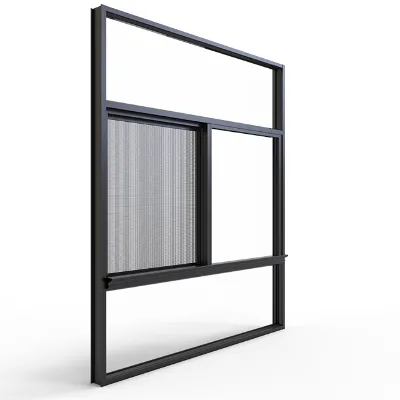


Stainless Steel Window Screen Mosquito Security Fly Screen Door Window
$0.50 - $1.80
MOQ: 100 Square Meters


Customized Soundproof Aluminum Two Track Aluminum Casement Sliding Window with Mosquito Net
$80.00 - $83.00
MOQ: 2 Square Meters
Comprehensive Sourcing Guide
E-Mark Anti-Insect Sliding Window Sourcing Guide
Sourcing e-mark anti-insect sliding windows requires a nuanced understanding of both the functional requirements for pest control and the regulatory frameworks governing window systems in international markets. The term "e-mark" typically refers to the European Conformity marking, which indicates that a product meets EU health, safety, and environmental protection standards. However, in the context of sliding windows with insect screens, this designation often overlaps with broader compliance requirements such as CE marking for construction products or specific national certifications. Buyers must distinguish between windows that are merely marketed with these labels and those that have undergone rigorous third-party testing for structural integrity, thermal performance, and air/water tightness. The integration of anti-insect features, such as fiberglass mesh screens, adds a layer of complexity to the sourcing process, as the screen material must not compromise the window’s primary function of insulation or security.
The procurement landscape for these products is diverse, with manufacturers offering a wide range of configurations to suit different architectural styles and functional needs. Observed listings indicate a price range from $0.50 to $3,745, reflecting the vast difference between basic aluminum profiles and fully customized, high-performance window systems. This variance underscores the importance of defining precise technical specifications before engaging with suppliers. The core keyword "e-mark anti-insect sliding window" suggests a demand for products that combine European-style compliance with practical pest prevention. Buyers should focus on suppliers who can provide clear documentation of their manufacturing processes, material grades, and testing protocols, rather than relying solely on marketing terminology. Understanding the specific regulatory environment of the destination market is crucial, as "e-mark" may not be a legally recognized term for all window components, and alternative certifications may be required for import and installation.
Product Scope and Observed Listing Signals
The product scope for anti-insect sliding windows encompasses a variety of designs, materials, and functional attributes that cater to different building applications. Observed listings reveal that these windows are commonly constructed from aluminum alloy frames, with 6063-T5 being a frequently cited material grade due to its balance of strength, corrosion resistance, and ease of extrusion. The sliding opening pattern is a key feature, allowing for efficient space utilization and easy operation, which is particularly beneficial for apartments, offices, and villas. The inclusion of fiberglass screen netting is a standard attribute, providing effective insect and dust protection while maintaining visibility and airflow. Buyers should note that while many suppliers offer "customized colors" and "modern" or "European" styles, the underlying structural integrity and performance metrics are what ultimately determine the product's value and suitability for long-term use.
Listing signals also highlight the importance of surface finishing and hardware quality in determining the overall durability and aesthetic appeal of the window system. Common surface treatments include mechanical polishing, anodizing, powder coating, and wood-grain transfer, each offering different levels of protection against environmental wear and tear. The choice of hardware, such as brands like Cmech, Roto, Hafele, Hopo, or Siegenia, can significantly impact the smoothness of the sliding mechanism and the long-term reliability of the window. Additionally, the type of glass used, with options ranging from standard 8mm glass to customized solutions from suppliers like Xinyi Glass or Taiwan Glass, plays a critical role in thermal insulation and soundproofing. Buyers should carefully review these details to ensure that the selected product aligns with their specific project requirements, particularly regarding energy efficiency and acoustic performance.
Technical Specifications to Verify
Verifying technical specifications is essential to ensure that the anti-insect sliding windows meet the required performance standards for your project. Key attributes to confirm include the aluminum profile series, such as the 128 Series or 80 Series, which indicate the width and structural capacity of the frame. The temper of the aluminum, often specified as T5 or T3-TType, affects the material's hardness and resistance to deformation under stress. Buyers should also verify the thickness of the aluminum profiles, as this directly influences the window's strength and ability to withstand wind loads. The sliding mechanism's design, whether it is a top-hung, outward-opening, or standard sliding system, must be compatible with the building's architectural constraints and operational preferences. Additionally, the quality of the fiberglass mesh, including its mesh count and durability, should be assessed to ensure effective insect and dust protection without obstructing light or view.
Thermal and acoustic performance are critical technical specifications that require careful verification, especially for projects in extreme climates or noisy urban environments. The window's ability to provide heat insulation and soundproofing is often linked to the type of glass used and the quality of the seals and gaskets. Buyers should inquire about the U-value or thermal transmittance of the window system, as well as its sound reduction index, to ensure it meets local building codes and energy efficiency standards. The airproof and dust-proof capabilities of the window should also be tested, particularly for installations in areas with high pollution or frequent dust storms. It is advisable to request detailed technical datasheets from suppliers, which should include information on the window's structural performance, weather resistance, and operational lifespan. Verifying these specifications through independent testing or third-party certification can provide additional assurance of the product's quality and reliability.
Compliance and Safety Documentation
Compliance with international and local standards is a critical aspect of sourcing anti-insect sliding windows, particularly when importing products from regions like China. While the term "e-mark" is often used in marketing materials, buyers should verify the actual certifications held by the supplier, such as CE marking for construction products or ISO certification for manufacturing processes. These certifications indicate that the product has undergone rigorous testing for safety, performance, and environmental impact. Buyers should request copies of these certificates and verify their validity with the issuing bodies. Additionally, it is important to check if the product meets specific national standards, such as the SGS standard mentioned in some listings, which may be required for import into certain markets. Understanding the regulatory requirements of the destination country is essential to avoid customs delays or legal issues.
Safety documentation should also include information on the fire resistance and structural integrity of the window system. Buyers should inquire about the fire rating of the aluminum profiles and the glass, as well as the overall fire safety performance of the window assembly. This is particularly important for high-rise buildings or commercial properties where fire safety regulations are strict. Additionally, buyers should verify that the product complies with safety standards for fall protection, especially for windows installed at height. The supplier should provide clear instructions for installation and maintenance, including guidelines for handling and cleaning the fiberglass screens. By ensuring that all necessary compliance and safety documentation is in place, buyers can mitigate risks and ensure that the installed windows meet the highest standards of quality and safety.
Cost Drivers and Commercial Terms
The cost of anti-insect sliding windows is influenced by a variety of factors, including the quality of materials, the complexity of the design, and the level of customization required. Observed price ranges from $0.50 to $3,745 reflect the diversity of products available, with basic aluminum profiles being significantly less expensive than fully customized, high-performance window systems. Buyers should consider the total cost of ownership, including installation, maintenance, and potential energy savings, rather than just the initial purchase price. The choice of hardware, glass type, and surface finishing can significantly impact the cost, so it is important to balance performance requirements with budget constraints. Additionally, the volume of the order can affect the unit price, with larger orders often benefiting from economies of scale.
Commercial terms, such as minimum order quantity (MOQ), payment terms, and lead times, are also critical considerations in the sourcing process. Observed MOQ ranges from 1 to 500 units, indicating that some suppliers are willing to accommodate small orders, while others may require larger volumes to justify production costs. Buyers should negotiate favorable payment terms, such as partial upfront payment and balance upon delivery, to mitigate financial risk. Lead times can vary depending on the complexity of the order and the supplier's production capacity, so it is important to establish clear timelines and communication channels with the supplier. Additionally, buyers should consider the cost of shipping and logistics, including packaging and handling, which can add to the overall expense. By carefully evaluating these cost drivers and commercial terms, buyers can make informed decisions that align with their project budgets and timelines.
Supplier Qualification and Quality Control
Supplier qualification is a crucial step in ensuring the quality and reliability of anti-insect sliding windows. Buyers should conduct thorough due diligence on potential suppliers, including verifying their business licenses, manufacturing capabilities, and quality control processes. Suppliers with a strong reputation and a history of successful exports are generally more reliable, but buyers should also look for evidence of continuous improvement and innovation. It is advisable to request samples of the product to assess the quality of materials, workmanship, and functionality. Buyers should also inquire about the supplier's quality control procedures, including inspection protocols, testing methods, and defect management processes. By selecting a qualified supplier, buyers can reduce the risk of receiving substandard products and ensure that the windows meet their specific requirements.
Quality control should extend beyond the initial purchase to include ongoing monitoring and evaluation of the supplier's performance. Buyers should establish clear quality standards and expectations, and communicate these to the supplier in writing. Regular inspections, either in-person or through third-party agencies, can help identify and address any issues before they become major problems. Buyers should also maintain open lines of communication with the supplier, providing feedback and addressing any concerns promptly. By implementing a robust quality control process, buyers can ensure that the anti-insect sliding windows meet the highest standards of quality and performance, and that any issues are resolved quickly and effectively. This proactive approach can help build a strong and sustainable relationship with the supplier, leading to better outcomes for future projects.
Long-Term Procurement Checks
Long-term procurement checks are essential for maintaining the quality and performance of anti-insect sliding windows over time. Buyers should establish a system for regular maintenance and inspection of the installed windows, including cleaning the fiberglass screens, lubricating the sliding mechanisms, and checking for signs of wear or damage. By addressing minor issues promptly, buyers can prevent them from escalating into major problems that require costly repairs or replacements. Additionally, buyers should monitor the performance of the windows over time, tracking metrics such as energy efficiency, sound insulation, and operational smoothness. This data can help identify any trends or issues that may require corrective action, such as adjusting the window settings or replacing worn components.
Supplier relationship management is also a key aspect of long-term procurement. Buyers should maintain regular contact with their suppliers, providing feedback on product performance and addressing any issues that arise. By fostering a collaborative relationship, buyers can benefit from the supplier's expertise and support, including access to new products, technical assistance, and warranty services. Buyers should also stay informed about industry trends and developments, such as new materials, technologies, and regulations, that may impact their procurement decisions. By staying proactive and engaged, buyers can ensure that their anti-insect sliding windows continue to meet their needs and expectations over the long term, providing value and reliability for years to come.
FAQs
What materials are used for the frame and screen?
The frame is constructed from 6063-T5 Aluminum Alloy, while the screen netting utilizes Fiberglass material. This combination ensures durability and effective insect protection for various building applications.
Can I customize the size and color of the window?
Yes, customization is available for both size and color. Buyers can select from customized colors and specific model series like the 128 Series or TS5 Sliding window to meet project requirements.
Which hardware brands are optional for this window system?
Optional hardware includes brands such as Cmech, Roto, Hafele, Hopo, and Siegenia. These components allow for tailored functionality and aesthetic preferences in the final installation.
How is the product packed for shipping?
The product is packed using fully wrapped methods with wooden frames. Additional protection may include PE Film, PVC Film, PE Foam, Craft Paper, and Carton Box depending on the specific order.
What is the minimum order quantity for this product?
The minimum order quantity ranges from 1 to 500 units. This low MOQ flexibility allows buyers to place small orders while still accessing high-quality aluminum alloy window profiles.
Where are these windows manufactured and what is the origin?
These windows originate from Fuyang, Anhui, and Foshan, China. The manufacturing facilities are located in Guangdong and Anhui provinces, ensuring compliance with international standards like SGS.
What surface finishing options are available for the aluminum profile?
Surface finishing options include Mechanical Polishing, Wood-grain Transfer, Anodized, and Power Coating. These treatments enhance the aesthetic appeal and durability of the 6063-T5 aluminum alloy profiles.