Source E-mark DOT Truck Car Headlight for trucks, cars, and SUVs
Compare 30 verified E-mark DOT Truck Car Headlight options from Chinese manufacturers. Buyers can evaluate specifications like IP67 waterproofing, LED chip brands, and certifications including CCC and E-MARK to find suitable units for trucks, cars, and SUVs.
Key considerations
Products List


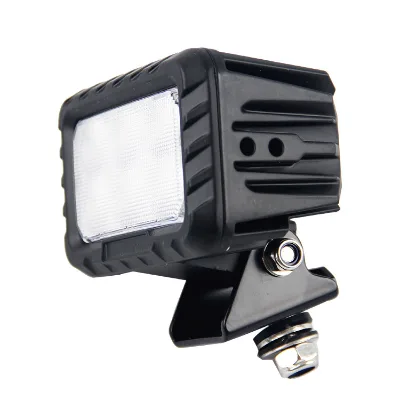


45W Emark LED Headlights 7 with DOT Spot Light for Vehicle Auto LED Light
$12.00 - $15.00
MOQ: 100 Pieces


Comprehensive Sourcing Guide
Strategic Sourcing Guide for E-Mark and DOT Certified Truck and Car Headlights
Understanding Technical Specifications and Functional Requirements
When sourcing headlights for trucks and passenger vehicles, the primary objective is to align technical specifications with the intended operational environment. The market offers a diverse range of products, from specialized back position lamps to high-intensity driving lights. Buyers must first distinguish between the functional categories available. Some units are designed specifically as back position lamps or parking lights, while others serve as combined Daytime Running Lights (DRL) and driving lights. The latter category is critical for heavy-duty truck applications where visibility is paramount.
The electrical architecture of these components varies significantly. While some systems operate on a standard DC voltage type, others are engineered for a broader input range, such as 9-48V, which is essential for heavy trucks that may experience voltage fluctuations. The power consumption is another critical metric; specifications indicate units ranging from 55W to configurations utilizing multiple LED chips, such as 10W per piece across six units. The physical construction often involves a combination of aluminum housing and LED components, with some models featuring ADC 12 housing and stainless steel side brackets for enhanced durability.
Color temperature and light output are equally vital. Buyers should look for units offering specific color temperatures, such as 6000K for a crisp white light or combinations like 6000K and 3000K for dual-function applications. The beam pattern is another decisive factor; flood beams provide wide-area illumination suitable for off-road or construction environments, whereas focused beams are better for highway driving. The physical dimensions of the product must also be verified against the vehicle's mounting points. Observed standard sizes in the market include dimensions like 14.24.211.3cm or larger industrial units measuring 1267078cm, though exact fitment requires cross-referencing with the specific vehicle model.
Compliance and Certification Verification
Compliance is the most critical barrier to entry for automotive lighting components. For international trade, particularly involving trucks and cars, the E-Mark and DOT certifications are non-negotiable. The E-Mark certification indicates compliance with United Nations Economic Commission for Europe (UNECE) regulations, ensuring the product meets safety standards for European markets. Similarly, DOT (Department of Transportation) certification is mandatory for vehicles operating within the United States.
The supply chain data reveals a variety of certification profiles. Some products list CCC (China Compulsory Certification) alongside DOT and GCC (Gulf Cooperation Council) standards, indicating a broad regional compliance strategy. Other listings include CREE, CE, FCC, and RoHS certifications, which address electromagnetic compatibility and environmental safety. It is important to note that while some product descriptions mention specific certificates like E-Mark, RoHS, and CE, buyers must verify that these certifications are valid for the specific model number and batch being purchased.
Certification status should not be assumed based on the brand name alone. For instance, while Osram is a recognized brand in the lighting industry, the specific certification for a given SKU must be confirmed. Similarly, the presence of a "Standard" certification label requires clarification to ensure it refers to a recognized industry standard rather than a generic internal designation. Buyers should request valid test reports and certification documents directly from the supplier to confirm that the product meets the specific regulatory requirements of the target market. The absence of a specific certification in the product description should be treated as a red flag requiring immediate clarification before proceeding with an order.
Cost Drivers and Pricing Dynamics
The pricing structure for automotive headlights is influenced by a complex interplay of factors, including material quality, certification costs, and production volume. The observed price range in the market spans from $0.30 to $181.00 USD. This wide disparity is not arbitrary; it reflects differences in component quality, brand positioning, and functional complexity. Lower-priced items often correspond to basic parking lights or simple LED modules, whereas higher-priced units typically feature advanced optical systems, robust aluminum or ADC 12 housing, and comprehensive certification packages.
Volume is a significant determinant of unit cost. The Minimum Order Quantity (MOQ) varies from 1 unit to 500 units. Buyers purchasing small quantities may face higher per-unit costs, while those committing to larger volumes can negotiate more favorable pricing tiers. Customization is another cost driver. Products offering customizable packaging or specific branding options often carry a premium. The material composition also plays a role; units utilizing high-grade aluminum and specialized LED chips like Epistar or CREE will generally command a higher price than those using standard materials.
Additionally, the complexity of the installation and the specific voltage requirements can impact the final cost. Units designed for easy installation or those requiring specialized voltage regulation (e.g., 9-48V) may be priced higher due to the engineering involved. Buyers should analyze the total cost of ownership, which includes not just the unit price but also shipping, potential duties, and the cost of any necessary adapters or mounting hardware.
Typical Applications and Operational Context
The application of these headlights varies widely depending on the vehicle type and the specific lighting function required. Back position lamps and parking lights are essential for passenger cars and light trucks, serving to make the vehicle visible to others during low-light conditions. In contrast, DRL and driving light combinations are frequently utilized in heavy-duty trucks, off-road vehicles, and commercial fleets where maximum visibility is required for safety.
The durability requirements also dictate the application. Products with an IP67 or IP68 waterproof rating are suitable for harsh environments, such as off-road construction sites or marine applications, where exposure to water and dust is constant. The life span of the LED components, often cited as 50,000 hours, makes them ideal for commercial vehicles that operate for extended periods. The "New" condition of the products ensures that buyers receive components with full operational life, which is crucial for maintaining fleet safety standards.
Installation ease is a practical consideration for fleet managers. Products labeled with "Easy Installation" features reduce downtime and labor costs during retrofitting or replacement. The specific dimensions and mounting brackets, such as the stainless side brackets mentioned in some specifications, must be compatible with the vehicle's existing structure. Buyers should carefully review the model numbers, such as WO009, WR020, or WZ-8006-8, to ensure the product fits the intended vehicle platform.
Supplier Evaluation and Origin Verification
Evaluating suppliers requires a rigorous approach to verifying their capabilities and reliability. The origin of the products is a key factor, with the majority of listings indicating production in China, specifically in regions like Jiangsu. While China is a major hub for automotive lighting manufacturing, buyers must assess the specific factory's quality control processes. The presence of a brand name like Osram or Toptree suggests a level of established manufacturing, but the specific product line and its associated certifications must be validated.
Supplier evaluation should focus on their ability to provide consistent quality and compliance documentation. Buyers should inquire about the supplier's experience with E-Mark and DOT certifications, as these require ongoing testing and renewal. The ability to offer customization, such as customizable packaging or specific branding, is also a strong indicator of a supplier's flexibility and customer service orientation.
It is crucial to avoid relying solely on the listed brand name. The brand may be a distributor or a private label, and the actual manufacturing entity could be different. Buyers should request information about the manufacturing facility, including its location, capacity, and quality management systems. The "Many" model numbers listed suggest a broad inventory, but the supplier's ability to manage this diversity without compromising quality is a critical evaluation point.
Quality Control and Long-Term Procurement Considerations
Quality control is the backbone of a successful procurement strategy for automotive lighting. Buyers must implement a robust QC process that includes pre-shipment inspections and post-delivery testing. Key areas to inspect include the integrity of the waterproof rating, the consistency of the color temperature, and the durability of the housing materials. The IP67 and IP68 ratings should be verified through independent testing to ensure they meet the claimed standards.
Long-term procurement considerations involve building a relationship with a supplier who can provide consistent quality over time. This includes ensuring that the product specifications, such as the 50,000-hour life span and 55W wattage, remain consistent across different batches. Buyers should also consider the availability of spare parts and the supplier's ability to support the product lifecycle.
The condition of the product, listed as "New," is a baseline requirement, but buyers should also verify the packaging to ensure it protects the components during transit. The single package size and gross weight, such as 30X25X10 cm and 1.500 kg, are important for logistics planning. Finally, buyers should maintain a clear record of all certifications and test results for each batch to ensure compliance with regulatory requirements throughout the product's lifecycle.
Comparative Analysis of Key Product Attributes
To facilitate decision-making, the following table summarizes the key attributes observed in the market for E-Mark and DOT certified headlights. This comparison highlights the diversity in specifications and helps buyers identify the most suitable options for their specific needs.
| Attribute Category | Specific Observations | Relevance to Buyer |
|---|---|---|
| Certifications | CCC, DOT, GCC, CREE, CE, FCC, RoHS, E-Mark | Essential for market access; verify specific model compliance. |
| Function | Back Position Lamp, Parking Light, DRL+Driving Light | Determines suitability for vehicle type (car vs. truck). |
| Waterproof Rating | IP67, IP68 | Critical for durability in harsh or wet environments. |
| Material | Aluminum, LED, ADC 12 housing, Stainless bracket | Impacts heat dissipation and structural longevity. |
| Voltage | DC, 9-48V | Must match vehicle electrical system to prevent damage. |
| Color Temp | 6000K, Warm White, 6000K+3000K | Affects visibility and aesthetic preference. |
| Life Span | 50,000 Hours | Indicates long-term value and reduced replacement frequency. |
| Origin | China (Jiangsu) | Influences shipping costs and lead times. |
| Customization | Available (Packing, Branding) | Allows for branding alignment and specific packaging needs. |
This structured approach ensures that buyers can navigate the complex landscape of automotive lighting procurement with confidence, focusing on verified facts and practical considerations rather than unverified claims. By adhering to these guidelines, organizations can secure high-quality, compliant lighting solutions that meet the rigorous demands of modern transportation.
FAQs
What certifications are required for e mark dot truck car headlights?
Products typically require CCC, DOT, and E-Mark certifications for international trade. Some listings also include CE, RoHS, and FCC standards to ensure safety and electromagnetic compatibility. Buyers must verify that these certificates apply to the specific model and batch before purchasing.
Which waterproof rating should I look for in truck headlights?
High-performance units often feature IP67 or IP68 waterproof ratings for harsh environments. These ratings ensure protection against dust and water immersion, making them suitable for off-road or marine applications. Always confirm the specific rating matches your operational needs.
How do I find E-mark DOT Truck Car Headlight suppliers with low MOQ?
Suppliers offer Minimum Order Quantities ranging from 1 to 500 units depending on the product. You can source basic parking lights or specialized driving lights with flexible order volumes. Check specific listings to confirm the exact MOQ for your desired model.
Can I customize packaging for e mark dot truck car headlights?
Yes, many suppliers offer customizable packaging options to meet specific branding or logistical requirements. This service often comes with a premium but allows for tailored solutions. Verify customization availability directly with the manufacturer before placing an order.
What voltage range do e mark dot truck car headlights support?
Most units operate on DC voltage, with some models supporting a broad range of 9-48V. This wider range is essential for heavy trucks that experience voltage fluctuations. Ensure the selected product matches your vehicle's electrical system to prevent damage.
Which material is best for durable e mark dot truck car headlights?
Aluminum housing is common for heat dissipation, while some models use ADC 12 housing with stainless steel brackets. These materials enhance structural longevity and resistance to corrosion. Select based on the specific durability requirements of your vehicle application.