Source E1 Fire Retardant MDF Board for Furniture, Construction, Decoration
Compare 30 listings for E1 Fire Retardant MDF Board from Chinese manufacturers. View specifications like thickness, density, and certifications to find the right board for indoor furniture, construction, and decoration projects.
Key considerations
Products List


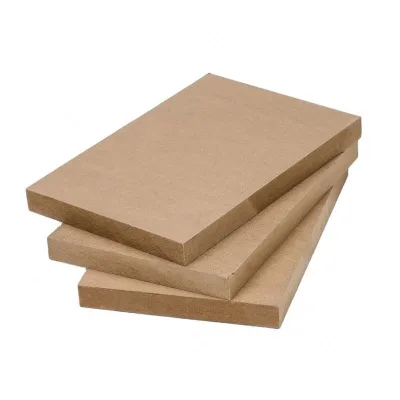
Fiber Board Wood MDF / HDF Board E0 E1 E2 Grade Wooden MDF with Different Thickness
$3.00 - $28.80
MOQ: 2000 Pieces


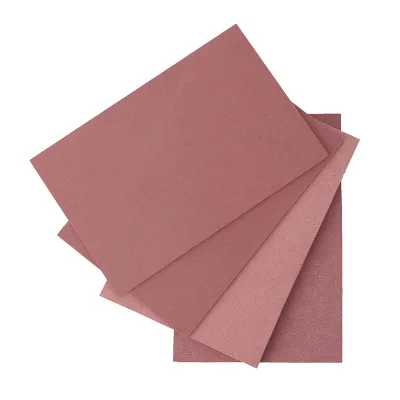
Hot E1 Flame Retardant Board Raw Red MDF Flame Retardant 18mm 1220X2440mm Fireproof MDF
$190.00 - $258.00
MOQ: 10 Square Meters

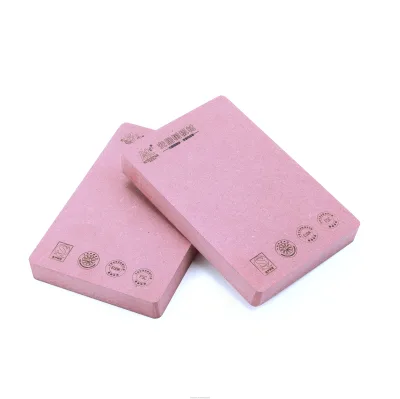
High Quality Fireproof MDF/ Pink Fireproof MDF Board /E1 Fireproof MDF Supplier
$190.00 - $258.00
MOQ: 10 Square Meters

Manufacturer High Quality Flame Retardant Plate 18mm 220X2440mm Sizes MDF E1 MDF Fireproof Board
$190.00 - $258.00
MOQ: 10 Square Meters

Fireproof MDF Board for Hotel /E1 Glue Fireproof Board /18mm MDF Board Supplier
$190.00 - $258.00
MOQ: 10 Square Meters

High Quality 18mm E1 Glue Fire Resistant B1 Grade Flame Retardant Red MDF Board
$190.00 - $258.00
MOQ: 10 Square Meters


Comprehensive Sourcing Guide
Strategic Sourcing Guide for E1 Fire Retardant MDF Boards
Navigating the global market for Medium Density Fiberboard (MDF) requires a nuanced understanding of material science, regulatory compliance, and supply chain logistics. When the specific requirement involves E1 fire retardant MDF boards, the procurement strategy must balance fire safety standards with structural integrity and cost efficiency. This guide provides a comprehensive framework for buyers to evaluate suppliers, verify technical specifications, and mitigate risks associated with sourcing these specialized composite wood products from international markets, particularly China.
Technical Specifications and Material Composition
The foundation of any successful procurement begins with a precise definition of technical requirements. E1 fire retardant MDF boards are engineered composites derived from wood fibers, typically processed through a semi-dry or dry process to achieve a specific density and structural profile. The core material is identified as wood fiber, which is bonded using adhesives that must meet strict formaldehyde emission standards, specifically the E1 grade. This grade indicates that the board emits formaldehyde at a rate of 0.1 mg/L or less, a critical threshold for indoor air quality compliance in many jurisdictions.
Buyers must scrutinize the physical dimensions and density parameters, as these vary significantly across product lines. Standard sheet sizes often include 1220x2440mm, 1220x3050mm, and 15mm or 18mm thicknesses, though 9mm and 12mm options are also prevalent in the market. The density of these boards typically ranges between 710 kg/m³ and 850 kg/m³, with specific grades often targeting the 740-760 kg/m³ range to ensure adequate strength without excessive weight. The internal bond strength is a vital mechanical property, with observed values around 0.37 MPa, while the Modulus of Rupture (MOR) provides insight into the board's resistance to bending, often cited around 14.5 MPa for high-quality variants.
Furthermore, the fire retardant nature of the board is not merely a surface treatment but a functional attribute integrated into the core. These boards are often classified with fire ratings such as B1 or C, indicating their behavior in the event of a fire. The surface finish is typically sanded to ensure a smooth substrate for painting or veneering, and the color may vary from natural brown to specific treatments like red fire retardant finishes. It is essential to verify that the "fire retardant" claim is supported by the specific glue and additive standards, such as FSC, CARB, E0, E1, or E2, which dictate the chemical composition of the board.
Compliance and Certification Verification
In the realm of construction and furniture manufacturing, compliance is non-negotiable. Buyers must demand documentation that validates the E1 formaldehyde emission status and the fire retardant classification. The supply chain for these boards is heavily regulated, and certifications serve as the primary evidence of compliance. Key certifications to look for include ISO standards, which indicate adherence to international management systems, and specific product certifications like FSC (Forest Stewardship Council) and CARB (California Air Resources Board).
The presence of FSC certification ensures that the wood fiber originates from responsibly managed forests, a requirement for many green building projects. CARB certification is particularly critical for markets in North America, as it verifies that the formaldehyde emissions meet the stringent limits set by California regulations. Additionally, Chinese national standards such as GB (Guobiao) are frequently referenced, alongside specific fire safety standards. While some background information may reference EN 13501-1 or ASTM E84, buyers must verify if the specific supplier's product has been tested against these exact standards, as the presence of a standard in general knowledge does not guarantee the product's compliance.
The glue used in the manufacturing process is a primary vector for chemical emissions. The product specifications often list "Fsc/Carb/E0/E1/E2" as the glue grade, indicating the range of formaldehyde emission levels the adhesive can achieve. For E1 fire retardant boards, the glue must be specifically formulated to maintain the E1 emission limit while incorporating fire-retardant additives. Buyers should request the Certificate of Analysis (CoA) for each batch, which should explicitly state the formaldehyde emission value and the fire rating classification. Without these documents, the risk of non-compliance with local building codes is significant.
Cost Drivers and Pricing Dynamics
The pricing of E1 fire retardant MDF boards is influenced by a complex interplay of raw material costs, processing complexity, and logistical factors. The base cost is driven by the price of wood fiber and the specific resin systems used to achieve the E1 and fire-retardant properties. The addition of fire retardant chemicals increases the production cost compared to standard MDF, and the requirement for specialized drying processes, such as the semi-dry process, adds to the energy and operational expenses.
Market observations indicate a wide price range, from as low as $2 to as high as $300 per unit, depending on the thickness, size, and certification level. Thicker boards (18mm) and larger sheets (1220x3050mm) naturally command higher prices due to increased material usage. The MOQ (Minimum Order Quantity) is another significant cost driver, ranging from single units to 10,000 units. For international buyers, the MOQ is often tied to container capacity, with specific references to 40HC (High Cube) containers. This means that to achieve the most favorable unit price, buyers may need to commit to a full container load, which impacts cash flow and storage requirements.
Logistics and payment terms also play a crucial role in the total landed cost. Standard payment terms often include a 30% T/T (Telegraphic Transfer) in advance, with the balance due upon shipment or via L/C (Letter of Credit) at sight. Shipping terms like FOB (Free on Board) or CIF (Cost, Insurance, and Freight) determine who bears the risk and cost of transportation. Buyers must calculate the total cost of ownership, including freight, insurance, customs duties, and inland transportation, rather than focusing solely on the ex-factory price. The lead time, typically around 20 days for production, must be factored into the project schedule to avoid delays.
Typical Applications and Performance Requirements
E1 fire retardant MDF boards are versatile materials designed for a wide array of applications where fire safety and indoor air quality are paramount. The primary application sectors include construction, furniture manufacturing, and interior decoration. In the construction industry, these boards are used for wall paneling, ceiling systems, and partition walls in commercial buildings, hotels, and public spaces where fire codes are strict. The fire rating (B1 or C) ensures that the material contributes to the overall fire safety strategy of the building.
In the furniture sector, E1 fire retardant MDF is ideal for office furniture, school desks, and public seating where regulations mandate low formaldehyde emissions and fire resistance. The sanded surface allows for high-quality finishing, making it suitable for painted or laminated applications. The "Indoor" and "Outdoor" usage attributes suggest that some variants are treated to withstand varying environmental conditions, though the primary focus remains on interior applications. The density and internal bond strength ensure that the boards can withstand the mechanical stresses of furniture assembly and daily use without sagging or delaminating.
The specific application dictates the required thickness and density. For example, heavy-duty shelving may require 18mm boards with a density of 850 kg/m³, while decorative wall panels might utilize 9mm or 12mm boards with a density closer to 710 kg/m³. Buyers must align the product specifications with the intended use case to ensure performance longevity. The "Without Decoration" finish implies that the board is a raw substrate requiring further processing, which offers flexibility for custom designs but adds a step to the manufacturing workflow.
Supplier Evaluation and Quality Control
Selecting the right supplier is critical to ensuring the consistency and quality of E1 fire retardant MDF boards. Buyers should evaluate suppliers based on their production capabilities, specifically their ability to maintain the semi-dry or dry production processes required for high-quality fiberboard. The location of the supplier, often in regions like Anhui in China, can impact logistics and lead times. A supplier with a proven track record of exporting to international markets is preferable, as they are likely more familiar with the documentation and compliance requirements of different countries.
Quality control measures should be a central part of the supplier evaluation. Buyers should inquire about the supplier's internal testing protocols for density, formaldehyde emission, and fire resistance. The ability to provide third-party test reports is a strong indicator of a reliable supplier. Additionally, the packaging method, such as pallet packing with inner wrapping, is essential to prevent damage during transit. The "Loose Packing" option may be available but carries a higher risk of damage, especially for international shipments.
Buyers should also assess the supplier's responsiveness to customization requests. The availability of customization allows for tailored solutions, such as specific dimensions or surface treatments. However, customization can extend lead times and increase costs, so a clear understanding of the trade-offs is necessary. The supplier's ability to handle large orders, indicated by an MOQ of 40HC, demonstrates their capacity to meet the demands of large-scale projects.
Long-Term Procurement Considerations
Sourcing E1 fire retardant MDF boards is not just a one-time transaction but a long-term partnership that requires ongoing management. Buyers should consider the stability of the supply chain and the potential for price fluctuations in raw materials. Establishing a relationship with a supplier who can guarantee consistent quality over time is more valuable than securing a low price for a single order. Regular audits and quality checks should be part of the procurement strategy to ensure that the supplier continues to meet the required standards.
Sustainability is another long-term consideration. The FSC certification ensures that the wood fiber is sourced responsibly, which is increasingly important for corporate social responsibility (CSR) goals and green building certifications like LEED. Buyers should verify that the supplier's FSC chain of custody is valid and up-to-date. Furthermore, the environmental impact of the fire retardant chemicals used should be evaluated to ensure they do not pose long-term health risks or environmental hazards.
Finally, buyers must plan for the end-of-life disposal of the boards. While MDF is recyclable, the presence of fire retardant additives and formaldehyde emissions can complicate the recycling process. Understanding the disposal regulations in the destination market is essential for compliance and environmental stewardship. By addressing these long-term factors, buyers can build a resilient and sustainable supply chain for E1 fire retardant MDF boards that meets both current and future needs.
FAQs
What certifications do e1 fire retardant mdf boards typically hold?
These boards typically hold ISO, FSC, CARB, and GB certifications. The glue grade often meets Fsc/Carb/E0/E1/E2 standards to ensure low formaldehyde emissions and responsible sourcing for international compliance.
Which thickness options are available for e1 fire retardant mdf boards?
Available thickness options include 9mm, 12mm, 15mm, and 18mm. Standard sheet sizes often measure 1220x2440mm or 1220x3050mm to suit various construction and furniture applications.
Can buyers customize E1 Fire Retardant MDF Board specifications?
Yes, customization is available for these boards. Buyers can request specific dimensions or surface finishes like sanded surfaces, though this may affect lead times and pricing.
How is the density of e1 fire retardant mdf boards measured?
The density typically ranges between 710 and 850 kg/m³. Specific grades often target 740 to 760 kg/m³ to balance structural strength with weight for indoor and outdoor use.
What payment terms are standard for E1 Fire Retardant MDF Board orders?
Standard payment terms include FOB, CIF, 30% T/T in advance, and L/C at sight. These terms apply to orders ranging from single units up to full container loads.
Which production process is used for e1 fire retardant mdf boards?
The boards are produced using dry or semi-dry processes. This method ensures the wood fiber is properly bonded with fire-retardant additives while maintaining the required density and strength.
What is the typical lead time for E1 Fire Retardant MDF Board shipments?
The typical shipment lead time is around 20 days. This duration covers production and preparation for packing, which often includes pallet packing with inner wrapping for protection.