Source Early Educational Quiet Book for Brain Training and Balance
Find and compare 30 Early Educational Quiet Book options from verified suppliers. Buyers can evaluate materials like PP and EVA, certifications such as EN71, and customization features for Montessori-style learning and intelligence improvement.
Key considerations
Products List


Puppy Cartoon Sound Book Children Educational Early Education Learning Book
$0.35 - $2.50
MOQ: 1000 Pieces

Custom Printing Bear 6-Key Sound Book Children Early Education Music Book
$0.95 - $1.25
MOQ: 1000 Pieces


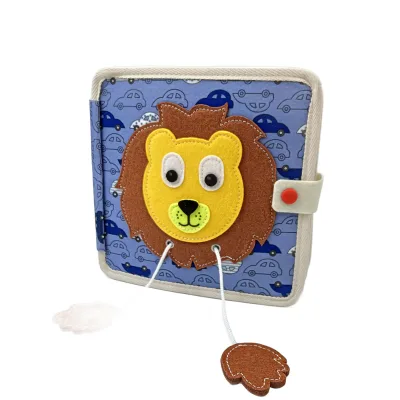

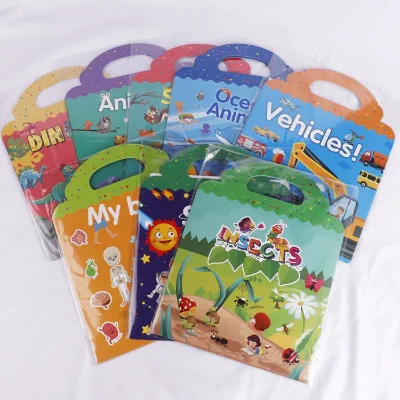

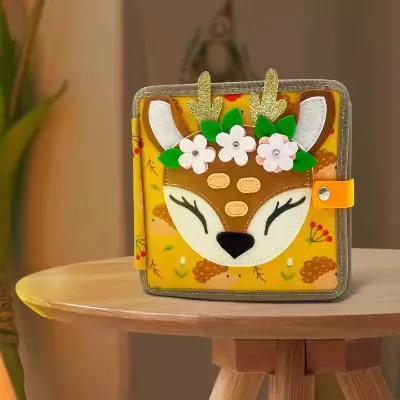
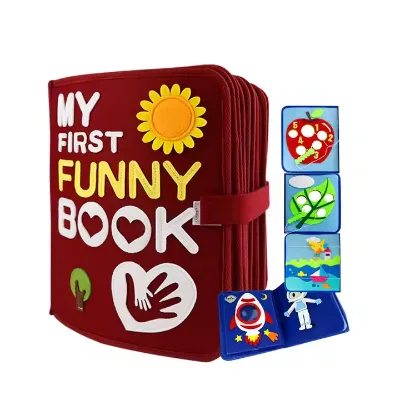
Children's Quiet Book for Animal Cognition and Intellectual Development Book
$1.50 - $2.10
MOQ: 100 Pieces




Comprehensive Sourcing Guide
Strategic Sourcing Guide for Early Educational Quiet Books
Sourcing early educational quiet books requires a nuanced understanding of the intersection between developmental pedagogy and manufacturing logistics. These products, often categorized as Montessori early education tools, are designed to engage children in tactile learning while minimizing noise, making them ideal for classrooms, travel, and home environments. The procurement process involves verifying specific material compositions, ensuring rigorous safety compliance, and evaluating supplier capabilities for customization. This guide outlines the critical factors buyers must address to secure high-quality, compliant inventory that meets the developmental needs of the target age group.
Technical Specifications and Material Composition
The physical attributes of a quiet book define its durability and educational efficacy. In the current market, these products are constructed from a variety of materials, with a notable divergence between fabric-based and rigid plastic alternatives. For traditional quiet books, the primary material is often paper-based, utilizing high-quality cardstock or coated paper to create durable pages that can withstand repeated handling by young children. Specific product listings indicate the use of Ivory Board and Coated Paper, which provide a sturdy base for attaching various interactive elements. The surface finish is equally critical; processes such as Varnishing, Film Lamination, and Varnish are standard to protect the pages from moisture and wear.
Binding methods vary significantly based on the intended usage and longevity. Saddle Stitch and Perfect Bound techniques are common for paper-based books, ensuring that the pages remain secure during active play. The format of these books is often standardized, with a 32 Mo (Möbius or similar metric) format appearing in specific product data, though custom dimensions are frequently available. When evaluating rigid alternatives, the material shifts to plastics such as ABS or EVA. These materials offer a different tactile experience and are often used in conjunction with electronic components for music-based educational toys. The shape of the product can also be a distinguishing feature, with designs ranging from standard rectangular formats to thematic shapes like bears, which appeal to younger demographics.
| Attribute Category | Paper-Based Quiet Books | Plastic/Electronic Variants |
|---|---|---|
| Primary Material | Cardboard, Ivory Board, Coated Paper | ABS, EVA Plastic |
| Surface Finish | Varnishing, Film Lamination | Smooth, Molded |
| Binding Style | Saddle Stitch, Perfect Bound | N/A (Rigid Structure) |
| Interactive Elements | Velcro, Fabric, Buttons | Electronic Modules, Music |
| Typical Dimensions | Customizable (e.g., 33*23cm) | Standardized (e.g., 564734cm) |
Buyers must verify that the specific product model aligns with these material specifications. For instance, a product labeled with the model number MU20251130 may utilize different specifications compared to one labeled MUTOY20230613. The distinction between a "Book" and a "Toy" is often blurred in this category, with some items functioning as both. The "Channel" count, such as a 2-channel configuration, suggests electronic integration in certain models, which necessitates a different supply chain approach than purely analog paper products.
Compliance and Certification Verification
Safety is the paramount concern when sourcing products for children aged 3 to 14 years. The regulatory landscape for educational toys and books is stringent, requiring suppliers to provide verifiable documentation. In the observed market data, certifications such as En71 and CE are frequently cited. EN71 is a European standard for the safety of toys, covering mechanical and physical properties, flammability, and chemical migration. The presence of the CE mark indicates conformity with health, safety, and environmental protection standards for products sold within the European Economic Area.
However, buyers must exercise caution regarding the scope of these certifications. A product may list "EnCe" or "En71" as a general attribute, but this does not automatically guarantee that every specific SKU or color variation has been tested under the same batch conditions. The certification status must be validated against the specific product model and the intended market of sale. For example, a product originating from Guangdong, China, may have passed EN71 testing for the European market, but this does not exempt the buyer from verifying compliance with local regulations in the destination country, such as ASTM F963 in the United States or CPSIA requirements.
Furthermore, the "Fuel" power attribute listed for certain models indicates a potential safety hazard if not properly managed. While some educational toys are battery-operated, the mention of "Fuel" suggests a need for careful scrutiny of the power source mechanism. Buyers should request test reports from accredited third-party laboratories to confirm that the product meets the specific safety standards claimed. The absence of a specific certification in the product listing does not necessarily mean the product is non-compliant, but it does require a proactive verification step before placing a large order.
Cost Drivers and Pricing Dynamics
The pricing of early educational quiet books is influenced by a complex matrix of factors, including material costs, customization levels, and order volume. The observed price range in the market spans from $0.01 to $17.52 USD, a wide disparity that reflects the difference between simple paper-based items and complex electronic toys. The lower end of the spectrum typically corresponds to basic paper books with minimal embellishments, while the higher end includes products with electronic components, advanced surface treatments, and intricate designs.
Order Volume is a primary driver of unit cost. The Minimum Order Quantity (MOQ) ranges from 1 to 2000 units, with specific listings indicating an MOQ of 500 pieces for certain book models. Suppliers often offer tiered pricing structures where the unit cost decreases as the order volume increases. However, buyers must balance cost savings against inventory risk. Ordering at the highest volume tier may reduce the per-unit cost but increases the capital tied up in stock. Additionally, customization significantly impacts pricing. Attributes such as "Custom Logo," "Custom Color," and "Customize" for the product standard or paper type often incur additional setup fees and higher unit costs.
The packaging method also contributes to the overall cost. While "Carton Packing" is standard, specific requests for "Per Customers Request" packaging or "Cartoon" themed packing can add to the expense. Buyers should request a detailed cost breakdown that separates the base product cost from customization fees, packaging costs, and shipping. This transparency allows for better budget management and helps identify areas where cost savings can be achieved without compromising quality.
Typical Applications and Target Demographics
The application of early educational quiet books extends beyond simple entertainment; they are designed to serve specific developmental functions. The target age group is broad, spanning from 3 to 14 years, with specific models tailored to different developmental stages. For younger children (3-8 years), the focus is often on sensory stimulation, fine motor skill development, and basic cognitive tasks. These products frequently feature bright colors, tactile elements, and simple interactive components.
For older children (7-14 years), the applications shift towards more complex cognitive challenges, such as improving intelligence, exercise balance concepts, and brain training. The "Montessori Early Education" type suggests a pedagogical approach that emphasizes self-directed learning and hands-on exploration. The "Music" function found in several models indicates an auditory learning component, which can be particularly effective for children with different learning styles. The "Eco-Friendly" feature is also a growing application driver, appealing to parents and educational institutions that prioritize sustainability.
The versatility of these products allows them to be used in various settings. They are suitable for classroom activities, home learning environments, and travel. The "Business" application listed for some models suggests that these items are also used for corporate gifting or promotional purposes, where the "Custom Logo" feature is highly valued. Understanding the specific application is crucial for selecting the right product, as a book designed for "Improving Intelligence" may differ significantly in content and complexity from one designed solely for "Exercise Kids Balance Concept."
Supplier Evaluation and Quality Control
Selecting the right supplier is critical for ensuring consistent quality and reliable delivery. The origin of the products, primarily China and specifically Guangdong, indicates a mature manufacturing ecosystem with a high concentration of suppliers. However, the diversity of suppliers means that quality control practices can vary widely. Buyers should evaluate suppliers based on their ability to provide detailed product specifications, their responsiveness to customization requests, and their track record with certifications.
Quality control should be implemented at multiple stages of the procurement process. First, buyers should request pre-production samples to verify that the materials, dimensions, and finishes match the agreed-upon specifications. This is particularly important for custom orders where the "Custom Color" or "Custom Logo" must be accurately reproduced. Second, during production, random sampling and inspection should be conducted to ensure consistency. Finally, pre-shipment inspections are essential to verify that the final products meet all safety and quality standards before they are shipped.
The "Surface Finish" and "Surface Treatment" are key quality indicators. Processes like "Film Lamination" and "Varnish" must be applied evenly to prevent peeling or bubbling, which can compromise the durability of the book. For electronic models, the "Channel" functionality and power source must be tested to ensure they operate correctly and safely. Buyers should also verify the "Product Packing" to ensure that the items are protected during transit, especially given the fragile nature of some paper-based components.
Long-Term Procurement Considerations
Sourcing early educational quiet books is not a one-time transaction but part of a long-term supply chain strategy. Buyers must consider the scalability of the supplier, their ability to handle future customization requests, and their capacity to adapt to changing market trends. The "Customization" attribute being available suggests that suppliers are willing to work with buyers to create unique products, but this requires a clear communication channel and a well-defined process for managing design changes.
Sustainability is another long-term consideration. With the "Eco-Friendly" feature becoming more prominent, buyers should prioritize suppliers who use sustainable materials and manufacturing processes. This not only aligns with consumer preferences but also mitigates regulatory risks associated with environmental standards. Additionally, the "Lead Time" and "MOQ" flexibility are crucial for managing inventory levels. Suppliers who can accommodate smaller, more frequent orders may be more suitable for buyers who want to test new designs or respond quickly to market demands.
Finally, buyers should establish a relationship with suppliers that includes regular performance reviews and feedback loops. This ensures that any issues with quality or delivery are addressed promptly and that the supplier remains aligned with the buyer's strategic goals. By focusing on these long-term factors, buyers can build a resilient supply chain that supports the growth and success of their educational product lines.
FAQs
What materials are used for early educational quiet books?
Materials include paper, cardboard, ABS, and EVA plastic. Specific listings show Ivory Board, Coated Paper, and Cardboard for book versions, while electronic variants use ABS or EVA plastic for durability.
Which certifications are required for these educational toys?
Common certifications include EN71 and CE marks. Some products also list EnCe, ensuring compliance with safety standards for mechanical properties and chemical migration suitable for children aged 3 to 14 years.
Can buyers request custom logos and colors for these items?
Yes, customization is available for logos, colors, and product standards. Buyers can specify custom paper types like Ivory Board or request specific surface treatments such as film lamination and varnishing.
What is the typical minimum order quantity for quiet books?
MOQ ranges from 1 to 2000 units depending on the supplier. Specific models like the Diary Notebook have an MOQ of 500 pieces, while other items may start at lower quantities.
How are these products typically packed for shipping?
Products are usually packed in cartons or paper cartons. Some suppliers offer packing per customer request, including cartoon-themed options, to ensure safe transit of the fragile paper or plastic components.
Which age groups are these educational books designed for?
Target ages span from 3 to 14 years. Specific models cater to 3-8 years for sensory play or 7-14 years for intelligence improvement and balance concept exercises, aligning with Montessori education principles.
Where are these products primarily manufactured?
Products originate from China, specifically Guangdong. This region hosts manufacturers capable of producing both paper-based books and plastic electronic toys with various customization options.