Source Earthquake Resistant Modern Container House for Dormitories, Villas, Offices
Find 30 Earthquake Resistant Modern Container House options with customizable features like fast installation and wind resistance. Buyers can compare specifications, certifications, and pricing for uses in dormitories, villas, and temporary offices.
Key considerations
Products List


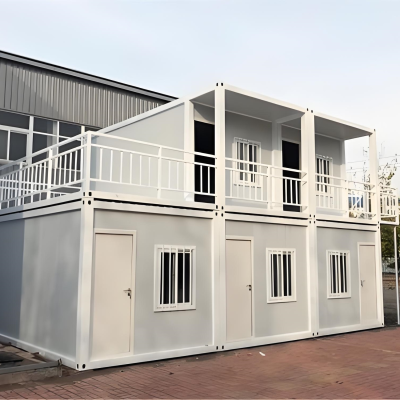
Dormitory Container House/Modern Container House/Container House with Air-Conditioner
$15000.00 - $21700.00
MOQ: 1 Pieces




Comprehensive Sourcing Guide
Strategic Sourcing Guide for Earthquake Resistant Modern Container Houses
Understanding the Technical Architecture of Seismic-Ready Modular Units
When sourcing an earthquake-resistant modern container house, the primary focus must shift from aesthetic appeal to structural integrity and material composition. The core of these units often relies on a galvanized steel frame, which provides the necessary tensile strength to withstand lateral forces during seismic events. In the observed market data, specific configurations utilize a galvanised frame with a coating of 275G/M2, a standard that suggests a robust defense against corrosion while maintaining the structural rigidity required for high-load scenarios. The connection methodology is equally critical; units designed for seismic zones frequently employ bolted connections rather than welding or riveting. This approach allows for a degree of flexibility in the joint, enabling the structure to absorb and dissipate energy without catastrophic failure.
The envelope of the structure typically utilizes sandwich panels or container-style materials, offering a balance between insulation and load-bearing capacity. Insulation materials such as EPS (Expanded Polystyrene), PU (Polyurethane), or Rock Wool are common inclusions, serving dual purposes of thermal regulation and fire resistance. For instance, specific models in the current supply chain demonstrate a refractory rating of 90 minutes, a crucial metric for safety in earthquake-prone regions where fire hazards often follow seismic activity. The dimensions of these units vary, with observed specifications ranging from 5800mm to 6058mm in length, and widths generally around 2438mm to 2500mm. These standardized dimensions facilitate efficient transportation and modular assembly, allowing buyers to configure multiple units to create larger complexes that maintain their individual seismic ratings.
Compliance Verification and Certification Standards
Navigating the certification landscape is a non-negotiable step in the procurement of earthquake-resistant housing. Buyers must verify that the supplier provides valid documentation for recognized international standards. The most frequently observed certifications in this sector include ISO and CE marks. Specifically, the ISO 9001:2008 standard is noted in several product profiles, indicating a commitment to quality management systems that ensure consistency in manufacturing processes. The CE marking signifies conformity with health, safety, and environmental protection standards for products sold within the European Economic Area, which often serves as a proxy for rigorous engineering standards globally.
Beyond general certifications, specific performance metrics regarding seismic and wind loads must be scrutinized. The market data indicates that some units are rated for a Seismic Load of Grade 8 or Level 8, which corresponds to specific intensity scales used in regional building codes. Similarly, wind resistance is a critical factor, with observed ratings reaching Level 16 or wind speeds up to 220km/H. It is imperative for buyers to request the specific engineering calculations or test reports that substantiate these claims. While the provided data lists these values, the procurement process requires confirming that these figures apply to the specific configuration being purchased, as customization options can alter the structural dynamics. Buyers should also verify the origin of the steel and the specific standards applied to the "Section steels customized" mentioned in various listings, ensuring that the raw materials meet the requisite yield strength for the claimed seismic rating.
Cost Drivers and Financial Parameters in Modular Procurement
The financial landscape of sourcing earthquake-resistant container houses is influenced by a complex interplay of material costs, customization levels, and logistical requirements. The observed price range in the market spans from approximately $799 to $21,700 USD. This significant variance is not arbitrary but reflects differences in unit size, material thickness, insulation quality, and the extent of customization. A basic unit with minimal insulation and standard dimensions will sit at the lower end of this spectrum, whereas a fully customized, high-specification unit with advanced fireproofing and enhanced seismic reinforcement will command the higher price points.
Minimum Order Quantity (MOQ) is another critical cost driver. The market data reveals an MOQ range of 1 to 10 units, with specific listings requiring a minimum of 8 sets. Purchasing at the lower end of the MOQ spectrum may result in a higher unit cost due to the fixed overheads of production and logistics. Conversely, bulk orders can leverage economies of scale, potentially reducing the per-unit price. Lead times also impact the overall cost structure; a standard delivery detail of 25 days is common, but expedited shipping or complex customizations may extend this timeline, incurring additional costs. Furthermore, transportation costs are substantial, with options ranging from unpackaged shipping to specialized container shipping (e.g., 10 units per 40'HQ or 6 units per 40'HQ). The choice of packing method, whether "Naked," "Material with Proper Package," or specific unit counts per container, directly affects the freight expense and must be factored into the total cost of ownership.
Typical Applications and Functional Versatility
Earthquake-resistant modern container houses are designed for a diverse array of applications, making them highly versatile for various sectors. The primary usage scenarios identified include dormitories, temporary offices, workshops, villas, and living houses. In post-disaster relief scenarios, these units serve as immediate, safe shelter for displaced populations, offering a rapid deployment solution that does not compromise on safety. The "Fast Installation" attribute is particularly valuable in these contexts, allowing for the quick establishment of temporary infrastructure.
In the commercial and industrial sectors, these units are frequently utilized as temporary offices or classrooms. Their modular nature allows for easy expansion or reconfiguration as project needs evolve. For instance, a construction site might utilize these units as site offices, while a resort or vacation destination might employ them as eco-friendly accommodation units. The "Eco-Friendliness" and "Easily Movable" attributes make them suitable for temporary events or pop-up retail spaces. The ability to customize the interior layout and exterior finish allows these structures to blend into various environments, from urban construction sites to remote villa locations. The specific mention of "Apartment" and "Resort House" applications highlights their adaptability for long-term residential use, provided that local zoning laws and building codes permit such structures.
Supplier Evaluation and Origin Verification
Selecting the right supplier requires a rigorous evaluation of their capabilities, location, and track record. The supply chain for these units is predominantly centered in China, with specific manufacturing hubs identified in locations such as Shaoxing, Zhejiang, and Taiyuan. Buyers should verify the specific origin of the unit, as regional differences in manufacturing standards and labor costs can influence quality and pricing. The presence of OEM (Original Equipment Manufacturer) capabilities is a significant indicator of a supplier's flexibility, allowing for bespoke designs that meet specific project requirements.
When evaluating suppliers, buyers must look beyond the basic product listing. The ability to provide "Customized" solutions is a key differentiator. Suppliers that offer options for "Optional" colors and specific material configurations demonstrate a higher level of engagement with client needs. It is also essential to assess the supplier's quality control processes. The mention of "Galvanised Frame" and specific steel grades suggests a focus on durability, but buyers should request evidence of these processes, such as mill certificates or third-party inspection reports. Additionally, the warranty period, observed as 2 years in some listings, serves as a benchmark for the supplier's confidence in their product. A supplier willing to offer a comprehensive warranty is more likely to stand behind the structural integrity of their units.
Quality Control and Long-Term Procurement Considerations
Ensuring the long-term viability of earthquake-resistant container houses requires a proactive approach to quality control and maintenance planning. The installation process is a critical phase where quality can be compromised if not managed correctly. The data indicates that installation is designed to be "Fast and Easy" and can be performed "on Site," but this requires skilled labor to ensure that all bolted connections are tightened to specification and that the structural alignment is perfect. Any deviation in the installation process can significantly reduce the seismic performance of the unit.
Long-term considerations also include the durability of the materials against environmental factors. While the units are described as "Waterproof," "Leak Proof," and "Moisture Proof," the longevity of these features depends on the quality of the seals and the maintenance of the exterior cladding. The "Section steels customized" standard implies that the steel components are tailored to specific project needs, but buyers must ensure that the anti-corrosion treatments are adequate for the local climate. Furthermore, the electrical systems, which include components like light fixtures, switches, sockets, distribution boxes, and breakers, must be installed in compliance with local electrical codes to prevent fire hazards.
Comparative Analysis of Key Product Specifications
To facilitate informed decision-making, the following table summarizes the key technical and logistical specifications observed in the current market for earthquake-resistant modern container houses. This comparison highlights the variability in dimensions, certifications, and performance ratings that buyers must evaluate.
| Specification Category | Observed Attribute 1 | Observed Attribute 2 | Observed Attribute 3 |
|---|---|---|---|
| Seismic Rating | Level 8 / Grade 8 | Earthquake Resistant | Seismic Load Grade 8 |
| Wind Resistance | Level 16 | 220km/H | Windproof |
| Fire Resistance | 90 Minutes | Refractory | Safe |
| Primary Material | Galvanised Frame | Sandwich Panel | Container |
| Insulation Type | EPS, PU, Rock Wool | Wooden (Standard) | Material with Proper Package |
| Certifications | ISO, CE | ISO9001:2008 | CE, ISO |
| Dimensions (LxWxH) | 600024382591mm | 605824382591mm | 580025002670mm |
| Connection Method | All by Bolt | Customized | Fast Installation |
| Origin Location | Shaoxing, Zhejiang | Taiyuan | China |
| Warranty Period | 2 Years | - | - |
| MOQ | 8 Sets | 1-10 Units | 1 Unit |
| Packing Method | 10 Units/40'HQ | 6 Units/40'HQ | Unpackaged |
This comparative view underscores the importance of matching specific project requirements with the precise capabilities of the supplier. Buyers should not assume that all units labeled "Earthquake Resistant" possess identical specifications. The variation in dimensions, insulation types, and certification standards necessitates a detailed review of the technical datasheets for each potential supplier. By rigorously comparing these attributes, procurement teams can ensure that the selected units not only meet the immediate safety requirements but also align with the long-term operational goals of the project. The final selection should be based on a holistic assessment of technical compliance, cost efficiency, and the supplier's ability to deliver a product that maintains its integrity under seismic stress.
FAQs
What certifications do earthquake resistant modern container houses have?
These units typically hold ISO and CE certifications to ensure safety and quality. Specific models may also comply with ISO9001:2008 standards for quality management systems. Buyers should verify that the documentation covers the specific configuration being purchased.
How fast can these houses be installed on site?
Installation is designed to be fast and easy, often completed on site with bolted connections. The standard delivery detail indicates a lead time of 25 days before installation begins. This rapid deployment makes them suitable for temporary offices and dormitories.
Which seismic and wind loads can these structures withstand?
Units are rated for Level 8 earthquake resistance and can withstand wind loads up to 220km/H or Level 16. Some specifications list a seismic load of Grade 8. These ratings ensure structural integrity during seismic events and high-wind scenarios.
Can buyers customize the color and material of the house?
Yes, customization is available for colors and specific material configurations like sandwich panels or container styles. Buyers can request optional colors and customized section steels to meet project needs. OEM services allow for bespoke designs tailored to specific requirements.
What is the typical price range for these container houses?
The observed price range spans from 799 to 21700 USD depending on specifications. Costs vary based on unit size, insulation quality, and the extent of customization. Basic units with minimal features sit at the lower end, while high-spec models cost more.
How many units are required for a minimum order quantity?
The minimum order quantity ranges from 1 to 10 units, with some listings requiring a minimum of 8 sets. Bulk orders can leverage economies of scale to reduce per-unit costs. Buyers should check specific supplier requirements for their desired configuration.
What insulation materials are used in these houses?
Common insulation materials include EPS, PU, and Rock Wool for thermal regulation and fire resistance. Some units feature a refractory rating of 90 minutes for enhanced safety. These materials help maintain internal temperatures while providing necessary fire protection.