Source Easy Installation Rear Bumper Diffuser for sedans SUVs
Find 30 listings for Easy Installation Rear Bumper Diffuser options suitable for sedans, SUVs, and specific car models. Buyers can compare steel and plastic materials, colors like silver and red, and MOQs ranging from 20 to 150 units.
Key considerations
Products List


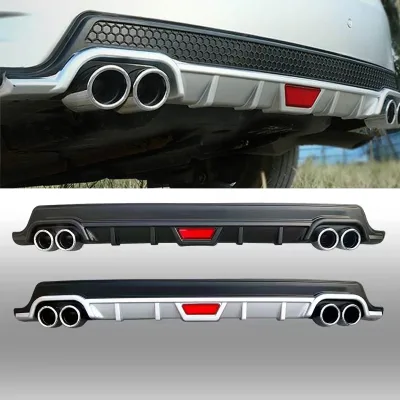
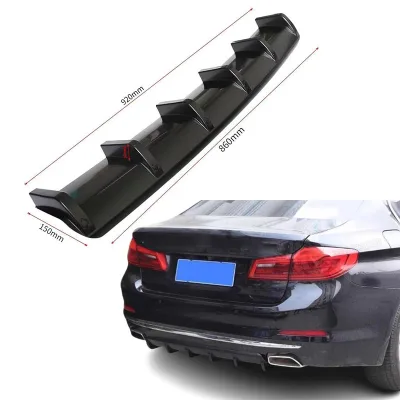
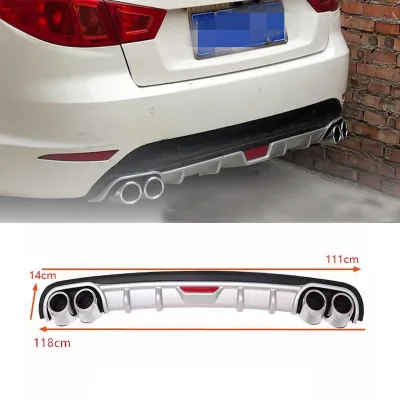
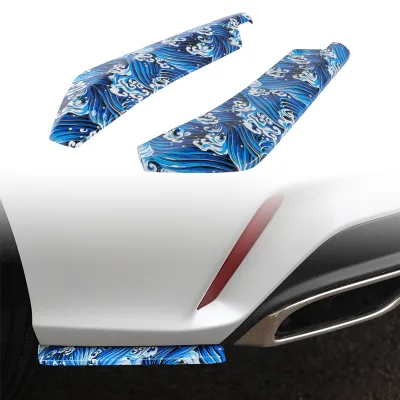
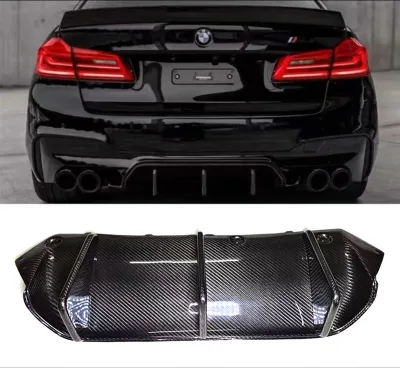
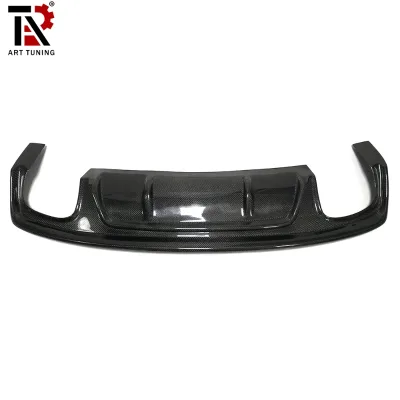
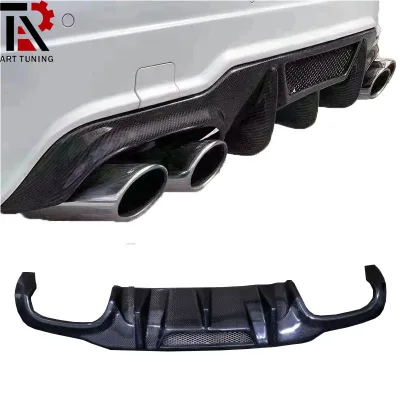
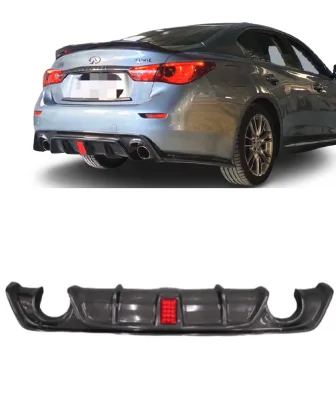
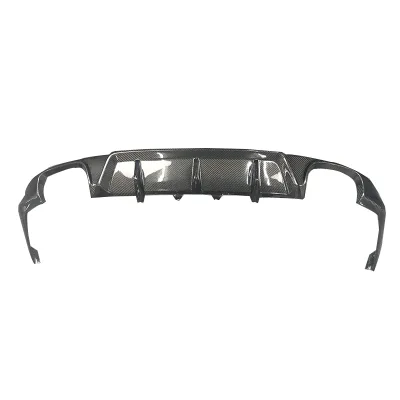
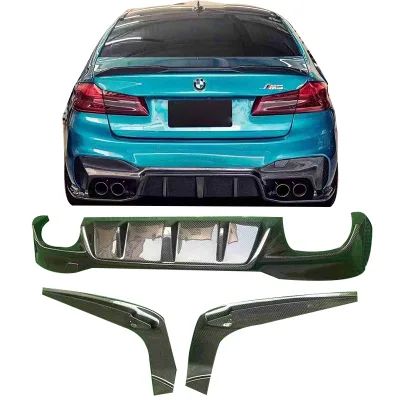
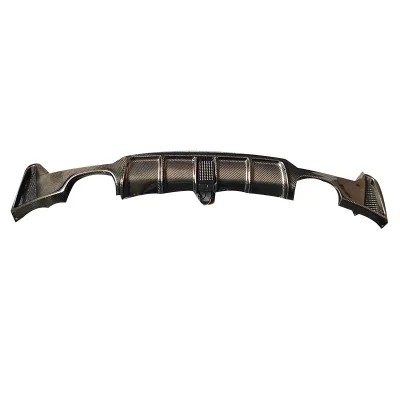
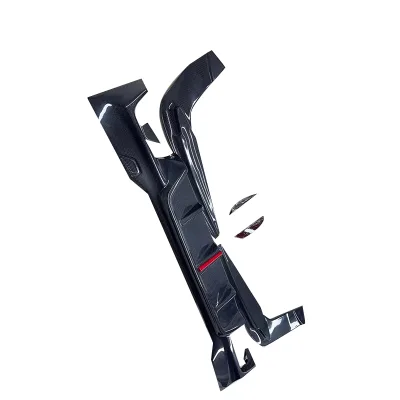
New Carbon Fiber Rear Bumper Diffuser for C CLASS W204 C63 Performance Parts
$140.00 - $180.00
MOQ: 1 pieces


Comprehensive Sourcing Guide
Strategic Sourcing Guide for Easy Installation Rear Bumper Diffusers
Understanding Product Variability and Core Specifications
When sourcing an Easy Installation Rear Bumper Diffuser, the primary challenge lies in navigating the significant variability inherent in the aftermarket automotive parts market. The term "easy installation" suggests a design that minimizes the need for drilling, welding, or extensive modification, yet the underlying specifications of these components vary widely based on the intended vehicle fitment and material composition. Based on available market data, these products are categorized by specific model numbers such as 816010, 816011, and G04066, indicating that a "universal" designation often masks specific fitment requirements for particular chassis types. Buyers must distinguish between products labeled as "Universal" and those specified for "Specific Model" applications, such as the Hyundai Accent Rb 2015.
The physical dimensions of the diffuser are a critical specification that directly impacts the ease of installation. Observed data indicates that specific units may have a defined size, such as 129cm, which requires precise measurement against the target vehicle's bumper geometry. Furthermore, the position of the component is strictly defined as either "Front Bumper Diffuser" or "Rear Bumper," with the latter being the focus of this guide. The "Position" attribute often dictates the mounting hardware included; a rear bumper diffuser intended for a specific model may come with pre-drilled holes or a specific clip system, whereas a universal unit might rely on adhesive or custom fitting.
Material selection is another fundamental specification that influences both the installation process and the final product longevity. The market offers diffusers constructed from "Steel" and "Plastic." Steel components generally offer higher structural rigidity but may require more robust mounting solutions and potentially more complex surface preparation to prevent corrosion. Conversely, plastic diffusers, often associated with universal fitment, are lighter and may be more forgiving during the installation process, though they may lack the same structural integrity as metal alternatives. The color options available, including Silver, Red, and Black, are often pre-finished, which simplifies the post-installation aesthetic matching but requires the buyer to verify the exact shade against the vehicle's existing paintwork.
Compliance, Certification, and Regulatory Standards
In the B2B procurement of automotive exterior components, verifying compliance and certification is essential to mitigate liability and ensure marketability. The supplied product data highlights that many rear bumper diffusers carry "CE" and "ISO" certifications. These marks indicate that the manufacturer claims adherence to specific European safety and quality management standards. However, buyers must treat these as observations rather than absolute guarantees for every single unit in a batch. The "ISO" certification typically refers to quality management systems (such as ISO 9001) rather than a specific product safety standard for automotive parts, while "CE" indicates conformity with health, safety, and environmental protection standards for products sold within the European Economic Area.
Beyond the listed certifications, buyers should verify the "prod_standard" attribute, which is noted as "universal" or "standard" in various listings. This terminology is ambiguous and requires clarification from the supplier. A "universal" standard implies the product is designed to fit a broad range of vehicles, but it does not guarantee that the product meets the specific crashworthiness or aerodynamic regulations of the destination country. For instance, in some jurisdictions, aftermarket bumper modifications must not protrude beyond certain limits or interfere with pedestrian safety sensors.
The "Condition" of the product is consistently listed as "New," which is a baseline requirement for B2B transactions. However, the "After-Sales Service" offering a "12 Months" warranty period provides a crucial layer of protection for buyers. This warranty suggests that the supplier stands behind the durability of the product against defects in material or workmanship. When evaluating a supplier, buyers should explicitly request documentation proving the validity of the CE and ISO claims, as well as the specific terms of the 12-month warranty. It is also important to note the "Place of Origin," which is frequently cited as "China (Mainland)" or specific regions like "Danyang, Jiangsu." While this is a major manufacturing hub, it necessitates rigorous quality control checks to ensure that the products meet the buyer's local regulatory requirements, which may differ from the standards of the country of origin.
Cost Drivers and Pricing Structure Analysis
The pricing structure for rear bumper diffusers exhibits a vast range, with observed listed prices spanning from $1.60 to $359,358.23 USD. This extreme variance is not indicative of a single product type but rather reflects the diversity of the market, ranging from simple plastic universal kits to high-end, custom-fabricated steel components or complete bumper assemblies. For a buyer seeking an "easy installation" unit, the cost drivers are primarily material, customization, and order volume.
The "MOQ" (Minimum Order Quantity) is a significant factor in determining the unit cost. The data shows MOQs ranging from 1 unit to 150 units, with specific listings citing 50, 150, and 20 pieces. Suppliers often offer tiered pricing where the unit cost decreases as the order volume increases. For example, an order of 150 units may trigger a lower price point compared to a single unit purchase. The "Customization" attribute being "Available" suggests that buyers can request specific modifications, such as unique colors or fitment adjustments, but these customizations will invariably increase the base cost and potentially the lead time.
Payment terms also play a role in the financial dynamics of the transaction. The observed payment methods include "Western-union," "Paypal," "TT" (Telegraphic Transfer), and "Assurancerade." These terms indicate the flexibility of the supplier but also introduce varying levels of financial risk. Buyers should negotiate payment terms that align with their risk tolerance, often preferring a deposit structure where a portion is paid upfront and the remainder upon shipment or inspection. The "Single volume" of 0 cm³ listed in some data points is likely an error or a placeholder, but it underscores the need for buyers to calculate shipping costs based on the actual carton dimensions and weight, as the "Package" is consistently listed as "Carton" or "Carton Box."
Typical Applications and Fitment Considerations
The application of rear bumper diffusers is diverse, with the "Application" attribute listed as "Universal," "Car," and specific model fitments. The "Universal" category is designed for a wide array of vehicles but often requires the installer to trim or adapt the diffuser to achieve a perfect fit. In contrast, "Specific Model" applications, such as the "Hyundai Accent Rb 2015," are engineered to bolt directly onto the vehicle's existing mounting points, significantly enhancing the "easy installation" claim.
When sourcing for specific applications, the "Car Model" specification is paramount. Buyers must ensure that the product model number matches the vehicle's year, make, and model exactly. For instance, model numbers like 816001, 816002, 816008, and 816009 likely correspond to specific vehicle platforms. The "Position" attribute further refines the application, distinguishing between front and rear bumper requirements. A rear bumper diffuser is designed to manage airflow under the rear of the vehicle, often improving downforce and aesthetic appeal.
The "Brand Name" "DONKO" appears in the data, suggesting that some suppliers operate under specific branding. However, buyers should not rely solely on brand recognition for quality assurance. Instead, they should verify the "OEM" (Original Equipment Manufacturer) status, which is listed as "Accepted." This indicates that the supplier is capable of producing parts that meet the specifications of original manufacturers, which is a strong indicator of quality and fitment precision. For buyers targeting the "Universal" market, the "Model Number" "Diffuser" serves as a generic identifier, requiring careful cross-referencing with vehicle dimensions to ensure compatibility.
Supplier Evaluation and Operational Logistics
Evaluating a supplier for rear bumper diffusers requires a focus on their operational capabilities, specifically regarding delivery times and logistics. The "Delivery" lead time is observed to be "15-20 Days After Deposit," which is a standard timeframe for manufacturing and shipping from the "China (Mainland)" origin. Buyers must factor this lead time into their inventory planning, especially if they are sourcing for just-in-time manufacturing or specific seasonal demands.
The "Port" of shipment is listed as "Shanghai Ningbo Guangzhou," indicating that the supplier utilizes major Chinese ports for export. This is advantageous for buyers as these ports offer frequent shipping schedules and competitive freight rates. However, buyers should confirm the specific port of loading for their order to avoid unexpected delays or additional costs associated with transshipment. The "Sample" availability is noted as "Acceptable," which is a critical step in the evaluation process. Before committing to a large order, buyers should request samples to verify the "Easy Installation" claim, the quality of the "Plastic" or "Steel" material, and the accuracy of the "Color" options.
The "Single volume" and "Package" details are essential for logistics planning. While the single volume is listed as 0 cm³, the "Package" is consistently "Carton" or "Carton Box." Buyers should request the exact dimensions and weight of the packaged unit to calculate shipping costs accurately. The "Payment Terms" flexibility, including options like Western Union and TT, suggests that the supplier is experienced in international trade but requires buyers to exercise due diligence regarding financial security.
Quality Control and Long-Term Procurement Strategy
Ensuring long-term success in sourcing rear bumper diffusers requires a robust quality control (QC) strategy. Given the "Condition" is "New" and the "After-Sales Service" includes a 12-month warranty, buyers should establish clear QC protocols before production begins. This includes verifying the "Material" consistency, ensuring that the "Steel" or "Plastic" used meets the required durability standards. For plastic components, checking for brittleness or warping is essential, while for steel components, inspecting for rust or coating defects is critical.
The "Certification" status, specifically "CE" and "ISO," should be verified through third-party testing reports rather than relying solely on supplier declarations. Buyers should also check the "Standard" compliance, ensuring that the "prod_standard" aligns with the regulations of the target market. The "Customization" capability allows for tailored solutions, but it introduces complexity into the QC process. Buyers must define clear specifications for any customizations to ensure they do not compromise the "Easy Installation" feature.
Long-term procurement considerations involve building a relationship with a supplier who can consistently deliver high-quality products. The "MOQ" flexibility, ranging from 20 to 150 pieces, allows buyers to start with smaller orders and scale up as demand grows. The "12 Months" after-sales service provides a safety net for any defects that may arise post-delivery. Buyers should maintain open communication with the supplier regarding any issues and utilize the warranty period to resolve them efficiently. By focusing on these strategic elements, buyers can secure a reliable supply chain for easy installation rear bumper diffusers that meets their quality and operational requirements.
FAQs
What certifications do these rear bumper diffusers carry?
Many listed products carry CE and ISO certifications. Buyers should verify these claims through third-party reports as they indicate adherence to safety and quality standards rather than absolute guarantees for every unit.
Can I get samples before placing a bulk order?
Samples are acceptable for most suppliers offering these diffusers. Requesting a sample allows you to verify the material quality, color accuracy, and ease of installation before committing to a larger purchase volume.
How long does delivery take after the deposit is paid?
The standard delivery lead time is 15 to 20 days after the deposit is received. This timeframe applies to manufacturing and shipping from the China (Mainland) origin to the designated ports.
Which materials are used to construct these diffusers?
The diffusers are constructed from either steel or plastic materials. Steel offers higher rigidity while plastic units are lighter and often designed for universal fitment with varying color options like silver, red, and black.
What is the minimum order quantity for these parts?
Minimum order quantities vary significantly, ranging from 1 unit to 150 units depending on the specific listing. Some suppliers require 50 pieces, while others may set the threshold at 20 or 150 units.
Are these diffusers compatible with specific car models?
Products are available for both universal applications and specific models like the Hyundai Accent Rb 2015. Buyers must match the product model number to their vehicle chassis to ensure proper fitment and installation.
What warranty is provided for the rear bumper diffusers?
Suppliers typically offer a 12-month after-sales service warranty. This coverage protects against defects in material or workmanship, ensuring the new condition of the product remains intact for one year.