Source Easy Off Mirror Gel Polish for Nail Art, Salon, and DIY
Compare 30 listings for Easy Off Mirror Gel Polish from Guangzhou suppliers. Buyers can evaluate MOQs, certifications like MSDS and CE, and customization options for nail art beauty applications.
Key considerations
Products List



Comprehensive Sourcing Guide
Strategic Sourcing Guide for Easy Off Mirror Gel Polish
Understanding Product Specifications and Variants
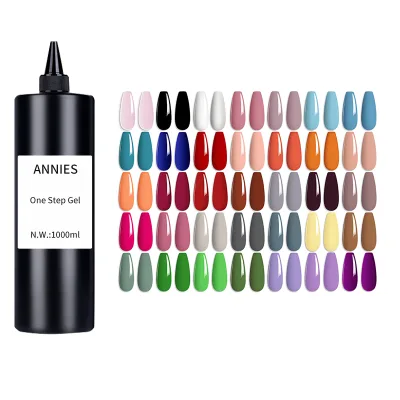
When sourcing "Easy Off Mirror Gel Polish," buyers must first distinguish between the specific product formulations available in the market. The term "mirror gel" often implies a high-gloss, reflective finish, but the underlying chemistry varies significantly between "Solid Color Gel Polish," "Sugar Gel Polish," and "UV Gel" or "Poly Gel" variants. Based on observed market data, the core product attributes include a standard volume of 15ml per bottle for retail-ready units, while bulk procurement often involves 1kg (1000ml) bottles for professional salon use or OEM customization. The physical dimensions of individual units typically range from 3.2cm to 9cm in height, with single package sizes varying from 25x15x15 cm for smaller shipments to larger cartons containing 270 or 360 pieces.
A critical specification to verify is the curing time. Efficient production lines and salon workflows rely on products that cure within 30 seconds under standard UV or LED lamps. The "easy off" characteristic is a primary functional requirement, indicating that the gel is designed to be removed without extensive filing or harsh chemical soaking. Market observations confirm that "Soak off" capabilities are a standard feature, with suppliers explicitly stating that the product removes easily. However, buyers should not assume all mirror finishes share this property; some high-durability mirror gels may require longer soaking times or specific removal tools. The color range is extensive, with some listings offering up to 1000 colors, while others provide 100 standard shades or fully customized options. This variability necessitates a clear definition of the desired finish and color palette before engaging with suppliers.
Compliance and Certification Verification
Navigating the regulatory landscape is essential for importing beauty products, particularly those applied to the human body. The supply chain for gel polish is heavily regulated in key markets such as the European Union and the United States. Buyers must verify that suppliers possess valid documentation for safety and quality. High-confidence data indicates that reputable manufacturers provide a combination of MSDS (Material Safety Data Sheet), GMPC (Good Manufacturing Practice for Cosmetics), and CPNP (Cosmetic Products Notification Portal) registration. These documents are non-negotiable for entering the EU market.
In addition to cosmetic-specific certifications, general product safety certifications are often required. CE marking is frequently observed, indicating compliance with European health, safety, and environmental protection standards. For the North American market, FDA registration or compliance with CPSR (Cosmetic Product Safety Report) is a critical checkpoint. The presence of SGS testing reports further validates the chemical composition and safety of the product. Buyers should request these documents directly from the supplier and cross-reference them with the specific batch numbers of the products they intend to purchase. It is important to note that while "Non-Toxic" is a common material claim, the absence of a specific toxicology report does not guarantee safety; the burden of proof lies with the supplier to provide the CPSR or equivalent safety assessment.
Cost Drivers and Pricing Dynamics
The pricing structure for mirror gel polish is influenced by several variables, including volume, customization, and packaging. Observed price ranges in the market span from $0.40 to $39.11 USD per unit, a wide disparity that reflects differences in quality, brand positioning, and order quantity. The primary cost driver is the Minimum Order Quantity (MOQ). Suppliers may offer an MOQ as low as 12 pieces for sample or trial orders, while standard bulk orders often require 50, 300, or even 10,000 pieces. Higher MOQs typically correlate with lower unit costs, making them suitable for established brands looking to scale.
Customization is another significant factor affecting price. Products labeled with "Customized" branding or specific color formulations (e.g., #01 through #24 in 1kg bottles) often carry a premium over standard off-the-shelf colors. The packaging method also impacts the final cost; bulk shipments in 18.5kg cartons containing 270 pieces are more cost-effective per unit than single-item retail packaging. Shipping costs, which can be calculated via DHL, TNT, FedEx, or sea freight, add to the total landed cost. Buyers should be aware that while the base product price might be low, the logistics of shipping heavy 1kg bottles or large cartons can significantly alter the budget. A detailed cost analysis should include the unit price, tooling fees for custom molds, packaging costs, and freight charges to determine the true cost of goods sold (COGS).
Typical Applications and Market Positioning
The application of Easy Off Mirror Gel Polish extends beyond simple nail art; it serves as a versatile tool for professional nail technicians, beauty salons, and DIY enthusiasts. The "mirror" finish is particularly popular for creating high-shine, reflective surfaces that mimic chrome or metallic effects, often used in conjunction with other gel polish techniques. The "Sugar Gel Polish" variant, noted in the market, suggests a texture or finish that may offer unique aesthetic properties, potentially appealing to consumers seeking a specific tactile or visual experience.
The "OEM/ODM Acceptable" status of many suppliers indicates that these products are designed for private labeling. This makes them ideal for beauty brands looking to launch their own line of nail care products without investing in manufacturing infrastructure. The ability to customize the brand name and color palette allows businesses to differentiate themselves in a crowded market. Furthermore, the "One Step Gel" formulation simplifies the application process, reducing the time required for salon services and increasing customer throughput. The product's suitability for "Nail Art Beauty" applications means it can be used for intricate designs, full-coverage manicures, and specialized effects like the mirror finish. Buyers should consider the target demographic when selecting a product; professional salons may prioritize durability and ease of removal, while retail consumers might focus more on color variety and brand aesthetics.
Supplier Evaluation and Selection Criteria
Selecting the right supplier requires a rigorous evaluation process that goes beyond price comparisons. The geographic origin of the product is a key indicator of supply chain reliability. Most observed listings indicate origins in Guangzhou, Guangdong, China, a major hub for cosmetic manufacturing. While this region offers access to a vast network of suppliers, buyers must verify the specific factory's capabilities and reputation. A reliable supplier should demonstrate a clear commitment to quality control, evidenced by their willingness to provide samples and detailed product specifications.
The "Service" aspect of a supplier's offering is equally important. Suppliers that provide "Sample+OEM+ODM" services are better equipped to handle the needs of diverse clients, from startups needing small batches to large enterprises requiring full customization. Buyers should assess the supplier's responsiveness to inquiries, their ability to provide technical support, and their flexibility in handling custom orders. The availability of "Free Samples" is a strong positive signal, allowing buyers to test the product's quality, curing time, and removal process before committing to a large order. Additionally, the supplier's shipping capabilities, including options for air and sea freight, ensure that products can be delivered efficiently to global markets. Buyers should also verify the supplier's production capacity to ensure they can meet demand during peak seasons without compromising quality.
Quality Control and Long-Term Procurement Considerations
Implementing a robust quality control (QC) protocol is essential for maintaining product integrity and customer satisfaction. Buyers should establish clear acceptance criteria for color consistency, viscosity, and curing performance. The "Soak off" feature must be verified through practical testing to ensure the product meets the "easy off" claim without damaging the natural nail. Regular testing of batch samples for chemical composition and safety is necessary to maintain compliance with international standards.
Long-term procurement strategies should focus on building a stable supply chain. This involves negotiating favorable terms for repeat orders, securing consistent pricing, and establishing a reliable lead time. The observed delivery time of 7-15 days suggests a relatively efficient production cycle, but buyers should confirm this for custom orders, which may require additional time for mold creation and color mixing. Building a relationship with a supplier that offers flexible MOQs can help manage inventory risks and reduce storage costs. Furthermore, staying informed about regulatory changes in the beauty industry is crucial for ensuring continued compliance. By prioritizing suppliers who demonstrate a commitment to quality, safety, and customer service, buyers can secure a competitive advantage in the nail care market.
FAQs
How long does the gel polish take to cure?
The gel polish cures in 30 seconds under standard UV or LED lamps. This fast curing time supports efficient salon workflows and reduces service duration for clients requiring mirror finishes.
What certifications are required for EU import?
Reputable suppliers provide MSDS, GMPC, and CPNP registration for EU compliance. Additional safety documents like CPSR or FDA registration may be needed for North American markets to ensure product safety.
Can I customize the brand name and colors?
Yes, customization is available for both brand names and specific color palettes. Suppliers accept OEM and ODM requests, allowing businesses to create unique products with up to 1000 color options.
What is the minimum order quantity for samples?
The minimum order quantity can be as low as 12 pieces for sample or trial orders. Some listings also offer free samples to allow buyers to test quality before committing to bulk purchases.
How easily does the gel polish remove from nails?
The product is designed to soak off easily without extensive filing or harsh chemicals. This easy-off characteristic ensures safe removal while maintaining the integrity of the natural nail during the process.
Where are the manufacturers located?
Most observed listings indicate origins in Guangzhou, Guangdong, China. This region is a major hub for cosmetic manufacturing, offering access to a vast network of suppliers with established production capabilities.
What packaging options are available for bulk orders?
Bulk packaging options include cartons containing 270 or 360 pieces with specific dimensions. Single package sizes vary from 25x15x15 cm for smaller shipments to larger cartons optimized for sea freight.
What is the typical delivery time for orders?
The typical delivery time ranges from 7 to 15 days for standard orders. Custom orders may require additional time for mold creation and color mixing, so buyers should confirm lead times specifically.