Source Easy Open Canned Mushroom for Pizza, Soup, and Dishes
Compare 30 listings of Easy Open Canned Mushroom from Chinese manufacturers in Zhangzhou and Fujian. Buyers can evaluate certifications like HACCP and ISO, packaging options including tins and glass jars, and net weights ranging from 184g to 2840g for restaurant and family use.
Key considerations
Products List


Comprehensive Sourcing Guide
Strategic Sourcing Guide for Easy Open Canned Mushrooms
Understanding Product Specifications and Variants
When sourcing easy open canned mushrooms, buyers must first navigate a complex landscape of technical specifications that define the product's utility and compatibility with downstream manufacturing processes. The core product category encompasses canned mushrooms, often identified by specific model numbers such as GF-M-W or generic descriptors like "Canned food" and "Mushrooms." The physical dimensions of the product are critical for processing lines; observed specifications indicate a diameter range of 3-6cm, which suggests a standardized cut suitable for uniform distribution in final dishes.
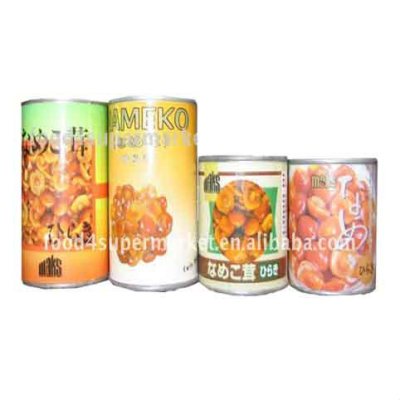
The packaging architecture is a primary differentiator in this category. The supply chain offers multiple packaging configurations, ranging from individual metal tins and glass jars to bulk carton boxes. A frequent observation in the market is the "with Inner Tin Outer Carton" configuration, where individual units are packed in tins and then consolidated into cartons for shipping. The standard net weight specifications vary significantly across suppliers, with observed standards including 184g, 284g, 400g, 425g, 800g, 2500g, and 2840g. Bulk shipping standards often reference configurations like 400g24tins/ctn or 425g24tins/ctn.
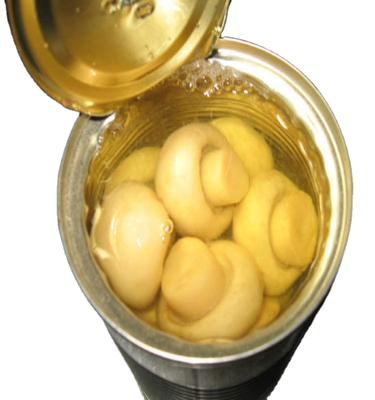
The "easy open" feature is a specific attribute of the lid mechanism. Buyers should verify the presence of either a "Normal Lid" or an "Easy Open Lid" depending on the intended end-user convenience. While the term "easy open" implies a specific mechanical advantage, the exact engineering of the lid must be confirmed during the sampling phase. The product is primarily processed either "In Brine" or "In Water," a distinction that affects the flavor profile and preservation method. The ingredient list is typically straightforward, consisting of fresh champignon, water, and salt, resulting in a salty flavor profile. The shelf life is a robust attribute, with observed data indicating a duration of over 12 months, and in some specific listings, up to 3 years when stored correctly.
Compliance Framework and Certification Verification
For B2B procurement in the food and beverage sector, compliance is not merely a formality but a prerequisite for market access. The supply base for canned mushrooms frequently cites adherence to international quality management and safety standards. High-confidence data indicates that many suppliers possess certifications including HACCP (Hazard Analysis and Critical Control Points), FDA (Food and Drug Administration) compliance, ISO (International Organization for Standardization), and BRC (British Retail Consortium).
However, buyers must treat these certifications as observations of specific supplier capabilities rather than universal guarantees for every listed product. The presence of HACCP and ISO certifications suggests a robust internal quality management system, while BRC certification is particularly relevant for suppliers targeting the European retail market. FDA compliance is essential for products destined for the United States. When evaluating a potential supplier, procurement teams should request current, valid certificates rather than relying on general claims. The verification process should confirm that the certification scope explicitly covers the production of canned mushrooms and the specific processing methods (e.g., in brine or water) being sourced.
Furthermore, the product origin is a critical compliance factor. The majority of the observed supply originates from China, with specific regions like Zhangzhou and Fujian noted as production hubs. Sourcing from these regions requires careful attention to import regulations, including labeling requirements and potential tariffs. Buyers must ensure that the "prod_standard" and "prod_model" align with the regulatory requirements of the destination market. For instance, labeling standards in the EU may differ from those in North America regarding ingredient declaration and allergen warnings, even if the core product remains the same.
Cost Drivers and Pricing Dynamics
The pricing structure for easy open canned mushrooms is influenced by a convergence of raw material costs, packaging complexity, and order volume. The observed listed price range in the market is broad, spanning from $0.15 to $1020 USD. This wide variance is not indicative of a single product but rather reflects the diversity of SKUs, packaging types, and order quantities. A unit price of $0.15 likely corresponds to a single tin or a small sample unit, whereas the $1020 figure likely represents a full container load or a large bulk order of premium packaging.
The Minimum Order Quantity (MOQ) is a significant cost driver. The observed MOQ range extends from 1 unit to 1880 units, with specific listings citing an MOQ of 100 cartons. For buyers with smaller volume requirements, the per-unit cost will be higher due to the fixed costs of production setup and logistics. Conversely, buyers capable of meeting higher volume thresholds can negotiate more favorable pricing. The packaging material also impacts cost; metal tins and glass jars generally incur higher material and manufacturing costs compared to standard carton packaging.
Lead time is another variable that affects the total cost of ownership. The observed delivery time is approximately 2 weeks after order confirmation. While this is a standard timeframe, it can fluctuate based on raw material availability, particularly for fresh champignons which are seasonal. Buyers should factor in potential delays during peak harvest seasons or when supply chain disruptions occur. The storage method, typically "Normal" or "in Cool and Dry Conditions," implies standard warehousing costs, but the long shelf life of over 12 months allows for strategic inventory building without immediate risk of spoilage.
Typical Applications and End-Use Scenarios
The versatility of easy open canned mushrooms makes them a staple ingredient across various food service and retail sectors. The primary applications include use as "Dishes Materials" for a wide array of culinary creations. The product is specifically noted for its popularity in making pizza, soup, and various other dishes. This versatility stems from the consistent quality and flavor profile provided by the canned format, which eliminates the variability often associated with fresh produce.
The target user base is diverse, encompassing both "Restaurants" and "Family" consumers. For the food service industry, the "easy open" feature is a critical operational advantage. It reduces labor time during food preparation, allowing kitchen staff to focus on cooking rather than opening cans. This efficiency is particularly valuable in high-volume environments like pizzerias and soup kitchens. For the retail and family market, the convenience of the easy-open lid enhances the user experience, making the product accessible for quick meal preparation.
The product's role as a "Vegetables" category item also positions it well for health-conscious consumers seeking shelf-stable options. The ingredient list, consisting of fresh champignon, water, and salt, aligns with clean-label trends, provided that no unnecessary additives are introduced during processing. The "Salty" flavor profile suggests that the product may require minimal additional seasoning in recipes, though buyers should verify the sodium content if targeting low-sodium markets. The standard packaging sizes, such as 400g and 425g, are well-suited for both commercial portioning and household consumption.
Supplier Evaluation and Selection Criteria
Selecting the right supplier requires a rigorous evaluation process that goes beyond price comparisons. Buyers should prioritize suppliers who demonstrate transparency in their production processes and quality control measures. The origin of the product, specifically from regions like Zhangzhou and Fujian in China, should be verified to ensure that the supply chain is stable and that the suppliers have the capacity to meet demand.
Key evaluation criteria include the supplier's ability to provide customization. The observed attribute "Customization: Available" indicates that suppliers may offer flexibility in packaging, labeling, and potentially net weight. Buyers should assess the extent of this customization, including the ability to adjust the "Dw" (Diameter/Weight) to 230g or 250g, or to customize the lid type. The availability of different packaging materials, such as metal tins, glass jars, and carton boxes, is another indicator of a supplier's versatility.
Quality control is paramount. Buyers should inquire about the supplier's internal testing protocols and how they ensure consistency in the "In Brine" or "In Water" processing methods. The presence of certifications like HACCP, FDA, ISO, and BRC should be validated through direct communication and document review. Additionally, the supplier's lead time performance should be scrutinized; while the standard delivery time is about 2 weeks, historical data on on-time delivery rates can provide insight into their reliability.
Quality Control and Inspection Protocols
Implementing a robust quality control (QC) protocol is essential to mitigate risks associated with food procurement. Buyers should establish clear acceptance criteria based on the product specifications observed in the market. This includes verifying the physical dimensions, specifically the 3-6cm diameter range, and ensuring that the net weight aligns with the ordered standard, whether it be 184g, 400g, or 2840g.
Inspection should also cover the integrity of the packaging. The "Lid" must be checked to ensure it functions as an "Easy Open Lid" if that was the specification, and that the seal is intact to prevent leakage or contamination. The "Carton" quality, described as "Normal Carton," should be sufficient to protect the inner tins or jars during transit. The "Label" application, typically a "Paper Label," must be legible and compliant with the destination market's labeling regulations.
Chemical and microbiological testing is critical for canned goods. Buyers should request test results for common contaminants and ensure that the product meets the safety standards implied by the supplier's certifications. The "Storage Method" of "Normal" or "in Cool and Dry Conditions" should be maintained throughout the supply chain to preserve the product's shelf life, which is observed to be over 12 months. Regular audits of the supplier's facility can help ensure that these standards are consistently met.
Long-Term Procurement and Supply Chain Resilience
For long-term success, buyers must consider the sustainability and resilience of their supply chain. The observed shelf life of over 12 months, and up to 3 years in some cases, offers flexibility in inventory management, allowing buyers to stock up during periods of low demand or price dips. However, the reliance on specific raw materials like fresh champignons means that seasonal fluctuations can impact supply. Buyers should develop relationships with multiple suppliers to mitigate the risk of shortages.
The customization options available, such as varying the net weight and packaging type, provide opportunities for buyers to differentiate their products in the market. By working closely with suppliers to tailor the product to specific consumer needs, buyers can enhance their competitive position. Additionally, the "Popular Use" of the product in pizza and soup suggests that market trends in these categories will directly influence demand. Buyers should monitor these trends to adjust their procurement volumes accordingly.
Finally, the "Use" of the product as "Dishes Materials" implies a continuous demand in the food service sector. Building a strategic partnership with suppliers who can consistently deliver high-quality, certified products will be key to maintaining operational efficiency. By focusing on compliance, quality, and flexibility, buyers can secure a reliable supply of easy open canned mushrooms that meets the evolving needs of their customers.
FAQs
What certifications do Easy Open Canned Mushroom suppliers typically hold?
Suppliers typically hold HACCP, FDA, ISO, and BRC certifications. These credentials indicate compliance with international safety and quality management standards required for food products exported to major markets like the US and Europe.
How are easy open canned mushrooms processed and preserved?
The product is processed either in brine or in water using fresh champignon, water, and salt. This method results in a salty flavor profile and ensures a shelf life exceeding 12 months when stored in cool, dry conditions.
Which packaging materials are available for canned mushroom orders?
Available packaging includes metal tins, glass jars, and outer carton boxes. Common configurations feature inner tins or jars packed within normal cartons, with options for normal lids or easy-open lids depending on buyer requirements.
Can buyers customize the net weight and diameter of the product?
Yes, customization is available for net weights such as 230g, 250g, 400g, and 425g. The product diameter typically ranges from 3 to 6 cm, allowing for tailored specifications to fit specific manufacturing or retail needs.
What is the standard lead time for Easy Open Canned Mushroom orders?
The standard delivery time is about 2 weeks after order confirmation. This timeline may vary based on raw material availability and order volume, with minimum order quantities ranging from 1 unit up to 1880 units.
Where are easy open canned mushrooms primarily sourced from?
Products are primarily sourced from China, with specific production hubs in Zhangzhou and Fujian. Buyers should verify the origin to ensure alignment with import regulations and labeling standards for their target destination markets.