Source Ebike for Commuting, Racing, and Delivery
Source 30 Ebike models with varying speeds, battery types, and frame materials. Compare options from steel frames to lithium batteries, including drum and disc brakes, to find the right fit for your business needs.
Key considerations
Products List


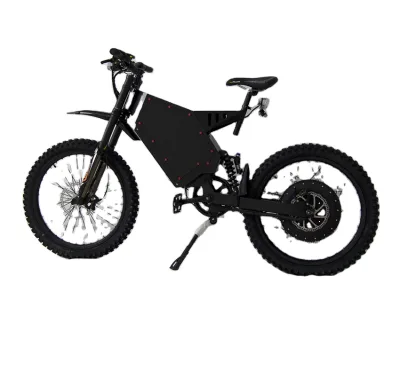
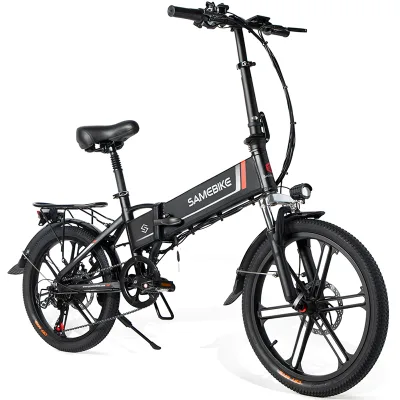
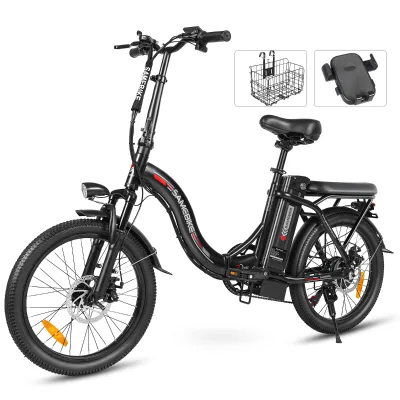

$450.00 - $550.00
MOQ: 50 Pieces


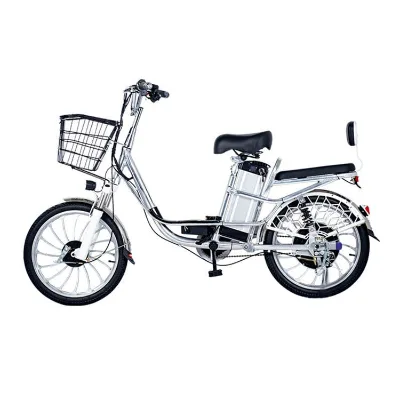
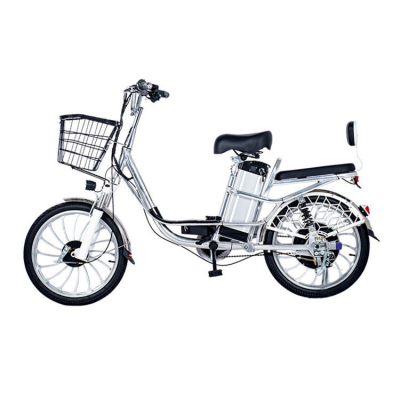
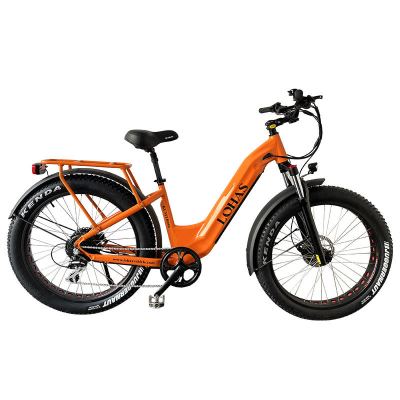


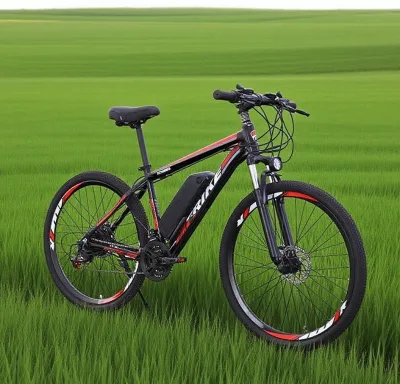


Comprehensive Sourcing Guide
Ebike Sourcing Guide
Sourcing electric bicycles requires a disciplined approach to align technical specifications with intended use cases, ensuring that the final product meets both regulatory requirements and operational expectations. The market offers a diverse range of configurations, from lightweight urban commuters to high-performance racing models, each defined by distinct motor outputs, battery chemistries, and frame materials. Buyers must navigate this variety by focusing on verifiable attributes rather than marketing claims, establishing a clear baseline for quality and performance before engaging with suppliers. This guide provides a structured framework for evaluating Ebike listings, verifying critical technical data, and managing commercial risks associated with international procurement.
The following sections detail the essential steps for sourcing ebikes effectively, drawing on observed market signals and standard industry practices. By systematically addressing product scope, technical verification, compliance, cost structures, supplier qualification, and long-term maintenance, buyers can mitigate common pitfalls such as mismatched specifications, non-compliant certifications, and unreliable supply chains. The goal is to empower procurement teams with the knowledge to make informed decisions that balance cost efficiency with product reliability and safety.
Product Scope and Observed Listing Signals
The current market landscape for electric bicycles reveals a wide spectrum of product types, ranging from compact, foldable units designed for urban commuting to robust, high-speed models intended for racing or off-road applications. Observed listings indicate that manufacturers offer significant customization options, including frame materials, color schemes, and battery configurations. For instance, steel frames are commonly available, providing durability and cost-effectiveness, while other models may feature lithium batteries for lighter weight and longer lifespan compared to traditional storage batteries. Buyers should carefully review the specific model codes and color options listed, as these often correlate with distinct performance tiers and target demographics.
Listing signals also highlight variations in motor wattage and maximum speed, which are critical for determining the appropriate Ebike for a given market. Some models are equipped with brushless motors ranging from 251W to 350W, suitable for standard urban travel with speeds up to 40km/h, while others boast higher wattages exceeding 500W and speeds above 50km/h, catering to more demanding performance needs. Additionally, the presence of features such as LCD displays, disc brakes, and specific wheel sizes like 14-inch wheels provides further insight into the product's positioning. Buyers must cross-reference these observed attributes with their own requirements to ensure that the selected Ebike aligns with their brand identity and customer expectations.
Technical Specifications to Verify
Verifying technical specifications is paramount to ensuring that the Ebike performs as expected in real-world conditions. Key parameters to confirm include the battery voltage, capacity, and type, as these directly impact the vehicle's range and power delivery. For example, some models operate on 48V systems with capacities such as 12Ah or 20Ah, while others may utilize 36V or even 72V lithium batteries with higher amp-hour ratings. Buyers should request detailed battery datasheets to verify the chemistry, cell quality, and expected cycle life, as these factors significantly influence the total cost of ownership and customer satisfaction. Additionally, the motor's wattage and type, whether brushless or otherwise, should be validated against the claimed maximum speed and torque output.
Braking systems and frame construction are other critical areas that require thorough verification. Drum brakes are common in entry-level models, offering reliable stopping power in dry conditions, whereas disc brakes are preferred for high-speed or wet-weather performance due to their superior heat dissipation and consistency. Frame materials, such as steel or aluminum, affect the bike's weight, durability, and ride quality, so buyers should assess the weld quality and material thickness. Furthermore, the folded versus unfolded dimensions are essential for logistics planning, especially for models designed to be portable. Confirming these specifications through third-party testing or detailed product audits can prevent costly mismatches between ordered and delivered goods.
Compliance and Safety Documentation
Compliance with local and international safety standards is non-negotiable when sourcing electric bicycles, as non-compliant products can lead to legal liabilities and market rejection. Certifications such as CE and ISO are frequently cited in listings, indicating adherence to specific European and international quality management standards. Buyers must verify the validity of these certifications by requesting the actual certificates and checking their scope to ensure they cover the specific models being purchased. It is crucial to confirm that the certifications are issued by accredited bodies and are up to date, as expired or fraudulent certificates offer no legal protection.
Beyond certifications, buyers should ensure that the Ebike meets all relevant electrical and mechanical safety requirements, including battery safety, electromagnetic compatibility, and noise levels. Documentation such as user manuals, warranty terms, and maintenance guides should be reviewed for clarity and completeness, as these documents are often required for customs clearance and consumer registration. Additionally, verifying that the product labeling includes all necessary information, such as voltage, wattage, and manufacturer details, is essential for regulatory compliance. Buyers should also inquire about the supplier's process for handling product recalls or safety alerts, as this demonstrates a commitment to long-term quality and customer safety.
Cost Drivers and Commercial Terms
Understanding the cost drivers associated with Ebike procurement is essential for accurate budgeting and negotiation. Key factors influencing price include the battery capacity and chemistry, motor wattage, frame material, and the level of customization required. For instance, lithium batteries are generally more expensive than storage batteries but offer longer lifespans and lighter weight, which can justify a higher upfront cost. Similarly, models with higher wattage motors and advanced braking systems will command a premium price. Buyers should request detailed breakdowns of the unit cost to identify areas where cost savings can be achieved without compromising quality.
Commercial terms, including minimum order quantities (MOQ), payment terms, and lead times, also play a significant role in the overall cost structure. Observed MOQs can range from single units to hundreds of pieces, depending on the supplier's production capacity and customization requirements. Buyers should negotiate favorable payment terms, such as partial upfront payments and balance upon shipment, to mitigate financial risk. Additionally, understanding the lead times for production and shipping is crucial for inventory planning, especially for seasonal products. Clear communication regarding these terms can help avoid unexpected delays and additional costs, ensuring a smooth procurement process.
Supplier Qualification and Quality Control
Supplier qualification is a critical step in mitigating supply chain risks and ensuring consistent product quality. Buyers should conduct thorough due diligence on potential suppliers, including verifying their business licenses, production capabilities, and quality management systems. Visiting the factory or engaging a third-party inspection agency can provide valuable insights into the supplier's manufacturing processes, workforce skills, and quality control measures. It is also important to assess the supplier's ability to meet customization requests and their responsiveness to technical inquiries, as these factors indicate their overall professionalism and reliability.
Quality control measures should be established early in the procurement process to ensure that the delivered products meet the agreed-upon specifications. This includes implementing pre-production samples, in-process inspections, and final random inspections before shipment. Buyers should define clear acceptance criteria for key attributes such as battery performance, motor efficiency, and structural integrity, and require the supplier to provide test reports or certificates of conformity. Additionally, establishing a clear process for handling defects or non-conformities, including return policies and compensation terms, is essential for maintaining a healthy business relationship and protecting the buyer's interests.
Long-Term Procurement Checks
Long-term procurement success depends on establishing robust mechanisms for ongoing supplier evaluation and product performance monitoring. Buyers should regularly review supplier performance metrics, including on-time delivery rates, product quality consistency, and responsiveness to issues. Conducting periodic audits and requesting updated certifications can help ensure that the supplier continues to meet evolving regulatory and quality standards. Additionally, gathering feedback from end-users regarding product durability, battery life, and overall satisfaction can provide valuable insights for future purchasing decisions and product improvements.
Maintaining a strong relationship with the supplier is also crucial for long-term procurement success. Open communication, collaborative problem-solving, and mutual respect can foster a partnership that benefits both parties. Buyers should consider negotiating long-term contracts or volume discounts to secure better pricing and priority production slots. Furthermore, staying informed about industry trends, technological advancements, and regulatory changes can help buyers anticipate market shifts and adjust their sourcing strategies accordingly. By proactively managing these aspects, buyers can ensure a sustainable and profitable Ebike sourcing operation.
FAQs
What are the available battery voltage options for these ebikes?
The ebikes are available with 36V, 48V, and 72V battery configurations. Specific models support 48V20A or 48V12A standards, while high-performance variants utilize 72V 30Ah or 70Ah lithium batteries. Buyers can select the voltage that best matches their range and power requirements.
Can I customize the color and branding of the Ebike?
Yes, customization is available for both color and branding. The ebikes come in various colors including pink, yellow, orange, green, blue, red, black, and grey. Buyers can also request custom branding options to align the product with their specific market identity or corporate requirements.
What certifications do these electric bikes hold?
The ebikes hold CE and ISO certifications, ensuring compliance with relevant safety and quality standards. These certifications are critical for importing into many international markets. Buyers should verify specific certification documents with suppliers to ensure they meet the regulatory requirements of their destination country.
What is the maximum speed range for these Ebike models?
The maximum speed ranges from 20-40km/h for standard models to over 50km/h for high-performance variants. Some models specifically reach 41-60km/h. This variation allows buyers to choose between city commuting speeds and faster performance options depending on local regulations and intended use cases.
What type of braking system is used on these ebikes?
The ebikes utilize either drum brakes or disc brakes depending on the model. Drum brakes are common in standard configurations, while disc brakes are featured on higher-speed or performance-oriented models. Buyers should specify their preference based on the required stopping power and maintenance preferences.
Are these ebikes foldable for easier storage and transport?
Foldable options are available for specific models, while others remain in an unfolded state. The product line includes both folded and unfolded configurations to suit different storage needs. Buyers requiring compact storage solutions should specifically request foldable models during the sourcing process to ensure compatibility with their logistics.