Source eco-friendly 4-point wire joint for Wiring, Plumbing, and Machinery
Compare 23 verified listings for the eco-friendly 4-point wire joint suitable for wiring, plumbing, and machinery applications. Buyers can evaluate specifications, materials, and customization options from multiple suppliers in China; compare the available evidence and request quotations based on your requirements.
Updated
Key considerations
Products List







Comprehensive Sourcing Guide
Eco-Friendly 4-Point Wire Joint Sourcing Guide
Procuring eco-friendly 4-point wire joints requires a disciplined approach to verifying material integrity and environmental compliance. Buyers must prioritize suppliers who explicitly declare the use of sustainable or recyclable materials, such as stainless steel or specific nylon variants, while ensuring that the manufacturing process minimizes waste. The term "eco-friendly" often correlates with features like durability and long service life, which reduce the frequency of replacement and subsequent landfill contribution. Sourcing teams should scrutinize product descriptions for explicit claims regarding environmental standards, such as RoHS compliance, although these should be treated as background signals rather than guaranteed certifications without third-party validation.
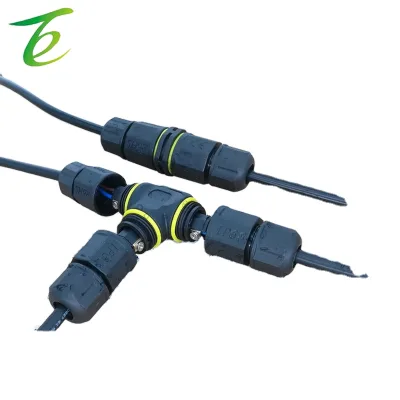
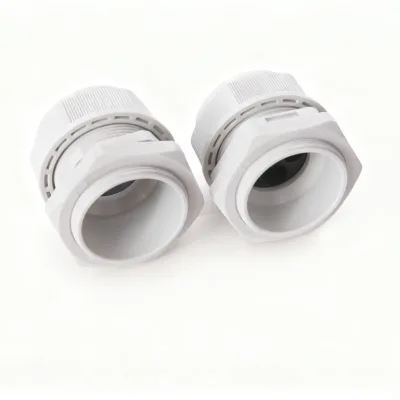
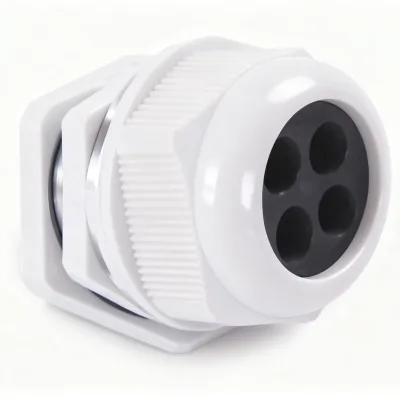
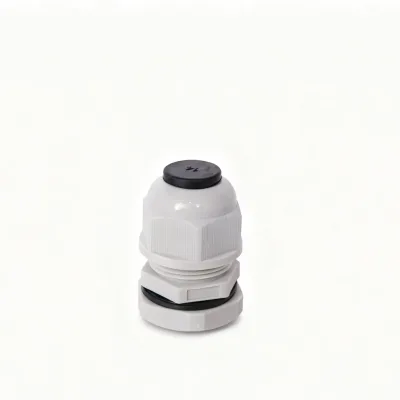
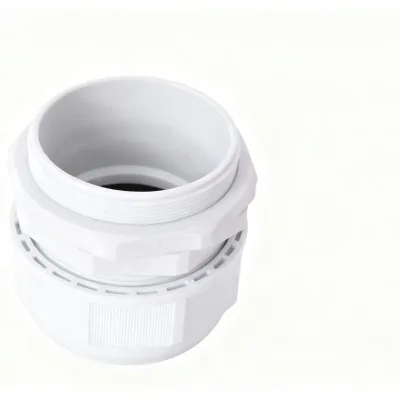
The market landscape for these components is diverse, with listings ranging from basic plastic cable joints to more complex stainless steel connectors. Buyers should observe that some suppliers offer customization options, allowing for tailored solutions that may enhance sustainability by reducing material over-specification. It is crucial to distinguish between generic fasteners and specialized wire joints, as the latter often require specific sealing properties, such as IP68 ratings, to ensure longevity in harsh environments. Understanding these distinctions helps in filtering out irrelevant suppliers and focusing on those who specialize in durable, environmentally conscious electrical connectivity solutions.
Product Scope and Observed Listing Signals
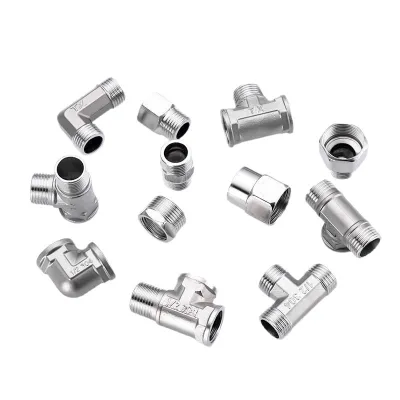
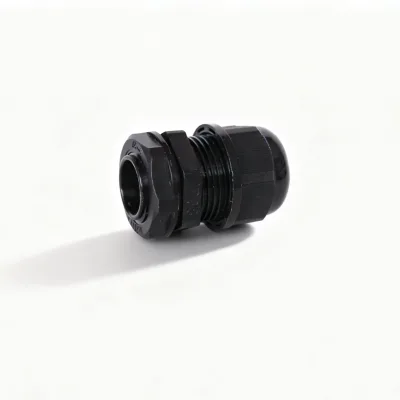
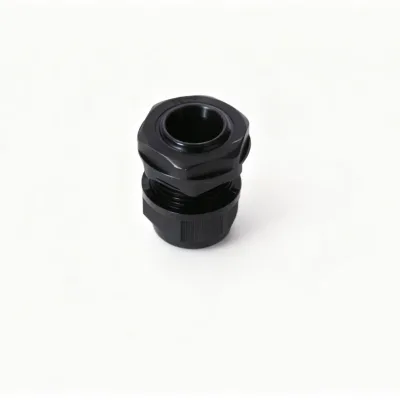
The observed product listings reveal a wide spectrum of offerings, including items described as "stainless steel 4 points outside the wire loose joint" and "plastic cable joints." These variations indicate that the core keyword may encompass both metallic and polymeric solutions, each with distinct environmental implications. Stainless steel options, often available in 201 or 304 textures, suggest a focus on durability and corrosion resistance, which indirectly supports eco-friendly goals by extending product lifespan. Conversely, nylon-based joints offer lightweight alternatives, though buyers must verify the specific grade and potential for recycling to ensure alignment with sustainability objectives.
Listing signals also highlight significant variability in branding and origin, with some products originating from Wenzhou, Zhejiang, China, while others lack specific brand identification. This geographic concentration suggests a mature supply chain for these components, potentially offering competitive pricing and rapid availability. However, the absence of consistent branding or detailed environmental certifications in many listings necessitates rigorous due diligence. Buyers should look for explicit mentions of "eco-friendly" features, such as lead-free materials or energy-efficient manufacturing processes, to ensure that the selected product genuinely contributes to sustainable procurement goals rather than merely meeting basic functional requirements.
Technical Specifications to Verify
Technical verification must begin with the physical dimensions and connection types, as these directly impact installation efficiency and long-term reliability. Listings indicate models ranging from DN8 to DN50, with thread types such as BSPT or customizable BSPP/NPT options. Buyers should confirm that the 4-point wire joint design provides secure mechanical retention and electrical continuity, particularly for applications involving vibration or movement. The presence of CNC machining or casting technologies suggests varying levels of precision, which can affect the seal integrity and overall performance of the joint in critical infrastructure projects.
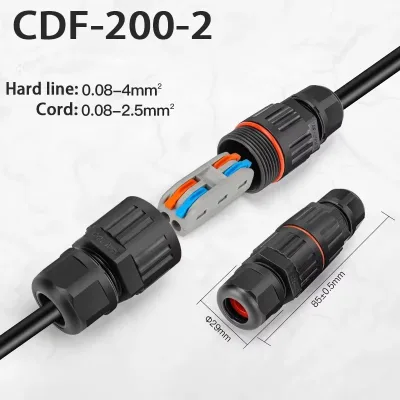
Sealing performance is another critical technical parameter, with some listings specifying IP68 ratings for cable waterproof connectors. This level of protection is essential for outdoor or industrial applications where moisture ingress could compromise system integrity. Buyers must verify that the material composition, whether nickel-plated copper, metal, or plastic, is compatible with the intended operating environment to prevent degradation. Additionally, checking for single package dimensions and gross weights helps in planning logistics and storage, ensuring that the procurement process remains efficient and cost-effective without compromising on the technical quality of the components.
Compliance and Safety Documentation
Compliance verification is paramount when sourcing eco-friendly components, as environmental claims must be backed by credible documentation. Buyers should request certificates of conformity for standards such as RoHS, which restricts the use of hazardous substances, although this should be treated as a background signal requiring independent verification. It is essential to ensure that the materials used, including any plating or coatings, do not contain restricted substances that could pose environmental or health risks during the product's lifecycle. Suppliers who provide transparent material safety data sheets (MSDS) demonstrate a higher level of commitment to regulatory compliance and environmental stewardship.
Safety documentation should also cover electrical ratings and pressure tolerances, particularly for metal joints that may be used in high-pressure pipeline connections. Listings mention pressure ratings of 150lbs and voltage ranges below 50V, which are critical for ensuring safe operation in specific applications. Buyers must verify that these ratings are tested and certified by recognized bodies, rather than relying solely on supplier assertions. Additionally, checking for adherence to international standards such as ASME, TEMA, JIS, or API EN ensures that the components meet global safety benchmarks, reducing the risk of failure and associated environmental liabilities.
Cost Drivers and Commercial Terms
Cost structures for eco-friendly 4-point wire joints are influenced by material selection, manufacturing complexity, and order volume. Stainless steel and nickel-plated copper components typically command higher prices due to raw material costs and processing requirements, such as CNC machining or casting. Buyers should anticipate a wide price range, observed from $0.01 to $10,000, depending on the scale and specifications of the order. Minimum order quantities (MOQs) vary significantly, ranging from 1 to 500 units, allowing for flexibility in procurement strategies but potentially impacting unit costs for smaller orders.
Commercial terms also include packaging and transportation options, which can affect the total landed cost. Listings indicate packaging methods such as polybags, boxes, or cartons, with transportation primarily by land. Buyers should negotiate clear terms regarding packaging customization and logistics responsibilities to avoid hidden costs. Additionally, the availability of OEM services and customized colors or specifications can add value but may increase lead times and costs. Understanding these commercial dynamics helps in budgeting accurately and selecting suppliers who offer the best balance of price, quality, and service for eco-friendly procurement initiatives.
Supplier Qualification and Quality Control
Supplier qualification requires a thorough assessment of manufacturing capabilities and quality management systems. Buyers should prioritize suppliers who demonstrate consistent production practices, such as mass production capabilities, and who offer customization services to meet specific project requirements. Verifying the supplier's location, particularly in industrial hubs like Wenzhou, can provide insights into their supply chain resilience and access to raw materials. Additionally, checking for certifications and adherence to standards such as GB or international equivalents ensures that the supplier maintains high-quality production standards.
Quality control processes should include rigorous testing of mechanical strength, sealing integrity, and material composition. Buyers should request sample evaluations to verify that the 4-point wire joints meet specified technical parameters, such as IP68 ratings and pressure tolerances. Establishing clear communication channels for feedback and issue resolution is also crucial, as it enables continuous improvement and ensures that any deviations from specifications are addressed promptly. By focusing on suppliers with robust quality control systems, buyers can mitigate risks and ensure the reliability of their eco-friendly procurement efforts.
Long-Term Procurement Checks
Long-term procurement success depends on establishing ongoing performance monitoring and relationship management with suppliers. Buyers should implement regular audits of supplier quality and delivery performance to ensure consistency over time. Tracking key performance indicators such as defect rates, lead time adherence, and responsiveness to issues helps in identifying potential problems early and maintaining supply chain stability. Additionally, fostering collaborative relationships with suppliers can lead to continuous improvement and innovation, particularly in developing more sustainable materials and manufacturing processes.
Reviewing and updating procurement specifications periodically is also essential to align with evolving environmental standards and market trends. Buyers should stay informed about new regulations and technologies that may impact the sourcing of eco-friendly components, such as stricter RoHS requirements or advancements in recyclable materials. By maintaining a proactive approach to supplier management and specification updates, organizations can ensure that their procurement strategies remain effective, compliant, and aligned with their sustainability goals over the long term.
FAQs
What material is used for the eco-friendly 4-point wire joint?
The product is constructed from stainless steel, specifically offering 201 or 304 texture options. This material choice ensures durability and resistance to corrosion in various industrial environments. The design supports pipeline connections and hardware applications, providing a reliable solution for secure wiring needs while maintaining structural integrity under pressure.
Can the eco-friendly 4-point wire joint be customized?
Yes, customization is available for this product. Buyers can request specific thread types such as BSPP or NPT to match their existing infrastructure. The manufacturer accepts OEM services and customized packaging, allowing for tailored solutions. This flexibility ensures the joint integrates seamlessly into diverse mechanical and electrical systems without compromising performance or fit.
What is the IP rating for the plastic cable joint?
The plastic cable joint features an IP68 rating, ensuring complete protection against dust and long-term immersion in water. This high level of ingress protection makes it suitable for harsh outdoor or underwater applications. The robust design guarantees reliable performance in wet conditions, protecting electrical connections from environmental damage and ensuring safety.
Which standards apply to the stainless steel fittings?
The fittings comply with multiple international standards, including ASME, TEMA, JIS Code, API EN, and China GB Code. This adherence ensures quality and compatibility with global industrial requirements. The products are manufactured in Wenzhou, Zhejiang, China, leveraging established production capabilities to meet rigorous engineering specifications for pressure and connection integrity.
What is the packaging method for the rivets?
The rivets are packaged in cartons to ensure safe transportation and handling. This method protects the items from damage during shipping and storage. The packaging is customized and accepted, allowing buyers to specify their preferred packing arrangements. This approach supports efficient logistics and maintains product quality from the factory to the final destination.
How is the cable waterproof connector manufactured?
The connector is produced using CNC machining technology for precision and consistency. It is made from nickel-plated copper and metal components to ensure conductivity and durability. The manufacturing process supports mass production, meeting high-volume demands while maintaining strict quality control. This method ensures each unit meets the specified IP68 rating and performance standards.