Source eco-friendly 5 panel hat for casual wear, sports, and outdoor activities
Compare 30 listings of eco-friendly 5 panel hat options featuring customizable logos, various fabric blends, and diverse styles for adults. Buyers can review specifications including material composition, sizing, and special features like sun protection or moisture wicking to find suitable suppliers.
Key considerations
Products List
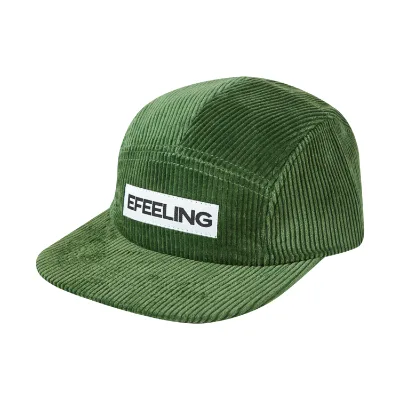


Black 5panel 5 Five Panel Camper Camp Hat Cap Cotton Custom Logo Unstructured
$0.55 - $3.88
MOQ: 25 Pieces


Comprehensive Sourcing Guide
Strategic Sourcing Guide for Eco-Friendly 5 Panel Hats
Understanding the Product Category and Market Position
The global market for headwear has seen a significant shift toward sustainable materials and versatile designs, with the 5-panel hat emerging as a dominant style for both casual and professional applications. A 5-panel hat, often referred to as a "character" style or distinct from the traditional 6-panel baseball cap, is constructed from five pieces of fabric sewn together to create a flatter, more structured crown. This design offers a unique aesthetic that blends retro influences with modern streetwear trends. In the context of eco-friendly procurement, buyers are increasingly seeking options that utilize organic cotton, recycled polyester, or blended fabrics that minimize environmental impact while maintaining durability.
The product landscape for 5-panel hats is diverse, ranging from simple cotton constructions to complex blends involving canvas or denim. The core keyword "eco-friendly 5 panel hat" implies a specific subset of this market where material sourcing and production ethics are paramount. Buyers must recognize that "eco-friendly" is not a monolithic attribute but a spectrum of practices. In the current supply chain, particularly within major manufacturing hubs like Guangdong and Baoding in China, suppliers offer a wide array of customization options. These include custom logos, labels, and tags, allowing brands to align the product with their specific sustainability narratives. The observed market data indicates that these hats are designed for adults and are suitable for all four seasons, making them a versatile inventory choice for retailers looking to stock year-round products.
Technical Specifications and Material Composition
When evaluating 5-panel hats for eco-friendly procurement, the technical specifications of the material are the primary determinant of the product's environmental profile. The supplied product data highlights several material configurations, including 100% cotton, canvas, denim, and polyester/cotton blends. For a buyer prioritizing sustainability, the 100% cotton option is often the most desirable, particularly if it can be verified as organic. The data also notes a material range that includes "100% Cotton, Canvas, Denim or Customized," suggesting that suppliers are flexible in their material sourcing to meet specific brand requirements.
The construction of the hat is equally critical. The standard 5-panel design features a "With Brim" and "With Crown" structure, which provides the necessary shape and protection. The fabric feature is generally listed as "COMMON," but the specific application of this fabric can vary significantly based on the supplier's capabilities. For instance, the "Character" style often utilizes a flatter crown profile compared to traditional baseball caps. The pattern technology is frequently noted as "3D Embroidery," which adds a tactile dimension to the design while allowing for intricate, custom logos. This embroidery technique is compatible with various materials, including the eco-friendly options mentioned.
Furthermore, the size specifications are standardized to ensure a universal fit. The metric sizes range from 54cm to 64cm, covering a broad spectrum of adult head sizes. Corresponding USA, UK, and metric size charts are provided, ensuring that buyers can accurately specify sizes for their target demographics. The "Adjustable" feature is a common attribute, often implemented through snapback closures or strap-back systems, which enhances the product's utility for a unisex audience. The color palette observed includes standard neutrals like Gray, Black, and Brown, as well as more vibrant options like Red, Purple, and Orange, allowing for diverse branding strategies.
Compliance, Certification, and Verification Protocols
One of the most critical aspects of sourcing eco-friendly headwear is navigating the complex landscape of certifications and compliance standards. While the provided data mentions certifications such as GOTS (Global Organic Textile Standard), OEKO-TEX, FSC, and standards like EN 13758-2, these are categorized as low-confidence background information. This distinction is vital for buyers: the presence of these terms in general market descriptions does not guarantee that every listed product possesses these specific certifications. Buyers must treat these as verification targets rather than inherent product attributes.
To ensure genuine eco-friendly claims, procurement teams must request specific documentation from suppliers. For cotton-based products, the GOTS certification is the gold standard, verifying that the cotton was grown without harmful pesticides and that the processing facilities meet strict environmental and social criteria. Similarly, OEKO-TEX Standard 100 provides assurance that the final product is free from harmful substances, which is a crucial safety metric for consumer goods. FSC certification would be relevant if the packaging components, such as the paper boxes mentioned in the product data, are sourced from responsibly managed forests.
Buyers should also verify the "Feature" attributes listed in the product data, such as "Eco-Friendly," "Azo-Free," and "Durable." "Azo-Free" indicates the absence of certain azo dyes that can release carcinogenic amines, a key requirement for eco-conscious apparel. However, these claims must be backed by third-party test reports. The data also lists "Special Features" like UV Resistant, Sun Protection, and Moisture Wicking. While these are functional benefits, they do not inherently equate to environmental sustainability. A hat can be UV resistant and made from virgin polyester, which has a high carbon footprint. Therefore, the verification process must separate functional performance from environmental impact. Buyers should explicitly ask for the certificate of analysis (CoA) or test reports that confirm the "Azo-Free" status and the organic nature of the cotton if claimed.
Cost Drivers and Economic Considerations
The pricing and cost structure of eco-friendly 5-panel hats are influenced by several variables, including material composition, customization complexity, and order volume. The observed price range in the market is between $0.30 and $10.00 USD, a wide spectrum that reflects the diversity of product quality and material sourcing. The lower end of this range likely corresponds to standard polyester/cotton blends or non-organic cotton options with minimal customization. The higher end typically reflects 100% organic cotton, complex 3D embroidery, and extensive branding features like custom labels, stickers, and laser tags.
Minimum Order Quantity (MOQ) is another significant cost driver. The observed MOQ range spans from 10 to 500 units. For startups or brands testing new product lines, the lower MOQ of 10 units offers a low-risk entry point. However, larger orders often benefit from economies of scale, reducing the unit cost. The customization options, such as OEM and ODM services, custom logos, and specific packaging (Tag + Plastic Tray + Laser Label + Paper Box), add to the overall cost. Suppliers that offer "Customized" material ranges may charge a premium for the flexibility and the smaller batch sizes required for unique material sourcing.
Lead times and sample dates also impact the total cost of ownership. The data indicates a sample date of 3-5 days, which is relatively fast and allows for quick prototyping. However, full production lead times are not explicitly stated in the provided facts. Buyers should assume that eco-friendly materials, particularly organic cotton, may require longer lead times due to the specialized supply chains involved. The location of the origin, whether Guangdong or Baoding, can also influence shipping costs and import duties, which are external factors that buyers must calculate into their total landed cost.
Supplier Evaluation and Operational Due Diligence
Selecting the right supplier for eco-friendly 5-panel hats requires a rigorous evaluation process that goes beyond price and lead time. The data identifies two primary production locations: Guangdong and Baoding, both in China. Guangdong is known for its extensive textile manufacturing ecosystem, while Baoding has a strong reputation for fabric processing. Buyers should verify the specific factory capabilities of their potential partners, ensuring they have the infrastructure to handle eco-friendly materials and the necessary certifications.
Key evaluation criteria should include the supplier's ability to provide proof of their "Eco-Friendly" claims. This involves auditing their supply chain for transparency, particularly regarding the source of their cotton or recycled materials. The data mentions "OEM & ODM Custom" acceptance, indicating that suppliers are willing to work closely with buyers to develop unique products. Buyers should assess the supplier's responsiveness to customization requests, such as the "Custom" logo and "Lable/Sticker/Tag" availability. The ability to produce "3D Embroidery" is also a technical capability that should be verified through sample reviews.
Additionally, the supplier's quality control processes are essential. The data lists "Standard" attributes like "13X19X15Cm" for packaging, which suggests a level of standardization in their operations. Buyers should inquire about the supplier's internal QC protocols to ensure consistency in color, stitching, and material quality. The "Feature" list includes "Durable," which implies a focus on product longevity, but this must be validated through physical testing. Suppliers that are transparent about their production processes and willing to share audit reports are generally more reliable partners for long-term procurement.
Quality Control and Long-Term Procurement Strategy
Maintaining quality in eco-friendly headwear requires a robust quality control (QC) strategy that addresses both functional and environmental standards. The product data highlights several "Special Features" such as "Quick Dry," "Breathable," "Lightweight," and "Foldable." These attributes must be consistently met across all production batches. For example, the "Moisture Wicking" and "Breathable" claims are critical for consumer comfort, especially for hats designed for "Casual" use and "Four Seasons" wear. Buyers should implement a sampling plan that tests these functional claims, ensuring that the fabric performs as advertised.
Long-term procurement considerations involve building a sustainable supply chain that can adapt to changing market demands and regulatory requirements. The "Customization" and "OEM & ODM" capabilities of suppliers allow for continuous product evolution. As consumer preferences shift towards more sustainable options, buyers should work with suppliers to explore new materials, such as recycled polyester or hemp blends, which may not be currently listed but could be available upon request. The "Material Range" of "100% Cotton, Canvas, Denim or Customized" suggests that suppliers are open to innovation.
Furthermore, the packaging standards, such as "Tag + Plastic Tray + Laser Label + Paper Box," should be evaluated for their environmental impact. While the data mentions "Paper Box," the inclusion of "Plastic Tray" may contradict eco-friendly goals unless the plastic is recycled or biodegradable. Buyers should negotiate for sustainable packaging solutions that align with their brand values. The "Laser Label" and "Custom" logo options offer opportunities for reducing waste by eliminating traditional paper tags in favor of digital or laser-etched alternatives.
In conclusion, sourcing eco-friendly 5-panel hats requires a balanced approach that combines technical expertise, rigorous verification of sustainability claims, and strategic supplier management. By focusing on material composition, certification verification, and quality control, buyers can build a product line that meets both consumer expectations and environmental standards. The flexibility of the supply chain, evidenced by the wide range of customization options and material choices, provides ample opportunity for brands to differentiate themselves in a competitive market.
FAQs
What materials are available for eco-friendly 5 panel hats?
Suppliers offer 100% cotton, canvas, denim, or polyester/cotton blends. The material range allows for customization, ensuring buyers can select options that align with specific sustainability goals while maintaining durability and comfort for all seasons.
Can I customize the logo and packaging for these hats?
Yes, OEM and ODM customization is available for logos, labels, and tags. Packaging typically includes a tag, plastic tray, laser label, and paper box, allowing brands to create a unique unboxing experience that reflects their eco-friendly values.
What are the minimum order quantities for sourcing these hats?
The minimum order quantity ranges from 10 to 500 units depending on the supplier. Lower MOQs allow for testing new designs, while larger orders often benefit from economies of scale, making them suitable for both startups and established brands.
Which certifications verify the eco-friendly claims of these products?
While GOTS, OEKO-TEX, and FSC are relevant standards, they are not guaranteed for every listed product. Buyers must request specific test reports to verify claims like Azo-Free status or organic cotton sourcing before finalizing any procurement agreement.
How long does it take to receive samples for these hats?
Sample dates are typically 3 to 5 days for production. This quick turnaround allows buyers to evaluate material quality, 3D embroidery details, and fit before committing to a larger production run, ensuring the product meets specific design requirements.
Where are the factories for these hats located?
Production originates from Guangdong and Baoding in China. These regions are known for their textile manufacturing ecosystems, offering suppliers with capabilities in fabric processing and customization for various hat styles including 5-panel and bucket hat designs.