Source Eco-Friendly 50mm Polyester Ribbon for garments, shoes, and bags
Find 30 listings for Eco-Friendly 50mm Polyester Ribbon suitable for garments, shoes, and bags. Buyers can compare woven satin tapes with waterproof and fluorescent features from manufacturers in China.
Key considerations
Products List


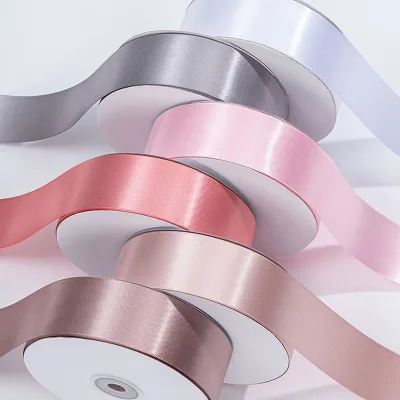


100% Polyester Colorful Custom Jacquard Woven Ribbon for Garment/Handbag
$0.25 - $0.29
MOQ: 1000 Meters


Comprehensive Sourcing Guide
Eco-Friendly 50mm Polyester Ribbon Sourcing Guide
Procuring eco-friendly 50mm polyester ribbon requires a nuanced understanding of how material composition and manufacturing techniques intersect with sustainability claims. While the core material is identified as 100% polyester, buyers must distinguish between standard synthetic production and specific eco-friendly processing methods, such as low-shrinkage formulations or high-tenacity weaves that extend product lifespan. The observed market data indicates that customization is widely available, allowing buyers to tailor width, length, and color to specific project needs without compromising the structural integrity of the ribbon.
The sourcing landscape for this category is defined by a diverse range of applications, from garment embellishment and shoe accessories to specialized uses in packaging and labeling. Buyers should verify that the "eco-friendly" designation aligns with their specific supply chain requirements, as the term may refer to the durability of the material or specific dyeing processes rather than biodegradability. With origins primarily traced to China, including specific hubs like Ningbo, the supply chain is robust, yet the variability in product models and specifications necessitates rigorous verification before placing bulk orders.
Product Scope and Observed Listing Signals
The product scope for 50mm polyester ribbon encompasses a wide array of functional and decorative uses, including hair accessories, gift wrapping, craft projects, and apparel embellishment. Listings frequently highlight the material as 100% polyester satin, which offers a smooth, lustrous finish suitable for high-end packaging and fashion applications. The observed data confirms that these ribbons are often designed as label tapes or fabric labels, serving dual purposes in branding and product identification for industries ranging from bottled beverages to medicine and food packaging.
Buyers will encounter a variety of listing signals that indicate the versatility of the product, such as features like waterproofing, fluorescence, and abrasion resistance. These attributes suggest that the ribbons are engineered for durability in demanding environments, making them suitable for shipping labels and price tags that must withstand handling and environmental exposure. The availability of single-face styles and woven techniques further expands the scope, allowing for intricate designs that meet the aesthetic requirements of daily life products, party decorations, and festival packaging.
Technical Specifications to Verify
When evaluating technical specifications, the width of 50mm is a critical parameter that must be confirmed against the supplier's standard offerings, which often include a range from 7mm to 150mm or specific increments like 10mm, 20mm, and 30mm. Buyers should verify that the "as per requirement" sizing options align with their exact project dimensions, as the standard width can vary significantly between different product models like DR201 or YG-SW22. It is essential to confirm whether the 50mm width is a standard stock item or a custom cut, as this impacts lead times and minimum order quantities.
Thickness and roll length are equally critical technical factors that influence the ribbon's performance and cost. Specifications indicate a thickness range of 0.24-3cm and roll lengths that can vary from 25 meters to 100 yards per roll, with some options offering 50m, 100m, or 200m lengths. Buyers must ensure that the selected thickness supports the intended application, particularly for uses requiring high tenacity or high-temperature resistance, and verify that the roll length matches the consumption rate of their production line to minimize waste and handling costs.
Compliance and Safety Documentation
Compliance and safety documentation for polyester ribbons often involve verifying that the materials meet specific chemical and safety standards, although explicit certification claims like GOTS or REACH should be treated as background information rather than guaranteed attributes. Buyers should request test reports that confirm the absence of harmful substances, particularly for applications involving food, medicine, or children's products, where safety is paramount. The "eco-friendly" label should be backed by concrete data regarding the dyeing process and the environmental impact of the manufacturing facility, rather than relying solely on marketing terminology.
Safety verification also extends to the physical properties of the ribbon, such as its resistance to abrasion and low shrinkage, which are critical for maintaining product integrity during use. For applications in packaging film or shipping labels, the ribbon must demonstrate stability under various conditions, including exposure to moisture and temperature fluctuations. Buyers should ensure that the supplier provides documentation confirming that the woven or dyed patterns do not compromise the safety of the end-user, especially when the ribbon is used in direct contact with food or sensitive items.
Cost Drivers and Commercial Terms
Cost drivers for 50mm polyester ribbon are heavily influenced by the customization level, material composition, and the complexity of the weaving or dyeing process. While the base material is 100% polyester, the addition of features like fluorescence, waterproofing, or specific color patterns can increase the unit price. The observed price range of 0.01 to 25.3 USD reflects the vast difference between standard stock items and highly customized, feature-rich ribbons, making it essential for buyers to define their exact requirements to avoid unexpected cost escalations.
Commercial terms, including minimum order quantities (MOQ) and packaging standards, play a significant role in the total cost of ownership. MOQs observed in the market range from 5 to 5000 units, with packaging options varying from shrink packages to export cartons. Buyers should negotiate terms that balance the MOQ with their inventory needs, considering that larger orders may offer better unit pricing but require more storage space. Additionally, the origin of the product, primarily from China, may influence shipping costs and lead times, which should be factored into the overall procurement budget.
Supplier Qualification and Quality Control
Supplier qualification for polyester ribbon manufacturers should focus on their ability to maintain consistent quality across different production runs, particularly when dealing with custom specifications. Buyers should verify the supplier's technical capabilities, such as their proficiency in woven techniques and their ability to produce ribbons with high tenacity and low shrinkage. The presence of specific product models and standardized widths suggests a level of industrial maturity, but buyers must still conduct audits to ensure that the supplier's quality control processes align with their own standards.
Quality control measures should include regular testing of the ribbon's physical properties, such as color fastness, tensile strength, and dimensional stability. Given the diverse applications of the ribbon, from garments to packaging, the supplier must demonstrate a commitment to producing defect-free products that meet the specified requirements. Buyers should also assess the supplier's packaging practices, ensuring that the ribbons are protected during transit to prevent damage, and verify that the "export carton" or "shrink package" options provide adequate protection for the specific product characteristics.
Long-Term Procurement Checks
Long-term procurement checks for 50mm polyester ribbon involve establishing a framework for continuous quality assurance and supply chain reliability. Buyers should implement regular performance reviews that track the supplier's ability to meet delivery schedules, maintain consistent product specifications, and adhere to agreed-upon quality standards. This includes monitoring the ribbon's performance in real-world applications, such as its durability in garment washing or its stability in shipping environments, to ensure that the initial selection remains valid over time.
Sustainability and adaptability are also key considerations for long-term procurement, as market demands and environmental regulations evolve. Buyers should maintain open communication with suppliers regarding potential changes in material sourcing or manufacturing processes that could impact the "eco-friendly" status of the ribbon. By fostering a collaborative relationship and conducting periodic audits, buyers can ensure that their supply chain remains resilient and capable of meeting future challenges, securing a steady supply of high-quality polyester ribbon for their diverse applications.
FAQs
What is the standard width for Eco-Friendly 50mm Polyester Ribbon
The standard width is 50mm, which corresponds to 2 inches. This specific dimension is widely used for garment labels, gift wrapping, and packaging applications. Buyers can request custom widths if their production line requires different specifications, but 50mm remains the most common baseline for general use.
Can Eco-Friendly 50mm Polyester Ribbon be customized with specific colors
Yes, customization is available for color and design. The ribbon is typically dyed to match specific brand requirements or aesthetic needs. Suppliers can produce various color options to suit different product lines, ensuring the ribbon aligns with your packaging or garment branding standards.
What is the typical roll length for 50mm polyester satin ribbon
Roll lengths vary by supplier, with common options including 50 meters, 100 meters, or 200 meters per roll. Some suppliers offer 100 yards per roll. The specific length depends on the manufacturer's standard packaging and your volume requirements, allowing for efficient inventory management and production planning.
Is 50mm polyester ribbon suitable for garment and shoe labels
Yes, it is suitable for garments, shoes, and bags. The material is 100% polyester, offering durability and resistance to abrasion. It is often used for label tapes and woven labels, providing a professional finish for apparel and footwear products while maintaining structural integrity during use.
What are the main features of eco friendly polyester satin ribbon
Key features include being eco-friendly, waterproof, and fluorescent. The ribbon is made from 100% polyester, which provides high tenacity and low shrinkage. These properties make it durable for daily life applications, ensuring the ribbon retains its shape and color over time without degrading easily.
How is Eco-Friendly 50mm Polyester Ribbon typically packaged for export
The ribbon is usually packed in export cartons or shrink packages to protect it during shipping. This packaging method ensures the rolls remain secure and undamaged during transit. Buyers should verify the specific packaging details with the supplier to ensure it meets their warehouse and handling requirements.
What is the minimum order quantity for 50mm polyester ribbon
The minimum order quantity varies by supplier, with observed ranges from 5 to 5000 units. Specific MOQs depend on the supplier's production capacity and the customization level required. Buyers should confirm the exact MOQ with the vendor to align with their initial procurement needs and budget constraints.