Source Eco-Friendly 4 Drum Spill Pallets for Warehouse
Find 30 eco-friendly 4 drum spill pallet options from China. Compare HDPE plastic models with 270L leakage capacity, 2700kg load limits, and nestable or stackable designs for transport and warehouse spill control applications; compare the available evidence and request quotations based on your requirements.
Updated
Key considerations
Products List


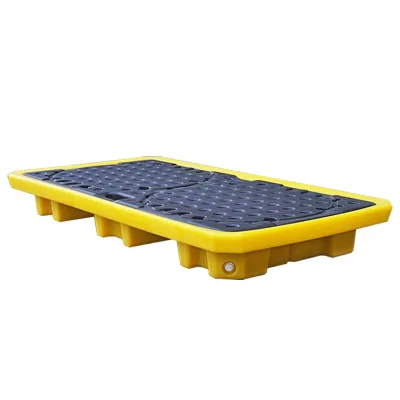
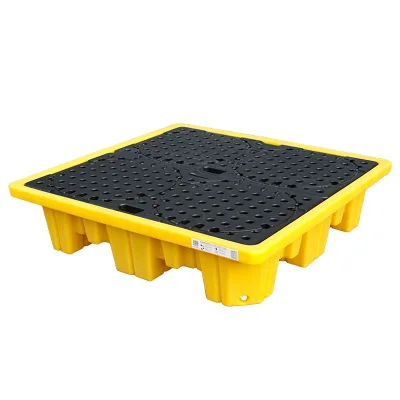
Eco-friendly 4 Drum Oil Spill Containment Pallet for Spill Control Spill Pallet
$36.7881 - $45.984
MOQ: 300 pieces
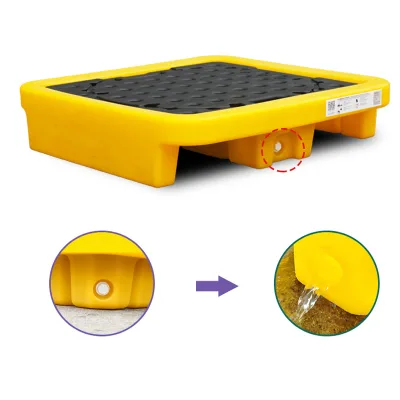
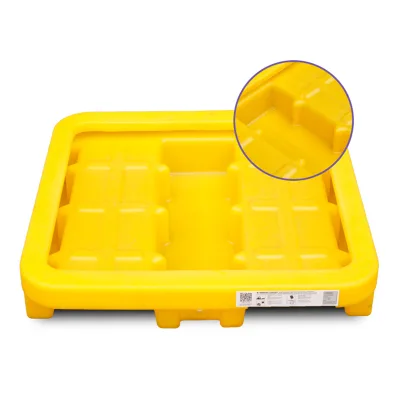
Storage Oil Drum Leakage Spill Plastic Pallet Nestable Large Ibc Spill Pallet
$30.656 - $40.8752
MOQ: 300 pieces
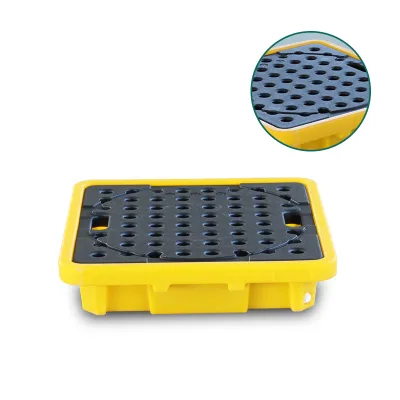
Large Size Plastic Four 4 Drums Ibc Spill Pallet Spill Pallet for Strong
$20.4937 - $25.6175
MOQ: 300 pieces
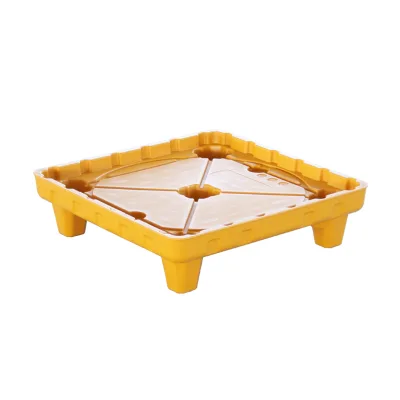
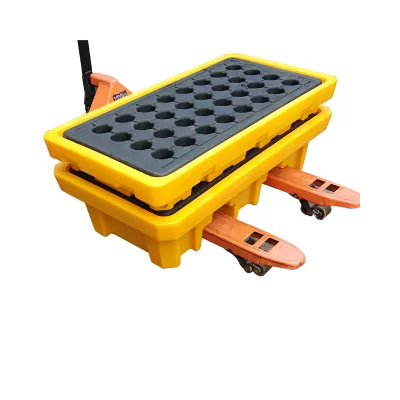
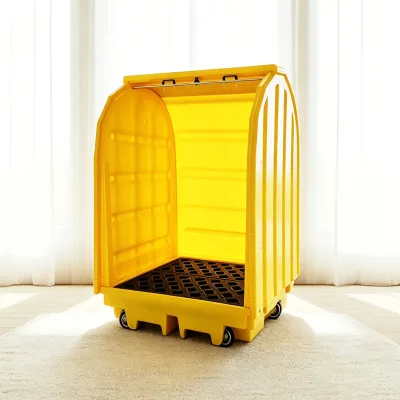
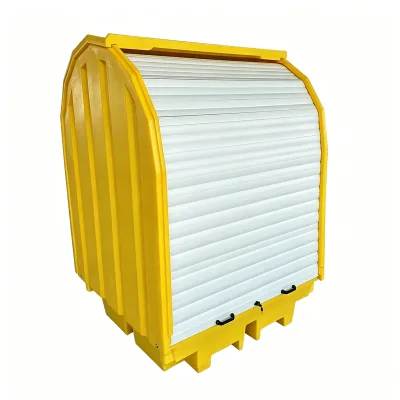

Nestable Packing 100% Polyethylene Spill Container Opw Oil Spill Tray Oil Storage Drums
$61.692 - $92.5381
MOQ: 10 pieces


Comprehensive Sourcing Guide
Eco-Friendly 4 Drum Spill Pallet Sourcing Guide
Procuring spill containment solutions for four-drum configurations requires a careful balance between regulatory compliance, material durability, and logistical efficiency. The market offers various designs, ranging from single-faced units to nestable options, each serving distinct warehouse and transport needs. Buyers must prioritize products that explicitly support 4-way entry to ensure seamless forklift access from all sides, which is critical for high-throughput environments. Additionally, verifying the entry type as either 2-way or 4-way is essential to match existing material handling equipment. The choice between stackable and nestable designs further influences storage density when pallets are not in use, impacting long-term operational costs and space utilization in distribution centers.
Material selection plays a pivotal role in the longevity and environmental impact of the spill pallet. High-density polyethylene (HDPE) and general plastic constructions are commonly observed, offering resistance to chemical corrosion and weathering. These materials are often preferred for their ability to contain leaks effectively, with observed leakage capacities ranging from 150 liters to 270 liters depending on the specific model. Buyers should also consider customization options, as many suppliers offer ODM services to tailor colors, such as yellow for high visibility, or specific dimensions to fit unique facility layouts. Understanding these material and design variations ensures that the selected pallet meets both safety standards and practical workflow requirements without unnecessary over-engineering.
Product Scope and Observed Listing Signals
The current market landscape for spill pallets reveals a diverse range of specifications tailored to different load capacities and storage volumes. Observed listings indicate a price range between $20.49 and $900, reflecting variations in size, material thickness, and brand reputation. Minimum order quantities (MOQ) vary significantly, starting from just one unit for sample testing up to 300 units for bulk industrial procurement. This wide MOQ range allows buyers to scale their orders based on immediate needs and budget constraints. It is crucial to note that while some products are listed with specific MOQs, others may offer flexibility, especially for customized orders, providing opportunities for both small-scale and large-scale procurement strategies.
Product dimensions and load capacities are key indicators of suitability for specific operational environments. For instance, larger pallets with external sizes around 130x130x30 cm may support loads up to 2700 kg, making them ideal for heavy industrial applications. In contrast, smaller units measuring 65x65x17 cm might have a lower load capacity of 1300 kg but offer greater flexibility in tight spaces. The volume capacity, ranging from 12 liters to 70 liters, directly correlates with the number of drums or containers the pallet can safely hold. Buyers should carefully match these physical attributes with their actual storage requirements to avoid underutilization or safety hazards, ensuring that the selected pallet aligns with both current inventory levels and future growth projections.
Technical Specifications to Verify
When evaluating technical specifications, buyers must prioritize the structural integrity and dimensional accuracy of the spill pallet. Key metrics include the external size, single package size, and gross weight, which impact shipping costs and handling ease. For example, a pallet with an external size of 1300x690x150 mm and a gross weight of 50 kg requires specific handling equipment and storage space. Verifying these dimensions against facility constraints ensures that the pallet can be moved and stored efficiently. Additionally, the dynamic load capacity, often cited as 2.0T, indicates the maximum weight the pallet can support during movement, which is critical for preventing structural failure in active warehouse environments.
Material composition and design features further define the performance and usability of the spill pallet. HDPE plastic is a common material choice due to its durability and chemical resistance, but buyers should confirm if the material is recycled or virgin plastic to align with sustainability goals. Design characteristics such as nestability, foldability, and easy accessibility enhance operational efficiency by reducing storage footprint and improving drum access. Some models feature a single-faced design, which may offer cost advantages but could limit stacking options. Buyers should also check for customization availability, as tailored solutions can address specific site requirements, such as unique color coding for safety compliance or modified dimensions for specialized equipment.
Compliance and Safety Documentation
Ensuring that spill pallets meet relevant safety and environmental standards is paramount for regulatory compliance and risk mitigation. Buyers should request documentation that verifies the pallet’s ability to contain spills effectively, including leakage capacity tests that confirm the stated volume limits, such as 150L or 270L. These tests are crucial for preventing environmental contamination and ensuring that the pallet can handle accidental overflows without failure. Additionally, compliance with local and international safety regulations, such as those governing hazardous material storage, should be confirmed through supplier-provided certificates or test reports. This documentation provides assurance that the product has undergone rigorous evaluation and meets the necessary safety thresholds for industrial use.
Beyond leakage containment, buyers must verify that the spill pallet supports proper drum stability and accessibility. Features like 4-way entry facilitate safe forklift operations, reducing the risk of damage to both the pallet and the drums. It is also important to ensure that the pallet’s design allows for easy inspection and maintenance, which is essential for ongoing compliance audits. Suppliers should provide clear guidelines on proper usage and maintenance to extend the lifespan of the pallet and maintain its safety performance. By prioritizing these compliance and safety aspects, buyers can minimize liability risks and ensure that their spill containment solutions contribute to a safer and more compliant workplace environment.
Cost Drivers and Commercial Terms
Several factors influence the total cost of ownership for spill pallets, including material quality, customization options, and order volume. Higher-grade HDPE plastic and specialized designs, such as nestable or foldable models, typically command higher prices due to increased manufacturing complexity and material costs. Customization, such as specific colors or dimensions, can also add to the base price, although it may offer long-term benefits in terms of operational efficiency and safety. Buyers should evaluate these cost drivers against their specific needs to determine the most cost-effective solution. Additionally, understanding the MOQ requirements is essential, as larger orders often benefit from economies of scale, reducing the per-unit cost significantly.
Commercial terms, including payment methods, shipping arrangements, and lead times, also play a significant role in the overall procurement cost. Buyers should negotiate favorable terms that align with their cash flow and inventory management strategies. For instance, flexible payment terms can help manage working capital, while clear shipping arrangements ensure timely delivery and reduce storage costs. It is also important to consider the supplier’s location, as products originating from regions like Jiangsu, China, may have different shipping dynamics compared to local suppliers. By carefully evaluating these commercial terms, buyers can optimize their procurement strategy and achieve better value for their investment in spill containment solutions.
Supplier Qualification and Quality Control
Selecting a reliable supplier is critical for ensuring the quality and consistency of spill pallets. Buyers should prioritize suppliers with a proven track record in manufacturing plastic containment solutions, particularly those offering ODM services for customized products. Verifying the supplier’s production capabilities, including their use of high-quality materials like HDPE, is essential to ensure product durability and performance. Additionally, buyers should request samples to physically inspect the pallets for build quality, dimensional accuracy, and finish. This hands-on evaluation helps identify any potential issues before committing to a large order, reducing the risk of receiving substandard products.
Quality control processes should be clearly defined and communicated by the supplier. Buyers should inquire about the supplier’s quality assurance protocols, including inspection procedures during production and final product testing. Suppliers that adhere to strict quality control measures are more likely to deliver consistent, high-quality products that meet specified standards. It is also beneficial to establish a clear communication channel for addressing any quality issues that may arise post-delivery. By prioritizing supplier qualification and robust quality control, buyers can mitigate risks and ensure that their spill pallets perform reliably in demanding industrial environments.
Long-Term Procurement Checks
Establishing long-term procurement checks is essential for maintaining the quality and performance of spill pallets over time. Buyers should implement regular audits of their spill containment solutions to ensure they remain compliant with safety standards and operational requirements. This includes inspecting pallets for signs of wear, damage, or degradation, which can compromise their ability to contain spills effectively. Additionally, buyers should monitor changes in regulatory requirements and update their procurement strategies accordingly to ensure ongoing compliance. By staying proactive in these checks, buyers can prevent potential safety incidents and maintain a secure working environment.
Continuous improvement in procurement practices can also lead to cost savings and operational efficiencies. Buyers should regularly review their supplier relationships and performance metrics to identify opportunities for optimization. This may involve negotiating better terms, exploring new suppliers, or adopting new technologies that enhance the functionality of spill pallets. Furthermore, gathering feedback from end-users, such as warehouse staff, can provide valuable insights into the practical usability and effectiveness of the pallets. By fostering a culture of continuous improvement, buyers can ensure that their spill containment solutions remain aligned with their evolving business needs and safety goals.
FAQs
How much weight can an eco-friendly 4 drum spill pallet hold?
Load capacities differ by model, with listed four-drum spill pallets supporting 1300kg and 2700kg dynamic loads. Check the specific model specification before ordering, since capacity depends on the pallet structure and material thickness. For loaded drums, confirm the combined drum weight stays within the stated limit and distribute drums evenly across the deck.
What sump capacity do these spill pallets provide?
Listed models offer sump volumes of 150L and 270L, sized to contain leaks from the drums stored on top. A larger sump is useful when drums are full or handled frequently. Verify that the sump capacity meets your site's spill containment requirements for the drum size and quantity you plan to store.
What material are the spill pallets made from?
The pallets are made of HDPE plastic, which resists many common chemicals and suits drum storage in warehouses and transport use. HDPE construction also supports eco-friendly recycling at end of life. Confirm chemical compatibility with your specific stored liquids before deployment, as resistance varies by substance, temperature, and exposure duration.
Can the spill pallet be customized in color or size?
Yes, customization is available, including yellow or other customized colors, and some listings allow custom capacity. Standard sizes such as 130x130x30cm and 130x70x30cm are offered, and manufacturers operating as ODM suppliers can adapt designs to project needs. Expect customization to affect MOQ and lead time, so confirm both before ordering.
What are the dimensions and entry options for four-drum models?
Listed four-drum spill pallet sizes include 130x130x30cm and 130x690x150mm external dimensions, with both 2-way and 4-way entry types available. Four-way entry allows forklift access from any side, which helps in tight warehouse aisles. Verify the entry type and fork pocket clearance against your handling equipment before choosing a model.
How is the spill pallet packed and what is the MOQ?
Packing uses foam bags, with selling units sold as single items and single gross weights around 50kg depending on model. Listed MOQ values range from 1 piece for some models to 300 pieces for others, so MOQ varies by product and supplier terms. Confirm the exact MOQ, packaging method, and shipping arrangement with the supplier for your order quantity.