Source eco-friendly custom logo notebook for School, Office, and Gift
Compare 30 eco-friendly custom logo notebook options from verified suppliers in China. Buyers can review specifications like binding, material, and customization to find the right product for school, office, or promotional use; compare the available evidence and request quotations based on your requirements.
Updated
Key considerations
Products List


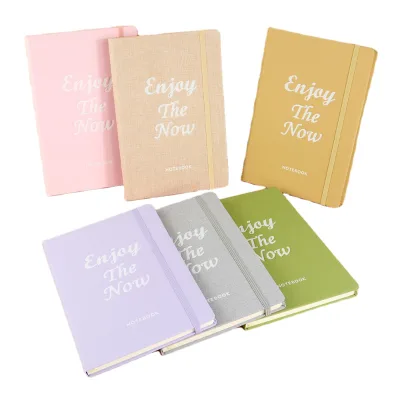
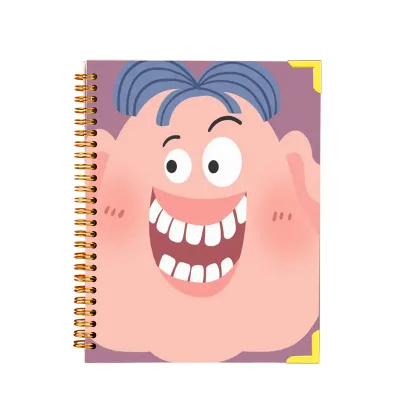
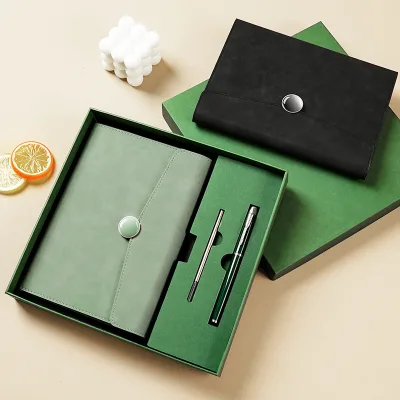


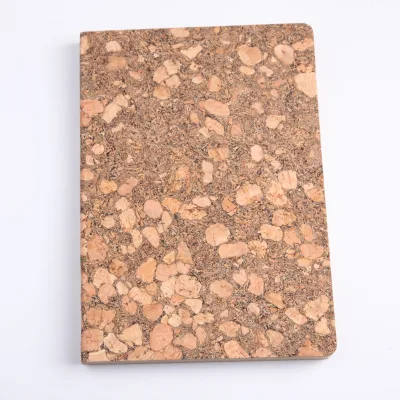


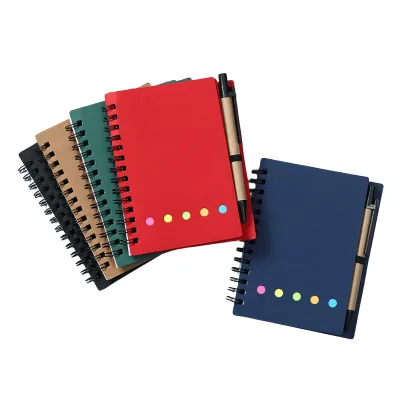


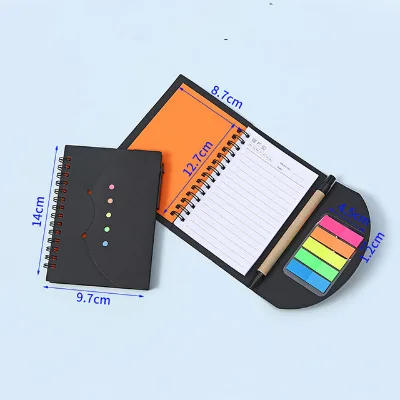
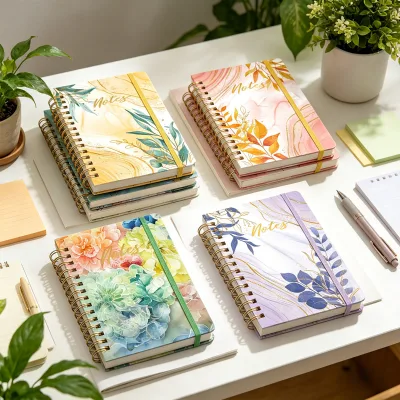
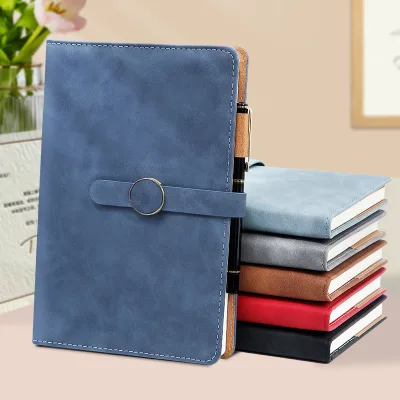
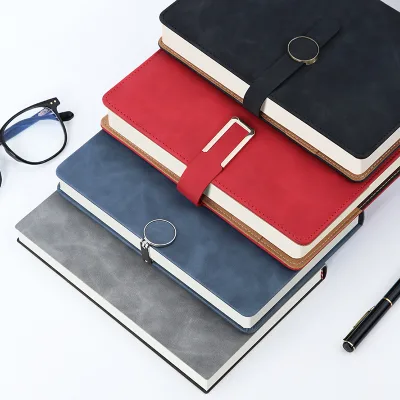

Promotional Gift Logo Eco Friendly Recycled Kraft Paper Notebook with Pen
$0.40 - $0.90
MOQ: 500 Pieces


Comprehensive Sourcing Guide
Eco-Friendly Custom Logo Notebook Sourcing Guide
Procuring eco-friendly custom logo notebooks requires balancing sustainability claims with practical business utility. Buyers must verify that "eco-friendly" refers to specific material choices, such as recycled paper or FSC-certified sources, rather than vague marketing terms. The observed market includes products labeled as journals, planners, and notepads, often featuring hardcover or spiral bindings. It is critical to distinguish between genuine sustainable practices and greenwashing by requesting detailed material breakdowns.
Customization is a primary driver for these purchases, with options for offset printing, embossing, and logo placement on covers. Suppliers in Guangdong and Zhejiang, China, offer significant flexibility in size, color, and binding styles, including thread sewing and glue binding. Buyers should confirm that the customization process does not compromise the structural integrity of the notebook or the quality of the printed logo. Understanding these variables helps in selecting a product that aligns with both brand identity and environmental goals.
Product Scope and Observed Listing Signals
The current market offers a diverse range of notebook types, including hardcover diaries, spiral-bound journals, and pocket-sized notepads. Observed listings indicate a price range of $0.26 to $4.13 USD, with minimum order quantities (MOQs) varying from 1 to 3,000 units. This wide range suggests that buyers can find options for both small promotional gifts and large-scale corporate orders. The presence of "small quantity accepted" attributes indicates flexibility for startups or test orders, while higher MOQs may offer better unit economics for bulk purchases.
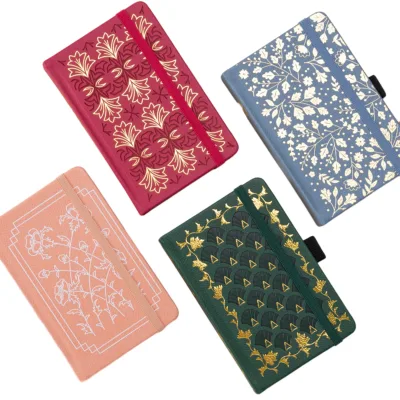
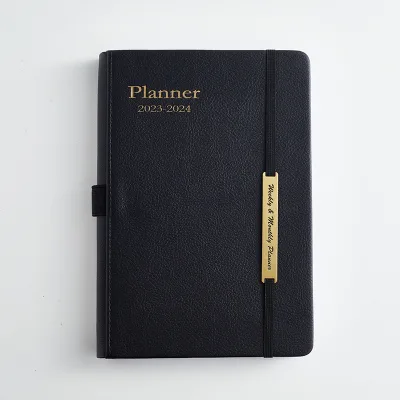
Product attributes reveal a strong emphasis on customization, with options for customized sizes, logos, and slogans. Materials range from standard paper and paperboard to PU leather covers, with inner pages available in various counts, such as 100 or 160 sheets. Some products feature specific designs like horizontal line pages or specific colors including black, blue, green, and red. Buyers should carefully review these specifications to ensure the final product meets their functional requirements, such as page count and binding durability, before placing an order.
Technical Specifications to Verify
Binding methods are a critical technical specification, with observed options including thread sewing, spiral binding, and glue binding. Thread sewing offers superior durability for frequently used planners, while spiral binding allows for 360-degree page rotation. Buyers must verify that the chosen binding method aligns with the intended usage, whether for daily office use, school notes, or promotional giveaways. The weight of the product, observed at 268g/book for some models, also impacts shipping costs and user portability, so this should be factored into the decision-making process.
Page quality and printing methods are equally important. Offset printing is commonly used for high-quality logo reproduction on covers, while inner pages may feature horizontal lines for writing. The number of inner sheets varies, with some products offering 100 sheets and others providing 160 pages or more. Buyers should request physical samples to assess paper thickness, ink adhesion, and binding strength. Additionally, surface finishes like embossing can add a premium feel but may affect the flatness of the notebook when closed, so this trade-off should be considered.
Compliance and Safety Documentation
While specific certifications like REACH, ASTM D4060, and ISO 9001 are mentioned in background contexts, buyers must verify their current applicability and validity. These standards relate to chemical safety, material testing, and quality management systems, respectively. It is essential to request up-to-date certification documents from suppliers to ensure that the notebooks meet the regulatory requirements of the destination market. Buyers should not assume that background mentions imply current compliance for every listed product.
For eco-friendly claims, buyers should inquire about specific environmental certifications, such as FSC for paper sourcing or recycled content percentages. These documents provide tangible proof of sustainability efforts and help mitigate the risk of greenwashing. Additionally, suppliers should provide material safety data sheets (MSDS) for any inks or adhesives used in production. Verifying these documents ensures that the products are safe for end-users and compliant with international trade regulations, protecting the buyer from potential legal and reputational risks.
Cost Drivers and Commercial Terms
Several factors influence the final cost of eco-friendly custom logo notebooks, including material selection, binding complexity, and customization depth. Products with PU leather covers or thread sewing bindings typically command higher prices than those with paper covers and glue binding. The number of inner pages also affects cost, with 160-page notebooks being more expensive than 100-sheet versions. Buyers should analyze these variables to optimize their budget without compromising on essential quality attributes.
Lead times and sample policies are significant commercial terms to consider. Observed sample times range from 7 to 14 days, while production times are typically 30 to 35 days. These timelines can impact inventory planning and launch schedules, so buyers should factor them into their procurement strategy. Additionally, packaging options, such as plastic boxes, trays, or custom requirements, may incur extra costs. Clear communication of these terms with suppliers helps in avoiding unexpected expenses and ensures a smooth transaction process.
Supplier Qualification and Quality Control
Supplier qualification involves verifying their manufacturing capabilities and quality control processes. Buyers should prioritize suppliers with established production lines in regions like Guangdong and Zhejiang, China, known for their paper product expertise. Requesting references or case studies can provide insights into the supplier's reliability and consistency. Additionally, verifying their ability to handle custom orders, including logo printing and embossing, is crucial for ensuring that the final product meets brand standards.
Quality control measures should be clearly defined before production begins. Buyers should specify acceptable tolerances for color matching, binding strength, and page alignment. Implementing pre-production samples and in-line inspections can help identify and rectify issues early in the manufacturing process. Suppliers should also provide a clear defect rate policy and return/exchange procedures. Establishing these quality control protocols ensures that the buyer receives products that meet their expectations and reduces the risk of receiving substandard goods.
Long-Term Procurement Checks
Long-term procurement success depends on building a sustainable and reliable supply chain. Buyers should regularly review supplier performance metrics, including on-time delivery rates, product quality consistency, and responsiveness to issues. Establishing a long-term partnership with a trusted supplier can lead to better pricing, priority production slots, and improved communication. Regular audits or visits to the supplier's facility can also help maintain high standards and foster a collaborative relationship.
Sustainability efforts should be continuously evaluated and improved. Buyers should work with suppliers to identify opportunities for further reducing environmental impact, such as using more recycled materials or optimizing packaging to reduce waste. Staying informed about evolving environmental regulations and market trends ensures that the procurement strategy remains relevant and compliant. By focusing on long-term relationships and continuous improvement, buyers can secure a steady supply of high-quality, eco-friendly notebooks that support their brand values and business goals.
FAQs
Can I customize the logo on these notebooks?
Yes, logo customization is available for these notebooks. The product details indicate that the logo and slogan can be fully customized to meet your branding needs. This allows businesses to create unique promotional items or branded stationery for specific campaigns.
What is the minimum order quantity for these notebooks?
The minimum order quantity ranges from 1 to 3000 units depending on the specific supplier and product configuration. Some listings accept small quantities, making it feasible for smaller businesses or sample testing. Buyers should verify the exact MOQ with the supplier before placing an order.
What materials are used for the notebook covers?
The notebooks are available with various cover materials including paper and PU leather. Some options feature hardcover styles with embossing finishes, while others offer spiral binding with paper covers. The inner pages are typically made from white paper or paperboard, ensuring durability and a professional appearance.
What are the typical production and sample times?
Sample production typically takes 7 to 14 days, allowing buyers to review quality before bulk ordering. Mass production lead times generally range from 30 to 35 days. These timelines can vary based on customization complexity and order volume, so early planning is recommended for timely delivery.
What sizes and binding options are available?
Available sizes include A5 and customized dimensions to fit specific requirements. Binding options vary, with thread sewing, spiral binding, and glue-bound styles offered. Some notebooks feature hardcover designs, while others use spiral or leather styles, providing flexibility for different usage scenarios such as office, school, or promotional use.
Where are these notebooks manufactured?
These notebooks are manufactured in China, with specific origins listed as Guangdong and Zhejiang provinces. This location allows for efficient production and logistics. Buyers can expect products to meet standard manufacturing practices in these regions, with customization options available to suit international market requirements.