Source Customizable Hardboard Cover Academic Calendar for Schools
Find 30 Customizable Hardboard Cover Academic Calendar options from Chinese manufacturers. Compare features like spiral binding, offset printing, and eco-friendly materials to select the right desk or yearly calendar for office gifts and educational promotions; compare the available evidence and request quotations based on your requirements.
Updated
Key considerations
Products List



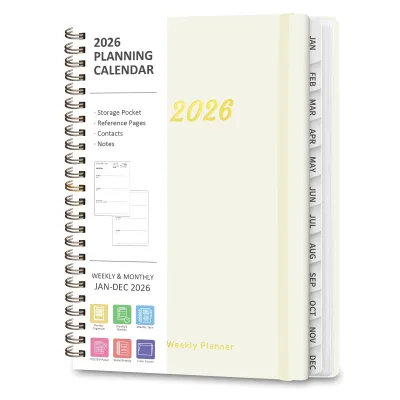
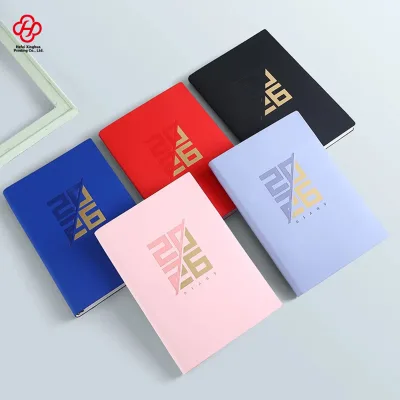
Academic Desk Calendar for School Student with Semester Plan and Exam Mark
$0.50 - $3.99
MOQ: 10 Pieces



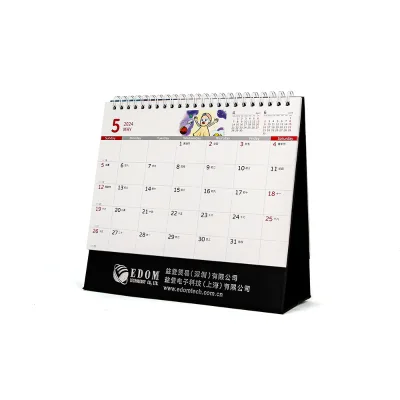
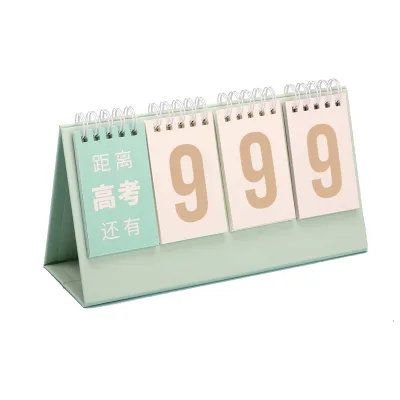
Customized Hardcover Stand up Daily Calendar Wall Handing Desktop Calendar
$0.986 - $1.321
MOQ: 1000 Pieces


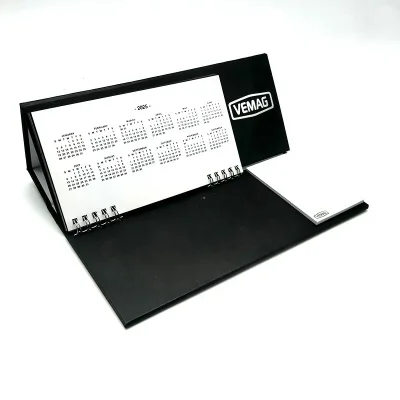

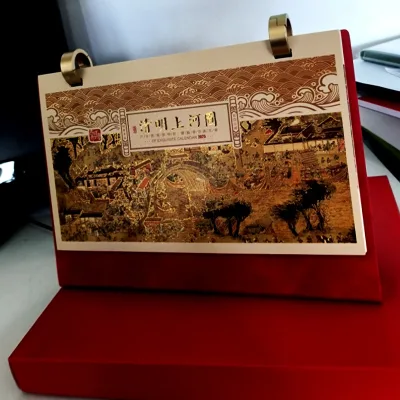
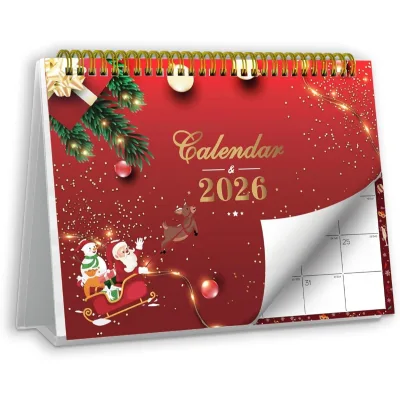
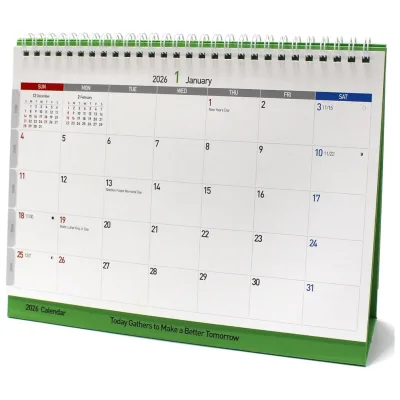


Comprehensive Sourcing Guide
Customizable Hardboard Cover Academic Calendar Sourcing Guide
Sourcing a Customizable Hardboard Cover Academic Calendar requires balancing structural durability with aesthetic flexibility, as these items serve dual roles as functional office tools and promotional branding assets. Buyers must recognize that "hardboard" in this context often refers to thick paperboard or cardstock substrates rather than industrial fiberboard, which significantly impacts printing quality and binding integrity. The observed market signals indicate a strong preference for offset printing and film lamination, processes that ensure vibrant color reproduction and resistance to wear in high-traffic environments. Procurement teams should prioritize suppliers who demonstrate expertise in handling thick substrates, as improper handling can lead to cracking at the spine or uneven lamination edges.
The customization landscape for these calendars is extensive, ranging from cover material selection to internal page layouts, allowing brands to align the product closely with their corporate identity. Observed listings reveal that buyers frequently request specific paper types, such as kraft or art paper, alongside various surface finishes like varnishing or embossing to create tactile differentiation. It is critical to verify whether the supplier’s "hardboard" claim aligns with the actual material specifications provided in their technical sheets, as terminology can vary across regions. Establishing clear material definitions early in the RFQ process prevents misunderstandings regarding product weight, rigidity, and environmental compliance, ensuring the final deliverable meets both functional and sustainability expectations.
Product Scope and Observed Listing Signals
The current market for academic calendars features a diverse array of styles, including desk calendars, yearly planners, and monthly layouts, all unified by the demand for customizable hardboard covers. Observed product attributes highlight a prevalence of spiral, wire-O, and saddle-stitch bindings, which are essential for ensuring the calendar lies flat during daily use. Buyers should note that while some listings specify "hardboard," others describe the material as thick paperboard or cardstock, necessitating careful review of technical specifications to confirm structural integrity. The presence of features like recycled materials and environmental certifications suggests a growing market segment focused on sustainability, which can be a key differentiator for corporate procurement decisions.
Visual customization options are equally critical, with suppliers offering CMYK and Pantone color matching, as well as advanced surface treatments like gold foil stamping and embossing. These finishing techniques allow for premium branding on the hardboard cover, enhancing the perceived value of the calendar as a corporate gift or promotional item. The observed price range of $0.14 to $8.60 USD reflects significant variation based on material thickness, binding complexity, and order volume, with MOQs ranging from 5 to 3000 units. Procurement teams must evaluate these variables holistically, considering that lower unit costs may come with higher minimum order quantities or reduced customization flexibility, impacting overall budget efficiency and inventory management strategies.
Technical Specifications to Verify
Verifying the technical specifications of the hardboard cover is paramount to ensuring the calendar’s longevity and professional appearance. Buyers should explicitly request the grammage or thickness of the cover material, as "hardboard" is not a standardized metric and can vary significantly between suppliers. The observed listings indicate a preference for offset printing and film lamination, processes that require precise calibration to avoid issues like delamination or ink smudging on thick substrates. It is essential to confirm that the supplier has experience with these specific materials, as improper lamination can lead to bubbling or edge peeling, especially when the calendar is frequently opened and closed.
Binding method selection directly influences the calendar’s usability and durability, with spiral and wire-O bindings offering superior lay-flat performance compared to glue-bound options. Buyers must verify the wire gauge and coil type to ensure they can withstand repeated use without breaking or detaching from the cover. Additionally, the internal page layout, such as horizontal lines or specific date formats, should be confirmed against the supplier’s template capabilities to avoid costly rework. The observed data shows that some suppliers offer customized drawings and OEM designs, which requires a robust proofing process to ensure that the final product matches the approved artwork, particularly when dealing with complex cover designs and multi-layered materials.
Compliance and Safety Documentation
Compliance documentation is a critical component of the procurement process, particularly for calendars intended for educational or corporate environments where safety standards are strictly enforced. While the observed listings mention standards such as SGS, ISO9001, and ISO14001, buyers must verify the specific scope of these certifications to ensure they cover the manufacturing of paper-based products. The presence of FSC certification is a significant indicator of sustainable sourcing, but it must be validated against the actual paper stock used in the calendar to prevent greenwashing claims. Procurement teams should request valid certificate copies and ensure they are up-to-date, as expired certifications can lead to compliance risks in regulated markets.
Environmental claims, such as the use of recycled materials, must be substantiated with clear documentation from the supplier. Buyers should inquire about the percentage of post-consumer waste used in the paperboard and whether the inks and adhesives are non-toxic and compliant with relevant safety regulations. The observed listings also reference customizable standards, which implies that suppliers may tailor their compliance documentation to specific customer requirements. It is advisable to include specific compliance clauses in the purchase agreement, requiring the supplier to provide test reports for heavy metals, formaldehyde, and other hazardous substances, ensuring the final product meets all legal and ethical sourcing criteria.
Cost Drivers and Commercial Terms
Understanding the cost drivers for customizable hardboard cover academic calendars is essential for accurate budgeting and negotiation. The primary cost factors include the thickness and quality of the paperboard, the complexity of the binding method, and the extent of customization required for the cover design. Observed listings show that surface finishes like film lamination and embossing add to the unit cost, while bulk orders can significantly reduce the price per unit due to economies of scale. Buyers should request detailed cost breakdowns to identify where savings can be made, such as opting for standard binding methods or reducing the number of custom colors in the printing process.
Commercial terms, including payment conditions, lead times, and shipping methods, also play a crucial role in the total cost of ownership. The observed data indicates that suppliers offer various shipping options, such as sea, air, and courier, each with different cost and time implications. Lead times can vary based on the complexity of the design and the current production schedule, with sampling times typically around seven days. Buyers should negotiate clear terms for delays and quality issues, ensuring that penalties are in place if the supplier fails to meet agreed-upon deadlines. Additionally, packaging requirements, such as export cartons or wooden boxes, should be specified to prevent damage during transit and avoid additional costs for repackaging.
Supplier Qualification and Quality Control
Supplier qualification is a critical step in ensuring the reliability and consistency of customizable hardboard cover academic calendars. Buyers should conduct thorough due diligence on potential suppliers, verifying their manufacturing capabilities, quality control processes, and past performance with similar products. The observed listings indicate that many suppliers are located in China, with origins in Zhejiang, Guangdong, and Shandong provinces, regions known for their printing and packaging industries. It is advisable to request samples from multiple suppliers to compare the quality of the hardboard cover, binding strength, and printing accuracy, ensuring that the selected supplier can meet the required specifications.
Quality control measures should be established early in the production process, including pre-production samples, in-line inspections, and final random inspections. Buyers should define clear acceptance criteria for defects, such as misalignment, color variation, or binding failures, and communicate these standards to the supplier. The observed data shows that some suppliers offer customized packing and design services, which requires additional oversight to ensure that the final product matches the approved samples. Implementing a robust quality assurance plan, including third-party inspection services if necessary, can help mitigate risks and ensure that the delivered calendars meet the buyer’s expectations for quality and durability.
Long-Term Procurement Checks
Long-term procurement checks are essential for maintaining a sustainable and efficient supply chain for customizable hardboard cover academic calendars. Buyers should regularly review supplier performance metrics, including on-time delivery rates, defect rates, and responsiveness to issues, to identify potential risks and areas for improvement. The observed market trends suggest a growing demand for sustainable and customizable products, which requires suppliers to continuously innovate and adapt to changing customer preferences. Procurement teams should engage in regular communication with suppliers to discuss future needs, potential design updates, and any changes in compliance requirements, ensuring a collaborative and forward-looking partnership.
Additionally, buyers should monitor market conditions and material costs to anticipate potential price fluctuations and supply chain disruptions. The observed data indicates that MOQs and lead times can vary, so maintaining a flexible procurement strategy is crucial to adapting to these changes. Regular audits of supplier facilities and quality control processes can help ensure ongoing compliance with safety and environmental standards. By establishing long-term relationships with reliable suppliers and implementing continuous improvement initiatives, buyers can secure a steady supply of high-quality calendars that meet their branding and functional requirements while minimizing risks and costs.
FAQs
What customization options are available for the calendar?
Customization is available for design drawings, model numbers, and packing requirements. Buyers can request OEM designs, specific paper types like kraft or art paper, and choose from various surface finishes such as lamination or varnishing to meet unique branding needs.
Which printing methods are supported for these calendars?
The product supports offset printing, 4c printing, and Pantone color printing. These methods ensure high-quality color reproduction for advertising patterns and allow for precise color matching using CMYK or Pantone systems as specified by the buyer's artwork.
Can the calendar be made with recycled materials?
Yes, the product features recycled and environmental materials as a key attribute. This ensures the calendar meets sustainability goals while maintaining durability through paperboard construction and various binding options like spiral or wire-o stitching.
What are the standard certifications for this product?
The product adheres to standards including SGS, ISO9001, ISO14001, and FSC. These certifications verify quality management and environmental compliance, ensuring the paper material and production processes meet international safety and sustainability requirements for office gifts.
How is the product packed for shipment?
Packing is customizable and can be done in export cartons, wooden boxes, or as per customer requirements. This flexibility allows buyers to choose packaging that protects the desk or yearly calendar during sea, air, or courier transport.
What is the sampling time for custom orders?
The sampling time is seven days for custom designs. This allows buyers to review prototypes before mass production, ensuring the final product matches the customized drawing or OEM design specifications provided in the artwork format.
Which binding styles are offered for the calendar?
Available binding styles include spiral, wire-o, sewing, and saddle stitching. These options provide flexibility for desk calendars and books, ensuring the pages stay secure while allowing for easy flipping and a professional appearance in office or home settings.