Source Customized Logo Linen Hardcover Notebook for gifts, schools, and promotions
Compare 30 options for Customized Logo Linen Hardcover Notebook from verified suppliers. Buyers can review binding types, cover materials, and customization availability to find the right organizer or planner for gifts, schools, and promotions; compare the available evidence and request quotations based on your requirements.
Updated
Key considerations
Products List
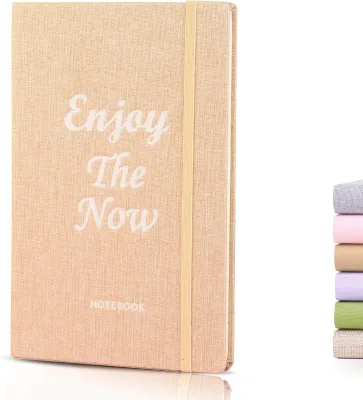
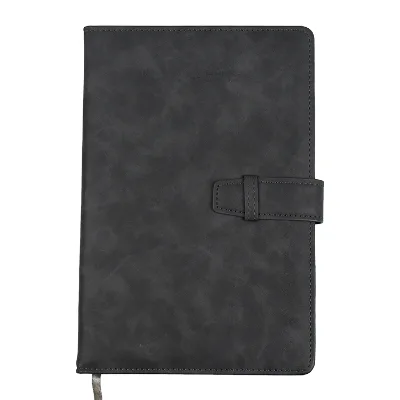
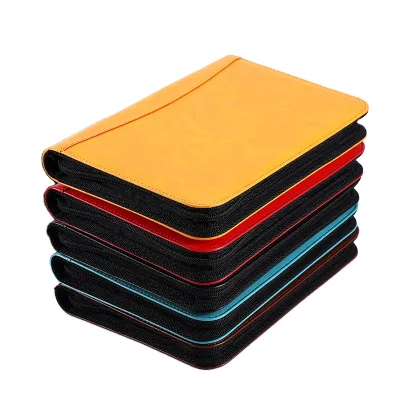


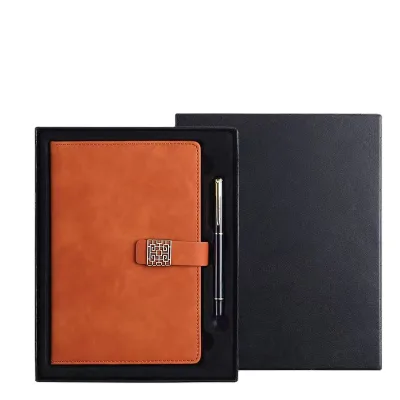
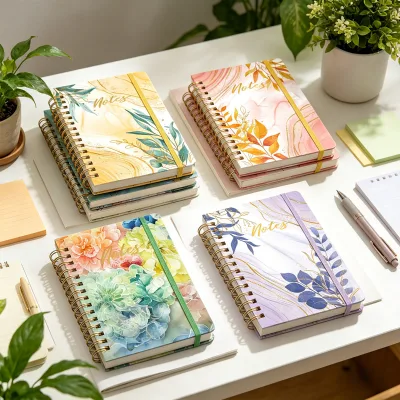
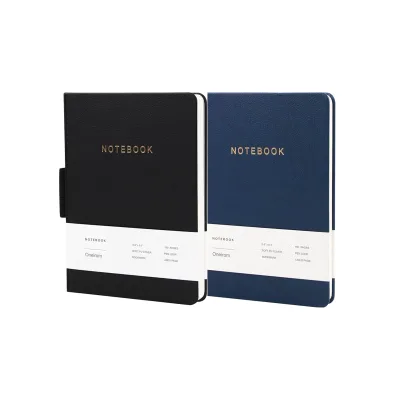
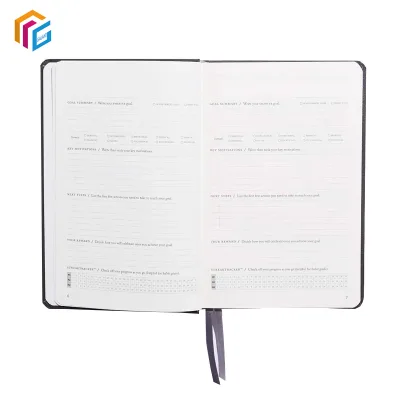
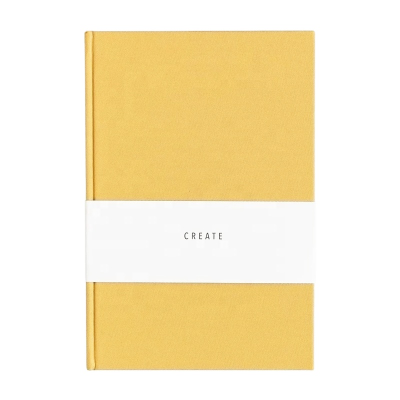
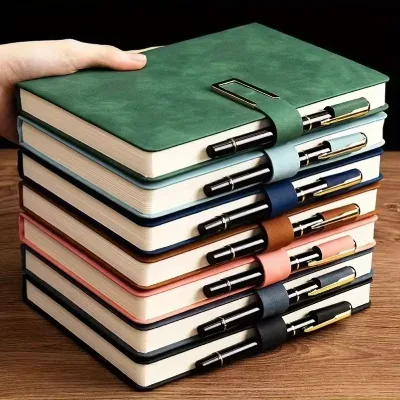
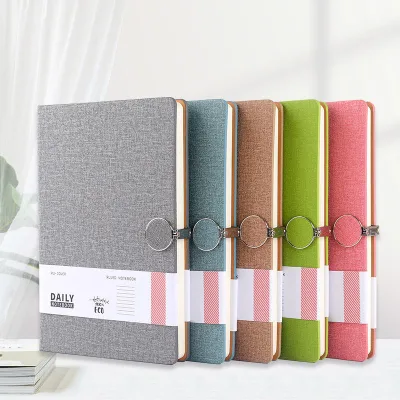
Custom logo Hardcover Notebook A5 Pu Leather Hardcover Gift Unique Notebook Journal Plan Book
$1.3225 - $1.5274
MOQ: 100 Minimum


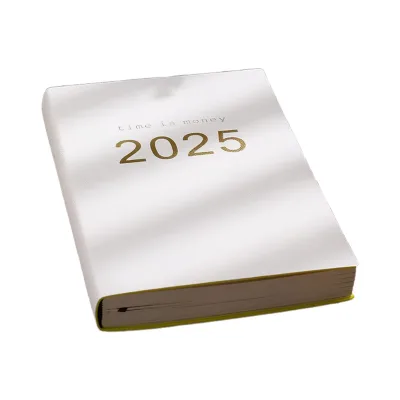
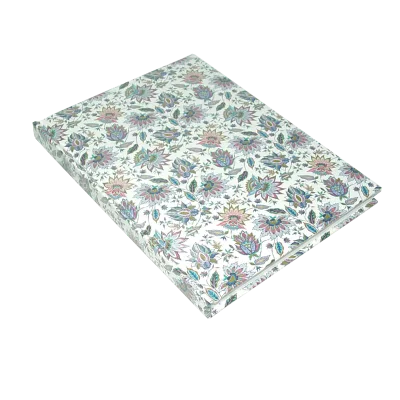

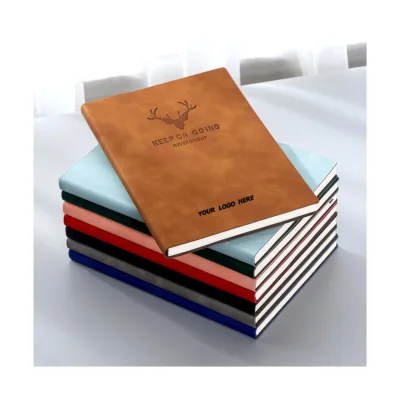


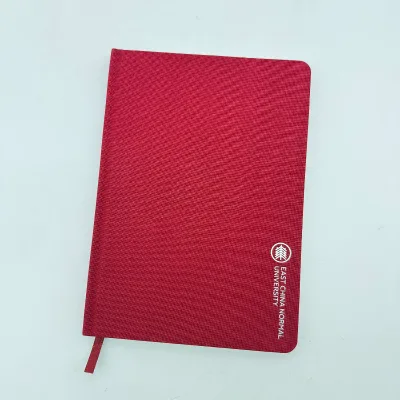
Comprehensive Sourcing Guide
Customized Logo Linen Hardcover Notebook Sourcing Guide
Procuring customized logo linen hardcover notebooks requires a strategic approach to balancing aesthetic appeal with functional durability. These items serve as premium promotional tools, corporate gifts, and branded stationery for educational institutions. The linen cover provides a textured, sophisticated finish that distinguishes the product from standard plastic or paper-covered alternatives. Buyers must recognize that "linen" often refers to the fabric texture rather than pure material composition, which may include synthetic blends for enhanced durability and cost-efficiency. Understanding this distinction is crucial when evaluating samples and negotiating with suppliers to ensure the final product meets brand expectations for tactile quality and visual impact.
The customization process involves multiple layers, including cover material selection, binding method, and page configuration. Suppliers typically offer options for thread sewing or loose-leaf binding, each affecting the notebook's longevity and usability. Thread sewing allows the book to lay flat, which is preferred for writing, while loose-leaf systems offer flexibility for reorganizing content. The logo application can be achieved through embossing, debossing, or offset printing, depending on the desired level of prominence and budget. Buyers should prioritize suppliers who provide clear visual proofs of logo placement and finish quality before committing to bulk production orders.
Product Scope and Observed Listing Signals
Market listings for linen hardcover notebooks reveal a diverse range of specifications, with sizes commonly available in A5, B5, or custom dimensions. The observed price range spans from $0.20 to $5.99, reflecting variations in material quality, binding complexity, and order volume. Minimum order quantities (MOQs) typically range from 1 to 1,000 units, accommodating both small-scale promotional needs and large corporate campaigns. Some suppliers accept small quantities, which is beneficial for testing market response or fulfilling urgent, low-volume requests. Buyers should carefully review these signals to align their procurement strategy with their budget constraints and inventory requirements.
Product attributes indicate a strong emphasis on customization, with options for inner page counts, cover materials, and binding styles. Common features include thread sewing, hardcover construction, and fabric or leather-like covers. Some listings specify PU leather or linen fabric, while others offer plain leather or paper-based covers. The presence of spiral binding or loose-leaf options suggests versatility in product design. Buyers should note that terms like "linen" may be used broadly, so verifying the actual material composition is essential. Additionally, the inclusion of features like embossing or custom printing highlights the potential for brand integration, making these notebooks effective marketing tools.
Technical Specifications to Verify
Verifying technical specifications is critical to ensuring the notebook meets functional and aesthetic requirements. Buyers should confirm the exact material composition of the cover, distinguishing between genuine linen, synthetic blends, and PU leather. The binding method, whether thread sewing or loose-leaf, must be validated for durability and lay-flat performance. Inner page quality, including paper weight, GSM, and ruling style, should be specified to prevent ink bleed-through and ensure writing comfort. Additionally, the size and model number should be cross-referenced with supplier catalogs to avoid discrepancies in final delivery.
Logo application techniques, such as embossing, debossing, or offset printing, require precise verification to ensure brand consistency. Buyers should request physical samples to assess the tactile quality of the logo and its alignment with the cover design. The production process, including surface finishes and edge treatments, should be documented to maintain quality standards. Furthermore, the origin of production, whether from Zhejiang, Guangdong, or Fujian, may influence lead times and shipping costs. Buyers should establish clear communication channels with suppliers to address any technical questions or adjustments before mass production begins.
Compliance and Safety Documentation
Compliance and safety documentation are essential for ensuring that customized notebooks meet regulatory standards in target markets. Buyers should verify that suppliers provide relevant certifications, such as ISO 9001 for quality management or FSC for sustainable paper sourcing. Although specific certifications are not always listed, buyers must request proof of compliance with local regulations regarding chemical safety, particularly for inks and adhesives used in printing and binding. This is crucial for products intended for educational use or as gifts for children, where safety standards are strictly enforced.
Additionally, buyers should ensure that suppliers adhere to environmental regulations, especially if the product is marketed as eco-friendly. Documentation regarding the sourcing of raw materials, such as paper and fabric, should be transparent and verifiable. Buyers should also check for any restrictions on the use of certain chemicals or materials in the production process. By maintaining a comprehensive record of compliance documents, buyers can mitigate risks associated with regulatory non-compliance and enhance their brand's reputation for responsibility and quality.
Cost Drivers and Commercial Terms
Cost drivers for customized linen hardcover notebooks include material selection, binding complexity, logo application method, and order volume. Higher-quality materials, such as genuine linen or premium PU leather, increase production costs, while complex binding methods like thread sewing may also add to the price. Logo application techniques, such as embossing or offset printing, vary in cost based on the number of colors and the intricacy of the design. Buyers should negotiate volume discounts and clarify payment terms to optimize their procurement budget.
Commercial terms, including MOQs, lead times, and shipping methods, significantly impact the overall cost and delivery schedule. Suppliers may offer flexible MOQs for small quantities, but this often comes at a higher per-unit cost. Lead times can vary based on the complexity of customization and the supplier's production capacity. Buyers should establish clear agreements on shipping responsibilities, such as FOB or CIF terms, to avoid unexpected logistics costs. By understanding these cost drivers and commercial terms, buyers can make informed decisions that balance quality, cost, and delivery requirements.
Supplier Qualification and Quality Control
Supplier qualification is a critical step in ensuring the reliability and quality of customized linen hardcover notebooks. Buyers should assess suppliers based on their production capacity, quality control processes, and customer feedback. Verifying the supplier's experience in producing similar products and their ability to meet customization requirements is essential. Buyers should also check for any past issues with quality or delivery to avoid potential risks. Establishing a strong relationship with a qualified supplier can lead to better pricing, improved service, and consistent product quality.
Quality control measures should be implemented throughout the production process, from material sourcing to final inspection. Buyers should request pre-production samples to verify design, material, and binding quality. During production, regular inspections can help identify and address any issues early. Final inspection should include a thorough check of the product's appearance, functionality, and packaging. By implementing robust quality control measures, buyers can ensure that the final product meets their expectations and reduces the risk of defects or customer complaints.
Long-Term Procurement Checks
Long-term procurement checks involve continuous monitoring of supplier performance, product quality, and market trends. Buyers should establish key performance indicators (KPIs) to evaluate suppliers based on delivery times, product quality, and responsiveness. Regular audits and feedback sessions can help identify areas for improvement and strengthen the supplier relationship. Additionally, buyers should stay informed about market trends, such as new materials or customization techniques, to remain competitive and innovative.
Sustainability and ethical sourcing are increasingly important factors in long-term procurement. Buyers should prioritize suppliers who demonstrate commitment to environmental responsibility and ethical labor practices. This can enhance brand reputation and align with consumer values. By conducting regular reviews and adapting to market changes, buyers can ensure a sustainable and successful procurement strategy for customized linen hardcover notebooks. This proactive approach helps mitigate risks and maximizes the value of the procurement investment over time.
FAQs
Can I customize the inner pages of a linen notebook?
Yes, inner pages can be customized for linen notebooks. The product supports tailored layouts and content to meet specific branding or organizational needs. This flexibility allows buyers to design unique planners or diaries. Customization is a key feature for promotional gifts and corporate use, ensuring the final product aligns perfectly with your requirements.
What binding options are available for hardcover linen notebooks?
Thread sewing and sewing binding are available for hardcover linen notebooks. This method ensures durability and allows the book to lay flat when open. It is ideal for frequent use in planners and organizers. The sturdy construction supports the fabric cover material, providing a premium feel and long-lasting performance for daily writing tasks.
What sizes are offered for customized linen notebooks?
A5 or custom sizes are offered for linen notebooks. Buyers can select standard dimensions or request specific measurements to fit their needs. This adaptability makes the product suitable for various uses, from pocket-sized notes to larger planners. Custom sizing ensures the notebook fits perfectly into your workflow or promotional strategy.
Is logo printing available on linen hardcover notebooks?
Yes, logo printing is available on linen hardcover notebooks. Custom branding can be applied to the cover or inner pages. This service is ideal for promotional gifts and corporate events. The printing process ensures high-quality visibility of your brand, enhancing the professional appearance of the notebook for clients and employees.
What is the minimum order quantity for these notebooks?
The minimum order quantity ranges from 1 to 1000 units. This flexible MOQ allows buyers to order small quantities for testing or large batches for distribution. It accommodates both individual buyers and bulk purchasers. The low entry point makes it easy to try the product before committing to a larger order.
Where are these linen notebooks manufactured?
These linen notebooks are manufactured in Zhejiang, China. The production location ensures access to high-quality materials and skilled craftsmanship. Zhejiang is known for its strong manufacturing infrastructure, supporting efficient production and timely delivery. Buyers can rely on the consistent quality and reliability of products sourced from this region.