Source Waterproof Checkered Ring Binder for Office, School, and Events
Explore 30 listings for the Waterproof Checkered Ring Binder suitable for office, school, and event organization. Buyers can compare specifications like material, size, and supply ability from verified suppliers; compare the available evidence and request quotations based on your requirements.
Updated
Key considerations
Products List
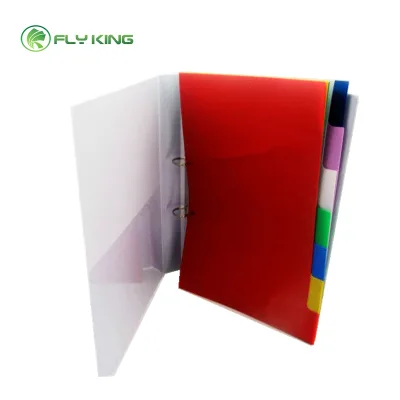
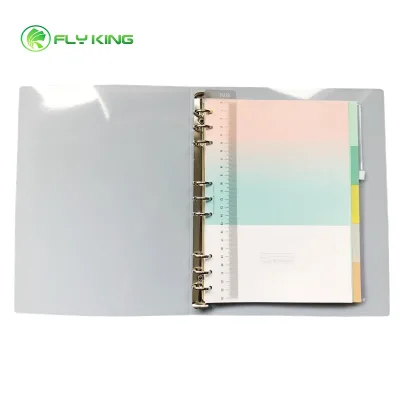

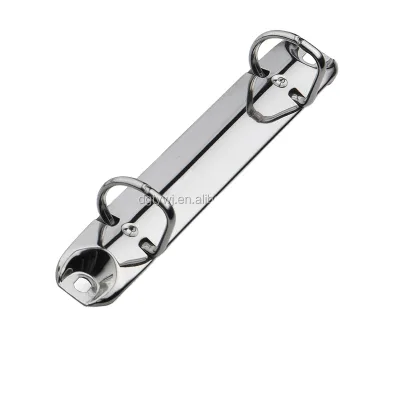
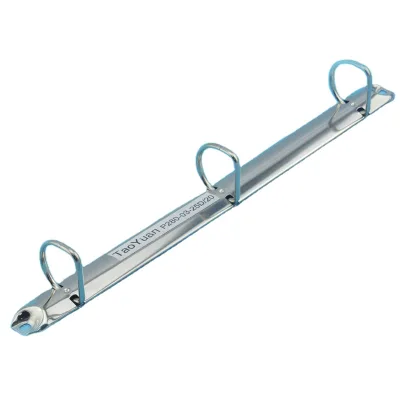
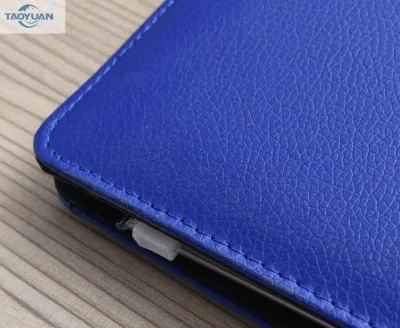


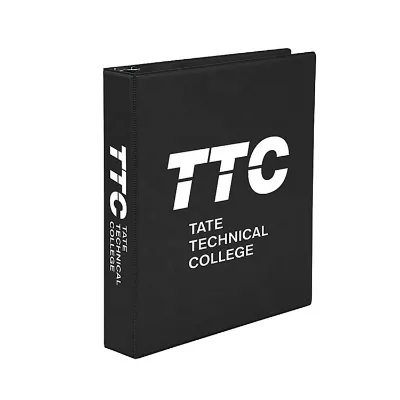
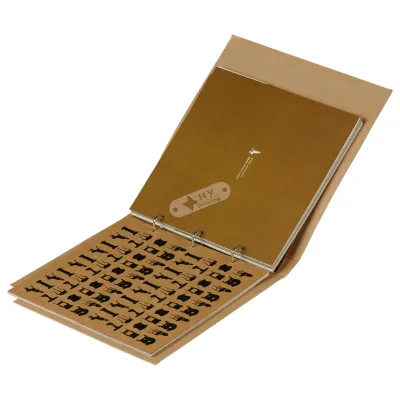
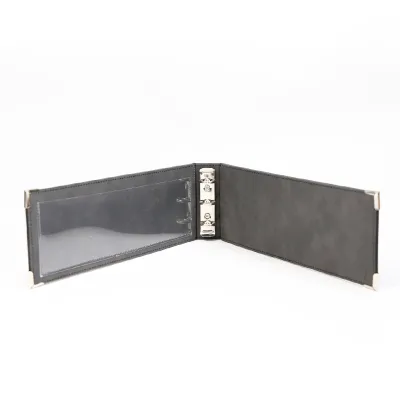
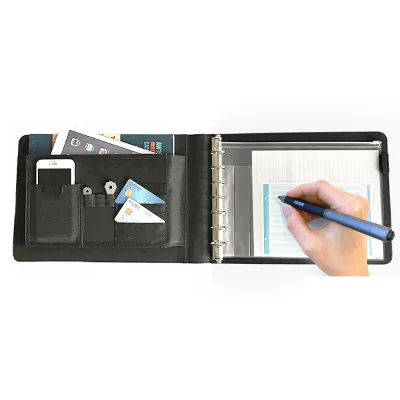
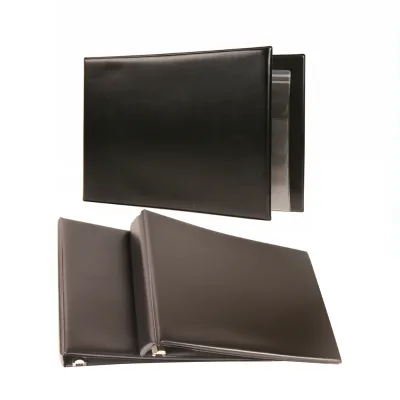
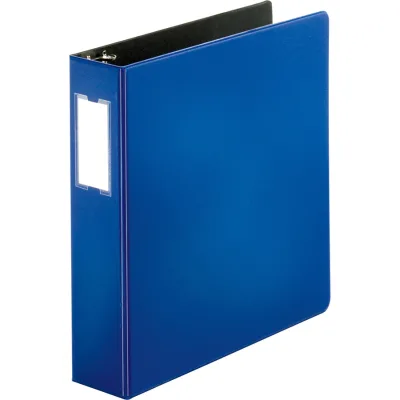
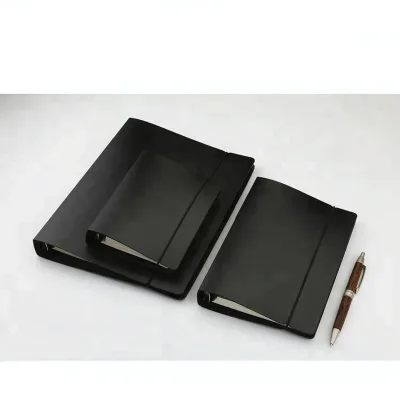
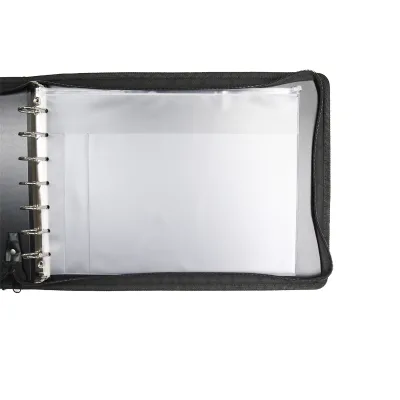
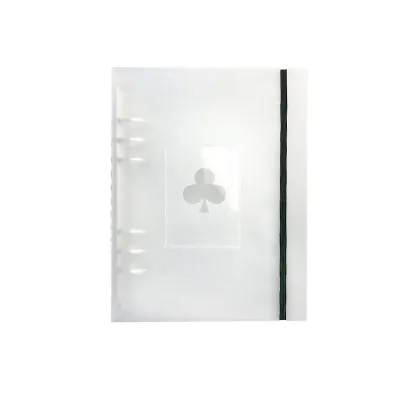
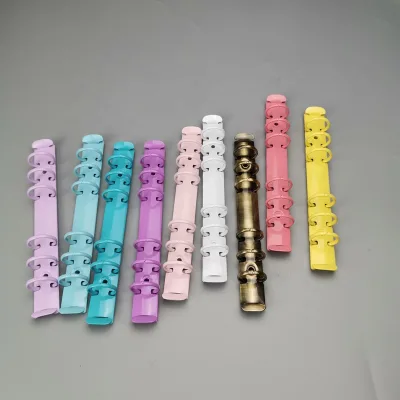


$0.50
MOQ: 3000 Pieces
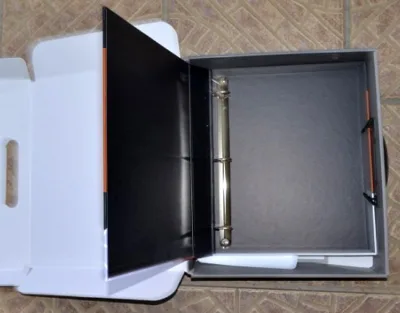

Comprehensive Sourcing Guide
Waterproof Checkered Ring Binder Sourcing Guide
Procuring waterproof checkered ring binders requires a nuanced understanding of material science and manufacturing capabilities, as standard office supplies rarely meet strict moisture-resistance demands. Buyers must distinguish between water-resistant coatings and fully waterproof polymer constructions, particularly when sourcing for outdoor, industrial, or high-humidity environments. The observed market data indicates a strong prevalence of PVC and PP materials, which offer inherent durability and moisture resistance compared to traditional paper-based or fabric-covered alternatives.
Sourcing strategies should prioritize suppliers who explicitly state their material composition and surface treatment processes. The presence of OEM/ODM capabilities suggests that customization of the checkered pattern and waterproofing layer is feasible, allowing brands to align product aesthetics with functional requirements. However, verifying the specific grade of PVC or PP is essential, as lower-quality variants may degrade or become brittle when exposed to prolonged moisture or extreme temperatures, compromising the binder’s structural integrity over time.
Product Scope and Observed Listing Signals
The current market landscape for ring binders reveals a diverse range of specifications, with A5 and A4 sizes being the most commonly observed formats. Listings frequently highlight materials such as PVC and PP, which are critical for achieving the desired waterproof characteristics. The observed supply ability varies significantly, ranging from 10,000 pieces per week to massive daily capacities, indicating that both small-batch custom orders and large-scale industrial procurement are viable options for buyers.
Visual attributes such as color and shape are also key differentiators, with various colors and folder-like shapes available. The term "checkered" often refers to the aesthetic pattern rather than a specific structural feature, so buyers must request physical samples to confirm the visual design meets their branding needs. Additionally, the availability of different hole configurations, including 3, 6, 8, and 12 holes, allows for flexibility in compatibility with existing filing systems, ensuring the binder integrates seamlessly into diverse office or industrial workflows.
Technical Specifications to Verify
When evaluating technical specifications, the model number and material composition are primary verification points. Buyers should confirm whether the product is constructed from PVC, PP, or metal components, as each material offers distinct advantages in terms of weight, durability, and water resistance. For instance, PVC binders often provide a smoother, more waterproof surface, while PP options may offer greater flexibility and environmental friendliness. The presence of adjustable rings or lever arch mechanisms also impacts the binder’s functionality and ease of use.
Size specifications such as A5, A4, and M should be cross-referenced with the intended document dimensions to ensure proper fit. Additionally, the type of ring mechanism, whether it is a 2-hole, 3-hole, or multi-hole system, must align with the buyer’s existing filing infrastructure. It is also crucial to verify the packaging details, as proper carton sizing and protection during transit can prevent damage to the waterproof coating, ensuring the product arrives in pristine condition ready for immediate deployment.
Compliance and Safety Documentation
Compliance with international safety standards is a critical consideration, particularly for products intended for use in regulated industries or educational settings. While specific certification statuses may vary by supplier, buyers should inquire about adherence to standards such as RoHS, which restricts the use of hazardous substances in electrical and electronic equipment, though its relevance to plastic binders should be clarified with the supplier. Ensuring that materials are free from harmful phthalates or heavy metals is essential for maintaining a safe working environment.
Documentation should also include material safety data sheets (MSDS) and any relevant quality assurance certificates. Buyers must verify that the supplier can provide evidence of consistent quality control processes, including tests for water resistance, tear strength, and ring durability. This documentation not only mitigates legal and safety risks but also enhances the product’s credibility in the market, demonstrating a commitment to high-quality manufacturing practices and regulatory compliance.
Cost Drivers and Commercial Terms
Cost drivers for waterproof checkered ring binders include material selection, customization complexity, and order volume. The use of high-grade PVC or PP, along with specialized waterproof coatings, can increase production costs compared to standard binders. Additionally, OEM/ODM services, such as custom printing of logos or unique checkered patterns, may incur setup fees or higher per-unit costs, especially for smaller order quantities. Buyers should negotiate based on the observed MOQ ranges, which typically start at 5,000 pieces, to optimize pricing.
Commercial terms such as lead times, payment conditions, and shipping logistics also impact the total cost of ownership. Sample times of around 7 days are common, allowing buyers to evaluate product quality before committing to large orders. Supply abilities ranging from 10,000 pieces per week to millions per day suggest that suppliers can accommodate varying demand levels, but buyers should confirm delivery schedules to avoid production delays. Clear communication regarding packaging details and port of dispatch, such as Huangpu or Shenzhen, is essential for accurate freight cost estimation.
Supplier Qualification and Quality Control
Supplier qualification involves assessing manufacturing capabilities, quality control systems, and past performance. Buyers should prioritize suppliers with established production lines and a proven track record in producing durable, waterproof binders. The availability of OEM/ODM services indicates a supplier’s flexibility and willingness to collaborate on custom designs, which is crucial for brands seeking unique product offerings. Verifying the supplier’s location, such as Guangdong or Anhui in China, can also provide insights into their logistical efficiency and access to raw materials.
Quality control measures should include regular inspections of raw materials, in-process checks during manufacturing, and final product testing. Buyers should request samples to evaluate the waterproof coating’s effectiveness, the strength of the rings, and the overall build quality. Additionally, suppliers should provide clear packaging instructions to prevent damage during transit, ensuring that the product arrives in optimal condition. Establishing a strong relationship with a reliable supplier can lead to consistent quality and improved service levels over time.
Long-Term Procurement Checks
Long-term procurement success depends on continuous monitoring of supplier performance, market trends, and product evolution. Buyers should regularly review supplier metrics, such as on-time delivery rates, defect rates, and responsiveness to issues, to ensure ongoing reliability. Staying informed about advancements in waterproof materials and manufacturing technologies can help buyers identify opportunities for cost savings or performance improvements. Additionally, maintaining open communication with suppliers can facilitate timely updates on product changes or new offerings.
It is also important to periodically reassess the product’s suitability for its intended application, as user needs and environmental conditions may change. Collecting feedback from end-users can provide valuable insights into the binder’s durability and functionality in real-world scenarios. By maintaining a proactive approach to supplier management and product evaluation, buyers can ensure that their procurement strategy remains aligned with business objectives and market demands, securing a competitive advantage in the long run.
FAQs
What materials are used for plastic ring binders?
Plastic ring binders are typically manufactured from PVC or PP materials. These durable polymers provide flexibility and resistance to wear, making them suitable for office environments. Some models may also feature metal components for enhanced structural integrity and longevity during daily use.
Can I customize the logo on these binders?
Yes, OEM and ODM services are warmly welcomed for these products. Buyers can request custom logo printing on the binder covers. This customization allows businesses to brand their office supplies effectively, ensuring corporate identity is maintained across all distributed stationery items.
What is the typical supply ability for these items?
Supply ability varies by product type, ranging from 10,000 pieces per week for specific models to 100,000,000 pieces per day for standard ring binders with dividers. This high capacity ensures that bulk orders can be fulfilled efficiently without significant delays.
Which sizes are available for these ring binders?
Available sizes include A4 and A5 formats. These standard dimensions accommodate most common document types. Buyers can select the appropriate size based on their specific filing needs, ensuring compatibility with standard paper sizes used in office settings.
How long does sample production take?
Sample production typically takes 7 days. This lead time allows buyers to review quality and design before placing bulk orders. The prompt turnaround ensures that procurement processes remain efficient and that decisions can be made quickly based on physical product evaluation.
Where are these products manufactured?
Products originate from locations including Guangdong and Anhui in China. These regions are known for robust manufacturing capabilities. Buyers can expect consistent quality standards and reliable logistics from these established industrial hubs, facilitating smoother international trade and supply chain management.