Source Eco-Friendly Dinner Plate for Restaurants, Events, and Catering
Compare 30 Eco-Friendly Dinner Plate options from verified suppliers. Buyers can review certifications, materials like bamboo and cornstarch, and pricing to find suitable solutions for restaurants, events, and catering services; compare the available evidence and request quotations based on your requirements.
Key considerations
Products List


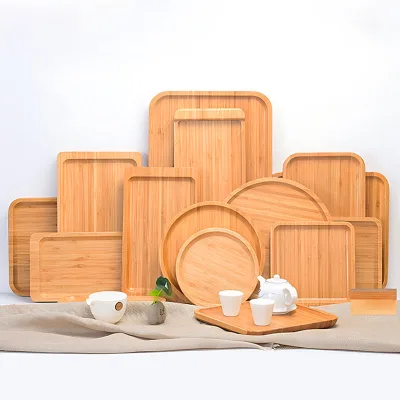


Eco-Friendly Rectangle Dinner Plates for Sustainable Takeout Solutions
$0.01 - $0.04
MOQ: 10000 Pieces


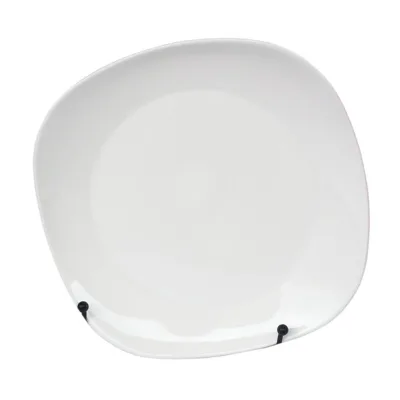

Eco-Friendly Dinner Dessert Plate Pad Printing Porcelain Ceramic Plate Tableware
$0.25 - $0.90
MOQ: 5000 Pieces

Comprehensive Sourcing Guide
Eco-Friendly Dinner Plate Sourcing Guide
Sourcing eco-friendly dinner plates requires a strategic balance between environmental integrity and functional performance for B2B buyers. The market offers diverse materials, from bamboo and wood to cornstarch-based bioplastics, each presenting distinct advantages for different service models. Buyers must first define their operational needs, whether for high-volume fast-food outlets or premium restaurant settings, to narrow down the appropriate material category. This initial segmentation is critical because the sustainability claims of one material do not automatically transfer to another, and performance characteristics vary significantly under heat or moisture.
Procurement teams should also consider the customization options available, as branding and user experience are key differentiators in the food service industry. Many suppliers offer OEM and ODM services, allowing businesses to tailor plate shapes, colors, and logos to match their brand identity. However, customization often introduces complexity in production lead times and minimum order quantities. Understanding these trade-offs early in the sourcing process helps buyers align their inventory strategies with their marketing goals, ensuring that the chosen eco-friendly solution supports both operational efficiency and brand consistency without compromising on the core environmental values.
Product Scope and Observed Listing Signals
The current market landscape for eco-friendly dinner plates reveals a wide range of product specifications and commercial signals. Observed listings indicate a price range from $0.01 to $18 USD, reflecting the disparity between basic disposable items and premium, customized designs. Minimum order quantities (MOQs) vary drastically, starting from as low as 500 pieces for customized orders up to 2,260,000 pieces for bulk standard production. This variance suggests that buyers with smaller volumes may need to accept higher unit costs or limited customization, while large-scale operators can leverage economies of scale for significant cost savings.
Product attributes observed in listings include round shapes, various weights ranging from 7g to 22g, and materials such as bamboo, wood, ceramic, porcelain, and cornstarch. Some products are explicitly labeled as disposable, while others, like ceramic and porcelain options, suggest reusability despite being marketed under the eco-friendly umbrella. Packaging details also differ, with options including polybags, cartons, and specific counts per pack. Buyers must carefully cross-reference these signals with their actual usage requirements, as the term "eco-friendly" is broad and does not guarantee biodegradability or compostability for all listed items, particularly those made from ceramic or porcelain.
Technical Specifications to Verify
Verifying technical specifications is essential to ensure the dinner plates meet the functional demands of your food service operations. Key dimensions to confirm include standard sizes such as 6-inch, 7-inch, 9-inch, and 10-inch diameters, as well as specific dimensions like 260*22mm or 350x250x25mm for specialized items. Buyers should also pay attention to weight variations, which can impact shipping costs and perceived quality; observed weights range from 7g to 18g for lighter disposable options. Ensuring that the plate dimensions align with portion sizes and customer expectations is crucial for maintaining consistency in service delivery.
Surface finish and material integrity are other critical technical factors. Products described with a smooth surface are generally easier to clean and present food more attractively, which is vital for customer satisfaction. For cornstarch-based plates, verifying the material composition ensures that the product is truly biodegradable and free from harmful synthetic additives. Additionally, buyers should confirm the structural strength of the plates, especially if they are intended for hot or oily foods. Requesting physical samples to test heat resistance and durability under real-world conditions can prevent costly failures and ensure that the technical specifications translate into reliable performance in daily use.
Compliance and Safety Documentation
Compliance with safety and environmental standards is non-negotiable for eco-friendly dinner plates, particularly when serving food to consumers. Listings frequently mention certifications such as CE/EU, FDA, CIQ, LFGB, and EEC, which indicate adherence to specific regional safety and quality regulations. Buyers must verify that the supplier holds valid and current certificates for the specific products being ordered, as certifications can be product-specific and may not cover all SKUs. For instance, LFGB certification is particularly relevant for the European market, ensuring that materials do not leach harmful substances into food.
In addition to product-specific certifications, buyers should inquire about compliance with broader environmental standards such as EN 13432 or ASTM D6400, which govern compostability and biodegradability. While these standards are mentioned in background contexts, their applicability depends on the material type; cornstarch plates are more likely to meet these criteria than bamboo or ceramic options. Requesting test reports from accredited laboratories can provide concrete evidence of compliance. It is also important to ensure that the documentation matches the country of origin and the destination market, as regulatory requirements can vary significantly between regions like the USA, Chile, Singapore, and Canada.
Cost Drivers and Commercial Terms
Understanding the cost drivers behind eco-friendly dinner plates helps buyers negotiate better commercial terms and forecast budgets accurately. Material choice is a primary factor, with cornstarch and bamboo typically offering competitive pricing for disposable items, while ceramic and porcelain options may carry higher unit costs due to manufacturing complexity. Customization features, such as custom logos, colors, or unique shapes, often increase production costs and may require higher MOQs. Buyers should also consider packaging costs, as options like individual polybagging or specialized carton configurations can add to the overall expense.
Commercial terms such as sample times, lead times, and payment conditions significantly impact the total cost of ownership. Observed sample times of one day suggest efficient supplier responsiveness, but bulk production lead times can vary based on order volume and customization complexity. Buyers should clarify whether shipping costs are included in the quoted price or if they are separate, as this can affect the final landed cost. Additionally, understanding the supplier's policy on defects and returns is crucial for mitigating financial risk. Establishing clear commercial terms upfront ensures transparency and helps avoid unexpected expenses that could erode profit margins.
Supplier Qualification and Quality Control
Supplier qualification is a critical step in ensuring the reliability and consistency of eco-friendly dinner plate supplies. Buyers should assess the supplier's production capabilities, including their factory size, equipment, and quality control processes. Suppliers offering OEM/ODM services should demonstrate a robust design and engineering team capable of translating custom requirements into manufacturable products. Verifying the supplier's track record in exporting to target markets, such as the USA, Chile, Singapore, and Canada, can provide insights into their experience with international logistics and compliance requirements.
Quality control measures should be clearly defined and agreed upon before placing orders. This includes establishing acceptable quality limits (AQL) for visual defects, dimensional accuracy, and material integrity. Buyers may consider implementing third-party inspections during production or before shipment to ensure that the delivered goods meet the specified standards. Regular communication with the supplier regarding any changes in materials or processes is also essential to maintain consistency. By prioritizing suppliers with transparent quality control practices, buyers can reduce the risk of receiving substandard products and ensure a steady supply of high-quality eco-friendly dinner plates.
Long-Term Procurement Checks
Long-term procurement success depends on continuous monitoring and evaluation of supplier performance and market trends. Buyers should regularly review supplier delivery times, product quality, and responsiveness to issues to ensure they remain reliable partners. As environmental regulations evolve, staying informed about new standards and certifications is crucial for maintaining compliance. Buyers should also assess the sustainability credentials of their suppliers, including their waste management practices and energy usage, to ensure alignment with corporate social responsibility goals.
Additionally, buyers should periodically reassess their product portfolio to identify opportunities for cost savings or performance improvements. This may involve exploring new materials or designs that offer better environmental benefits or operational efficiency. Building strong relationships with multiple suppliers can also provide flexibility and mitigate supply chain risks. By maintaining a proactive approach to supplier management and market analysis, buyers can ensure that their eco-friendly dinner plate procurement strategy remains effective, sustainable, and competitive in the long run.
FAQs
What materials are commonly used for eco friendly dinner plates?
Eco friendly dinner plates are commonly made from bamboo and wood, cornstarch, and ceramic or porcelain. Bamboo and cornstarch plates are typically disposable and designed for single use at restaurants, fast food, and takeaway services. Ceramic and porcelain options suit reusable settings. When comparing options, confirm the material listed for each model, since weight, diameter, and packing format vary between products.
Which certifications should I check when sourcing eco friendly dinner plates?
Check for CE/EU, FDA, CIQ, LFGB, and EEC certifications, which appear across listed Eco-Friendly Dinner Plate products. Certification coverage varies by model, so ask each supplier to confirm which marks apply to the specific item you intend to order. Food-contact compliance matters most for restaurant and takeaway use, and requesting certificate copies before ordering helps verify the claims.
Can eco friendly dinner plates be customized with my logo or design?
Yes, customization is available on listed products, with OEM and ODM support and logo printing offered. Design can follow your requirement, including fruit themes or fully custom artwork, and some items support multicolor options. Provide artwork files and quantity requirements early, since custom orders usually require higher minimum quantities than stock designs and may extend production time.
What is the typical minimum order quantity for eco friendly dinner plates?
Minimum order quantities vary widely, from 500 pieces on some items to 50,000 pieces on bamboo and wood models, with some listings reaching much higher volumes. Disposable round plates commonly list 50,000 pieces as the MOQ. If you need smaller trial quantities, focus on items with the 500-piece MOQ or negotiate sample orders before committing to full production runs.
How are eco friendly dinner plates packed for shipping?
Packing formats differ by product. Some bamboo and wood plates are packed 50 pieces per pack with 1,000 pieces per carton, while other disposable plates ship in polybags, PE bags, or cartons with 320 pieces per carton. Confirm the packing configuration when requesting quotes, because packaging affects carton dimensions, container loading, and per-unit delivered cost.
What sizes are available for disposable eco friendly dinner plates?
Listed disposable plates come in several sizes, including 6 inch, 7 inch, 9 inch, and 10 inch round formats, with some models around 260 by 22 millimeters. Weight varies with size, from about 7 to 22 grams depending on the model. Choose the diameter based on your service style, and confirm the exact size standard for each product model before ordering.
How fast can I get samples of eco friendly dinner plates?
Some listed products offer a sample time of one day, which is useful for evaluating material quality, weight, and finish before a bulk order. Customized designs may take longer because samples must reflect your artwork. Request samples alongside certification documents and confirm sample cost, courier charges, and whether sample fees are deducted from a subsequent bulk order.
Which buyers typically purchase disposable eco friendly dinner plates?
Commercial buyers include restaurants, fast food outlets, and takeaway food services, which use disposable plates for single-service dining. Export destinations noted in listings include the USA, Chile, Singapore, and Canada. If you operate in food service, prioritize eco friendly materials with FDA or food-contact certification, durable packing, and MOQ levels that match your purchasing volume.