Source Eco-Friendly Disposable Paper Cups with Lid for Restaurants Hotels and Weddings
Find 30 listings for eco-friendly disposable paper cups with lid from verified suppliers. Compare customizable sizes, materials like paper pulp and foil, and features including biodegradability and compostability for home, restaurant, bar, and hotel use.
Key considerations
Products List




Comprehensive Sourcing Guide
Strategic Sourcing Guide for Eco-Friendly Disposable Paper Cups with Lid
Understanding Product Specifications and Material Composition
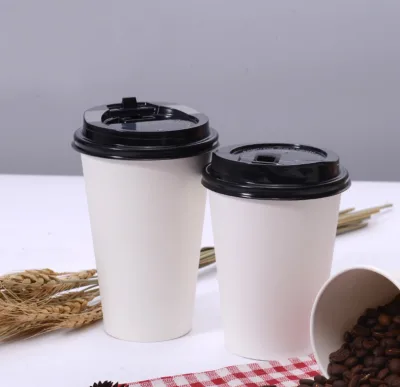
The foundation of sourcing eco-friendly disposable paper cups with lids lies in a precise understanding of material composition and physical specifications. Based on current market observations, the primary material for these products is paper pulp, often categorized specifically as food-grade paper or foil-coated paper. The structural integrity of the cup is frequently defined by its wall construction, with single-wall variants being a common model designation in the supply chain. However, for applications requiring thermal insulation, double-wall constructions are also available, often highlighted in product keywords as "Double Wall Coffee Paper Cup."
The dimensional specifications for these cups are highly customizable to meet diverse operational needs. Observed size ranges include diameters of 50mm, 54mm, 61mm, 68mm, 73mm, 76mm, and 80mm, accommodating various beverage volumes. The capacity of these cups can range from 120ml up to 720ml, allowing for a spectrum of uses from small espresso servings to large takeaway beverages. The shape is predominantly round, designed to fit standard lids and machine dispensers. When sourcing, buyers must verify the specific model numbers associated with these dimensions, such as "Single Wall Paper Cup-#7249" or specific codes like "HDP1295" and "KH-DW-8oz(80)," to ensure the physical attributes match the intended application.
The lid component is equally critical. The product name often references "Disposable Cup Lid Wholesale Cup Cover," indicating that the lid is an integral part of the procurement package. These lids are designed to be compatible with the cup's specific diameter, ensuring a secure seal to prevent spills during transport. The color of both the cup and the lid can be customized, ranging from standard white or natural paper tones to colorful options, depending on the branding requirements of the end user.
Compliance, Certification, and Environmental Attributes
When evaluating eco-friendly claims, buyers must look beyond marketing terminology and examine the specific attributes listed in product data. The core environmental features observed in the supply chain include "Eco-Friendly," "Biodegradable," "Compost," and "Recyclable." These terms suggest that the paper pulp used is derived from renewable resources and that the product is designed to break down under specific conditions. However, the term "Eco-Friendly Disposable" is often paired with "Reusable" in product listings, a distinction that requires careful verification. A product cannot typically be both single-use disposable and durable reusable in the same context; buyers should clarify whether the item is intended for a single service or multiple uses, as this impacts the environmental footprint and the appropriate disposal method.
Regarding standards, the product data indicates that standards are often "Customized" rather than adhering to a single universal code. Some listings reference specific packing standards, such as "50pcs*20bags 1000pcs/ctn," which relates to packaging efficiency rather than material safety. For food contact safety, the material is frequently described as "Food Grade Paper" or "Food Grade Foil Paper." While the supply chain mentions these grades, buyers must verify that the specific supplier holds valid certifications for food safety in their target market, such as FDA compliance for the United States or EU regulations for European markets. The absence of a specific certification number in the general product description means that the buyer must request and validate test reports directly from the manufacturer to ensure the product meets local regulatory requirements for food contact materials.
Cost Drivers and Pricing Dynamics
The pricing structure for eco-friendly paper cups is influenced by several variable factors, primarily material costs, customization levels, and order volume. The observed price range in the market spans from 0 to 900 USD, though this wide range likely reflects the difference between unit pricing for small samples and bulk container loads, or the inclusion of shipping and packaging costs in the total figure. The Minimum Order Quantity (MOQ) is a significant cost driver, with observed ranges extending from 25 units to 200,000 units. Small orders are often accepted, sometimes with free samples provided, but the unit cost will be significantly higher at the lower end of the volume spectrum.
Customization is a primary driver of cost variance. Options such as custom logos, specific printing methods like film printing or offset printing, and unique color requirements add to the production complexity and expense. The "Customized" standard noted in the product data implies that non-standard sizes or shapes will incur additional tooling or setup fees. Furthermore, the type of paper used affects the price; "Foil Coated Paper" may have a different cost structure compared to standard "Paper Pulp" or "Craft Paper." Buyers should anticipate that double-wall cups, which require more material and complex manufacturing processes, will command a higher price point than single-wall variants. Understanding the relationship between the MOQ and the unit price is essential for budgeting, as larger orders typically yield a lower cost per unit but require a higher upfront capital commitment.
Typical Applications and Usage Scenarios
The versatility of eco-friendly disposable paper cups with lids makes them suitable for a wide array of industrial and commercial applications. The product data explicitly lists applications in "Home," "Restaurant," "Bar," "Hotel," and "Wedding" settings. This broad applicability suggests that the cups are designed to handle both casual and formal service environments. The intended usage covers a variety of beverages, including "Cold Drinks," "Beverage," "Milk," "Tea," "Coffee," and "Juice."
For hot beverages, the choice of material becomes critical. While the product features mention "Eco-Friendly Disposable," the specific mention of "Double Wall Coffee Paper Cup" and "Hot Beverages" in the industrial use category indicates that these cups are engineered to withstand heat. The foil coating or the double-wall construction helps maintain the temperature of the drink and protects the user's hands from heat transfer. In contrast, single-wall cups may be more suitable for cold beverages where thermal insulation is less critical. The age demographic for these products is listed as "Adult & Children," implying that the design is generally safe for all consumers, though the lid design should be checked for child safety features if the primary market includes younger demographics.
Supplier Evaluation and Quality Control
Evaluating a supplier for paper cup procurement requires a rigorous assessment of their manufacturing capabilities and quality control processes. The origin of the products is frequently cited as "China," with specific regions like "Fujian" mentioned. While this provides a geographical context, buyers should not assume uniform quality across all suppliers in this region. Instead, they must verify the supplier's ability to maintain consistent quality levels, which are described in the data as "High Level."
Key evaluation criteria include the supplier's flexibility regarding "Customization" and "Custom Order" acceptance. A capable supplier should be able to accommodate specific model numbers and size requirements without compromising the structural integrity of the cup. The packaging method is another critical quality indicator; the data mentions "Carton" packing, with specific configurations like "2000PCS/CTN" or "Export Carton or Customer's Requirements." Buyers should inspect the packaging to ensure it protects the cups from moisture and damage during transit, as paper products are susceptible to humidity.
Quality control should also focus on the printing and finishing processes. Since "Logo Printing" and "Printing Handling" via "Film Printing" or "Offset Printing" are common, buyers must request samples to verify print clarity, color accuracy, and adhesion. The "Sample: Free" or "Provided Freely" attribute suggests that suppliers are willing to provide prototypes, which is an excellent opportunity for buyers to test the product's performance in real-world conditions before committing to a large order.
Long-Term Procurement Considerations
Sourcing eco-friendly paper cups is not merely a transactional activity but a strategic decision that impacts brand reputation and sustainability goals. The long-term viability of the supply chain depends on the supplier's ability to maintain consistent material quality and adhere to evolving environmental standards. As regulations regarding single-use plastics and waste management tighten globally, the "Biodegradable" and "Compost" attributes of these cups become increasingly valuable. Buyers should ensure that their suppliers can provide documentation verifying that the composting claims are valid under standard industrial composting conditions.
Inventory management is another consideration. The "Different Sizes Have Different Carton Size" specification implies that storage requirements will vary based on the product mix. Buyers must plan their warehousing to accommodate various carton dimensions and ensure that the "Export Carton" packaging is robust enough for long-term storage if the supply chain involves longer lead times. Additionally, the "Small Orders: Accepted" feature offers flexibility for businesses to adjust their inventory levels based on seasonal demand fluctuations, reducing the risk of overstocking.
Finally, the relationship with the supplier should be built on clear communication regarding specifications. The "Customized" nature of the product standard means that any changes in design, material, or size must be explicitly documented. Buyers should establish a clear protocol for handling changes in the supply chain, such as shifts in raw material availability or updates to printing technologies. By maintaining a proactive approach to supplier management and quality assurance, buyers can ensure a steady supply of high-quality, eco-friendly paper cups that meet both operational needs and sustainability objectives.
FAQs
What materials are used for eco-friendly disposable paper cups with lid?
The cups are primarily made from paper pulp, food-grade paper, or foil-coated paper. Some variants use craft paper, and the material is selected to ensure food safety and environmental compliance for various beverage types.
Can I order small quantities of eco-friendly disposable paper cups with lid?
Yes, small orders are accepted with a minimum order quantity as low as 25 units. However, larger orders up to 200,000 units are also supported, and free samples are often provided for evaluation before bulk purchasing.
Which sizes are available for eco-friendly disposable paper cups with lid?
Sizes are customizable with diameters ranging from 50mm to 80mm. The capacity typically spans from 120ml to 720ml, allowing selection for specific beverage volumes like coffee, tea, or juice in various applications.
How are eco-friendly disposable paper cups with lid packaged for shipping?
Products are packed in export cartons, often containing 2000 pieces per carton. Carton sizes vary depending on the specific cup dimensions, and packaging can be customized to meet customer requirements for protection during transit.
What customization options exist for eco-friendly disposable paper cups with lid?
Customization is available for color, shape, and logo printing via film or offset printing. Buyers can request specific model numbers and standard sizes, with the option to choose between white, natural, or colorful finishes.
Where are eco-friendly disposable paper cups with lid manufactured?
The products originate from China, with specific manufacturing hubs located in regions like Fujian. Suppliers in these areas offer high-level quality and can accommodate various customization requests for global markets.