Source Eco Friendly Enamel Camping Bowl for Home, Camping, Daily Use
Find 30 verified listings for Eco Friendly Enamel Camping Bowl suitable for home, camping, and daily use. Buyers can compare customization options, sizes, and supplier details to find the right match for their needs.
Key considerations
Products List




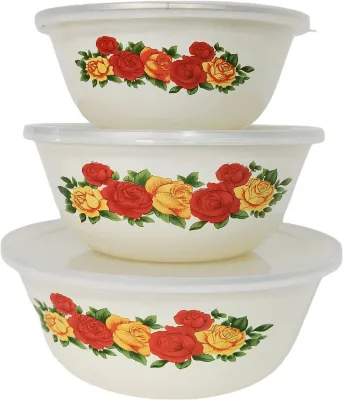
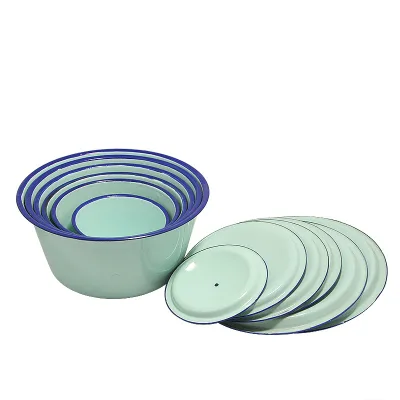
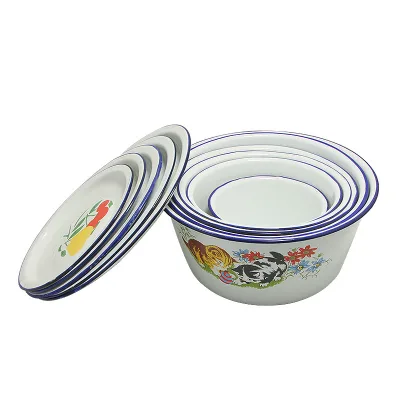
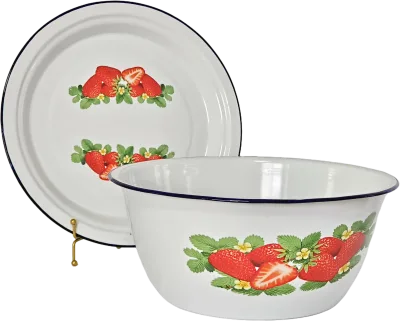


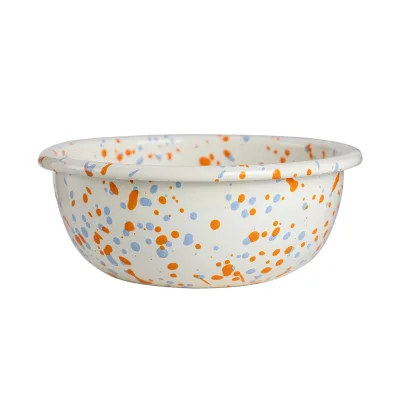


Comprehensive Sourcing Guide
Strategic Sourcing Guide for Eco-Friendly Enamel Camping Bowls
The global shift toward sustainable outdoor gear has elevated the demand for eco-friendly enamel camping bowls, a category that balances durability with environmental responsibility. For B2B procurement professionals, sourcing these items requires a nuanced understanding of material science, supply chain logistics, and regulatory compliance. The enamel coating process, which fuses glass-like porcelain to a metal substrate, offers a robust alternative to single-use plastics and fragile ceramics. This guide outlines the critical factors buyers must evaluate when sourcing these products, ensuring that the final selection aligns with both operational needs and sustainability goals.
Technical Specifications and Material Composition
The foundation of a high-quality enamel camping bowl lies in its material composition and structural integrity. The core substrate is typically metal, often steel or iron, which provides the necessary strength to withstand the rigors of outdoor environments. The defining characteristic of this product is the enamel coating, a vitreous glass layer fused to the metal at high temperatures. This process creates a non-porous surface that is inherently resistant to rust and corrosion, making it ideal for camping applications where exposure to moisture and varying temperatures is common.
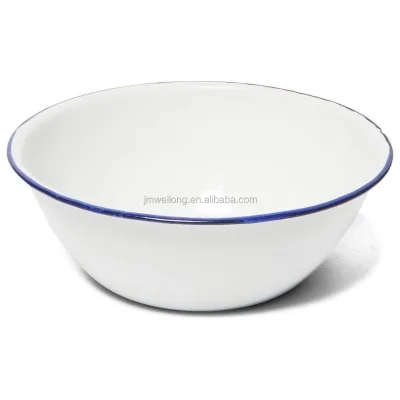
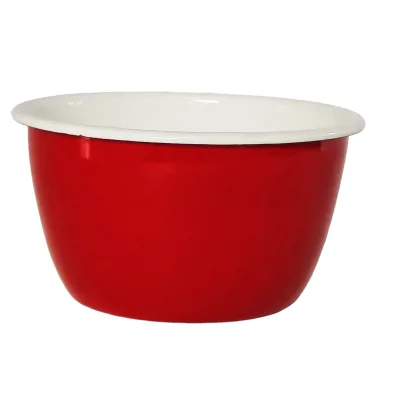
Buyers should verify the specific dimensions and capacity ranges available from suppliers. Market observations indicate that these bowls are frequently manufactured in a variety of diameters, commonly ranging from 10 cm to 24 cm. The sizing is often standardized into increments such as 10, 12, 14, 16, 18, 20, and 24 cm, allowing for versatility in serving different food portions. The interior of the bowl is typically coated with a white enamel finish, which offers a clean aesthetic and ensures that food colors remain distinct, while the exterior can be customized with various colors or printed designs.
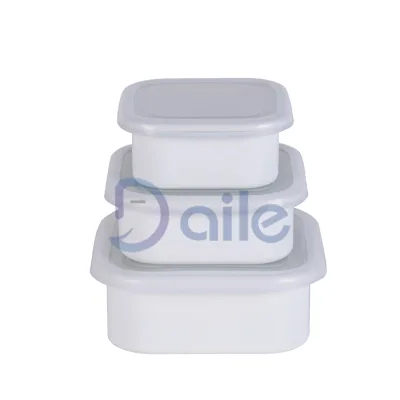
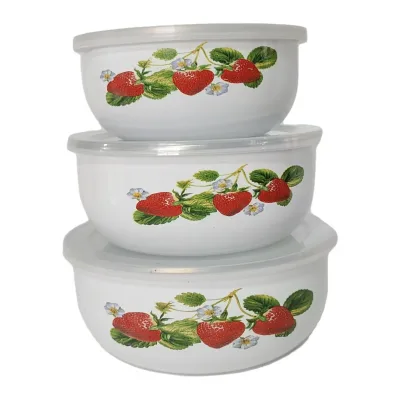
The structural design often includes specific accessories to enhance functionality. Many units are supplied with handles, which are essential for handling hot contents during outdoor cooking or serving. Additionally, some models feature covers or lids, transforming the bowl into a storage vessel for leftovers or dry goods. The packaging is a critical technical consideration; products are often shipped in individual OPP bags or color boxes, depending on the buyer's requirement. The "Simple" or "Minimalist" style is prevalent, focusing on clean lines and functional aesthetics rather than ornate decoration, though "Fancy" printed options are also available for branding purposes.
Compliance, Certification, and Food Safety Standards
When sourcing food-contact items, compliance with international safety standards is non-negotiable. The enamel coating must be free from heavy metals such as lead and cadmium, which can leach into food if the manufacturing process is substandard. Buyers must explicitly request documentation verifying that the products meet rigorous food safety standards. In the context of the European market, certifications such as CE, EU, and LFGB are critical indicators of compliance. The LFGB (German Food and Feed Code) is particularly stringent regarding the migration of substances from food contact materials into food simulants.
The "Eco-Friendly" attribute often cited by suppliers is a significant selling point, but it must be substantiated. True eco-friendliness in this context implies that the product is durable and reusable, thereby reducing the carbon footprint associated with disposable alternatives. The production process itself should be evaluated for energy efficiency and waste management, although specific factory-level data is rarely public. Buyers should verify that the "Color Enamel" technique used does not involve hazardous solvents or heavy metal pigments.
It is essential to distinguish between marketing claims and verified certifications. While some suppliers may list "Eco-Friendly" as a primary feature, the actual safety of the product depends on the specific batch testing and adherence to standards like LFGB. Procurement teams should insist on test reports from accredited third-party laboratories that confirm the absence of harmful substances. The "Food Contact Safe" description provided in product listings is a necessary baseline, but it should be backed by concrete certification documents rather than being accepted as a standalone claim.
Cost Drivers and Pricing Dynamics
The pricing of enamel camping bowls is influenced by several variable factors, creating a wide range in the market. Observed price points can vary significantly, ranging from approximately $0.32 to $15.70 per unit, depending on the complexity of the design, the size of the bowl, and the volume of the order. The primary cost driver is the customization level. Standard, uncolored, or simple white bowls are generally more affordable, while custom colors, printed logos, and unique shapes command a premium.
The Minimum Order Quantity (MOQ) is another critical determinant of unit cost. Suppliers often offer tiered pricing structures where the per-unit cost decreases as the order volume increases. The observed MOQ range spans from as low as 1 piece for samples to over 16,920 pieces for bulk industrial orders. For buyers seeking to test the market, the availability of free samples is a valuable asset, allowing for physical inspection of the enamel quality and coating adhesion before committing to a large purchase.
Packaging requirements also impact the final cost. While standard packaging in OPP bags is cost-effective, custom color boxes or specialized packaging designed for retail display will increase the unit price. Additionally, the origin of the product plays a role; products originating from manufacturing hubs in China, particularly regions like Zhejiang, benefit from established supply chains and economies of scale, which can help keep costs competitive. However, logistics costs, including shipping and tariffs, must be factored into the total landed cost calculation.
Typical Applications and Usage Scenarios
Enamel camping bowls are designed for a broad spectrum of applications, extending beyond their primary use in outdoor recreation. The "Daily Use" attribute indicates that these bowls are robust enough for everyday household cooking and serving. Their resistance to thermal shock makes them suitable for direct heat applications, such as cooking over a campfire or stovetop, provided the handle remains cool to the touch. The "Camping" application is a primary use case, where the durability of the enamel coating protects against drops and rough handling in outdoor settings.
The versatility of these bowls allows them to serve as storage containers for dry goods like grains, nuts, or spices in a home setting. The availability of lids and covers enhances their utility as storage solutions, keeping contents fresh and protected from pests. The "Home" application is further supported by the aesthetic options available, including "Multicolor" and "Customized Color" finishes that can match various interior design themes.
For B2B buyers, the "Camping" and "Home" applications suggest a dual-market strategy. Products can be marketed to outdoor enthusiasts who prioritize durability and eco-friendliness, as well as to retail consumers looking for sustainable kitchenware. The "Minimalist" and "Simple" styles appeal to modern consumers who prefer functional design, while "Fancy" printed options cater to gift markets or promotional merchandise. The non-disposable nature of the product aligns with the growing consumer preference for sustainable alternatives to plastic and paper goods.
Supplier Evaluation and Quality Control
Selecting the right supplier requires a rigorous evaluation process that goes beyond price comparisons. Buyers should assess the supplier's production capabilities, specifically their experience with the "Color Enamel" technique. The quality of the enamel coating is paramount; it must be smooth, free of bubbles, and firmly adhered to the metal substrate. Any chipping or cracking during the firing process can compromise the food safety and durability of the product.
Quality control protocols should be a central part of the supplier selection criteria. Buyers must verify that the supplier conducts regular inspections at various stages of production, including raw material intake, the enamel coating process, and final packaging. The "Customized" nature of many orders requires strict adherence to the buyer's specifications regarding color, size, and logo placement. The availability of a "Free Sample" is a crucial step in this process, allowing the buyer to physically test the product for weight, balance, and coating integrity.
When evaluating suppliers, look for those who offer OEM (Original Equipment Manufacturer) services, allowing for the customization of branding and design. The "Daile" brand and similar OEM capabilities indicate a supplier's flexibility in meeting specific client needs. However, buyers should not rely solely on brand names; instead, they should request references and case studies from other clients in the camping or kitchenware sectors. The ability to meet the "10-12-14-16-18CM" or "14-16-18-20-24CM" standard sizes without compromising quality is a key indicator of manufacturing maturity.
Long-Term Procurement Considerations
Sourcing enamel camping bowls is not just a transactional activity but a strategic decision that impacts long-term brand reputation and supply chain resilience. The "Eco-Friendly" positioning of these products offers a competitive advantage in a market increasingly driven by sustainability. However, maintaining this advantage requires consistent quality control and reliable supply chain partnerships. Buyers should establish long-term contracts with suppliers who demonstrate a commitment to continuous improvement and adherence to safety standards.
The customization options, such as "Optional Decal" and "Customized Color," provide opportunities for brand differentiation. However, these customizations must be executed with precision to avoid defects that could lead to product returns or customer dissatisfaction. The "Single item" selling unit suggests that the product is often sold individually, which may influence packaging and logistics strategies. Buyers should consider the scalability of the supplier's operations to ensure they can meet demand fluctuations without compromising quality or delivery timelines.
Finally, the "Non-Disposable" nature of the product aligns with global trends toward circular economy principles. Procurement teams should prioritize suppliers who are transparent about their manufacturing processes and environmental impact. By focusing on durable, high-quality enamel bowls, buyers can contribute to a reduction in waste while offering customers a reliable and sustainable product. The combination of technical excellence, regulatory compliance, and strategic supplier relationships will define the success of any procurement initiative in this sector.
Comparative Analysis of Product Attributes
To facilitate decision-making, the following table summarizes key attributes observed in the market for eco-friendly enamel camping bowls. This comparison highlights the variability in specifications and features that buyers should consider when evaluating potential suppliers.
| Attribute Category | Common Observations | Strategic Consideration |
|---|---|---|
| Material | Metal substrate with Enamel coating | Verify metal type and enamel thickness for durability. |
| Sizes | 10/12/14/16/18CM or 14-24CM range | Match size range to target market needs (camping vs. home). |
| Accessories | With Handle, With Cover (optional) | Handle design is critical for safety; covers add storage value. |
| Color/Design | Multicolor, Customized, White Interior | Custom colors require higher MOQs; white interior is standard. |
| Certifications | CE, EU, LFGB (Food Contact Safe) | Mandatory for European markets; verify test reports. |
| Packaging | Color Box, OPP Bag, Custom Requirement | Custom packaging increases cost but aids retail presentation. |
| Customization | Logo, Decal, Color, Size (OEM) | Essential for branding; ensure supplier has proven OEM experience. |
| Origin | China (e.g., Zhejiang) | Leverage established supply chains but verify logistics capabilities. |
This structured approach to sourcing ensures that buyers can navigate the complexities of the enamel camping bowl market effectively, balancing cost, quality, and sustainability to meet their specific business objectives.
FAQs
What certifications ensure food safety for these bowls?
These bowls typically carry CE, EU, and LFGB certifications to ensure food contact safety. The LFGB standard is particularly strict regarding heavy metal migration, verifying the enamel coating is free from harmful substances like lead and cadmium for safe daily use.
How can I customize the color and logo on the bowls?
Customized colors and optional decals are available for these enamel storage bowls. Buyers can request specific color schemes or printed designs, with the option to add a customized logo, though this may affect the minimum order quantity and unit pricing.
What is the typical price range for bulk orders?
The observed price range for these products spans from 0.32 to 15.7 USD per unit. Costs vary significantly based on the bowl size, customization level, and order volume, with lower prices generally available for larger quantities meeting the minimum order requirements.
Which sizes are available for the enamel camping bowls?
The bowls are available in multiple diameters ranging from 10 cm to 24 cm. Specific standard sizes include 10, 12, 14, 16, 18, 20, and 24 cm, allowing buyers to select dimensions suitable for various camping portions or home storage needs.
Can I get a free sample before placing a large order?
Yes, free samples are available for potential buyers to inspect product quality. This allows verification of the enamel coating adhesion, weight, and overall durability before committing to a bulk purchase that may require a minimum order quantity of up to 16,920 pieces.
What material is used for the core of these bowls?
The core substrate is made of metal, typically steel or iron, providing structural strength. This metal base is fused with a vitreous enamel coating, creating a non-porous, rust-resistant surface ideal for outdoor camping and daily household cooking applications.
How are the bowls packaged for shipping?
Products are typically packaged in individual OPP bags or color boxes depending on requirements. The standard packaging ensures protection during transit, while custom packaging options can be arranged to meet specific retail display needs or branding guidelines for the buyer.