Source Eco Friendly Espresso Tamper and Knock Box Set for cafes, bars, and home kitchens
Explore 30 listings for the Eco Friendly Espresso Tamper and Knock Box Set, comparing options made from metal, wood, stainless steel, and ABS. Buyers can evaluate customization, packaging, and lead times for coffee shops and businesses.
Key considerations
Products List


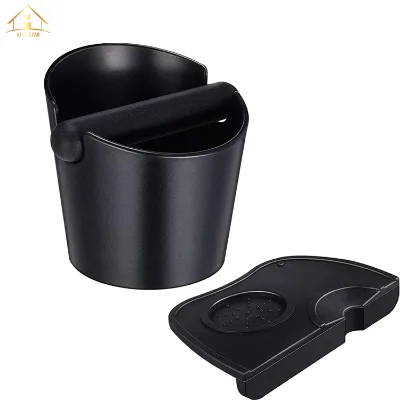
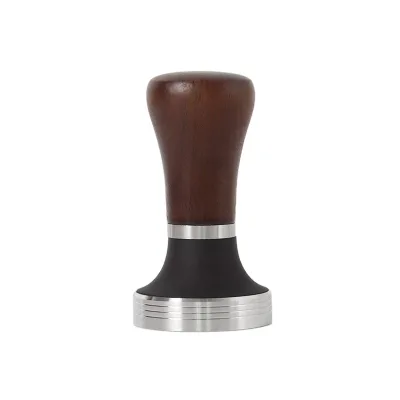


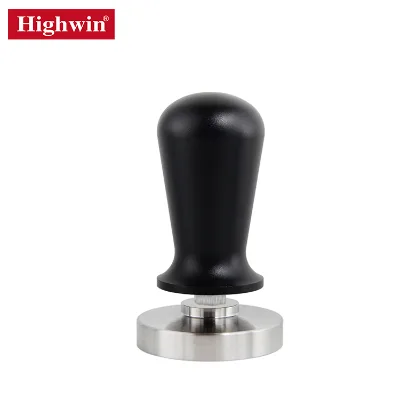
Stainless Steel Base Aluminum Handle Espresso Tamper for Coffee Set Machine
$3.80 - $3.90
MOQ: 100 Pieces

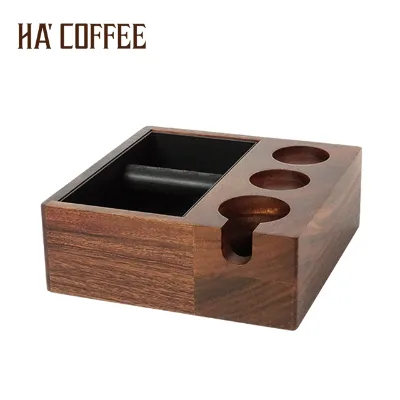
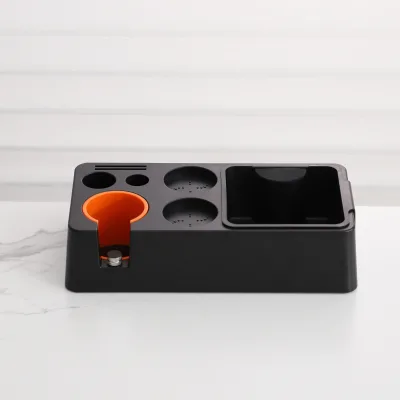
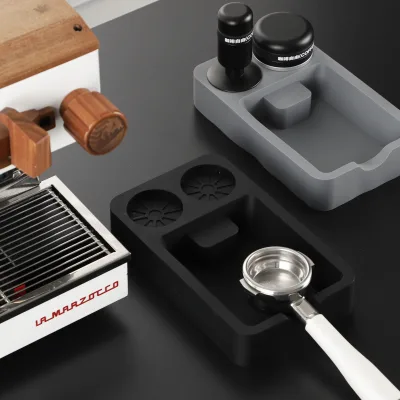


W Ecocoffee Stainless Steel & Wood Coffee Knock Box Espresso Coffee Tools
$13.99 - $14.99
MOQ: 2 Pieces




Comprehensive Sourcing Guide
Strategic Sourcing Guide for Eco-Friendly Espresso Tamper and Knock Box Sets
Understanding the Product Ecosystem and Material Composition
Sourcing an eco-friendly espresso tamper and knock box set requires a nuanced understanding of the distinct material requirements for each component within the set. The espresso tamper is the primary tool for compressing coffee grounds, demanding high density and durability, while the knock box serves as the receptacle for spent coffee pucks, requiring robust construction to withstand daily impact and frequent cleaning. Based on current market observations, the material landscape for these items is diverse, ranging from traditional metals to modern composites and sustainable alternatives.
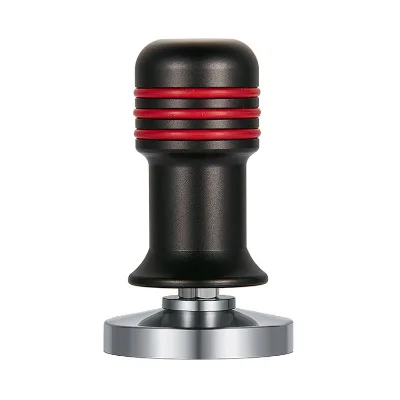
For the tamper component, the supply chain frequently features stainless steel and metal alloys as the dominant materials. Specific product data indicates the availability of models constructed from stainless steel, often paired with wood handles to provide ergonomic grip and thermal insulation. This combination of wood and stainless steel aligns well with the "eco-friendly" attribute often sought by buyers, as wood is a renewable resource compared to pure plastic or aluminum. Conversely, some listings highlight products made entirely of metal or utilizing ABS plastic, which offers a lighter alternative but may require closer scrutiny regarding its sustainability profile. The knock box, on the other hand, appears in various forms, including silicone mats designed to reduce noise and protect surfaces, as well as units constructed from plastic or metal. The presence of silicone components in the "knock box" category suggests a trend toward noise reduction and surface protection, which are critical for busy commercial environments.
When evaluating the "eco-friendly" claim, buyers must look beyond marketing terminology and examine the specific material composition. A product labeled as eco-friendly might utilize recycled materials, biodegradable packaging, or sustainable sourcing practices for its wood components. The observed data confirms that customization is available, allowing buyers to potentially specify materials that align with their specific sustainability goals. However, the presence of ABS plastic and standard metal options in the same search results indicates that "eco-friendly" is not a universal standard for all listed products. Therefore, the initial step in sourcing is to filter for specific material claims, such as "wood+Stainless steel" or "Metal," and verify the source of these materials with the supplier.
Technical Specifications and Functional Performance
The technical specifications of an espresso tamper and knock box set are critical for ensuring compatibility with existing coffee equipment and meeting the demands of professional baristas. The most significant specification for a tamper is its diameter, which must match the portafilter basket size to ensure even extraction. Market data reveals a standard range of diameters including 51mm, 53mm, and 58mm. These dimensions correspond to common commercial and home espresso machine standards. A 58mm tamper is widely considered the industry standard for commercial machines, while 51mm and 53mm are often found in specific European or home-use contexts. Buyers must verify that the selected set includes the correct size for their specific machine to avoid extraction issues such as channeling or uneven tamping.
Beyond diameter, the physical dimensions and weight of the tools influence the user experience. The weight of a tamper affects the force required to compress the coffee grounds. Observed data lists a specific weight of 332g per piece for certain models, which provides a solid, consistent feel for the barista. For the knock box, the single package size is a vital logistical consideration. Listings indicate dimensions such as 13x12x14 cm for certain units, while others may be smaller or larger depending on capacity. The capacity of the knock box must be sufficient to handle the volume of pucks generated during peak hours without requiring constant emptying.
Functionality extends to the design features that enhance usability. The "eco-friendly" aspect often manifests in design choices that reduce waste or energy consumption. For instance, silicone mats integrated into knock box designs can reduce the noise of coffee pucks hitting the metal surface, creating a quieter workspace. Additionally, the "knock box" type is explicitly noted in the data, confirming the existence of specialized tools designed for this purpose. The "American Style" mentioned in some product attributes suggests a specific aesthetic and functional design, which may include larger capacities or specific handle placements. Buyers should also consider the "use way" of the product, ensuring it is compatible with the intended workflow, whether for houseware, business gifts, or professional kitchenware.
Compliance, Certification, and Sustainability Verification
In the B2B procurement of eco-friendly kitchenware, verifying compliance and certification is essential to validate sustainability claims. While the provided data does not list specific certification bodies or standard numbers beyond the dimensional standards (51mm, 53mm, 58mm), buyers must proactively request documentation to confirm the environmental integrity of the products. The "eco-friendly" attribute is a key selling point, but without third-party verification, it remains a manufacturer's assertion.
Buyers should inquire about food safety certifications, particularly for products that come into direct contact with consumables like coffee. For metal components, compliance with food-grade stainless steel standards is mandatory to prevent corrosion and contamination. For wooden handles, buyers should verify that the wood is treated with non-toxic finishes and sourced from sustainable forests. The presence of ABS plastic or silicone in knock boxes requires confirmation that these materials are food-safe and free from harmful chemicals like BPA.
The "customized" nature of the products offers an opportunity to embed compliance requirements directly into the order. Suppliers indicate that customization is available, which can include specifying the type of metal, the grade of wood, or the composition of the plastic. This flexibility allows buyers to mandate the use of recycled materials or specific eco-friendly manufacturing processes. However, the absence of explicit certification data in the general product listings means that the burden of verification falls on the buyer. It is advisable to request test reports or certificates of analysis for the materials used, especially for the "Eco-Friendly" claim.
Furthermore, the packaging standards play a role in the overall sustainability profile. The data mentions "Carton" and "Color Box" as packing options. Buyers should evaluate the recyclability of these packaging materials and request that suppliers minimize plastic use in the packaging. The "Single package size" and "Single gross weight" data points are useful for calculating the carbon footprint of shipping, which is a growing concern in B2B procurement. By selecting suppliers who use optimized packaging and sustainable materials, buyers can align their procurement strategy with corporate sustainability goals.
Cost Drivers and Pricing Dynamics
The pricing of eco-friendly espresso tamper and knock box sets is influenced by a complex interplay of material costs, manufacturing complexity, and order volume. The observed price range in the market spans from $1.73 to $139, a significant variance that reflects differences in material quality, brand positioning, and customization levels. The lower end of the spectrum likely corresponds to basic metal or plastic models with minimal finishing, while the higher end may include premium wood and stainless steel combinations, custom branding, or specialized eco-friendly certifications.
Material costs are a primary driver of price. Stainless steel and high-grade wood are generally more expensive than ABS plastic or standard metal alloys. The specific combination of "wood+Stainless steel" observed in the data suggests a mid-to-high price point due to the labor-intensive nature of joining these materials and the cost of sourcing quality wood. Additionally, the inclusion of silicone components for noise reduction in knock boxes can add to the manufacturing cost.
Order volume, represented by the Minimum Order Quantity (MOQ), is another critical factor. The observed MOQ range is 1 to 500 units, with specific listings showing MOQs of 50 or 100 pieces. Higher MOQs typically result in lower unit costs due to economies of scale. Buyers looking to secure the best price should consider consolidating orders to meet higher MOQ thresholds. However, the availability of low MOQ options (down to 1 piece) allows for smaller purchases, which may be necessary for testing the market or for smaller businesses.
Customization is a significant cost driver. The data confirms that customization is available, which can include logo printing, color variations, and material selection. Customized orders often incur additional setup fees and higher per-unit costs compared to standard stock items. Buyers must balance the desire for a unique, branded product with the budget constraints of the project. The "Selling Units" being listed as "Single item" indicates that the pricing is often per unit, but bulk discounts may apply based on the total order value.
Supplier Evaluation and Operational Capabilities
Selecting the right supplier is crucial for ensuring consistent quality and reliable delivery. The data indicates that the primary place of origin for these products is China, with specific mentions of Guangdong as a manufacturing hub. This region is known for its robust manufacturing infrastructure and expertise in metalworking and plastic molding. However, buyers must conduct thorough due diligence to ensure the supplier meets their specific requirements for quality and sustainability.
Key evaluation criteria should include the supplier's ability to provide customization, their production capacity, and their lead times. The observed lead time is 15 days, which is a standard timeframe for many manufacturing processes. Buyers should verify if this lead time is consistent and whether it can be expedited if necessary. The availability of samples is also a critical factor; the data confirms that samples are available, allowing buyers to physically inspect the product quality before committing to a large order.
Supplier reliability can be assessed by reviewing their payment terms and communication responsiveness. The data lists "T/T" (Telegraphic Transfer) as a payment term, which is a common practice in international trade. Buyers should ensure that the payment terms are clear and that the supplier has a history of honoring orders. Additionally, the "Business Services" feature mentioned in the product attributes suggests that some suppliers offer value-added services such as design support or logistics assistance.
When evaluating suppliers, buyers should also consider their commitment to sustainability. While the general data does not specify individual supplier certifications, buyers can ask suppliers about their environmental policies, waste management practices, and sourcing strategies. A supplier that is transparent about their supply chain and willing to provide documentation on material origins is more likely to be a reliable partner for eco-friendly procurement.
Quality Control and Long-Term Procurement Strategy
Implementing a robust quality control (QC) strategy is essential for maintaining the integrity of the eco-friendly espresso tamper and knock box sets. Given the diverse materials involved, QC should focus on material verification, dimensional accuracy, and functional performance. For metal components, buyers should request tests for corrosion resistance and hardness. For wooden handles, checks for structural integrity and finish quality are necessary to ensure they do not splinter or degrade over time.
Dimensional accuracy is particularly important for the tamper diameter. A mismatch between the tamper size and the portafilter can lead to poor extraction and wasted coffee. Buyers should verify that the supplier adheres to the standard sizes of 51mm, 53mm, and 58mm and that the tolerances are within acceptable limits. For knock boxes, the capacity and structural strength should be tested to ensure they can withstand the impact of coffee pucks without cracking or deforming.
Long-term procurement considerations involve building a sustainable supply chain that can adapt to changing market demands. Buyers should establish clear communication channels with suppliers to discuss future product improvements and sustainability initiatives. The availability of customization allows for continuous product refinement, enabling buyers to introduce new eco-friendly features as technology advances. Additionally, maintaining a relationship with a reliable supplier can help mitigate risks associated with supply chain disruptions and ensure consistent product availability.
In conclusion, sourcing an eco-friendly espresso tamper and knock box set requires a comprehensive approach that balances technical specifications, material sustainability, cost efficiency, and supplier reliability. By carefully evaluating the available options and verifying claims through rigorous testing and documentation, buyers can build a supply chain that supports both their operational needs and their environmental goals. The observed data provides a solid foundation for understanding the market landscape, but the ultimate success of the procurement effort depends on the buyer's diligence in selecting the right partners and products.
FAQs
What materials are used for eco friendly espresso tamper and knock box sets?
Materials include stainless steel, wood, metal, and ABS plastic. Some sets combine wood and stainless steel for durability, while others use plastic or silicone mats for noise reduction and surface protection in commercial environments.
Which tamper sizes are available for espresso machines?
Standard sizes include 51mm, 53mm, and 58mm diameters. These dimensions match common commercial and home espresso machine portafilter baskets to ensure even extraction and prevent channeling during the brewing process.
Can I customize the Eco Friendly Espresso Tamper and Knock Box Set?
Yes, customization is available for branding, colors, and material selection. Buyers can specify details like logo printing or specific material grades to align with sustainability goals and brand identity requirements.
How long is the lead time for manufacturing these sets?
The standard lead time is 15 days for production. This timeframe applies to standard orders, though expedited options may vary depending on the supplier's current capacity and specific customization requirements.
What is the minimum order quantity for these products?
Minimum order quantities range from 1 to 500 pieces depending on the supplier. Specific listings show MOQs of 50 or 100 pieces, allowing flexibility for both small testing orders and large bulk purchases.
Where are these products manufactured?
Products originate from China, with specific manufacturing hubs in Guangdong. This region offers robust infrastructure for metalworking and plastic molding, ensuring consistent quality and production capacity for international buyers.
What packaging options are available for these sets?
Packaging options include cartons and color boxes. Buyers should verify the recyclability of these materials and request minimal plastic use to align with corporate sustainability goals and reduce the shipping carbon footprint.