Source Eco-Friendly Lettuce Hem Skirt and Leggings Set for yoga, gym, and daily wear
Compare 30 listings for Eco-Friendly Lettuce Hem Skirt and Leggings Set options featuring polyester and nylon blends. Buyers can review sizes from S to XL, solid patterns, and quick-dry features from suppliers in Zhejiang, China.
Key considerations
Products List

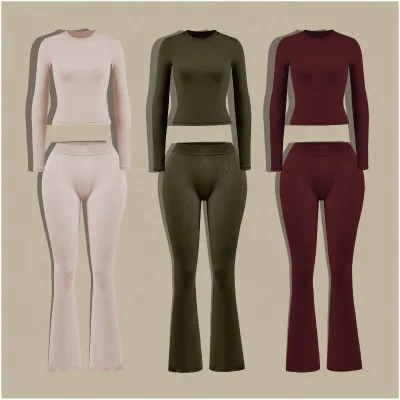

Breathable Quick Dry Halter Top and Cropped Leggings Yoga Set for Outdoor Sports
$14.00 - $16.00
MOQ: 10 Pieces


Soft and Fresh Green Floral Halter Dress Two-Piece Set of Skirts
$15.80 - $18.80
MOQ: 100 Coat + Dress

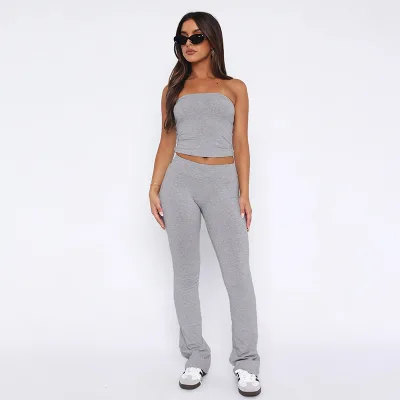


Comprehensive Sourcing Guide
Strategic Sourcing Guide for Eco-Friendly Lettuce Hem Skirt and Leggings Sets
The global demand for sustainable activewear and casual wear has driven a significant shift in how procurement professionals evaluate suppliers for items like eco-friendly lettuce hem skirt and leggings sets. While the core keyword suggests a specific aesthetic and material composition, the reality of B2B sourcing requires a rigorous examination of product attributes, supply chain transparency, and technical compliance. Buyers must navigate a complex landscape where marketing claims often outpace verifiable data. This guide provides a structured approach to sourcing these specific garment sets, focusing on evidence-based decision-making rather than unverified assertions. The primary objective is to ensure that the final product meets both functional requirements and ethical standards while maintaining cost efficiency and supply chain reliability.
Technical Specifications and Material Composition
Understanding the technical specifications of a lettuce hem skirt and leggings set is the first step in the sourcing process. The term "lettuce hem" refers to a specific finishing technique where the fabric edge is stretched and shrunk to create a ruffled, textured look, often associated with casual wear and activewear. When sourcing these items, buyers must verify the material composition, as this directly impacts durability, comfort, and the validity of "eco-friendly" claims.
Based on observed industry data for similar products, common material blends include Polyester and Nylon, or Spandex and Polyester. These blends are selected for their elasticity and quick-drying properties. For instance, a typical fabric weight for such sets might range around 240 grams, which provides sufficient opacity and structure for leggings while maintaining breathability. The fabric type is often knitted or knitted with specific weaving methods to ensure the necessary stretch. Buyers should request detailed fabric swatches to confirm the fiber content and verify if the "eco-friendly" designation refers to recycled polyester, organic cotton blends, or specific dyeing processes.
The construction of the set is equally critical. A standard offering might be a two-piece set, comprising a skirt and leggings, or a single item depending on the supplier's catalog. The fit type is often described as "skinny" or "high-waist," which are popular silhouettes for this category. The collar style, typically an O-neck for tops paired with the set, and the sleeve length, which can vary from short to full, must align with the intended market segment. For example, a set designed for daily wear or casual use may prioritize comfort and flexibility, whereas a formal variation might require stricter tailoring.
| Attribute Category | Common Observation | Verification Requirement |
|---|---|---|
| Material Blend | Polyester/Nylon or Spandex/Polyester | Request mill certificates for fiber content and recycled percentage. |
| Fabric Weight | Approx. 240 grams | Verify GSM (grams per square meter) for opacity and drape. |
| Fabric Type | Knitted / Knitting | Inspect for stitch density and recovery rate after stretching. |
| Fit Type | Skinny / High Waist | Confirm pattern grading and size consistency across S-XL ranges. |
| Hem Style | Lettuce / Ruffled | Check for consistent tension and durability of the hem finish. |
| Color Options | White, Black, Pink, Red, Blue, Green, Purple, Brown | Verify color fastness and dye lot consistency for bulk orders. |
Compliance and Certification Verification
The "eco-friendly" label is a significant driver for consumer interest but is also a source of confusion and potential greenwashing in the B2B sector. Procurement professionals must treat this claim with skepticism until supported by tangible evidence. While some background data may reference certifications like GOTS (Global Organic Textile Standard), the presence of such a certification cannot be assumed for every listed product without direct verification.
Buyers should explicitly request current, valid certification documents from the supplier. These documents must be traceable to the specific factory or mill producing the fabric and the garment assembly. It is crucial to understand that a supplier may offer ODM (Original Design Manufacturing) or OEM (Original Equipment Manufacturing) services, which allows for customization, but this does not automatically confer eco-friendly status. The supply chain must be transparent from raw material sourcing to final assembly.
Key areas to verify include the source of the fibers. If the product claims to use recycled materials, the supplier should provide a chain of custody document. If the claim involves organic materials, the GOTS certification or equivalent must cover the entire production process, including dyeing and finishing. Additionally, buyers should inquire about the "needle detection" process, which is a standard safety requirement in many markets to ensure no metal fragments remain in the finished garment. While some product listings indicate "Needle detection: Yes," this is a quality control measure rather than an environmental certification, yet it reflects a commitment to safety standards.
Cost Drivers and Pricing Structures
The pricing of eco-friendly lettuce hem skirt and leggings sets is influenced by several dynamic factors. The observed price range for similar products can vary significantly, often falling between $0.99 and $30.00 USD, depending on the complexity of the design, the quality of materials, and the order volume. The "low-cost" end of the spectrum typically involves standard synthetic blends with minimal processing, while the higher end reflects premium materials, complex finishing techniques like lettuce hems, and verified sustainable certifications.
Minimum Order Quantity (MOQ) is a critical cost driver. In the current market, MOQs for these sets can range from 1 piece to 1,200 pieces. A lower MOQ allows for smaller, more agile orders but often comes with a higher unit cost. Conversely, larger orders can leverage economies of scale to reduce the per-unit price. Buyers must balance their inventory needs with cash flow constraints. The payment terms, which may include T/T, Western Union, PayPal, or Money Gram, also impact the financial risk and liquidity of the transaction.
Lead times are another significant component of the total cost of ownership. Sample lead times are typically around 6 to 9 days, while production delivery times can range from 5 to 9 working days for standard orders. However, these figures are highly variable and depend on the supplier's capacity and the complexity of the design. Delays in production can lead to missed market windows, particularly for seasonal collections. Therefore, buyers should factor in potential buffer time when planning their procurement schedules.
Typical Applications and Market Segmentation
The versatility of lettuce hem skirt and leggings sets makes them suitable for a wide range of applications. The primary market segment is casual wear, where the comfort and aesthetic appeal of the ruffled hem are highly valued. These sets are often marketed for daily wear, yoga, and light athletic activities. The "quick dry," "anti-pilling," and "breathable" features observed in product attributes align well with active lifestyles, making them ideal for warm climates or high-intensity activities.
However, the application extends beyond just activewear. The design flexibility allows for adaptation into formal or semi-formal contexts, depending on the fabric choice and styling. For instance, a set with a higher fabric weight and a more structured fit might be suitable for evening casual events. The color palette, which often includes a wide array of options from neutral tones like white and black to vibrant shades like pink, red, and purple, allows buyers to target diverse demographic segments.
The "one set" packaging type suggests that these items are often sold as coordinated outfits, which is a popular trend in modern fashion retail. This bundling strategy can increase the average order value and simplify the purchasing process for end consumers. Buyers should consider the target demographic's preferences when selecting specific styles. For example, a "skinny" fit with a "high waist" is generally preferred by younger demographics, while a more relaxed fit might appeal to a broader age range.
Supplier Evaluation and Operational Capabilities
Selecting the right supplier is paramount to the success of any procurement project. When evaluating potential partners for eco-friendly lettuce hem skirt and leggings sets, buyers should look beyond the basic product listing. The supplier's ability to handle ODM and OEM services is a strong indicator of their flexibility and technical capability. A supplier that accepts logo customization and offers design services can help brands differentiate their products in a crowded market.
Key operational metrics to assess include the sample availability and lead time. A supplier that supports a 7-day sample order lead time demonstrates efficiency and responsiveness. This is crucial for rapid prototyping and market testing. Additionally, the shipping methods offered, such as Express or Sea freight, provide flexibility in logistics planning. Buyers should evaluate the supplier's capacity to handle different shipping volumes and their experience with international logistics.
The location of the supplier is also a factor. Many of these products originate from regions like Zhejiang, China, which is a major hub for textile manufacturing. However, buyers should verify the specific factory location to assess the local regulatory environment and labor standards. The "Place of Origin" should be clearly stated and verified to ensure it aligns with the buyer's ethical sourcing policies. Furthermore, the supplier's track record in handling specific product types, such as "Tops Length: Short" or "Tops Length: Full," indicates their expertise in the relevant garment categories.
Quality Control and Long-Term Procurement Strategy
Quality control is the backbone of a successful B2B relationship. For lettuce hem skirt and leggings sets, specific quality checks are necessary to ensure the product meets expectations. The "lettuce hem" finish must be consistent across all units, with no uneven stretching or fraying. The fabric weight and composition must match the agreed-upon specifications to prevent issues with transparency or durability.
Buyers should implement a rigorous inspection protocol that includes pre-production, during-production, and pre-shipment inspections. The "needle detection" feature mentioned in some product attributes is a good starting point, but it should be part of a broader quality assurance plan. This plan should also cover color fastness, seam strength, and the integrity of the elastic components in the leggings.
For long-term procurement, building a strategic partnership with a reliable supplier is essential. This involves clear communication of requirements, regular performance reviews, and a commitment to continuous improvement. Buyers should maintain a diversified supplier base to mitigate risks associated with supply chain disruptions. Additionally, staying informed about industry trends and regulatory changes will help buyers adapt their sourcing strategies proactively. By focusing on verified data and transparent practices, buyers can ensure a steady supply of high-quality, eco-friendly products that meet the evolving demands of the global market.
In conclusion, sourcing eco-friendly lettuce hem skirt and leggings sets requires a meticulous approach that balances technical specifications, compliance verification, cost management, and supplier evaluation. By adhering to the principles outlined in this guide, procurement professionals can navigate the complexities of the market and secure products that deliver value to their end consumers while upholding ethical and quality standards. The journey from raw material to finished product is a collaborative effort that demands vigilance, transparency, and a commitment to excellence at every stage.
FAQs
What materials are used for the Eco-Friendly Lettuce Hem Skirt and Leggings Set?
The set typically uses Polyester/Nylon or Spandex/Polyester blends. These materials provide elasticity and quick-dry properties suitable for casual wear and activewear applications.
Can I customize the logo on the Eco-Friendly Lettuce Hem Skirt and Leggings Set?
Yes, logo customization is accepted for this product. Suppliers offer ODM and OEM services to accommodate specific branding requirements for bulk orders.
What is the minimum order quantity for the Eco-Friendly Lettuce Hem Skirt and Leggings Set?
The minimum order quantity starts at 1 piece. This low MOQ allows for small batch testing before committing to larger production runs.
How long does it take to receive samples of the Eco-Friendly Lettuce Hem Skirt and Leggings Set?
Sample orders are supported with a lead time of 6 to 9 days. This allows buyers to verify quality and fit before placing a full order.
Which sizes are available for the Eco-Friendly Lettuce Hem Skirt and Leggings Set?
Available sizes range from XS to XL. The product fits various body types and is designed for a skinny or high-waist silhouette.
Where is the Eco-Friendly Lettuce Hem Skirt and Leggings Set manufactured?
The product originates from Zhejiang, China. This region is a known hub for textile manufacturing and offers various shipping options including express or sea freight.