Source Eco-Friendly Leather Shin Guards for soccer, football, and protection
Find 30 verified listings for Eco-Friendly Leather Shin Guards suitable for soccer, football, and general protection. Buyers can compare specifications like material, size, and customization options from multiple Chinese manufacturers to select the right gear.
Key considerations
Products List


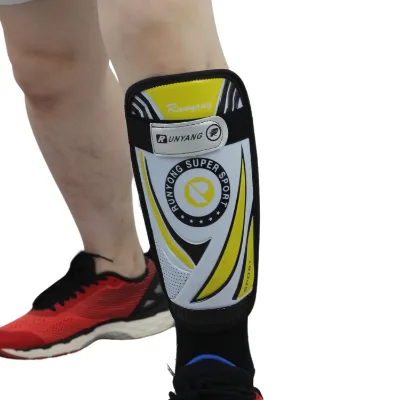
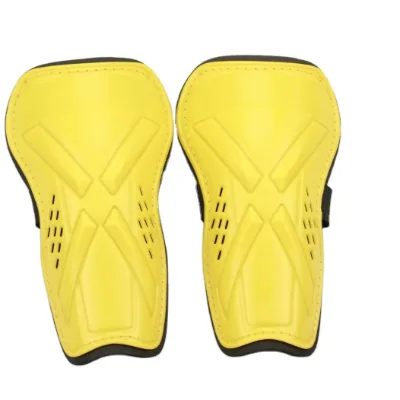


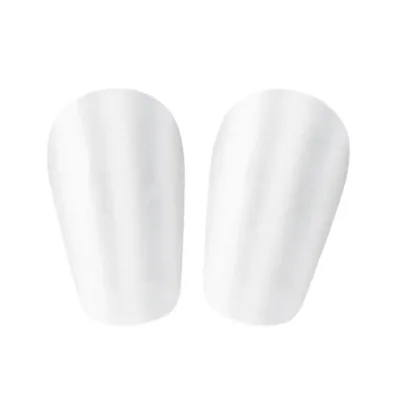


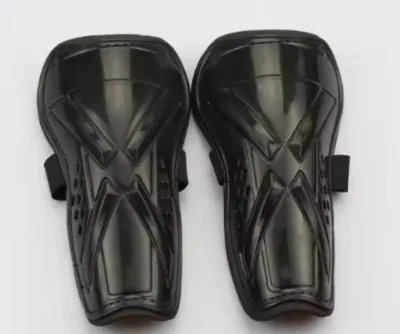
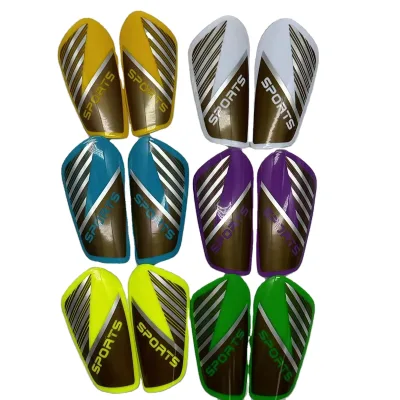


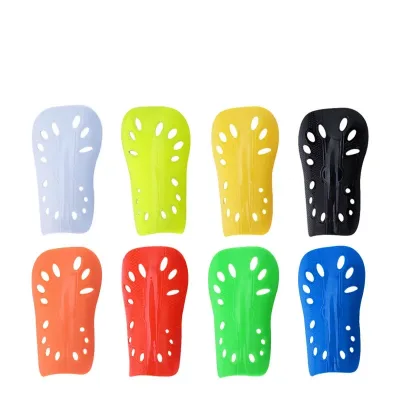
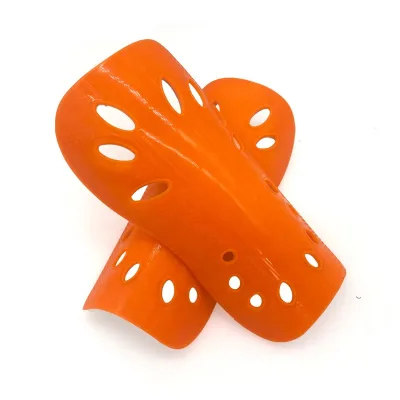
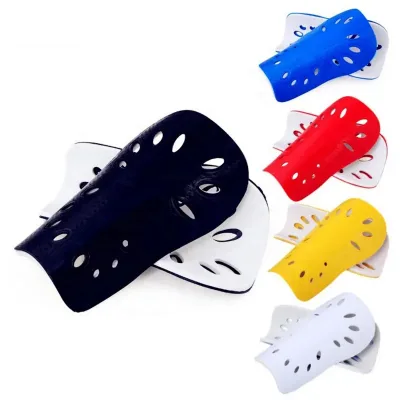
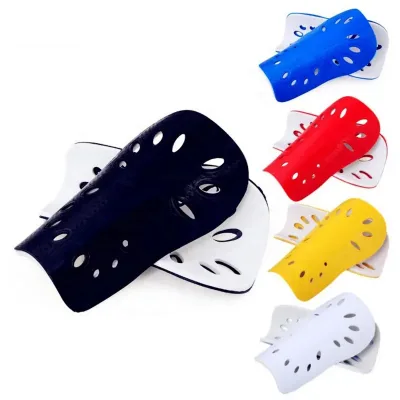


Factory Price Shin Guards Custom Logo Standard Style Soccer Leg Protective Pads
$0.90 - $1.10
MOQ: 1000 pairs


Comprehensive Sourcing Guide
Eco-Friendly Leather Shin Guards Sourcing Guide
Sourcing protective gear that balances durability with environmental responsibility requires a nuanced understanding of material science and supply chain transparency. While the term "eco-friendly leather" suggests a sustainable alternative to traditional animal hides or synthetic polymers, buyers must first clarify whether the product utilizes genuine leather sourced from certified tanneries, recycled leather composites, or advanced bio-based synthetic materials. In the context of shin guards, the primary function is impact absorption and structural integrity, meaning the outer shell material must withstand significant force without compromising the protective core. Procurement teams should approach this category with a critical eye toward marketing claims, verifying that any "eco" designation is backed by verifiable lifecycle assessments or material certifications rather than vague sustainability narratives.
The procurement landscape for shin protection is diverse, ranging from high-performance sports equipment to industrial personal protective equipment (PPE). Buyers often encounter products labeled as shin guards that serve entirely different purposes, such as protection for brush cutter operators or general-purpose knee and shin pads for garden work. This divergence in application dictates the necessary technical specifications, from the density of the EVA padding to the tensile strength of the outer fabric or leather-like covering. Understanding the specific use case is the first step in defining the correct product scope, as a shin guard designed for soccer requires different flexibility and ventilation properties than one intended for heavy-duty industrial labor.
Product Scope and Observed Listing Signals
Market analysis reveals a wide spectrum of shin protection products, with observed price points ranging from $0.38 to $10.00 USD and minimum order quantities (MOQs) typically starting at 10 units and extending up to 1,000 units. This broad range indicates a market segmented by both quality tier and intended application. Lower-priced items often correspond to basic protection classes using standard materials like Oxford fabric and EVA padding, suitable for casual sports or light industrial use. Conversely, higher-priced items may involve more complex manufacturing processes, custom branding options, or specialized materials that justify the increased cost. Buyers should align their budget expectations with the required protection level, recognizing that significant cost savings in the shell material can compromise long-term durability and safety performance.
The observed product listings highlight several key attributes that define the current market offering. Common specifications include medium-long lengths, normal to medium thicknesses, and free-size or one-size-fits-all designs that rely on adjustable closures such as buckles. Materials frequently cited include EVA for padding and Oxford fabric for the outer shell, with color options ranging from standard black and red to customized dark khaki or other bespoke shades. Some listings explicitly mention "eco-friendly" or sustainable attributes, while others focus on functional benefits like breathability, non-slip properties, and durability. It is crucial to note that while "leather" is not explicitly confirmed in the high-confidence facts, the presence of "Oxford fabric" and "EVA" suggests that many products may use synthetic alternatives that mimic leather aesthetics while offering enhanced weather resistance and easier maintenance.
Technical Specifications to Verify
When evaluating shin guards, the structural composition of the padding and shell is paramount. The core protective element is typically made from EVA (Ethylene-Vinyl Acetate), a material chosen for its shock-absorbing properties and lightweight nature. Buyers must verify the density and thickness of the EVA foam, as these factors directly influence the guard's ability to dissipate impact energy. Thicker or higher-density EVA provides superior protection but may reduce flexibility and comfort. Additionally, the outer shell material, whether it is genuine leather, synthetic leather, or Oxford fabric, must be evaluated for its tear resistance and abrasion tolerance. For products claiming to be "eco-friendly," buyers should request detailed material data sheets to understand the composition of the shell, including the presence of any harmful chemicals or plasticizers that might contradict sustainability claims.
Closure systems and fit adjustments are critical for ensuring that the shin guard remains in place during high-impact activities. Most observed products utilize buckle closures, which offer a secure fit but may require precise sizing to avoid slippage. Some listings indicate "free size" or "one size" options, which rely on elastic straps or adjustable buckles to accommodate a range of leg circumferences. Buyers should assess the durability of these closure mechanisms, as frequent adjustment can lead to wear and failure over time. Furthermore, the packaging specifications, such as poly bags, header cards, or PP boxes, can impact the product's presentation and protection during shipping. Customization options, including logo printing and color matching, are widely available, allowing buyers to tailor the product to their brand identity while maintaining functional integrity.
Compliance and Safety Documentation
Safety standards for shin guards vary significantly depending on the intended use, whether for sports like soccer or for industrial PPE. For sports applications, buyers should verify compliance with relevant national or international standards that govern impact protection and material safety. While specific standard numbers were not confirmed in the high-confidence facts, buyers must ensure that the product meets the baseline requirements for basic protection classes. This includes testing for impact absorption, where the guard must reduce the force transmitted to the shin bone to a safe level. For industrial applications, such as protection for brush cutter operators, stricter PPE regulations may apply, requiring certification under specific occupational safety standards. Buyers should request test reports from accredited laboratories to validate these claims.
Environmental compliance is another critical aspect of sourcing "eco-friendly" products. Buyers should inquire about the presence of certifications such as OEKO-TEX, REACH, or ISO 10993, which indicate that the materials have been tested for harmful substances and biocompatibility. Although these certifications were listed as low-confidence background information, their relevance to eco-friendly claims cannot be ignored. Buyers should ask suppliers to provide documentation proving that the leather or synthetic materials used are free from toxic dyes, heavy metals, and other hazardous chemicals. Additionally, understanding the end-of-life disposal options for the product is essential for maintaining a sustainable supply chain. Buyers should prioritize suppliers who offer recycling programs or use biodegradable materials to minimize environmental impact.
Cost Drivers and Commercial Terms
The cost of shin guards is influenced by several factors, including material selection, manufacturing complexity, and customization requirements. The use of genuine leather or high-quality synthetic alternatives can significantly increase the base cost compared to standard Oxford fabric. Similarly, custom designs, such as specific colors, logos, or packaging, add to the production expenses. Buyers should negotiate clearly defined commercial terms that account for these variables, ensuring that any additional costs are transparent and justified. Minimum order quantities (MOQs) also play a role in pricing, with larger orders typically benefiting from economies of scale. However, buyers with smaller volume requirements may find suppliers willing to accept lower MOQs, albeit at a higher unit price.
Payment terms and lead times are critical components of the procurement process. Buyers should establish clear agreements on payment schedules, such as deposits and balance payments upon shipment, to mitigate financial risk. Lead times can vary based on the complexity of the order and the supplier's production capacity. For customized products, lead times may be extended to accommodate design approvals and material sourcing. Buyers should also consider the logistics of shipping, including packaging requirements and freight costs, which can impact the total landed cost. By understanding these cost drivers and commercial terms, buyers can make informed decisions that balance cost efficiency with quality and sustainability goals.
Supplier Qualification and Quality Control
Selecting a reliable supplier is essential for ensuring consistent product quality and adherence to sustainability claims. Buyers should conduct thorough due diligence on potential suppliers, verifying their business licenses, production capabilities, and quality management systems. Suppliers with a proven track record in manufacturing protective gear are more likely to deliver products that meet specified standards. Additionally, buyers should assess the supplier's commitment to environmental practices, such as waste reduction and energy efficiency in their manufacturing processes. Requesting references or case studies from previous clients can provide valuable insights into the supplier's reliability and performance.
Quality control measures should be implemented throughout the production process to ensure that the final product meets all specifications. Buyers should establish clear quality criteria, including material inspections, dimensional checks, and performance testing. Regular audits of the supplier's production facilities can help identify potential issues early and ensure compliance with agreed-upon standards. For "eco-friendly" products, buyers should verify that the materials used are sourced from reputable suppliers who adhere to sustainable practices. Implementing a robust quality control plan not only reduces the risk of defects but also enhances the brand's reputation for delivering high-quality, sustainable products.
Long-Term Procurement Checks
Sourcing eco-friendly shin guards is an ongoing process that requires continuous monitoring and evaluation. Buyers should regularly review supplier performance, tracking metrics such as on-time delivery, product quality, and responsiveness to issues. Establishing a feedback loop with end-users can provide valuable insights into the product's performance in real-world conditions, highlighting areas for improvement. Additionally, buyers should stay informed about emerging trends in sustainable materials and manufacturing technologies, which may offer new opportunities for cost savings or enhanced product features. By maintaining a proactive approach to supplier management and product development, buyers can ensure that their procurement strategy remains aligned with their sustainability goals and market demands.
Finally, buyers should consider the long-term environmental impact of their procurement decisions. This includes evaluating the product's lifecycle, from raw material extraction to end-of-life disposal. Partnerships with suppliers who prioritize circular economy principles, such as using recycled materials or designing for recyclability, can contribute to a more sustainable supply chain. Regularly updating sustainability criteria and engaging in dialogue with suppliers about their environmental goals can drive continuous improvement. By focusing on long-term value creation, buyers can build resilient supply chains that support both business success and environmental stewardship.
FAQs
What materials are used for the shin guards?
The shin guards are constructed using Oxford fabric and EVA padding for comfort and protection. This combination ensures durability while maintaining a lightweight profile suitable for various sports activities.
Can I request custom colors for these shin guards?
Yes, customization is available for these shin guards with options including black, red, or other customized colors. Buyers can request specific designs to match their team or brand requirements.
What is the minimum order quantity for these items?
The minimum order quantity ranges from 10 to 1000 units depending on the specific product model and customization needs. Small MOQs are accepted for certain items to accommodate smaller buyers.
Where are these shin guards manufactured?
These products originate from China, specifically from regions like Zhejiang and Jiangsu. The manufacturing locations ensure access to established supply chains for efficient production and shipping.
How are the shin guards packaged for shipment?
Packaging options include poly bags, poly bags with header cards, or PP boxes depending on the specific model. Master cartons are used for bulk shipments to ensure safe delivery of the goods.
Are these shin guards suitable for adult users?
Yes, the shin guards are designed specifically for adults and feature a free size or one size fit. They provide basic protection suitable for football, soccer, and general daily life activities.