Source Seamless Crisscross Strap Sportswear for Gym, Yoga, Cycling
Compare 30 listings of Seamless Crisscross Strap Sportswear designed for fitness, gym, and yoga. Buyers can evaluate features like moisture-wicking, quick-drying, and breathable materials from suppliers in China with customizable options; compare the available evidence and request quotations based on your requirements.
Key considerations
Products List


Seamless Sportswear Outdoor Seamless Yoga Fitness Sports Running Gym Sportswear
$3.90 - $19.90
MOQ: 100 Pieces

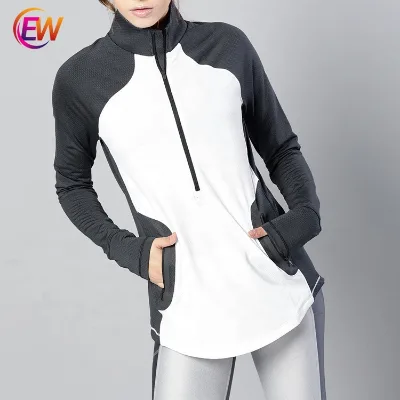


Seamless Suit Women's Fitness Sports School Running Wear Yoga Sportswear
$20.99 - $39.99
MOQ: 1000 Pieces


Sleeveless Backless Design High Elasticity Breathable Quick-Drying Fitness Sportwear
$14.70 - $16.00
MOQ: 30 Pieces

Comprehensive Sourcing Guide
Seamless Crisscross Strap Sportswear Sourcing Guide
Seamless Crisscross Strap Sportswear occupies a distinctive position in the activewear market: the back-strap architecture delivers both functional support and a recognizable design signature, while seamless construction reduces chafing during movement. For B2B buyers, this category spans supportive tops, sports suits, and coordinated sets intended for adults across a wide usage spectrum, including ball sports, cycling, fitness, water sports, gym training, yoga, and dancing. Sourcing it successfully requires understanding how knit construction, strap engineering, and stretch fabric behavior interact.
This guide walks procurement teams through the decisions that matter most: scoping the product category against listing signals, verifying technical specifications, assembling compliance documentation, negotiating commercial terms, qualifying suppliers, and building long-term quality controls. The emphasis throughout is on evidence discipline — confirming claims through samples, documentation, and inspection rather than accepting catalog assertions — so that the final purchase order reflects verified capability instead of marketing language.
Product Scope and Observed Listing Signals
Observed listings in this space typically describe adult-sized suits and tops-shorts sets made from polyester/spandex blends, with some listings extending the material description to include nylon and cotton. Size offerings commonly run S through XXL, and some listings also present free-size or "all" sizing, which buyers should treat as a signal to request a detailed size chart and graded samples. Listed features frequently include quick-drying, moisture-wicking, breathable, and body-shaping properties, with occasional claims extending to anti-UV, anti-static, anti-bacterial, windbreak, waterproof, and flame-retardant performance.
Patterns range from pure colour to patterned and plaid designs, with customization generally marked as available and color described as customizable. Model numbers such as JS-F1456, JS-F1447, JS-F1453, JS-F1442, JS-F2399, MC9038SA, and EW004 appear in the observed data, illustrating how individual SKUs within one supplier's range can differ in sizing logic, features, and fabric composition. Treat each attribute as a per-listing observation: a feature claimed on one model is not automatically true of the whole range, so verification must be tied to the specific SKU you intend to order.
Technical Specifications to Verify
Begin with the fabric: confirm the exact polyester/spandex ratio, fabric weight, and knit structure. One observed listing cites a 340-gram fabric weight, but seamless garments vary widely in density and stretch recovery, and the crisscross strap zones may use different tension or reinforcement than the body panels. Request lab dips or fabric cards, and test stretch recovery after repeated extension, since strap architecture concentrates load at the crossing points and at the underarm or back openings where seam-free transitions must hold shape.
Then verify construction details specific to the design. Ask how the crisscross straps are formed — whether knitted in seamlessly, bonded, or minimally sewn — and confirm the closure type where applicable; one observed listing specifies a drawstring closure and low waist on a full-length piece. Confirm sleeve and garment length (one listing notes full sleeve and full length), sizing tolerance against the graded size chart, and finishing techniques. The observed technics list is broad — automated cutting, printing, dyeing variants including garment-dyed and tie-dyed, washes, and nail bead embroidery — so pin down exactly which processes apply to your SKU and how they affect hand feel, dimensional stability, and care labeling.
Compliance and Safety Documentation
Because these garments contact skin during sweat-inducing activity, buyers should request documentation on chemical safety and fiber content from any prospective supplier. Do not assume certification status from listing badges or background claims; instead, ask the supplier to state which test reports they can provide for the specific fabric lot, covering restricted substances, pH, and colorfastness to washing, perspiration, and rubbing. If a supplier references OEKO-TEX, request the actual certificate and confirm its scope covers the material and the validity period rather than accepting the name alone.
Feature claims require matching evidence. Anti-UV performance should be supported by a stated UPF test method and result; moisture-wicking and quick-drying claims should come with the supplier's test basis; antibacterial claims should identify the treatment agent and its regulatory acceptability in your destination market. Waterproof and flame-retardant claims are more exceptional for this category and deserve heightened scrutiny, including third-party verification before any such claim is printed on packaging or marketing. Build a documentation checklist per SKU and make shipment acceptance conditional on receiving agreed test reports, so compliance obligations transfer cleanly into your import paperwork.
Cost Drivers and Commercial Terms
Observed listings show a wide price band from roughly $2.45 to $39.99 and MOQs from 2 to 1,000 pieces, reflecting everything from single-piece premium items to bulk program orders. Your negotiating position depends on which end of that spectrum your SKU occupies: customized colors, patterns, and strap constructions typically raise both unit cost and minimum order quantities, while stock-color, stock-size orders sit closer to the low-MOQ end. Benchmark several listings before anchoring, and normalize quotes by fabric weight, feature set, and customization depth rather than comparing headline prices alone.
Clarify the full commercial envelope in writing. Confirm packaging format — carton packing and standard seaworthy packing for long-distance transport both appear in observed data — along with carton dimensions (one listing cites 46 × 37 × 27 cm; another a 22 × 22 × 10 cm single package) and gross weights such as the observed 0.400 kg per unit, since these drive freight calculations. Obtain sample-order terms early: one observed listing supports a 7-day sample order lead time, which is useful for validating fit before committing to bulk. Agree Incoterms, payment structure, and re-order pricing locks so future replenishment does not trigger renegotiation.
Supplier Qualification and Quality Control
Qualify suppliers by matching their demonstrated capability to your SKU's technical demands. A supplier offering OEM service and customization may still be strong on printing but weak on seamless knitting or strap bonding, so ask for evidence specific to your construction: sample garments, production photos of comparable crisscross styles, and clarity on which processes are in-house versus subcontracted. Observed origins concentrate in China, with Guangdong specifically noted, but origin alone is not a qualification — verify business licensing, export experience to your market, and the supplier's willingness to support inspection access.
Structure quality control around the fit and durability risks of the design. Approve a sealed sample covering size grading, strap symmetry, color, and hand feel before mass production. During production, inspect for strap alignment and tension consistency, knit defects such as laddering or holes at stress points, dye lot variation, and measurement conformity to the agreed size chart. Define an AQL sampling plan in the inspection agreement, specify which defects are critical versus major, and decide whether you will rely on supplier self-inspection, third-party inspection, or a combination. Put corrective-action expectations in writing before the first bulk order.
Long-Term Procurement Checks
After the first successful order, convert one-off verification into repeatable systems. Maintain a per-SKU specification sheet capturing fabric composition, weight, colorways, size grading, strap construction method, packaging configuration, and required test reports, so reorders are quoted against a fixed baseline rather than verbal memory. Track reorder consistency by comparing each incoming batch against the sealed sample — seamless garments are especially prone to drift in yarn lot, stretch recovery, and shade across production runs, and small changes compound visibly in a form-fitting, body-shaping silhouette.
Also monitor the commercial relationship over time. Re-confirm pricing at defined intervals, watch whether MOQs and lead times remain stable as order volume grows, and periodically re-validate compliance documents, since certificates expire and fabric suppliers may change upstream without notice. Diversification is a prudent hedge: keep a qualified second source for your highest-velocity SKUs, even if it handles only a minority share initially. Finally, gather returns and customer feedback data on fit, strap durability, and pilling, and feed those findings into annual specification reviews with your suppliers so the product improves across seasons rather than merely repeating.
FAQs
What materials are used in this Seamless Crisscross Strap Sportswear?
The listings primarily describe polyester and spandex blends, with some items also incorporating nylon and cotton. This composition supports stretch, quick-drying, and moisture-wicking performance. Exact fabric ratios can vary by model, such as JS-F1456 or EW004, so buyers should confirm the material breakdown for a specific style before placing an order.
Can the sportswear be customized in color and size?
Yes, customization is available, and colors can be produced per buyer requirements. Standard sizing options include XXL, XL, L, M, and S, with some styles offered in free size. Buyers should discuss minimum order quantities and sample options with suppliers, since sample orders may be supported with short lead times of around seven days.
How is the sportswear packed for shipping?
Packing is done in cartons, and some items specify standard seaworthy packing suitable for long-distance transportation. A typical single package size is around 22 by 22 by 10 centimeters with a gross weight near 0.4 kilograms per unit. Confirm exact carton dimensions and quantities per carton with the supplier before arranging freight.
Which activities is this sportswear suitable for?
The products are designed for sports use across ball sports, cycling, fitness, gym training, yoga, dancing, and water sports. Features such as quick-drying, breathability, moisture-wicking, anti-UV, and body-shaping support varied training conditions. Because fabric weight and features differ between models, buyers should match the specification to their intended sport and season.
How long does a sample order take to produce?
Sample order lead time of seven days is supported for these products, allowing buyers to evaluate fit and fabric quickly. This applies to sample quantities only, and bulk production schedules will differ depending on order size and customization requirements. Buyers should confirm sample costs, shipping time, and bulk lead times directly with the supplier.
What sizes are available for the sportswear sets?
Sizing follows standard ranges such as S, M, L, XL, and XXL, and some models are listed in free size to fit a broader range. The products are made for adults. Since patterns vary between pure colour and patterned styles, and fits may differ by model, requesting a size chart or sample before bulk ordering is advisable.
Can I order a low quantity for testing the market?
Yes, minimum order quantities vary across the listings and can be as low as 2 pieces for certain styles, while others start at higher volumes up to 1000 pieces. This lets buyers test demand before committing to bulk. Check the specific MOQ for each model, as customized orders may carry different minimums than stock designs.
What performance features do these sportswear products offer?
Listed features include quick-drying, moisture-wicking, breathability, anti-UV, anti-static, anti-bacterial, waterproof, windbreak, flame-retardant, and body-shaping properties, plus plus-size availability on some items. Not every model carries every feature, since specifications differ between styles like JS-F1447 or MC9038SA. Review each product's feature list and confirm performance details with the supplier before ordering.