Source ECU for Generator, Engine, and Fuel Systems
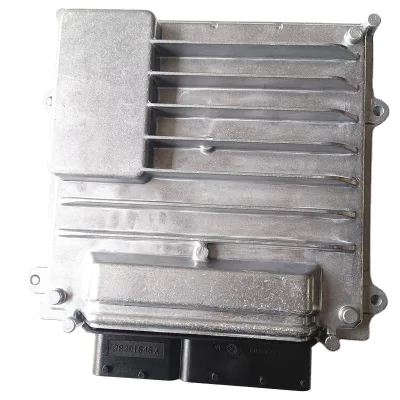
Compare 30 ECU units including Generator Governor Ecuss30 and Electronic Control Modules. Buyers can review specifications, certifications, and pricing for engine control applications.
Key considerations
Products List


Hot Selling Truck Excavator Ecm ECU 0281020446 for Engine Control Unit
$170.00 - $190.00
MOQ: 1 Pieces

Excavator Controller Electronic Engine Control Module Unit ECU Ecm Qsl 4921766
$1217.00 - $1225.00
MOQ: 1 Pieces


4921776 Genuine Qsb Diesel Engine Part Engine Control Module Ecm ECU 4921776
$280.00 - $350.00
MOQ: 1 Pieces


0281020586 Original Car Engine Computer Board ECU Electronic Control Unit
$388.00 - $412.00
MOQ: 1 Pieces

Electronic Program ECU Engine Control Unit ECU Car Programming 0261201419
$55.00 - $85.00
MOQ: 10 pieces


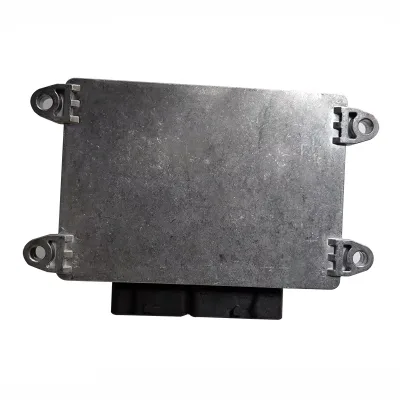


Electronic Control Unit Diesel ECU 28055765 331-7539 3317539 for C6.4 Engine
$1020.00 - $1200.00
MOQ: 1 pieces
Comprehensive Sourcing Guide
ECU Sourcing Guide
Procuring an Engine Control Unit (ECU) requires a disciplined approach to align technical specifications with operational requirements, ensuring that the electronic brain of the engine matches the specific mechanical and electrical architecture of the target machinery. The market for ECUs is diverse, ranging from generic replacement modules for industrial generators to high-precision original equipment manufacturer (OEM) units for automotive fuel systems. Buyers must navigate a landscape where product names, part numbers, and functional descriptions often overlap, necessitating a rigorous verification process before committing to a purchase. This guide outlines the critical steps for sourcing ECUs, focusing on technical validation, compliance verification, and commercial risk management to secure reliable components that maintain system integrity and operational continuity.
The decision to source an ECU is rarely just about replacing a failed component; it is about restoring or maintaining the precise control logic that governs fuel injection, ignition timing, and governor functions. Whether the application involves a three-phase generator governor or a diesel fuel supply system, the ECU acts as the central processing unit that interprets sensor data and executes commands. Misalignment between the ECU’s software calibration and the engine’s physical characteristics can lead to poor performance, increased emissions, or catastrophic failure. Therefore, the sourcing process must begin with a clear definition of the application environment, including voltage requirements, communication protocols, and environmental conditions, to filter out incompatible options and identify units that offer the necessary customization and support.
Product Scope and Observed Listing Signals
The current market for ECUs exhibits a wide variance in product positioning, with observed listing prices ranging from approximately $8 to $1,225 USD, reflecting differences in brand authenticity, technological complexity, and included accessories. This broad price spectrum indicates that buyers will encounter everything from basic electronic control modules to advanced, branded units with extensive warranty coverage. The minimum order quantity (MOQ) typically ranges from 1 to 100 units, suggesting that the market supports both individual replacement needs and bulk procurement for fleet maintenance or distribution. Buyers should interpret these signals as indicators of market segmentation, where lower-priced items may be generic or refurbished, while higher-priced items often correspond to original quality parts with comprehensive documentation and support.
Observations from current listings reveal specific product attributes that buyers must scrutinize, such as the distinction between "Original" quality and "High-Quality" aftermarket alternatives. For instance, some listings specify products like the "Generator Governor Ecuss30" or "Electronic Control Module" with part numbers such as 4384696 and 0281020446, highlighting the importance of matching exact model identifiers. Additionally, physical characteristics like weight (e.g., 2.554kg or 5.00kg) and packaging dimensions provide clues about the unit’s build quality and internal components. Buyers should treat these observed attributes as data points for verification rather than guarantees, ensuring that the specific unit received matches the technical requirements of their engine or generator system.
Technical Specifications to Verify
Technical verification is the most critical phase of ECU sourcing, as the unit must interface seamlessly with the engine’s sensors and actuators. Buyers must confirm key specifications such as the output rating, which in some observed units is listed as 10 AMPS Max, ensuring that the ECU can handle the electrical load of the connected components without overheating or failure. The magnetic pickup frequency range, observed between 500 to 9500 Hertz, is another vital parameter for applications involving speed sensing or governor control, as mismatched frequencies can lead to inaccurate engine speed regulation. Additionally, the phase configuration, such as 3 Phase support, must be verified to ensure compatibility with the generator or motor system, as incorrect phase handling can result in severe operational disruptions.
Beyond electrical parameters, physical and material specifications play a significant role in the durability and fit of the ECU. Buyers should verify the material composition, with aluminum being a common housing material for heat dissipation and structural integrity, and check the standard component status to ensure that the unit is not a modified or non-standard variant. The product model, such as ECUSS30 or 0281020446F, must be cross-referenced with the engine’s service manual to confirm software compatibility. Furthermore, the condition of the unit, whether "New," "Brand New," or "Original," should be explicitly stated and verified through supplier documentation, as refurbished units may have hidden wear or outdated firmware that compromises performance.
Compliance and Safety Documentation
Compliance with international standards is essential for ECUs, particularly those used in regulated industries or exported markets. Buyers should request documentation for certifications such as CE, E-Mark, and CCC, which indicate adherence to safety, electromagnetic compatibility, and environmental regulations in specific regions. The presence of RoHS certification is also critical, ensuring that the unit does not contain hazardous substances that could violate environmental laws or pose health risks during disposal. These certifications serve as a baseline for quality assurance, indicating that the manufacturer has undergone rigorous testing and meets established industry benchmarks for electronic components.
In addition to regulatory certifications, buyers should verify the quality class and warranty terms provided by the supplier. Some listings mention "a-Class High Quality" and a 1-year warranty, which can provide a layer of protection against early failures. However, buyers must understand that warranty terms vary significantly between suppliers, and the scope of coverage should be clearly defined in the purchase agreement. It is also important to check for any additional standards or testing reports that may be required for specific applications, such as automotive or industrial generator standards, to ensure that the ECU meets all necessary safety and performance criteria for its intended use.
Cost Drivers and Commercial Terms
The total cost of ownership for an ECU extends beyond the unit price, encompassing shipping, payment fees, and potential customs duties. Observed delivery methods include DHL, FedEx, and UPS, which offer varying levels of speed and reliability, impacting the overall lead time and cost. Buyers should evaluate these shipping options based on their urgency and budget, considering that expedited shipping may be necessary for critical downtime situations. Payment terms, such as TT, PayPal, and Western Union, also influence the transaction process, with each method offering different levels of buyer protection and convenience. Understanding these commercial terms helps buyers plan their cash flow and mitigate financial risks associated with international procurement.
Customization options and packaging requirements can also affect the final cost and delivery timeline. Some suppliers offer customized packing or neutral packaging, which may be preferred for branding or logistical reasons. The availability of stock, indicated as "Yes" or "Stock Supply" in some listings, can significantly reduce lead times, allowing for faster deployment. Buyers should prioritize suppliers with readily available stock for urgent needs, while those with longer lead times may offer better pricing for planned procurement. Additionally, the MOQ of 1 PC allows for flexibility in ordering, enabling buyers to test a unit before committing to larger quantities, thereby reducing the risk of investing in incompatible or defective products.
Supplier Qualification and Quality Control
Supplier qualification is a vital step in ensuring the reliability of the ECU supply chain. Buyers should assess suppliers based on their track record, customer reviews, and ability to provide accurate product information. The origin of the product, often listed as China or Fujian, China, should be considered in the context of the supplier’s reputation and quality control processes. While China is a major hub for electronic component manufacturing, buyers must verify that the supplier has robust quality assurance measures in place to prevent the distribution of counterfeit or substandard parts. Requesting samples or conducting factory audits can provide valuable insights into the supplier’s capabilities and commitment to quality.
Quality control measures should include verification of the product’s condition, such as "New" or "Brand New," and confirmation of the part number against the supplier’s inventory. Buyers should also inquire about the supplier’s return policy and after-sales support, as these factors can significantly impact the overall procurement experience. The presence of a warranty, such as the 1-year warranty observed in some listings, is a positive indicator of supplier confidence in their products. However, buyers should ensure that the warranty terms are clear and enforceable, covering defects in materials and workmanship. Establishing a strong relationship with a qualified supplier can lead to better pricing, priority support, and access to the latest product offerings.
Long-Term Procurement Checks
Long-term procurement success depends on continuous monitoring of supplier performance and product reliability. Buyers should establish key performance indicators (KPIs) to track metrics such as delivery times, defect rates, and customer service responsiveness. Regular audits of the supplier’s quality control processes can help identify potential issues before they impact the supply chain. Additionally, staying informed about industry trends and technological advancements in ECU design can help buyers make informed decisions about future procurement needs. By maintaining a proactive approach to supplier management, buyers can ensure a stable and reliable supply of ECUs that meet their operational requirements.
Furthermore, buyers should consider the lifecycle management of the ECU, including firmware updates and compatibility with future engine modifications. As technology evolves, the need for software updates or hardware upgrades may arise, making it essential to choose suppliers who offer ongoing support and product development. Building a diversified supplier base can also mitigate risks associated with single-source dependencies, ensuring that alternative options are available if primary suppliers face disruptions. By integrating these long-term checks into their procurement strategy, buyers can optimize their ECU sourcing process, reduce costs, and enhance the overall reliability of their engine systems.
FAQs
What is the warranty period for the ECU Engine Control Unit?
The warranty period is 1 Year for the ECU Engine Control Unit. This applies to the Generator Governor Ecuss30 model which is available in stock and packed individually into boxes for safe transport.
Can I customize the packaging for the Electronic Control Module?
Yes, customization is available for the packaging of the Electronic Control Module. Buyers can request neutral packing or customized packing according to their specific needs for the ECUSS30 product.
Which certifications does the ECU product hold?
The product holds TSRoHS, E-Mark, CE, ISOCOP, and CCC certifications. These standards ensure the quality and safety of the Aluminum material used in the Generator Governor Ecuss30 component.
What is the maximum output rating of the Generator Governor?
The maximum output rating is 10 AMPS for the Generator Governor. This capacity supports the 3 Phase operation of the ECU Engine Control Unit designed for fuel supply systems.
How is the ECU product shipped to international buyers?
The product is shipped via DHL, FedEx, or UPS delivery methods. These options ensure reliable transport for the new condition Electronic Control Module weighing approximately 2.554 kg per unit.
What is the minimum order quantity for the ECU?
The minimum order quantity is 1 PC for the ECU Engine Control Unit. This low MOQ allows buyers to source the 4384696 model or the 0281020446 variant without bulk commitments.
Where is the ECU product manufactured?
The product is manufactured in Fujian, China. This origin applies to the ECUSS30 series which features a magnetic pickup range of 500 to 9500 Hertz for generator applications.