Source Educational Toy Robot for Schools, Homes, and Play Centers
Explore 30 listings of Educational Toy Robot options featuring remote control, intelligent programming, and light sound functions. Buyers can compare specifications, MOQs, and certifications like EN71 to find suitable preschool or school supplies; compare the available evidence and request quotations based on your requirements.
Key considerations
Products List
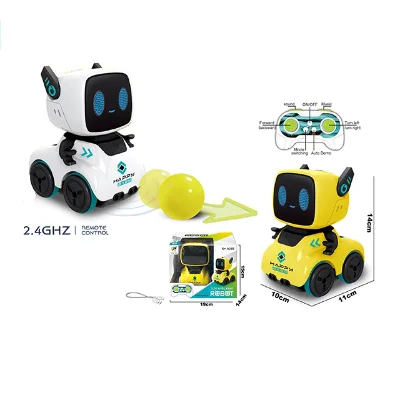
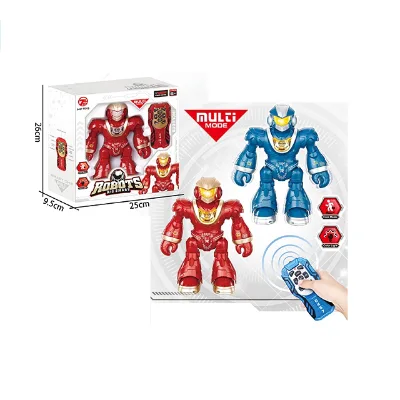
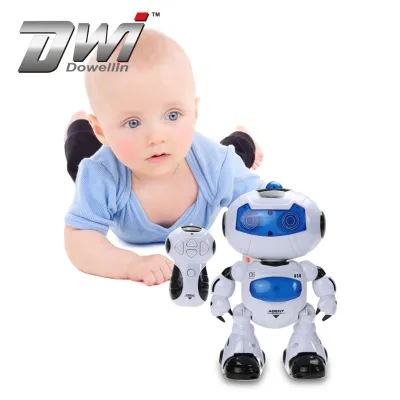
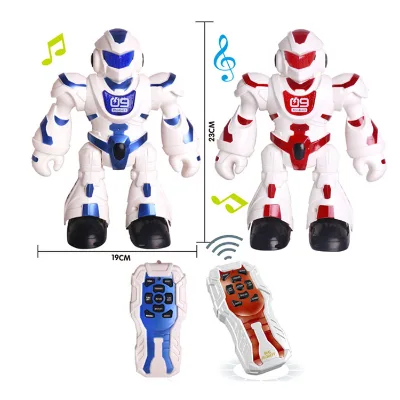
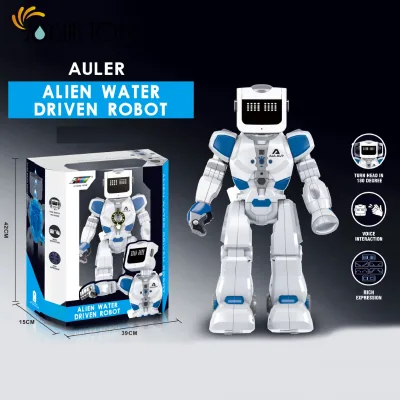
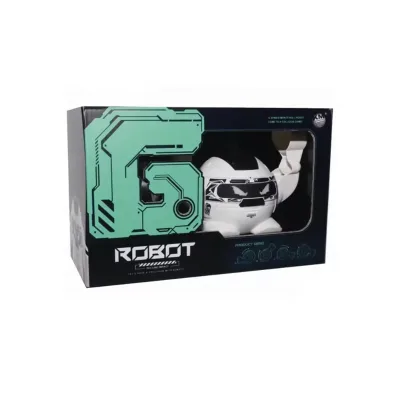
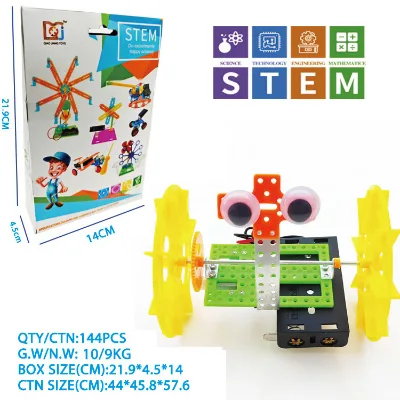


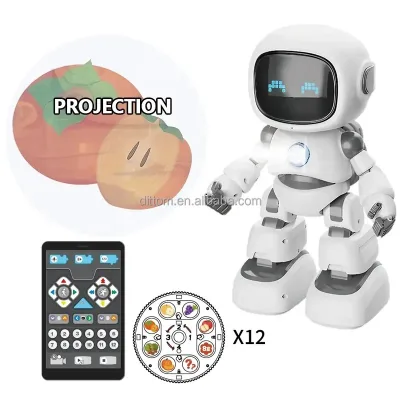


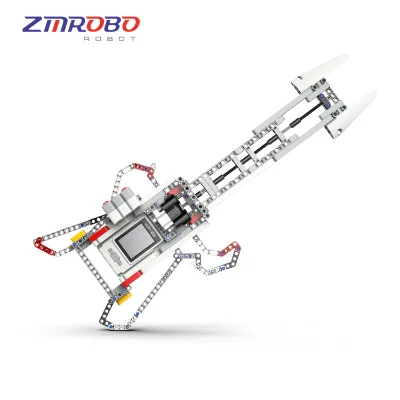

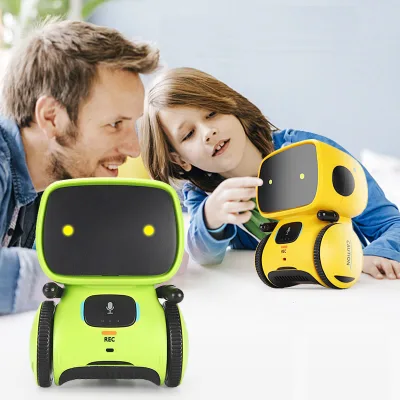


Wholesale Kids Children Educational Toy Remote Control Intelligent Robot Toy
$8.90 - $9.50
MOQ: 40 Pieces


Comprehensive Sourcing Guide
Educational Toy Robot Sourcing Guide
Buyers evaluating remote control robots for preschool and school-aged children must first distinguish between basic interactive models and those offering intelligent programming capabilities. The market presents distinct tiers where some units function primarily as light and sound toys, while others serve as advanced educational tools for coding logic. Understanding this functional split is critical before engaging with suppliers, as the intended learning outcome dictates the necessary technical depth and price point.
Procurement teams should also scrutinize the age-range alignment, as products targeting 3-year-olds differ significantly from those designed for teenagers. The observed listings indicate specific segments for ages 5 to 7 and 8 to 13, requiring careful matching of complexity to the end-user's cognitive development. Misalignment in age targeting can lead to high return rates if the toy is either too simple for older children or too complex for younger ones, making precise demographic verification a primary sourcing step.
Product Scope and Observed Listing Signals
Sourcing agents must verify that the product name and style align with the specific educational goals of the target market, such as "Intelligent Programming" versus general "Remote Control" functions. The available data shows a mix of styles ranging from "Lovely" designs to functional electronic toys, with color options like yellow or white being common. Buyers should confirm that the visual aesthetic matches the brand identity of their retail channel, as "Picture Shows" color descriptions require physical samples to ensure accuracy.
Commercial signals such as the "Selling Units" being single items and the "Packing" being window boxes suggest a direct-to-consumer or retail-ready approach. However, the "Supply Ability" varies widely, with some suppliers offering 100 cartons per month while others provide 2000 pieces weekly. This disparity requires buyers to assess their volume needs against the supplier's capacity, ensuring that the "MOQ" of 5 cartons or higher does not create inventory bottlenecks for smaller orders.
Technical Specifications to Verify
Technical due diligence must begin with the power system, as the "Battery" requirements vary between included and excluded items, with "3 x AA Battery" being a common specification. Buyers need to confirm whether the "Playing time" of 15-20 minutes meets the expectations for classroom or home use, as shorter durations may frustrate users. Additionally, the "Description" noting that batteries are not included is a critical cost factor that must be factored into the total landed cost calculation for the end consumer.
Physical dimensions and scale are equally vital for logistics and safety compliance, with observed sizes ranging from 18x8x23 cm to 23x18.5x9 CM. The "Product Weight" of 315g and "Scale" ratios like 1:20 influence shipping costs and the durability of the plastic construction. Procurement teams should verify that the "Model Number" corresponds to the exact physical attributes required, as variations in size and weight can impact the "Packing Details" and the number of units per carton.
Compliance and Safety Documentation
Safety certification is non-negotiable for educational toys, and the presence of "EN71" certification in the listings provides a baseline for European market entry. Buyers must request valid test reports to confirm that the plastic materials and electronic components meet these specific safety standards before finalizing any purchase order. Relying solely on the listed certificate name without verifying the test report date and scope can expose the buyer to significant liability risks in regulated markets.
Beyond physical safety, the "Usage" classification as "Preschool Educational Toys" implies strict adherence to age-appropriate design and material safety. Suppliers claiming "NEW!" features or "best choice products" must substantiate these claims with current compliance documentation rather than marketing language. The "Scene" of use, whether indoor or outdoor, further dictates the required durability and environmental resistance of the product, which must be validated against the specific safety standards applicable to those environments.
Cost Drivers and Commercial Terms
Pricing structures in this category are heavily influenced by the complexity of the "Function," with intelligent programming features commanding higher prices than basic light and sound models. The observed price range of 0.1 to 12800 USD reflects this vast spectrum, requiring buyers to clearly define their budget constraints against the desired feature set. Understanding that "Remote Control Robot" models with infrared capabilities may carry a premium over standard battery-operated toys is essential for accurate cost modeling.
Commercial terms such as the "Port of dispatch" from Shenzhen and the "Packaging Details" of 36 pieces per carton directly impact logistics planning and unit economics. Buyers must calculate the cost per unit based on the "MOQ" of 5 cartons or higher, considering that bulk packaging reduces per-unit shipping costs but increases initial capital outlay. The "Supply Ability" of 100 cartons or 2000 pieces per week also affects lead time negotiations, as higher volume commitments often secure better pricing and faster production slots.
Supplier Qualification and Quality Control
Supplier qualification should focus on verifying the "Brand Name" and "Place of Origin" to ensure consistency with the buyer's sourcing strategy. The data indicates origins in Guangdong, China, a major manufacturing hub, but buyers must confirm that the specific factory has the capacity to maintain quality across different "Model Number" variations. Checking the "Brand Name" against the product listing ensures that the supplier is the authorized manufacturer or distributor, reducing the risk of counterfeit goods.
Quality control protocols must address the "Material" composition, specifically the plastic used, to ensure it is durable and free from harmful substances. Buyers should implement pre-shipment inspections that verify the "Product Weight" and "Product Size" match the specifications provided in the listing. Additionally, testing the "Function" of intelligent programming and remote control responsiveness is necessary to confirm that the electronic components function reliably before the goods leave the factory.
Long-Term Procurement Checks
Sustainable sourcing requires monitoring the "Supply Ability" consistency over time to prevent stockouts during peak demand periods. Buyers should establish a relationship with the supplier to ensure that the "Production" capacity can scale up if the product gains market traction, particularly for items with high "Supply Ability" like 2000 pieces per week. Regular audits of the manufacturing process help maintain the quality standards associated with the "EN71" certification and other safety requirements.
Long-term success also depends on tracking product performance and customer feedback regarding the "Playing time" and "Feature" reliability. If the "Battery" life or "Remote control" range proves insufficient in the market, buyers must work with the supplier to iterate on the design or specifications. Maintaining open communication channels ensures that any changes in "Model Number" or "Product Name" are managed smoothly, preserving the brand reputation and customer trust in the educational toy line.
FAQs
What certifications do these educational toy robots have?
The educational toy robots listed carry EN71 certification, ensuring they meet specific safety standards for children's products. This certification is critical for buyers targeting markets with strict regulatory requirements. It indicates that the materials and construction have been evaluated for safety, providing assurance for preschool and school-age users.
Can these robots be used for intelligent programming?
Yes, several models support intelligent programming functions, allowing children to learn coding basics through interactive play. These features are designed for ages 5 to 13, offering scalable complexity. The robots often include remote control capabilities alongside programmable commands, making them versatile tools for early STEM education and skill development.
What is the typical MOQ for these educational toys?
The minimum order quantity varies by supplier, ranging from 5 cartons to 5000 pieces. Some vendors require a minimum of 5 cartons, while others may accept smaller bulk orders. Buyers should check specific supplier listings for exact MOQs, as this affects initial investment and inventory management strategies for retail or wholesale distribution.
Where are these educational toy robots manufactured?
Most of the listed educational toy robots are manufactured in Guangdong, China. This region is a major hub for electronics and toy production, offering robust supply chains. Buyers sourcing from this location can often benefit from established logistics networks and competitive pricing structures due to the concentration of specialized factories and vendors in the area.
What battery type do these robots require?
These robots typically require 3 AA batteries for operation, though batteries are usually not included. This standard power source ensures easy replacement and accessibility for parents and educators. The playing time generally lasts between 15 to 20 minutes per charge, making them suitable for short, focused educational sessions or play periods.
What age range is suitable for these robots?
The educational toy robots are suitable for children aged 3 years and up, with specific models targeting ages 5 to 7 and 8 to 13. This wide range allows for progressive learning, from basic remote control to advanced programming. The designs are unisex and feature durable plastic construction, ensuring safety and longevity for diverse user groups.