Source Educational Toy Hand Lottery Machine for arcades, schools, and events
Source an Educational Toy Hand Lottery Machine from 30 verified listings. Compare specifications like material, certification, and customization options to find the right fit for entertainment venues, game rooms, or promotional activities.
Key considerations
Products List


Amusement Machine Coin Operated Games Lottery Ticket Machine Arcade Machine
$9280.00 - $9700.00
MOQ: 1 Pieces

Amusement Lottery Ticket Game Machine Coin Operated Slot Game with Ticket Rewards
$3610.00 - $3900.00
MOQ: 1 Pieces


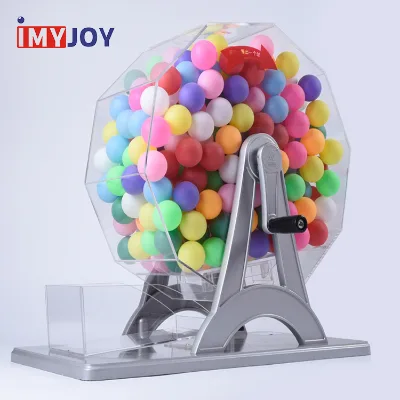
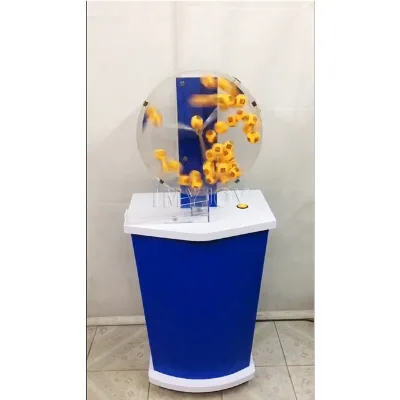
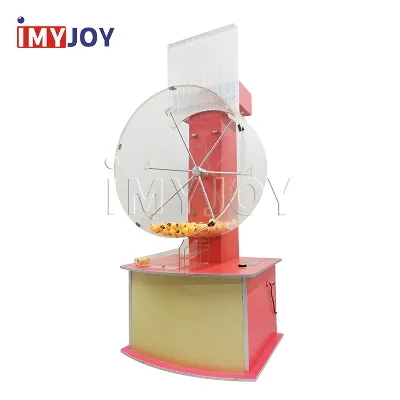


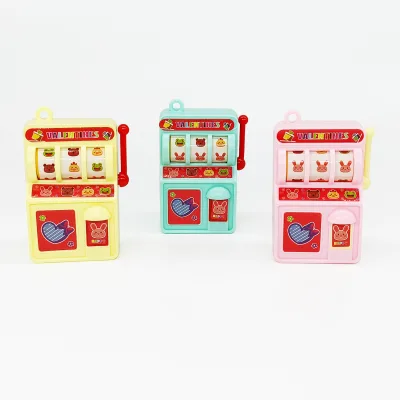

Comprehensive Sourcing Guide
Educational Toy Hand Lottery Machine Sourcing Guide
Sourcing an Educational Toy Hand Lottery Machine requires balancing the mechanical reliability of arcade-style hardware with the pedagogical value of the embedded content. Buyers must recognize that this product category sits at the intersection of amusement equipment and early childhood development tools. The primary objective is to secure units that not only engage children through interactive gameplay but also reinforce cognitive skills such as counting, color recognition, or simple logic. Because these machines often serve dual purposes in entertainment venues and educational settings, the procurement strategy must prioritize durability, ease of maintenance, and the quality of the digital or physical interface that delivers the educational content.
The market for these devices is diverse, ranging from small, portable units designed for classroom use to large, stationary cabinets intended for family entertainment centers. Procurement teams need to evaluate the specific operational environment before selecting a supplier. A machine designed for high-traffic public use will have different structural and electronic requirements compared to one intended for low-volume educational use. Understanding this distinction is critical for defining the correct technical specifications and commercial terms, ensuring that the purchased equipment aligns with the intended usage frequency and user demographic.
Product Scope and Observed Listing Signals
Current market listings indicate a wide variance in product configurations, with observed price points ranging from approximately $0.14 to $12,000 USD. This broad spectrum suggests that the category encompasses everything from simple plastic components or small promotional items to complex, full-sized arcade cabinets with advanced electronic systems. Buyers should interpret this range as a signal to carefully define their requirements, as the lowest price points likely correspond to basic accessories or small-scale toys, while higher values reflect integrated machines with touch screens, coin mechanisms, and robust structural frames. The minimum order quantities (MOQ) also vary significantly, from single units to bulk orders of hundreds of pieces, indicating flexibility for both small educational institutions and large commercial operators.
Specific product models observed in the market include identifiers such as RFD308588 and RFD267624, which appear to be associated with plastic construction and specific dimensional standards. Other listings highlight metal construction for models like "Crocodile Tycoon" and "Golden Alice," which feature touch screen interfaces and support multiple languages including English and Chinese. These models often come with detailed packaging specifications, such as carton boxes with bubble film, and carry certifications like CE, indicating compliance with European safety standards. The presence of these specific attributes helps buyers distinguish between simple toys and complex interactive machines, allowing for more accurate supplier comparisons and requirement matching.
Technical Specifications to Verify
When evaluating technical specifications, buyers must verify the physical dimensions and material composition of the unit to ensure it fits the intended space. For instance, some models are specified with dimensions such as 2826.211.3cm, suitable for smaller educational settings, while larger arcade-style units may measure up to 176176210cm. The material choice is equally critical; plastic components are common for smaller, child-safe designs, whereas metal frames are often used for larger, high-traffic machines to ensure structural integrity. Buyers should request detailed technical drawings or CAD files to confirm that the machine’s footprint and height align with their venue’s layout and safety regulations.
Electronic and functional specifications are paramount for educational effectiveness. Buyers should verify the type of interface, such as touch screen capabilities, and ensure the system supports the necessary languages for their target audience. The inclusion of features like currency detection and coin capacity is relevant for commercial venues but may be unnecessary for purely educational settings. Additionally, the weight of the unit, which can range from lightweight plastic toys to heavy metal cabinets weighing up to 50 kg, impacts installation and mobility requirements. Confirming the plug type and power requirements is essential to ensure compatibility with local electrical standards, preventing operational disruptions after delivery.
Compliance and Safety Documentation
Safety compliance is non-negotiable for products targeting children aged 3-8 years. Buyers must ensure that all educational toy hand lottery machines carry appropriate certifications, such as CE for European markets or ENASTM for standards related to toy safety. These certifications indicate that the product has undergone rigorous testing for mechanical hazards, flammability, and chemical composition. Procurement teams should request copies of these certificates and verify their validity with the issuing bodies. It is also important to confirm that the materials used, whether plastic or metal, are non-toxic and free from harmful substances, ensuring a safe environment for young users.
Beyond product-specific certifications, buyers should verify the supplier’s adherence to broader quality management standards. While ISO 9001 is a common benchmark for manufacturing quality, its presence should be confirmed through valid documentation rather than assumed. Additionally, warranty terms and technical support availability are critical components of the compliance and risk management strategy. A standard warranty of 12 months, coupled with lifetime technical support, provides a safety net for operational issues. Buyers should clarify the scope of this support, including response times and the availability of spare parts, to minimize downtime and ensure long-term usability of the educational equipment.
Cost Drivers and Commercial Terms
The cost of an Educational Toy Hand Lottery Machine is influenced by several key factors, including the complexity of the electronic system, the quality of materials, and the level of customization required. Machines with advanced touch screen interfaces, multi-language support, and durable metal construction will naturally command higher prices than basic plastic models. Customization options, such as logo printing, full-color imprints, and tailored software content, add to the overall cost but can enhance brand visibility and educational relevance. Buyers should request detailed breakdowns of these costs to understand where their investment is going and to identify areas where cost savings might be possible without compromising quality.
Commercial terms, including MOQ and payment conditions, play a significant role in the total cost of ownership. Suppliers may offer flexible MOQs, starting from single units for large machines to bulk orders for smaller items, allowing buyers to scale their procurement based on budget and need. Packaging specifications, such as color boxes or carton boxes with protective bubble film, also impact shipping costs and handling requirements. Buyers should negotiate clear terms regarding shipping responsibilities, insurance, and liability for damage during transit. Understanding these commercial dynamics helps in planning the budget accurately and avoiding unexpected expenses during the procurement process.
Supplier Qualification and Quality Control
Supplier qualification is a critical step in ensuring the reliability of the educational toy hand lottery machines. Buyers should assess the supplier’s manufacturing capabilities, including their production capacity, quality control processes, and experience in the toy and amusement equipment industry. Suppliers located in key manufacturing hubs like Shantou or broader regions in China often have established supply chains and expertise in producing these types of products. However, location alone is not a guarantee of quality; buyers must verify the supplier’s track record through references, case studies, or third-party audits.
Quality control measures should be integrated into the procurement process from the outset. Buyers should request samples or conduct factory inspections to verify the build quality, electronic functionality, and safety features of the machines. It is important to establish clear acceptance criteria based on the agreed-upon specifications, including dimensional accuracy, material quality, and performance reliability. Implementing a pre-shipment inspection protocol can help identify and rectify any defects before the goods are dispatched, reducing the risk of receiving substandard products. Clear communication of quality expectations and regular follow-ups with the supplier are essential for maintaining high standards throughout the production process.
Long-Term Procurement Checks
Long-term success in procuring educational toy hand lottery machines depends on establishing a sustainable relationship with suppliers and implementing ongoing performance monitoring. Buyers should regularly review the performance of the machines in their operational environment, tracking metrics such as uptime, maintenance frequency, and user engagement. This data can provide valuable insights into the durability and effectiveness of the equipment, informing future procurement decisions. Suppliers who offer reliable after-sales support and timely access to spare parts are preferable, as they contribute to the longevity and functionality of the machines.
Continuous improvement and adaptation are also key considerations. As educational technologies and safety standards evolve, buyers should stay informed about new developments and regulatory changes that may impact their procurement strategy. Engaging with suppliers for feedback on product improvements and staying open to innovative solutions can enhance the educational value and operational efficiency of the machines. By maintaining a proactive approach to supplier management and quality assurance, buyers can ensure that their investment in educational toy hand lottery machines continues to deliver value and support their educational objectives over the long term.
FAQs
What materials are used for educational toy hand lottery machines?
These machines are constructed from plastic or metal materials depending on the specific model. The product attributes indicate that both plastic and metal options are available for different configurations of the Educational Toy Hand Lottery Machine.
Can the product be customized for specific branding needs?
Yes, customization is available for this product line including logo printing and custom language support. Buyers can request full color logo prints or customized currency detection features to meet specific venue requirements.
Which certifications do these machines typically hold?
The products carry CE and ENASTM certifications to ensure safety and compliance. These standards verify that the Educational Toy Hand Lottery Machine meets international safety requirements for use in entertainment venues and game rooms.
How much is the minimum order quantity for these machines?
The minimum order quantity ranges from 1 set for large arcade units to 60 pieces for smaller toy variants. Specific models like the Golden Alice require a minimum of 60 pieces while larger game machines start at 1 set.
Where are these educational toy hand lottery machines manufactured?
Manufacturing originates from Shantou and other locations within China. The product origin is explicitly listed as Shantou for certain models and generally as China for the broader product line of educational toy hand lottery machines.
What is the warranty period for the game machines?
Warranty coverage includes 12 months or lifetime technical support depending on the specific unit purchased. This ensures stable performance and long-term reliability for the Educational Toy Hand Lottery Machine in commercial applications.