Source Elastic Band Sports Bra for Gym, Yoga, and Home Exercise
Compare 30 listings for Elastic Band Sports Bra options including push-up pads, backless straps, and custom colors. Buyers can evaluate materials like polyester and nylon, check MOQs from 2 to 5000, and review customization features for gym fitness and home exercise use.
Key considerations
Products List


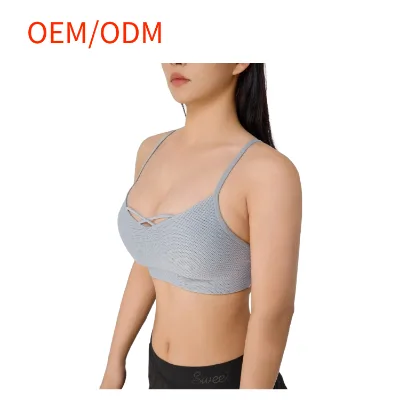


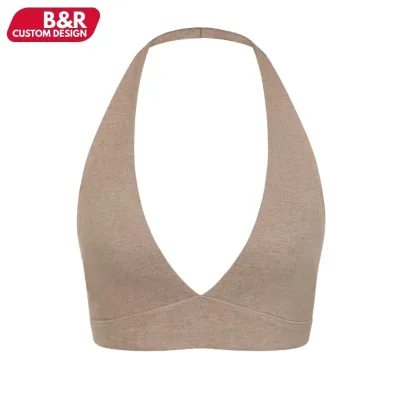
Comprehensive Sourcing Guide
Strategic Sourcing Guide for Elastic Band Sports Bras
Understanding Product Definitions and Core Attributes
When initiating a procurement search for an Elastic Band Sports Bra, buyers must first distinguish between the core garment and its constituent components. The supplied product data reveals a diverse catalog where the term "elastic band" often refers to specific functional elements like webbing tape, resistance bands, or structural support features rather than the entire garment. The observed product types include "Gym Fitness Sports Bra" and "Resistance Band," indicating that a single search query may yield results for complete apparel or specialized accessories. The material composition is a critical starting point, with the data explicitly noting "100% Polyester" and "Nylon" as primary fibers. These materials are selected for their durability, moisture-wicking capabilities, and ability to maintain elasticity under stress.
The customization landscape for this category is extensive. The available facts confirm that "Custom Color," "Custom Logo," "Custom Label," and "Custom Tags" are standard offerings. This suggests that buyers are not limited to off-the-shelf inventory but can engage in Original Equipment Manufacturing (OEM) or Original Design Manufacturing (ODM) processes. The "OEM: Yes" and "OEM: Accept" attributes indicate that suppliers are prepared to produce goods under the buyer's brand identity. Furthermore, the "Customization: Available" attribute reinforces that the supply chain is flexible regarding branding and packaging, with options ranging from "Custom Bags" to "Paper Crap/Box" and "OPP Bag" packaging. Understanding these baseline attributes allows buyers to filter suppliers who can meet specific branding requirements before diving into technical specifications.
Technical Specifications and Material Performance
Technical due diligence is paramount when sourcing elastic band sports bras, as the performance of the garment relies heavily on the interplay between fabric elasticity and structural design. The data highlights specific technical attributes such as "Elastic," "Printed," and "Webbing Tape." The "Webbing Tape" specification, with dimensions noted as "1.25inch*2yard," suggests that the elastic component may be a distinct reinforcement element used for straps or underbands. Buyers must verify if the "Elastic" feature is integrated into the fabric weave or applied as a separate tape component, as this affects the manufacturing process and cost structure.
Material composition is another critical technical variable. While the data lists "100% Polyester" and "Nylon," the specific blend ratios and denier counts are not provided in the general facts. In the context of sports bras, the ratio of synthetic fibers determines the recovery rate of the elastic band. Nylon typically offers superior strength and abrasion resistance, while polyester provides excellent shape retention and colorfastness. Buyers should request material test reports to confirm that the fabric meets the required stretch and recovery standards for high-intensity activities. Additionally, the "Three Quarters(3/4 Cup)" and "B Cup" specifications indicate that sizing and cup construction vary significantly. The "Backless" strap type suggests a specific design aesthetic that may require different elastic tensioning to ensure security without compromising the style.
The production models listed, such as "P20201223," "P20201222," and "Bra-059V," serve as internal identifiers for suppliers. These codes should be used to track specific design iterations and ensure consistency in future orders. The "Standard" attribute for some items lists dimensions like "19.5 cm" or "23/24/25 cm," which likely refer to the width or length of the elastic bands or specific garment measurements. Buyers must clarify whether these dimensions are fixed standards or customizable ranges, as the "customized" standard entry implies flexibility in sizing.
Compliance, Certification, and Regulatory Checks
In the B2B apparel sector, compliance is not merely a formality but a prerequisite for market access. The supplied facts mention "China" and "Jiangsu China" as origins, which are major manufacturing hubs for textiles. However, the data does not explicitly list specific certifications such as OEKO-TEX, GRS, or ISO 9001. Consequently, buyers cannot assume that all listed products automatically meet international safety or environmental standards. The absence of explicit certification data in the source material necessitates a proactive verification process.
Buyers should verify that the "100% Polyester" and "Nylon" materials used in the elastic bands and fabric are free from harmful substances, particularly azo dyes and heavy metals, which are common concerns in textile imports. For products intended for the European Union, compliance with REACH regulations is essential. For the United States, adherence to CPSIA (Consumer Product Safety Improvement Act) standards regarding lead and phthalates is required, especially if the products are marketed towards children, although the data specifies "Adult" and "Women" as target demographics.
The "Custom Color" and "Printed" attributes introduce additional compliance risks related to dyeing processes. Buyers must ensure that the printing techniques used do not violate local regulations regarding chemical usage. Furthermore, the "Product Type: Gym Fitness Sports Bra" implies that the garments may be subject to specific performance standards depending on the end market. For instance, if the products are marketed as "High Impact" sports bras, they may need to undergo impact testing to validate their support claims. Buyers should request third-party test reports to confirm that the "Elastic" properties meet the durability expectations set by the target market's regulatory bodies.
Cost Drivers and Pricing Dynamics
The pricing structure for elastic band sports bras is influenced by several variables, including material costs, customization levels, and order volume. The observed price range of 0.2 to 20 USD indicates a wide spectrum of product tiers, likely reflecting differences in material quality, design complexity, and branding requirements. The lower end of the range may correspond to basic "Webbing Tape" accessories or simple "Resistance Band" items, while the higher end likely encompasses fully constructed "Gym Fitness Sports Bras" with advanced features like "Push Up Pads" or "Bra Cup" engineering.
Order volume is a significant cost driver. The observed MOQ (Minimum Order Quantity) ranges from 2 to 5000 units. This broad range suggests that suppliers offer flexible terms for small businesses and startups, as well as bulk pricing for large retailers. The "MOQ: 100 PCS" entry for resistance bands indicates that specific product lines may have higher entry thresholds. Buyers should negotiate based on their projected sales volume, as higher order quantities typically unlock better unit prices and more favorable payment terms.
Customization is another key factor affecting cost. While "Custom Logo," "Custom Label," and "Custom Tags" are available, these services often incur additional setup fees or higher per-unit costs. The "Custom Bags" and "Carton" packaging options also add to the overall expense. Buyers must balance the desire for brand differentiation with budget constraints, ensuring that the added cost of customization aligns with the perceived value in the target market. Additionally, the "Payment" terms listed, including "Trade Assurance," "Western Union," and "Tt," offer various financial instruments that can impact the total cost of ownership, particularly regarding currency exchange rates and transaction fees.
Supplier Evaluation and Operational Capabilities
Evaluating suppliers requires a multi-faceted approach that goes beyond price comparisons. The data indicates that products originate from "China" and specifically "Jiangsu China," a region known for its textile industry. However, the specific supplier names are not provided, and buyers must rely on the operational capabilities listed in the product attributes. The presence of "OEM: Yes" and "Customization: Available" suggests that suppliers have the technical infrastructure to handle bespoke orders.
Buyers should assess the supplier's ability to manage the "Custom Color" and "Printed" requirements. This involves verifying their color matching capabilities and the consistency of their printing processes. The "Technics: Printed" attribute implies the use of specific dyeing or printing methods, such as sublimation or screen printing, which have different quality implications. Suppliers should demonstrate a track record of maintaining color consistency across large batches.
The "Packing" options, ranging from "1PC/Polybag" to "Carton" and "Paper Crap/Box," indicate that suppliers have diverse packaging capabilities. Buyers should evaluate whether the packaging aligns with their logistics requirements and sustainability goals. For instance, "Custom Bags" may be preferred for retail presentation, while "Carton" packing is essential for bulk shipping. The "Lead time" is not explicitly stated in the data, but buyers should inquire about production timelines to ensure they can meet their inventory needs. The "Standard" dimensions and "Size" specifications should be cross-referenced with the supplier's production capacity to ensure they can meet the required tolerances.
Quality Control and Long-Term Procurement Strategy
Quality control is essential for maintaining brand reputation in the competitive sports apparel market. The "Elastic" feature is a critical quality indicator, as the loss of elasticity over time can render a sports bra ineffective. Buyers should implement a rigorous quality control plan that includes pre-production sample approval, in-process inspections, and final random inspections. The "Feature: Sexy" and "Feature: Elastic" attributes highlight the dual focus on aesthetics and functionality, both of which must be validated.
For long-term procurement, building a strategic partnership with suppliers is advisable. The "OEM: Accept" and "Custom Logo" capabilities suggest that suppliers are open to long-term collaboration. Buyers should establish clear communication channels and define quality standards in their contracts. The "Payment: Trade Assurance" option provides a layer of financial security, protecting buyers against non-delivery or quality issues.
Buyers should also consider the scalability of the supply chain. The "MOQ" range of 2 to 5000 indicates that suppliers can accommodate growth, but buyers must ensure that the supplier can ramp up production without compromising quality. The "Product Type: Gym Fitness Sports Bra" and "Usage: Home Exercise" suggest that the products have broad applications, allowing buyers to diversify their product lines. By maintaining a focus on material quality, design consistency, and supplier reliability, buyers can build a resilient supply chain that supports long-term business growth.
Comparative Analysis of Product Variants
To facilitate decision-making, buyers can compare the different product variants based on the available data. The following table summarizes the key attributes observed in the product listings:
| Attribute | Variant A (Sports Bra) | Variant B (Resistance Band) | Variant C (Webbing Tape) |
|---|---|---|---|
| Product Type | Gym Fitness Sports Bra | Resistance Band | Webbing Tape |
| Material | Nylon, Polyester | 100% Polyester | 100% Polyester |
| Key Feature | Elastic, Push Up Pads | Elastic, Home Exercise | Elastic, Webbing Tape |
| Customization | Custom Color, Logo, Label | Custom Logo, Accept | Custom Color |
| Packaging | Custom Bags, Polybag | Paper Crap/Box, OPP Bag | Carton |
| Origin | China | Jiangsu China | China |
| MOQ | 2-5000 | 100 PCS | 2-5000 |
This comparison highlights the diversity within the "Elastic Band Sports Bra" category. Variant A focuses on complete garment construction with advanced features like push-up pads. Variant B is a standalone accessory for home exercise, while Variant C represents a raw material component. Buyers must align their procurement strategy with their specific business needs, whether they are looking for finished goods, accessories, or raw materials. The "Standard" and "Size" variations further emphasize the need for precise specification matching to ensure product compatibility and performance.
FAQs
What materials are used for elastic band sports bras?
The primary materials are 100% Polyester and Nylon. These fibers provide durability and moisture-wicking capabilities essential for gym fitness activities while maintaining elasticity under stress.
Can buyers request custom branding on these products?
Yes, customization is available for logos, labels, tags, and colors. Suppliers offer OEM services allowing buyers to add custom logos and use custom bags or cartons for packaging.
What is the minimum order quantity for these items?
The minimum order quantity ranges from 2 to 5000 units depending on the specific product. Some items like resistance bands may have a specific MOQ of 100 pieces.
Which cup sizes and styles are available for sports bras?
Available styles include Three Quarters cups with B Cup sizing and Backless strap types. The product type is specifically categorized as Gym Fitness Sports Bras with Push Up Pads.
How are these products typically packed for shipment?
Packing options include 1PC/Polybag, OPP Bag, Carton, and Paper Crap/Box. Buyers can also select Custom Bags to align with their specific branding and retail presentation needs.
What payment methods are accepted for these orders?
Accepted payment methods include Trade Assurance, Western Union, and Tt. These options provide financial security and flexibility for international transactions between buyers and suppliers.
Where are these elastic band sports bras manufactured?
Products originate from China, with specific manufacturing hubs located in Jiangsu China. This region is a major center for textile production and export of athletic apparel.