Source Wireless Mouse for Business, Gaming, and Home Office
Explore 30 Wireless Mouse options with varying DPI, connection types, and ergonomic designs. Buyers can compare features like optical tracking, battery life, and button configurations to find the right device for business, gaming, or home office use.
Key considerations
Products List


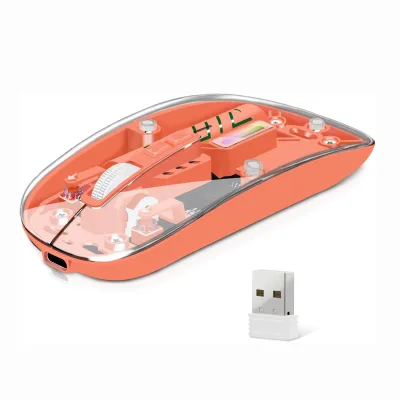
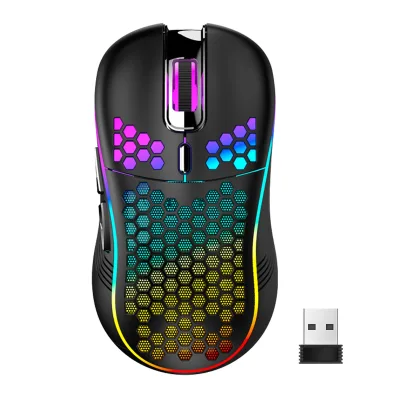


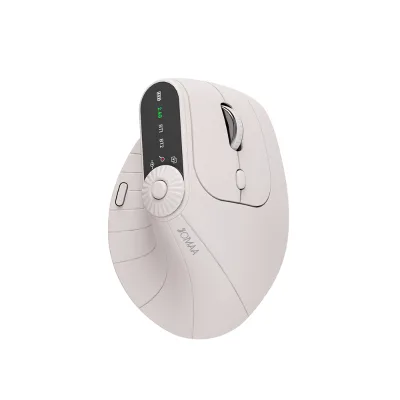


Ergonomic Smart Wireless Mouse for Enhanced Productivity and Precision
$25.00 - $35.00
MOQ: 100 Pieces

Comprehensive Sourcing Guide
Wireless Mouse Sourcing Guide
Sourcing wireless mice for B2B distribution or corporate procurement requires a disciplined approach to technical verification and commercial alignment. The market offers a wide spectrum of devices, ranging from basic optical peripherals to advanced ergonomic models with dual-mode connectivity. Buyers must navigate this variety by focusing on specific operational requirements, such as DPI sensitivity, button configuration, and power management, rather than relying on generic product descriptions. This guide provides a structured framework for evaluating suppliers and products based on observable listing signals and essential technical criteria.
The procurement process begins with a clear definition of the end-use environment, whether it is for high-volume corporate gifting, specialized business applications, or general consumer retail. Each segment demands different attributes, such as the need for ambidextrous designs for broad appeal or specific ergonomic shapes for long-duration use. By establishing these parameters early, buyers can filter out irrelevant listings and focus on suppliers who demonstrate the capability to meet precise customization and packaging requirements. This strategic filtering reduces the risk of receiving products that do not align with the target market's expectations.
Product Scope and Observed Listing Signals
The current market landscape for wireless mice is characterized by significant variation in model numbers, connectivity types, and physical dimensions. Listings frequently display a wide range of specifications, including DPI settings from 1200 to 2000, and connection technologies that span from standard 2.4G wireless to dual-mode Bluetooth and USB nano receivers. Buyers should observe that product models such as OFFE2012, A079, MSX-026, MSX-025, MSX-058, and MSX-2551 represent distinct design iterations, each with unique packing densities and standard dimensions. These variations indicate that suppliers often maintain multiple SKUs to cater to different price points and functional needs.
Packing and origin data provide critical insights into the supplier's operational scale and logistical capabilities. Observed packing configurations vary from 100 pieces per carton to 200 pieces per carton, with weights ranging from approximately 17 to 20 pounds per carton. Most products originate from China, with specific manufacturing hubs like Shenzhen indicating a concentration of electronic component supply chains. Buyers should verify these packing details to calculate landed costs accurately, as carton dimensions and weights directly impact shipping efficiency and warehousing requirements. Understanding these logistical signals helps in negotiating better freight terms and ensuring inventory turnover aligns with supply chain capacity.
Technical Specifications to Verify
Technical verification must focus on the core performance metrics that define user experience, including DPI, tracking technology, and button layout. Optical tracking is a common standard, but buyers should confirm the specific DPI range, as values like 1200 or 1600 DPI suit different usage scenarios, from basic office tasks to more precise design work. The number of buttons is another critical differentiator, with options ranging from three to six buttons, including specialized features like tilt wheels or 6D designs. These specifications directly influence the mouse's suitability for specific applications, such as business productivity or gaming, and must be matched to the end-user's workflow requirements.
Connectivity and power management are equally vital technical considerations that affect device reliability and user convenience. Buyers should verify whether the mouse utilizes a 2.4G wireless receiver, Bluetooth, or dual-mode connections, as each has distinct advantages regarding latency and device compatibility. Power sources also vary, with some models requiring two AAA batteries while others may use integrated or different battery configurations. Additionally, the interface type, such as USB 2.0, and the switch lifespan, often rated at three million clicks, are key indicators of durability. Confirming these details ensures that the selected mouse will perform reliably in the intended environment and meet the expected lifespan standards.
Compliance and Safety Documentation
Compliance documentation is a non-negotiable aspect of sourcing electronic peripherals, particularly when entering regulated markets. Buyers must request evidence of adherence to relevant safety and environmental standards, such as CE and ROHS certifications, which are frequently cited in product listings. These certifications indicate that the product meets specific requirements for electromagnetic compatibility and the restriction of hazardous substances. Without proper documentation, products may face customs delays or rejection in key markets, leading to significant financial losses and supply chain disruptions.
Beyond basic certifications, buyers should inquire about additional safety features and material compositions. The use of ABS plastic is common, but verifying the quality and flame retardancy of these materials is essential for consumer safety. Furthermore, understanding the battery safety standards is crucial, especially for products using AAA batteries, to prevent leakage or overheating issues. Buyers should ensure that suppliers provide test reports or compliance certificates for each model, as these documents serve as proof of due diligence and protect the buyer from liability in case of product failures or safety incidents.
Cost Drivers and Commercial Terms
Cost structures for wireless mice are influenced by a combination of material costs, customization options, and order volumes. Customization is widely available, allowing buyers to tailor products with specific branding, packaging, or minor design adjustments. However, these customizations often come with minimum order quantities (MOQs) that can range from 1 to 1000 units, depending on the complexity of the change. Buyers should evaluate the trade-off between customization benefits and the increased MOQs to determine the most cost-effective approach for their inventory strategy.
Pricing and payment terms are also key commercial factors that require careful negotiation. While observed price ranges can vary, buyers should focus on the total landed cost, including shipping, duties, and insurance, rather than just the unit price. Payment terms should be structured to mitigate risk, such as using letters of credit or escrow services for larger orders. Additionally, buyers should clarify the lead times for production and shipping, as delays can impact market availability and customer satisfaction. Understanding these commercial dynamics helps in building a sustainable and profitable procurement model.
Supplier Qualification and Quality Control
Supplier qualification involves a thorough assessment of the manufacturer's capabilities, reputation, and quality management systems. Buyers should verify the supplier's production capacity, technical expertise, and history of fulfilling similar orders. Factories located in established electronics hubs like Shenzhen often have access to better supply chains and skilled labor, which can translate to higher product consistency. However, buyers must conduct due diligence to ensure that the supplier maintains rigorous quality control processes throughout the manufacturing cycle.
Quality control measures should include pre-production samples, in-process inspections, and final random inspections before shipment. Buyers should define clear acceptance criteria for defects, such as button responsiveness, connectivity stability, and cosmetic imperfections. Implementing a robust quality control plan helps in identifying and addressing issues early, reducing the risk of receiving substandard products. Additionally, establishing a clear communication channel with the supplier for feedback and issue resolution is essential for maintaining long-term partnership and product quality.
Long-Term Procurement Checks
Long-term procurement success depends on continuous monitoring of product performance and supplier reliability. Buyers should establish key performance indicators (KPIs) to track metrics such as defect rates, delivery times, and customer feedback. Regular audits and performance reviews help in identifying potential issues before they escalate, allowing for proactive corrective actions. This ongoing evaluation ensures that the supplier remains aligned with the buyer's quality and service expectations over time.
Furthermore, buyers should stay informed about market trends and technological advancements in the Wireless Mouse sector. Innovations in battery life, connectivity, and ergonomic design can impact the competitiveness of the products in the market. By maintaining a flexible procurement strategy and fostering strong relationships with suppliers, buyers can adapt to changing market conditions and secure a steady supply of high-quality products. This proactive approach minimizes risks and maximizes the value derived from the procurement process.
FAQs
What customization options are available for wireless mice?
Customization is available for these Wireless Mouse products. Buyers can request specific modifications to meet unique business requirements while maintaining standard production capabilities.
Which connection types are supported by these wireless mice?
These devices support Bluetooth, Wireless, and Dual Mode Connection types. Some models also feature 2.4G Wireless connectivity with USB Nano receivers for stable performance.
What DPI settings are offered for these wireless mice?
The available DPI settings include 1200, 1600, and 2000. Different models offer varying sensitivity levels to suit specific business or economic application needs.
Can I find wireless mice with specific ergonomic designs?
Yes, options include Right Hand, Symmetric, and Ambidextrous ergonomic designs. These configurations ensure comfort for various user preferences during extended business use.
What are the standard packaging details for these products?
Packaging varies by model, with options like 100PCS per carton or 200PCS per carton. Some units come in Color Boxes or Blister packs for retail readiness.
Which certifications do these wireless mice meet?
Selected models meet CE and ROHS standards. These certifications ensure compliance with safety and environmental regulations for international distribution.
What is the origin location for these wireless mice?
The products originate from China, specifically Shenzhen. This location supports efficient manufacturing and logistics for global supply chains.